




Victorian Vase Stand
These Victorian vase stand pieces hold heavy vessels and decorative urns, offering solid display foundations that anchor a room.
Victorian Vase Stand
A Victorian vase stand supports decorative vessels, urns, and jardinieres, raising them from the floor or tabletop to command attention in a room. These domestic furnishings elevate heavy ceramics and glass pieces safely while adding architectural interest to interior spaces.
The selections encountered here span various forms, from hardwood plant supports and cast iron plinths to ceramic umbrella holders and pedestal bases. They reflect the diverse material tastes of the nineteenth century, incorporating both domestic English manufacture and international influences.
Makers of the period utilised robust materials to ensure these stands could bear substantial weight without tipping. Buyers find items ranging from utilitarian ceramic stick stands to ornate bronze pedestals designed for grand display.
Materials and Construction
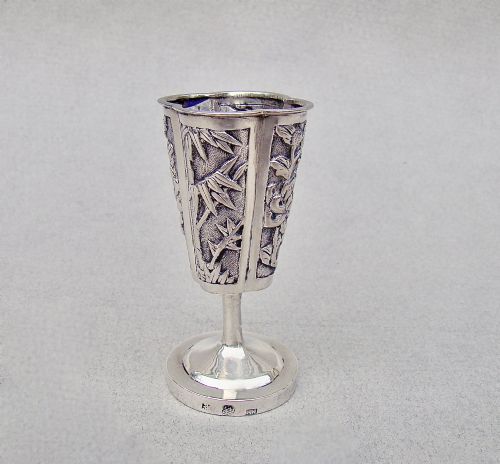
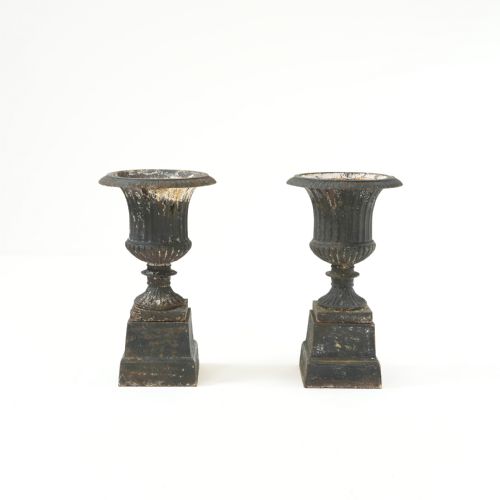
Foundry work dominates the metal pieces, employing cast iron and silver plate to create sturdy frames, campana urns, and detailed umbrella stands. Artisans also utilised bronze and brass, sometimes pairing metal mounts with glass inserts or wooden pedestals.
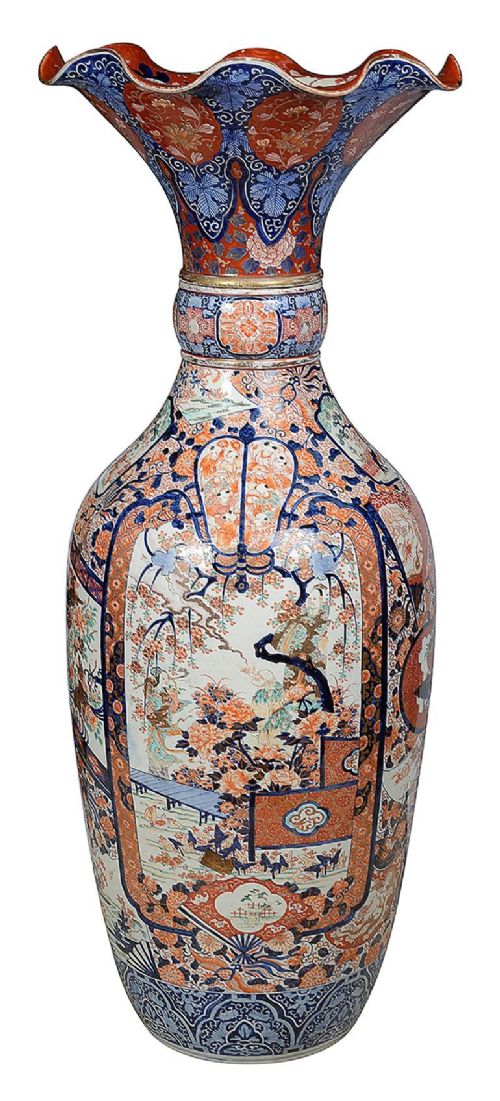
Woodworking traditions appear through carved hardwood plant stands and tables, built with dense timber to support heavy porcelain. Ceramic and earthenware stands underwent high-temperature kiln firing, often finished with coloured glazes or transfer decoration.
Specialist techniques include gold leaf application, lacquer over painted surfaces, and intricate glass etching found on table centrepieces. These methods combined structural durability with decorative surface treatments suited to Victorian interiors.
Victorian Vase Stand Retail Price Guide 2026
Typical asking prices for victorian vase stand among the pieces listed under this phrase on Sellingantiques today, from the lower quarter to the upper quarter. They describe what is for sale here now, not the wider market.
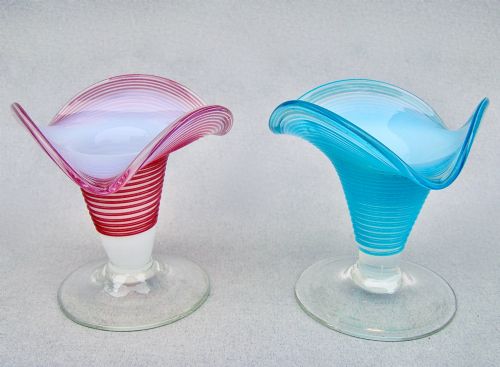
Listings feature items spanning the 19th Century, Victorian, and Edwardian periods, constructed from silver plate, cast iron, earthenware, hardwood, and cranberry glass.
Assessing Quality and Execution
Superior examples demonstrate crispness in cast metal ornament, deep and even carving on hardwood timbers, and precise ceramic glazing. Finer items exhibit harmonious proportions between the support base and the vessel it holds, ensuring visual balance.
The integrity of assembly distinguishes better pieces, whether through the tightness of joinery in wooden stands or the clean finishing of seams on cast iron and silver-plated items. Weight distribution and material density indicate the maker's original intention for daily utility versus lighter decorative display.
Théodore Deck·Walker & Hall·Carlton Ware
The Victorian Vase Stand Glossary
- Campana urn
- A bell-shaped vessel typically mounted on a pedestal base, designed for planting or display. These forms often appear in cast iron or bronze within nineteenth-century settings.
- Epergne
- A tiered centrepiece featuring a central trumpet vase surrounded by smaller hanging or branching receptacles. They frequently utilise cranberry or ruby glass with silver-plated frames.
- Jardiniere stand
- A specialised piece of furniture or pedestal created to hold a plant pot or floral container. They occur in ceramic, wood, and marble variants.
- Flat back
- A style of ceramic figure or ornament modelled primarily on the front with a flattened rear surface, intended for placement against a wall or mantelpiece.
- Grand Tour
- A cultural journey undertaken by wealthy Europeans that inspired the acquisition of classical antiquities and bronze reproductions. These items frequently found their way onto specialised pedestals at home.
Victorian Vase Stand: Frequently Asked Questions
What weights can these stands safely hold?
Most cast iron and hardwood stands are built to bear heavy earthenware vessels and large floral arrangements without instability.
Lighter decorative stands composed of glass or delicate ceramics suit smaller vases and lighter display objects.
How do I clean silver-plated stands?
Gentle dusting with a soft cloth preserves the plated surface without wearing away the underlying metal.
Harsh chemical polishes should be avoided to protect etched details and antique patination.
Where were these stands placed in a home?
Umbrella and stick stands typically stood in hallways to receive wet outdoor gear near the entrance.
Jardiniere and vase stands occupied principal reception rooms, bay windows, and corners where plants or urns added vertical interest.
Are wooden stands prone to warping?
Dense hardwoods like those used in plant stands resist movement when kept away from direct heat sources and extreme humidity changes.
Routine maintenance with appropriate wood care products maintains the timber's moisture balance over time.