

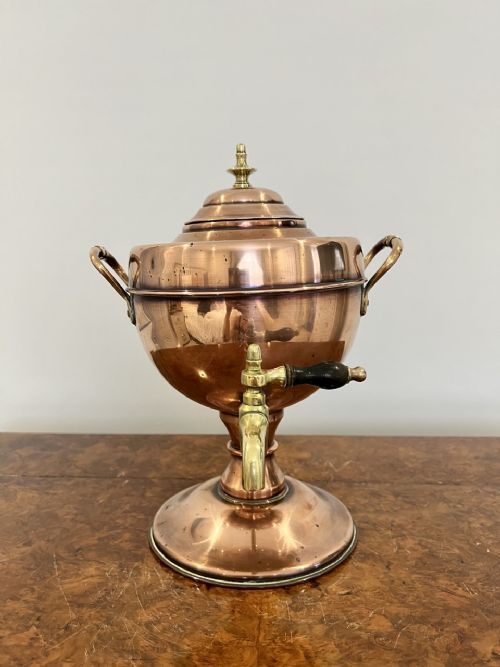
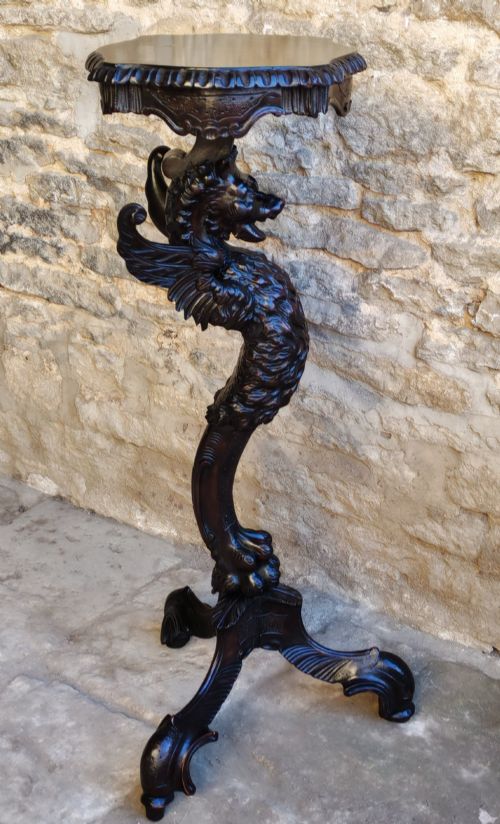
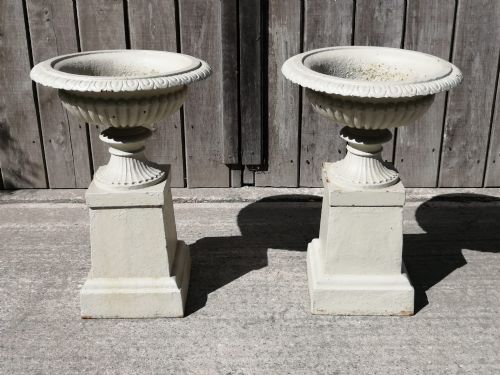
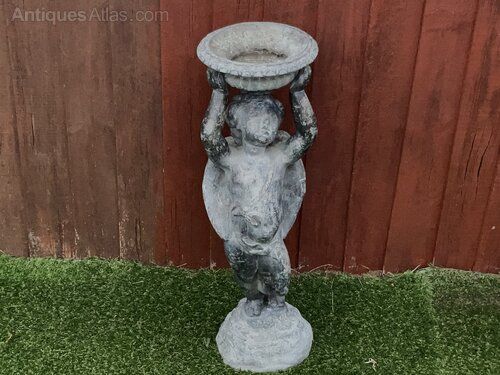
Victorian Urn on Pedestal
A victorian urn on pedestal brings classical formality to a room or garden, combining a substantial display vessel with its own dedicated column or plinth.
Victorian Urn on Pedestal
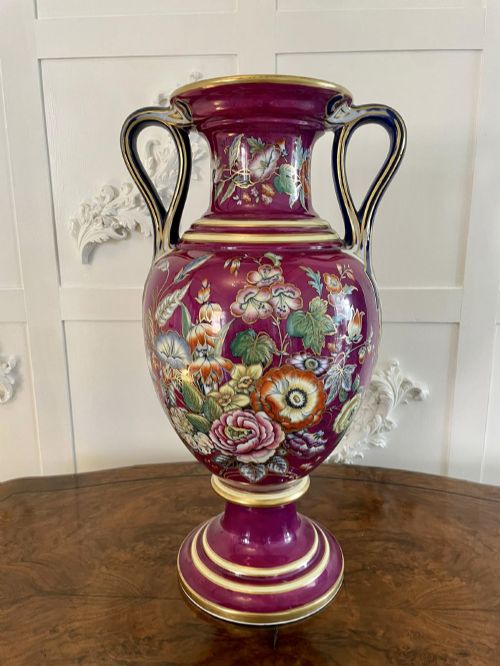
When searching for a victorian urn on pedestal, you find a combination of display vessels and supporting columns rooted in 19th-century classical revivalism. These items range from heavy metal garden planters to delicate porcelain presentation vases paired with matching stands.
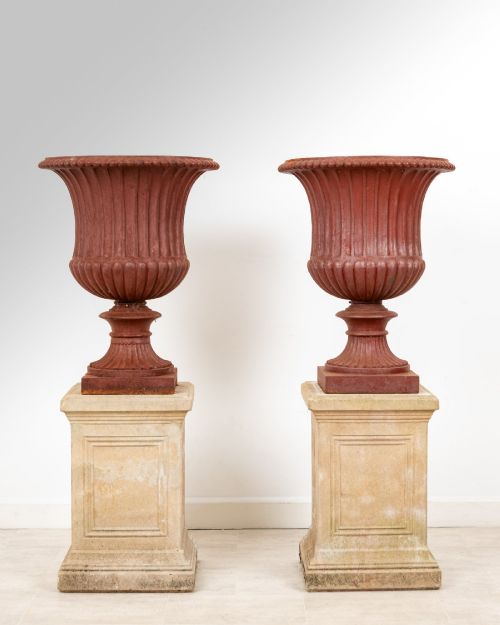
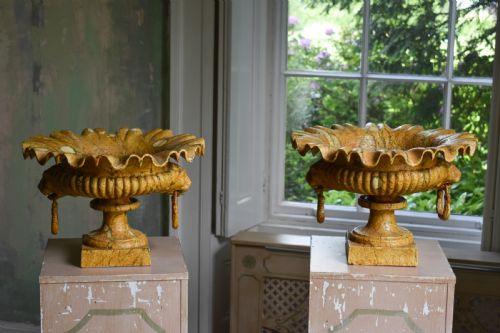
The form splits largely between indoor decorative display and robust outdoor garden furniture. Indoor versions utilise rich timbers or glazed ceramics, whereas outdoor examples lean towards durable cast iron and weathered terracotta.
Many survivors reflect Neoclassical, Italian Renaissance Revival, or Gothic tastes, drawing on ancient architectural motifs. You frequently encounter pairs designed for symmetrical placement in hallways, drawing rooms, or formal gardens.
How they were made
Makers utilised casting techniques for iron and bronze garden pieces, often pouring molten metal into sand moulds to achieve crisp foliate and campana details. Foundries such as Coalbrookdale and makers like Andrew Handyside produced sturdy garden urns designed to withstand outdoor weathering.
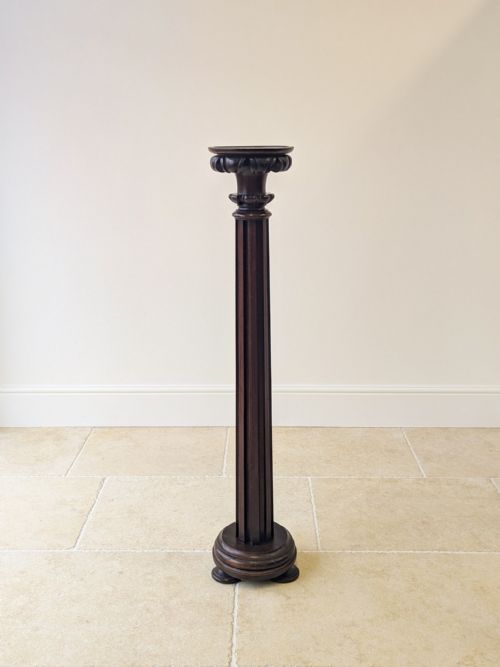
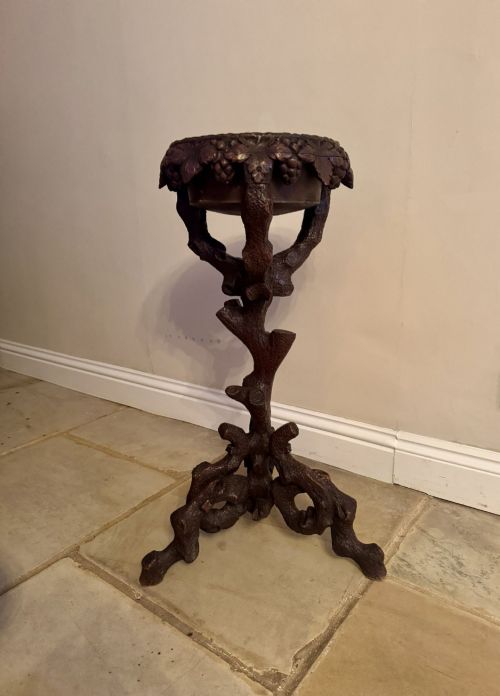
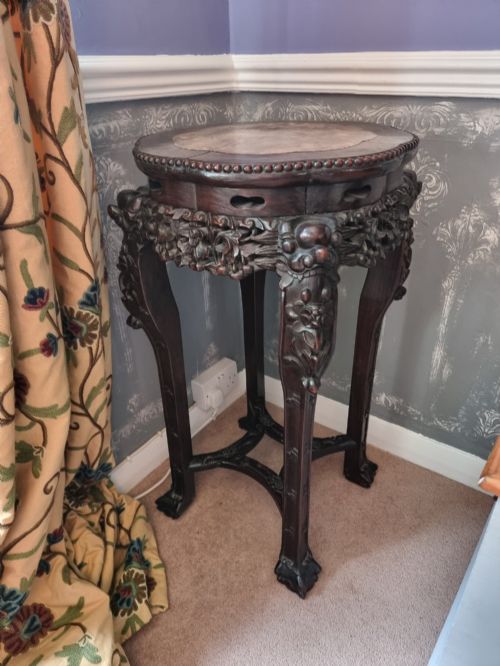
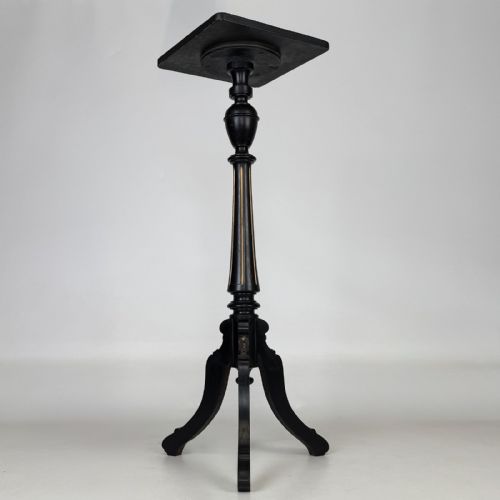
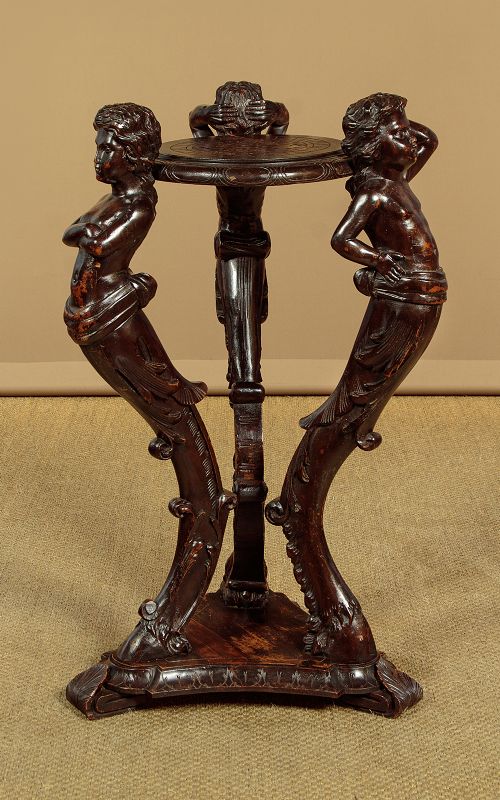
Indoor stands and columns relied on traditional cabinetmaking, employing carved mahogany, walnut, and ebonised woods. Turnery and hand-carving shaped the fluted shafts and acanthus capitals that elevated the vessels.
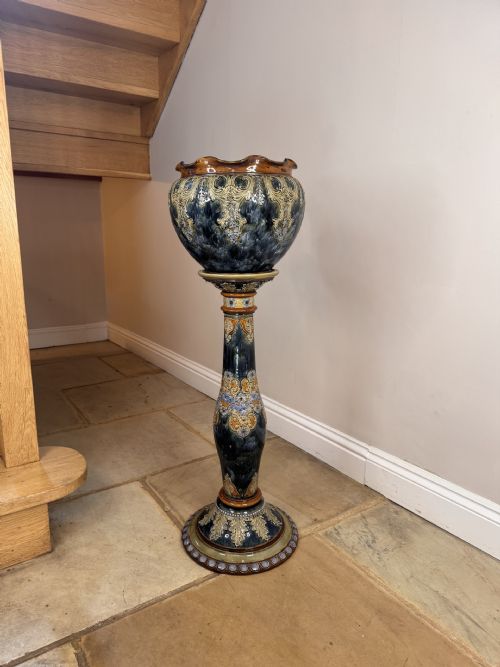
Ceramic and glass examples incorporate throwing, moulding, and specialised glazing. Factories such as Royal Doulton and Wedgwood applied slipware, jasperware bas-reliefs, and hand-painted motifs before kiln firing.
Victorian Urn on Pedestal Retail Price Guide 2026
Typical asking prices for victorian urn on pedestal among the pieces listed under this phrase on Sellingantiques today, from the lower quarter to the upper quarter. They describe what is for sale here now, not the wider market.
Listings feature 19th-century cast iron, terracotta, and mahogany alongside ceramic wares from Wedgwood and Royal Doulton.
What varies in quality
The fidelity of the casting and carving separates standard production items from exceptional works. Crisp detailing in acanthus leaves, sharp fluting on columns, and well-finished patination indicate skilled hand-chasing or precise carving rather than hasty mass production.
Material selection dictates both durability and refinement. Solid hardwoods, dense marbles, and high-grade cast iron hold crisp lines better than softer woods or porous earthenwares that have suffered moisture damage over time.
Integrity of pairing matters significantly for pieces designed as sets. Original matching pedestals and urns retain greater design harmony than assembled marriages where vessels and columns originate from different makers or decades.
Coalbrookdale·Andrew Handyside·Royal Doulton·Wedgwood·Druce & Co London·Shoolbred
The Victorian Urn on Pedestal Glossary
- Campana urn
- A bell-shaped vessel with a flared rim and footed base, heavily favoured in classical garden design.
- Torchère
- A tall, slender stand or column originally intended to hold a candle or lamp, later adapted for plants and vases.
- Tazza
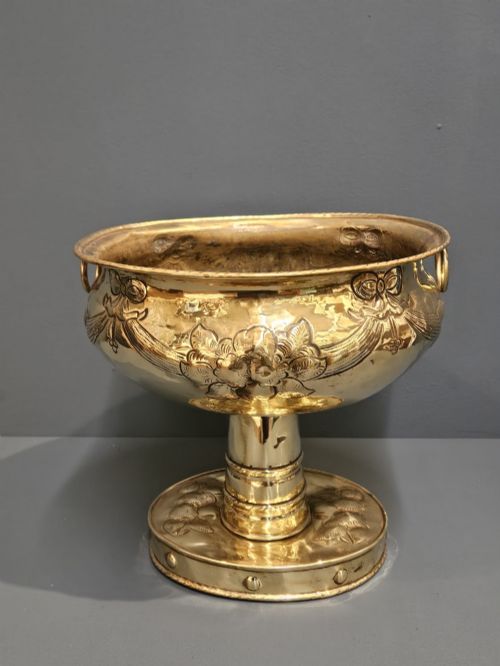
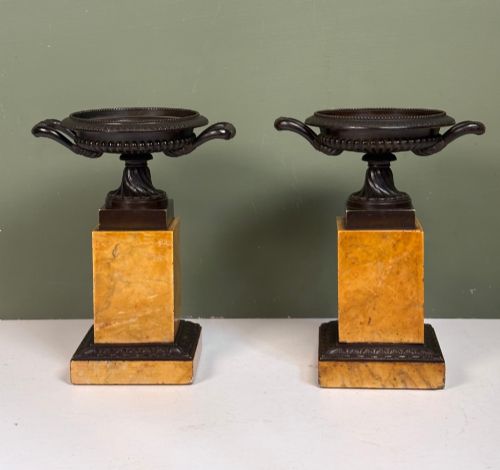
- A shallow saucer-like cup or vase mounted on a stem and foot, often carved from decorative stone or ceramic.
- Jasperware
- A fine-grained stoneware developed by Wedgwood, characterised by contrasting raised white reliefs against a coloured matte background.
- Plinth
- A heavy rectangular or square block serving as the base for a pedestal, column, or urn.
Victorian Urn on Pedestal: Frequently Asked Questions
Are these urns suitable for outdoor use?
Cast iron and terracotta versions are built to withstand external weather conditions and handle planting.
Porcelain, glass, and polished timber pieces require indoor placement to protect delicate glazes and sensitive wood surfaces from moisture.
How do I secure an urn to its pedestal?
Many traditional garden urns rely on their own substantial weight to stay stable on top of a stone plinth or column.
Indoor decorative stands often feature recessed tops or central dowel fixings to keep lighter ceramic vessels safely aligned.
Can I separate the urn from the pedestal?
Most period examples are constructed as two distinct components, allowing easier transport and flexible arrangement.
Some smaller decorative items or garden sets might be cast or pinned as a single unified object.
How do I date a cast iron garden urn?
Inspect the casting seams, surface texture, and rusted patination for signs of nineteenth-century foundry work.
Maker marks, registration numbers, and classical revival design motifs also help narrow down the period of production.