
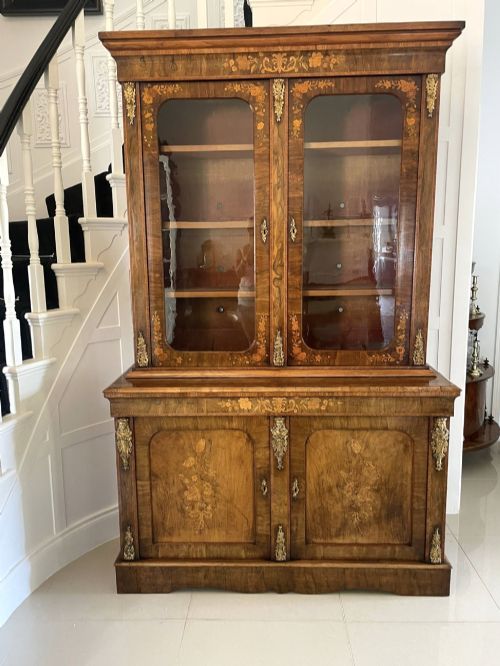
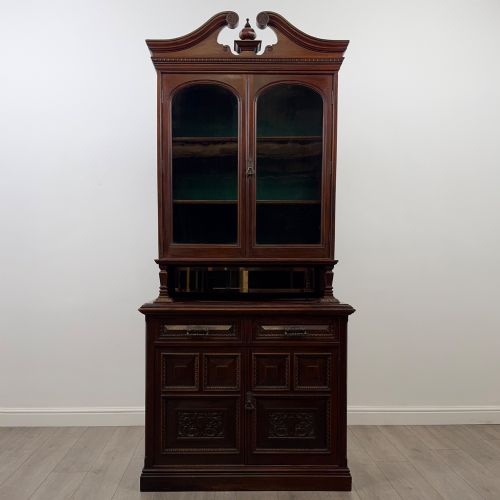
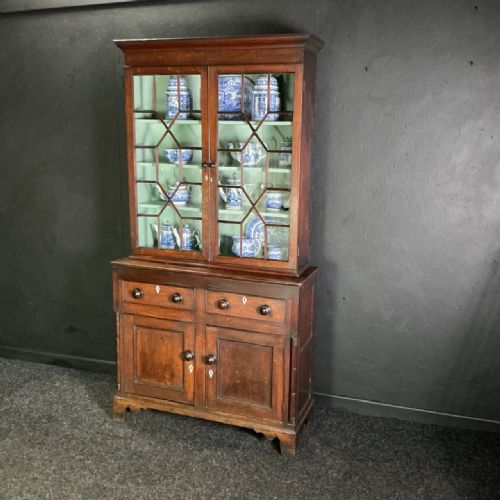
Victorian Two Tier Bookcase
A victorian two tier bookcase brings warmth and organised charm to a room, offering compact shelving with a pleasing vertical rhythm.
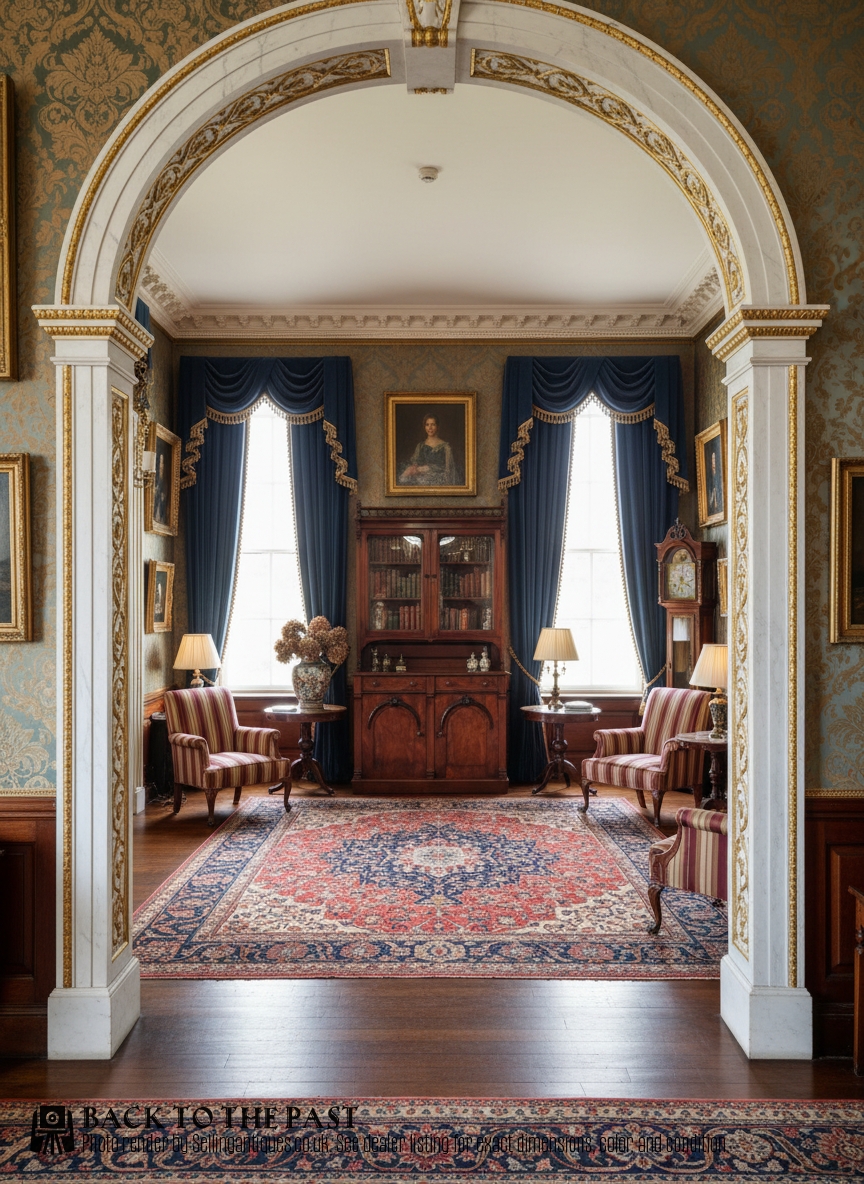
Victorian Two Tier Bookcase
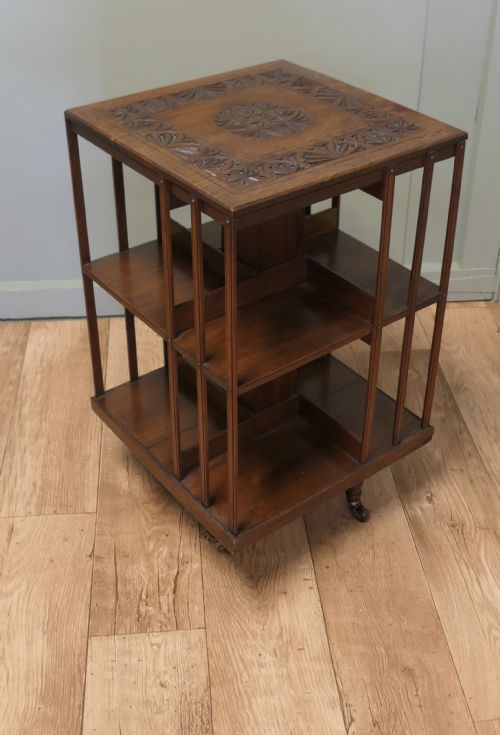
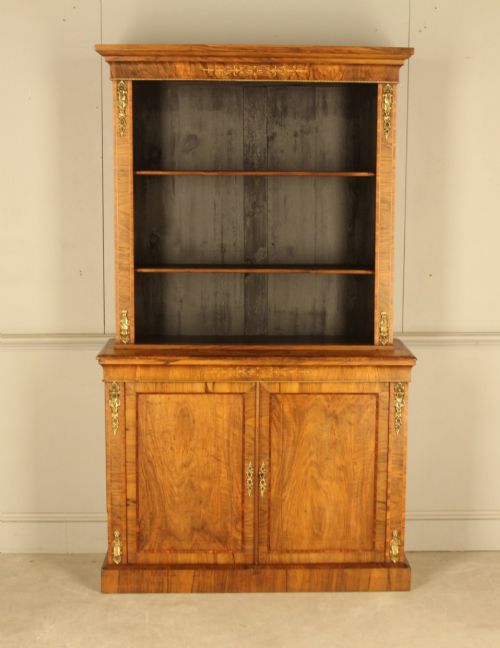
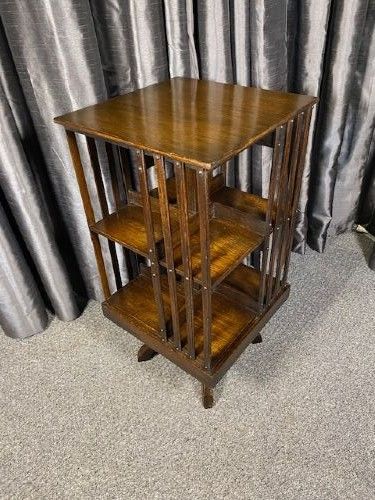
Makers utilised various timbers including mahogany, walnut, and oak to construct these tier systems, sometimes incorporating slatted sides or crossbanded tops. The format prioritises accessibility and neatness, reflecting period tastes for functional library furniture.
Materials and Construction
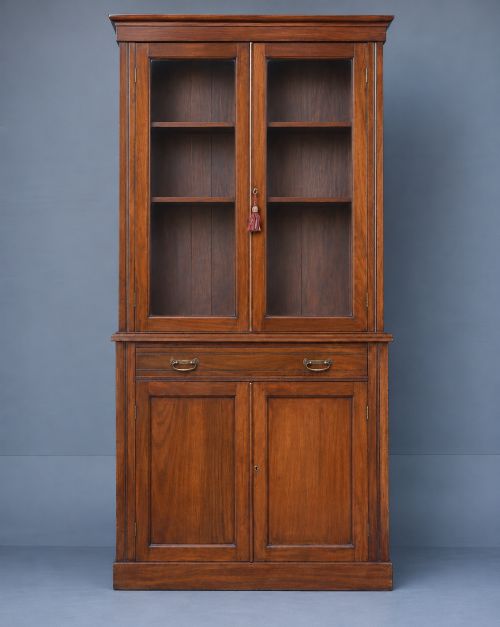
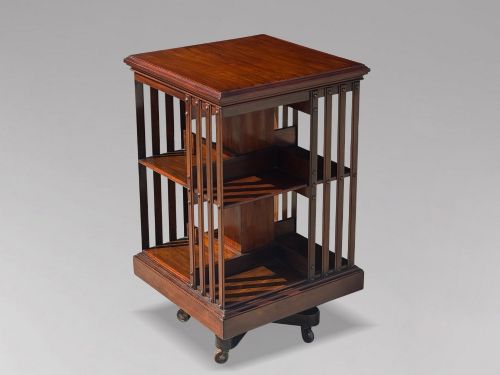
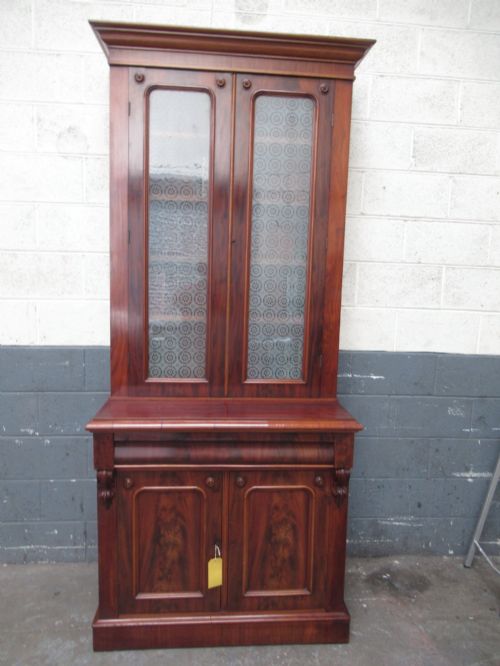
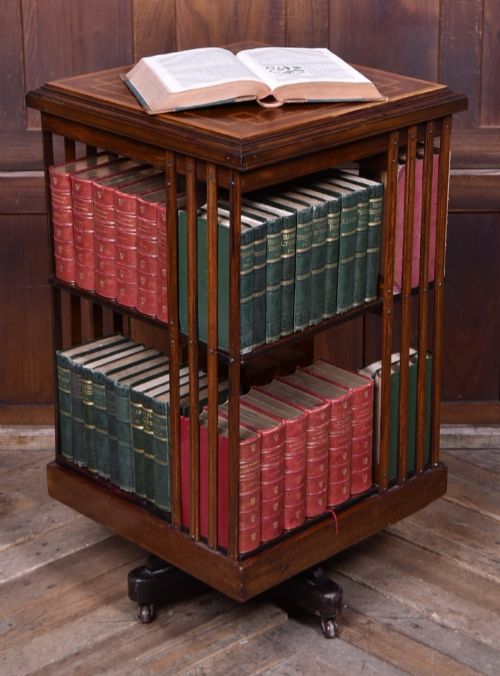
Cabinet makers relied heavily on dense hardwoods like mahogany and walnut, occasionally selecting figured veneers such as burr walnut or bird's eye maple for visible surfaces. Brass fittings and castors often support revolving mechanisms, ensuring smooth rotation under the weight of heavy volumes.
Construction techniques involve sturdy joinery suitable for daily use, with slatted or panelled dividers forming the compartments of each tier. Timber framing is frequently polished to a warm finish that highlights the natural grain of the wood.
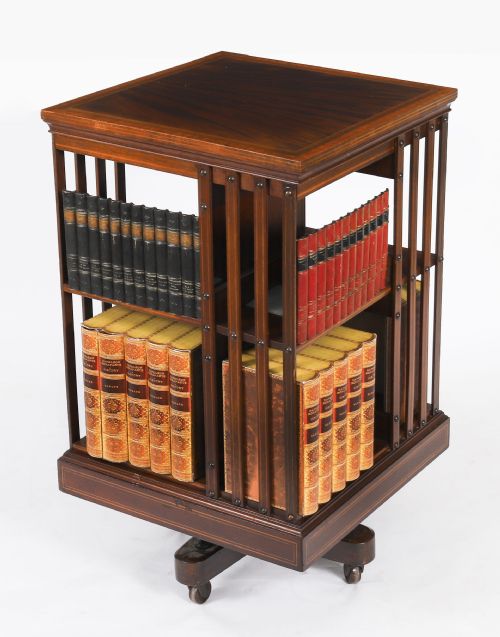
The archive includes two-tier revolving models combining brass fittings with traditional timber construction.
Assessing Quality and Craftsmanship
Superior examples display careful timber selection, such as matched flame mahogany or intricate marquetry inlay, paired with robust internal pivot mechanisms that turn without wobble. Lesser pieces rely on plain secondary woods and simpler joints with looser tolerances.
The sophistication of the turning action and the crispness of any applied brass mounts or carved details distinguish standard workshop output from exceptional cabinet work.
Howard & Sons·Maple & Co·Holland & Sons
The Victorian Two Tier Bookcase Glossary
- Revolving bookcase
- A freestanding tiered shelf unit mounted on a concealed pivot and cross base so it turns freely. This design allows access to books from multiple angles in a tight space.
- Flame mahogany
- A veneer cut from timber where the branch meets the trunk, producing a distinctive flickering flame pattern. Cabinet makers used this on prominent surfaces to catch the light.
- Secrétaire
- A desk unit integrated into a cabinet piece featuring a drop-down writing flap concealing small drawers and pigeonholes. It combines storage with a compact writing surface.
- Ormolu
- Gilt bronze mounts applied to furniture as decorative accents during the nineteenth century. These metal details enhance the formal appearance of walnut and mahogany cabinets.
Victorian Two Tier Bookcase: Frequently Asked Questions
How do I care for a wood bookcase?
Maintain the timber by applying a traditional beeswax polish occasionally, buffing it gently with a soft cloth to nourish the grain.
Keep the piece away from direct heat sources and strong sunlight to prevent the timber and veneer from drying out or splitting over time.
Where should I place a revolving bookcase?
Position the piece near a seating area or corner where you can easily reach the books while seated.
Ensure there is enough clearance on all sides for the tiers to spin freely without touching walls or nearby furniture.
How can I tell Victorian from Edwardian?
Victorian pieces often feature deeper timber tones, heavier carvings, and denser grain patterns reflecting mid to late nineteenth-century preferences.
Edwardian examples tend to show lighter finishes and simpler lines, aligning with the aesthetic shifts of the early twentieth century.
Are the shelves adjustable?
Many nineteenth-century cabinet designs include fitted adjustable shelving systems using wooden pegs or metal tracks.
Revolving tiers are typically fixed in height to maintain structural stability while supporting the weight of books.