



Victorian Two Seater
A victorian two seater brings intimacy to a room, offering compact seating framed in rich mahogany, walnut or rosewood.
Victorian Two Seater
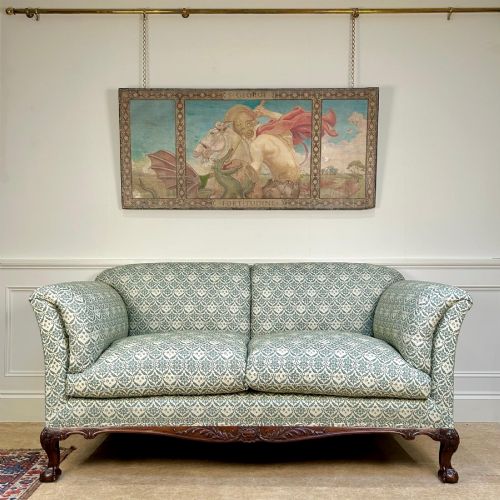
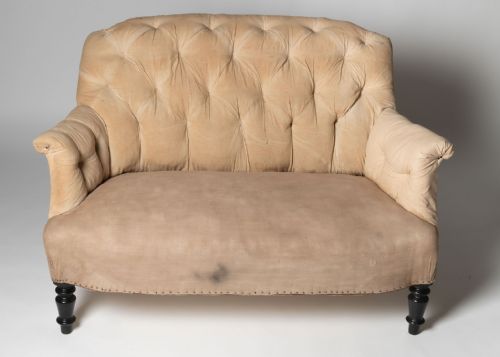
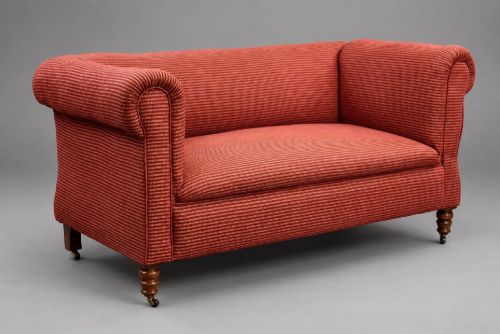
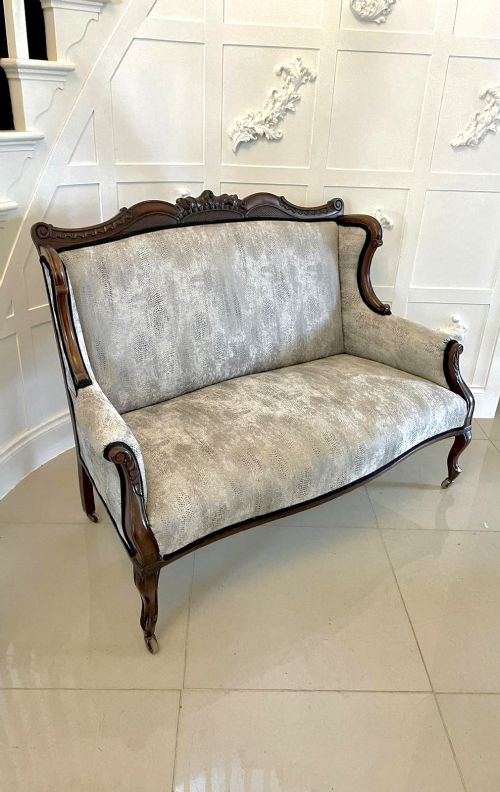
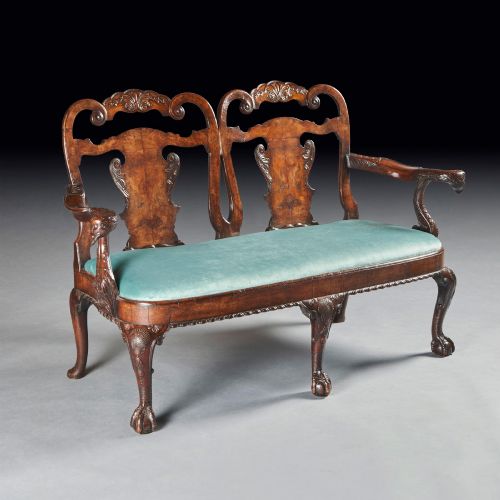
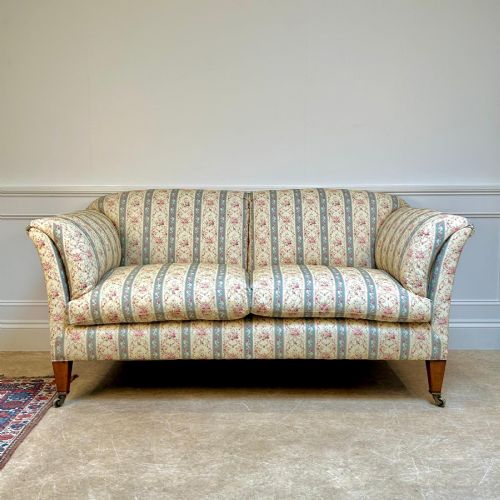
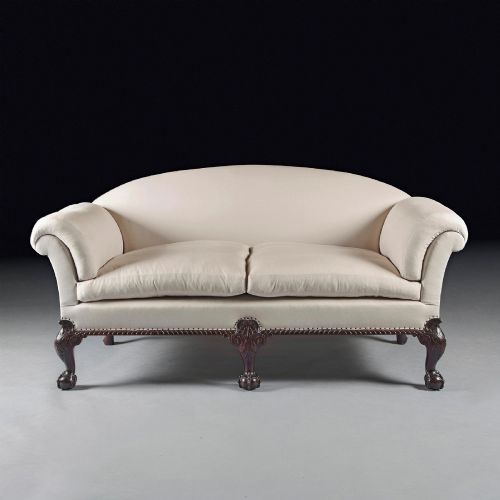
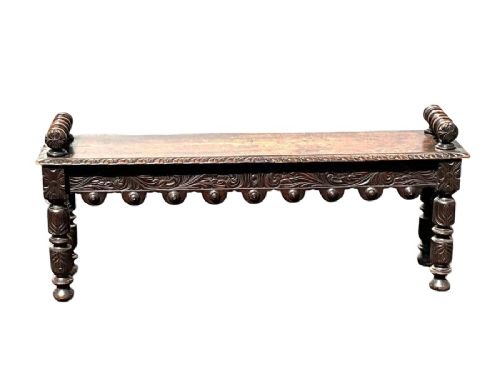
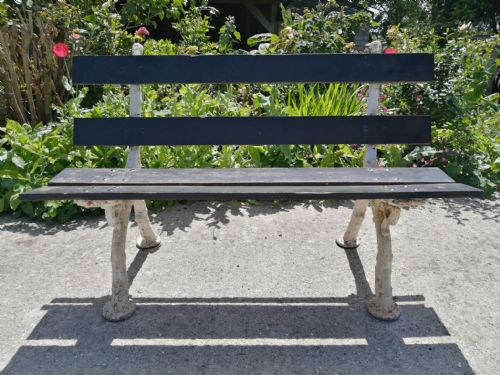
A victorian two seater encompasses compact sofas, settees, love seats and window seats designed for intimate seating. The pieces appearing here span the nineteenth century, including distinct revival designs and aesthetic movement creations.
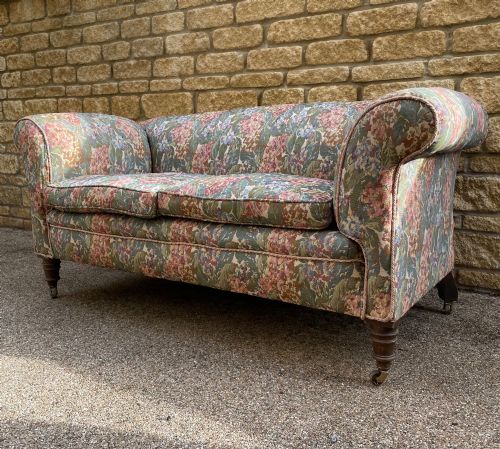
Buyers encounter walnut and mahogany frames alongside upholstered couches and drop-arm settees. These items originate from English workshops and continental makers, reflecting the varied social spaces of the period.
Materials and Techniques
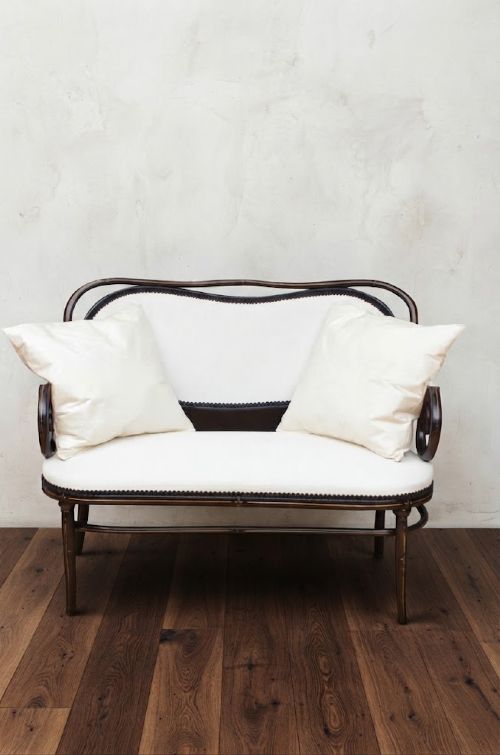
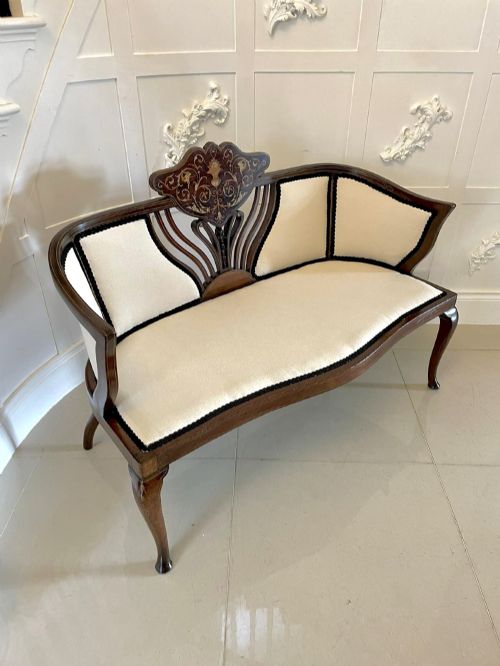
Frames rely on hardwoods such as mahogany, walnut and oak, often shaped through carving or steam bending for bentwood pieces. Cabinetmakers utilised joinery alongside brass accents and detailed wood inlays to elevate the structure.
Upholstery incorporates fabric, velvet, leather and horsehair stuffing secured over coil springs. Show-wood frames display hand-carved motifs, ranging from rococo curves to crisp Georgian revivals.
Victorian Two Seater Retail Price Guide 2026
Typical asking prices for victorian two seater among the pieces listed under this phrase on Sellingantiques today, from the lower quarter to the upper quarter. They describe what is for sale here now, not the wider market.
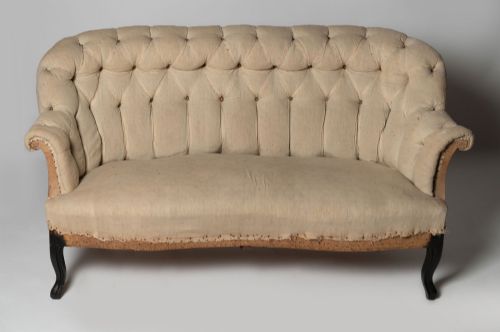
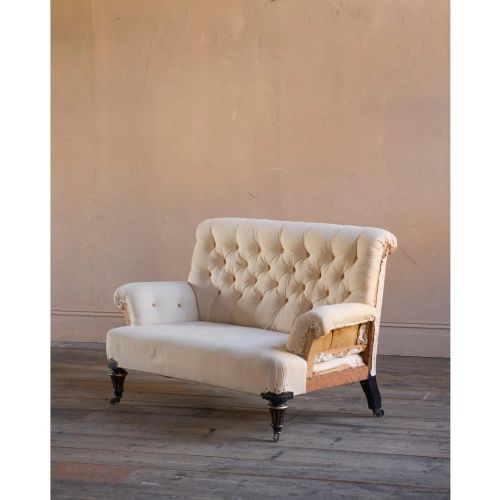
The inventory records aesthetic movement designs, button-backed leather configurations and French country styles.
Judging the Standard
Quality rests in the crispness of the timber carving and the integrity of the underlying frame construction. Superior examples show refined proportions, balanced inlay work and substantial show-wood rather than heavy, generic mouldings.
The sophistication of the upholstery technique and the selection of covering materials dictate the refinement of the piece. Maker attribution and documented provenance elevate a standard seating form into a notable specimen.
Howard & Sons·Thonet Bentwood·Jackson and Graham·Coalbrookdale·Hampton & Sons
The Victorian Two Seater Glossary
- Drop-end sofa
- A settee featuring a hinged arm that lowers to create a daybed or lounging surface. This mechanism allows the furniture to adapt for reading or resting.
- Settee
- A small upholstered seat with a back and arms designed for two or more people. It sits between a chair and a full sofa in scale.
- Show-wood
- Exposed timber portions of a frame that remain visible around the upholstered padding. Carvers decorated these areas with floral or geometric motifs.
- Bentwood
- Wood softened through steaming and bent into curved forms under pressure. This technique produced resilient, lightweight frames.
- Inlay
- Contrasting woods or materials fitted flush into the primary timber surface to create decorative patterns. Cabinetmakers utilised this method to enrich mahogany and walnut panels.
Victorian Two Seater: Frequently Asked Questions
Where did people put a victorian two seater?
These compact seats found placement in drawing rooms, private boudoirs and bay windows where space demanded smaller proportions. Their scale allowed them to sit comfortably in conversational groupings away from grand central hearths.
Bedchambers and dressing rooms also accommodated these settees for private seating. Window seats occupied recessed bays to provide a quiet spot for reading by natural light.
How do I spot a maker's mark?
Cabinetmakers and upholstery firms often stamped their names directly onto the exposed wooden legs or caster housings. Examination of the underside webbing can reveal handwritten signatures or paper labels.
Brass castors frequently carry stamped registry numbers or manufacturer initials. Checking these concealed zones reveals the original workshop identity.
What is the difference between a settee and a sofa?
A settee traditionally describes a lighter wooden-framed seat with partial upholstery, often showing significant decorative show-wood. Sofas tend toward fully upholstered, heavier constructions designed primarily for lounging comfort.
Victorian terminology often used these words interchangeably depending on the regional cabinetmaker. Scale and the proportion of exposed timber remain the most reliable guides.
How do I care for antique wood and leather?
Wood surfaces require periodic polishing with traditional beeswax to nourish the grain and protect the finish. Direct sunlight and sudden temperature changes must be avoided to prevent timber splitting.
Leather upholstery benefits from specialised balms that maintain suppleness and prevent the hide from drying. Gentle dusting preserves the patina built up over generations.