


Victorian Two Door Credenza
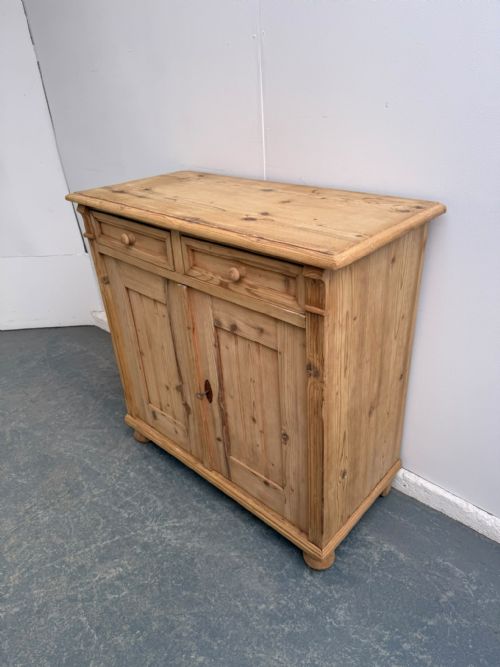
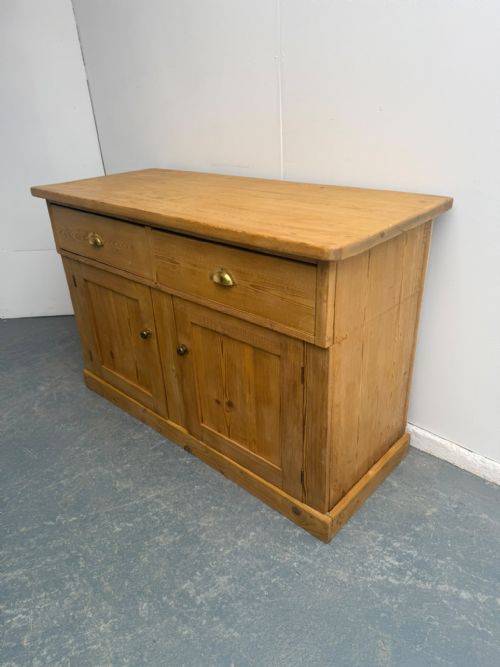
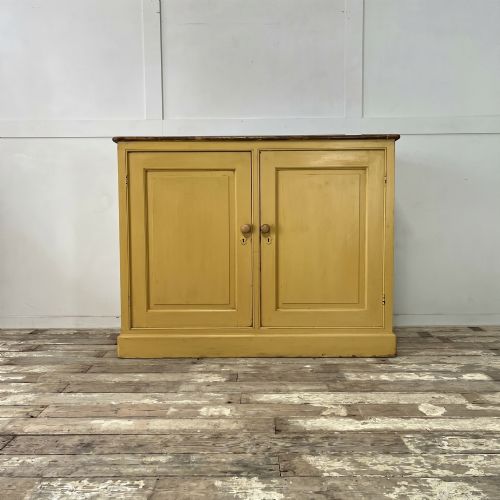
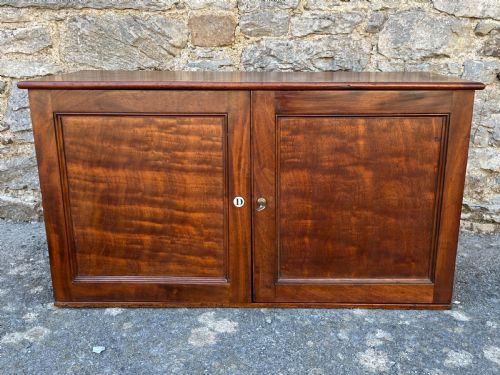
A victorian two door credenza brings architectural presence and rich timber grain to a room, offering practical storage disguised as elegance.
Victorian Two Door Credenza
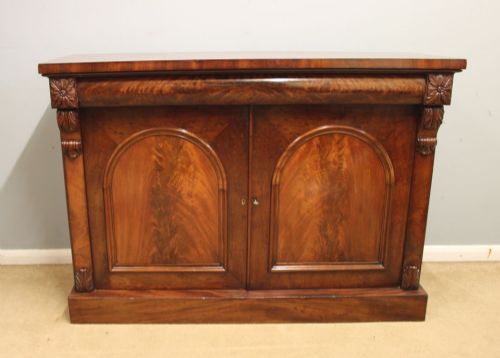
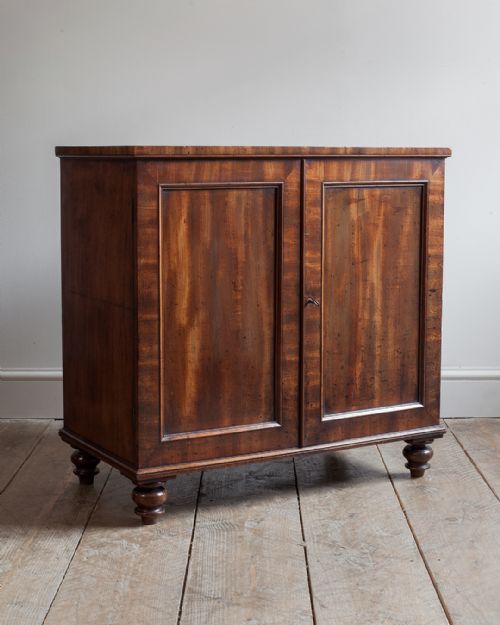
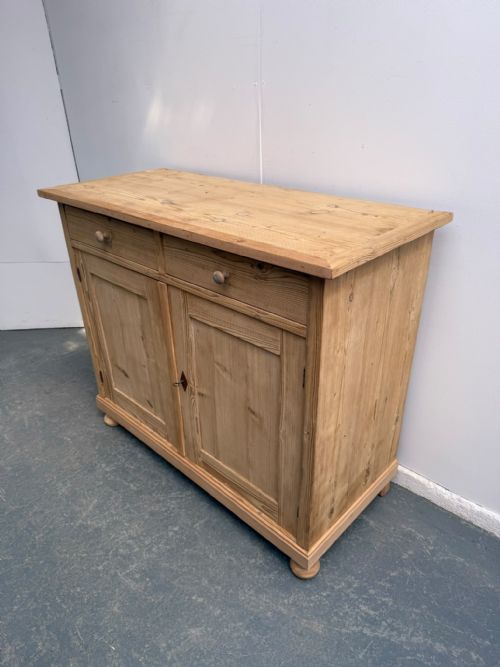
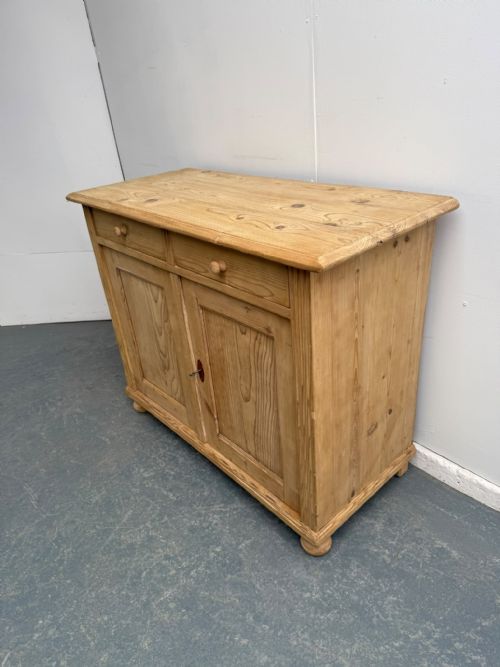
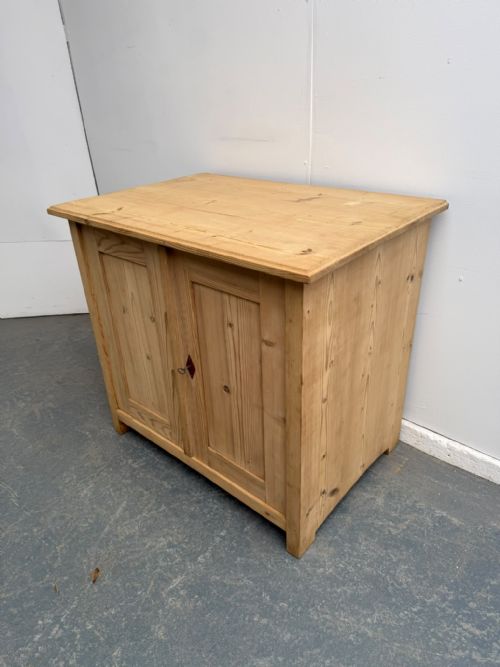
A victorian two door credenza encompasses a variety of substantial side cabinets, cupboards and chiffoniers designed for domestic storage and display. These pieces typically present a pair of central doors enclosing shelving, often flanked by glazed compartments, mirrors or open surfaces.
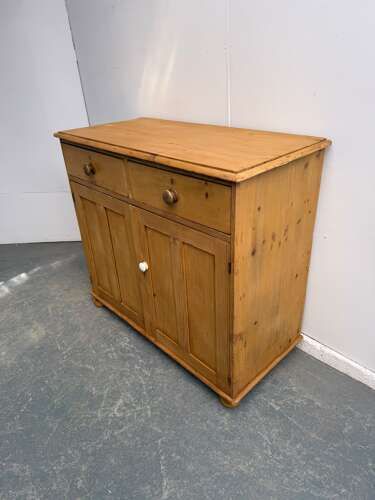
Most examples hail from the nineteenth century, ranging from simple pine dresser bases to highly decorative walnut and mahogany cabinets. Makers utilised domestic and exotic timbers to suit both formal reception rooms and rustic country settings.
Variations in regional style appear across the selection, including English mahogany craftsmanship, Welsh pine utility and continental painted finishes. Buyers encounter both austere utilitarian cupboards and elaborate pieces featuring marquetry inlay.
How they were made
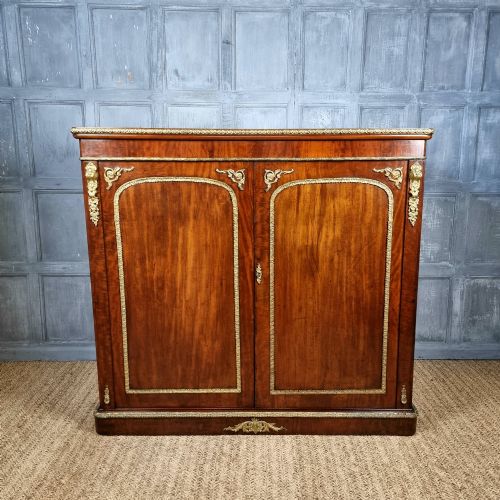
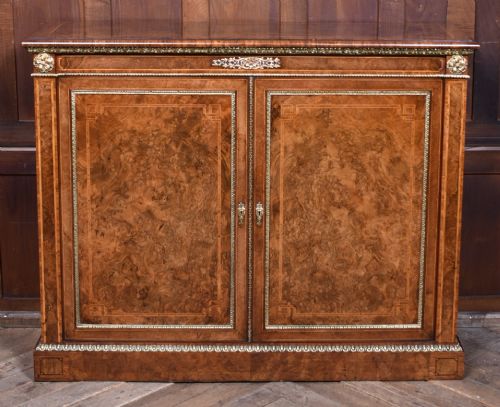
Cabinet makers built these pieces using solid timbers such as mahogany, walnut and pine, frequently applying figured veneers like burr walnut or flame mahogany to visible surfaces. Carved details, brass mounts and ormolu enrich the primary structure.
Joinery methods relied on traditional techniques to ensure stability across wide panels of timber, while glass panels and mirrored backs were integrated into glazed display cabinets to reflect light within the interior.
Listings feature items built from mahogany, walnut, pine, oak, satinwood, and olive wood, spanning the nineteenth century.
What varies in quality
The choice of timber significantly dictates the standard of the piece, moving from utilitarian pine used in school cupboards to highly figured walnut and satinwood selected for formal parlours. Expert matching of wood grain across double doors separates superior items from simpler work.
Refinement in secondary ornamentation, such as precision marquetry inlay, cast brass hardware and finely carved oak motifs, distinguishes workshop production from standard manufacturing. The integrity of the internal shelving and door alignment further indicates the skill of the original maker.
Gillows·Maple and Co
The Victorian Two Door Credenza Glossary
- Credenza
- A sideboard or cabinet originally used for displaying plates and dishes. In nineteenth-century rooms, it evolved into a low cabinet with enclosed storage.
- Marquetry
- Decorative patterns formed by inserting pieces of contrasting veneer into a wood foundation. This technique creates elaborate floral or geometric designs on cabinet doors.
- Ormolu
- Gilded bronze mounts applied to furniture for decoration. It provides metallic contrast against dark timbers like walnut and mahogany.
- Chiffonier
- A compact sideboard or low cupboard featuring shelves or a raised back. It gained popularity during the nineteenth century for dining and drawing rooms.
- Burr walnut
- Timber taken from a tree growth exhibiting swirling knot patterns. Cabinet makers prized it for its decorative veneer quality.
Victorian Two Door Credenza: Frequently Asked Questions
Where should I place a two door credenza?
These cabinets suit dining rooms, hallways or living spaces where surface display and enclosed storage are required. Their low profile allows paintings or mirrors to hang comfortably above them.
Ensure adequate floor space for the double doors to swing open fully without obstructing furniture or foot traffic.
How do I clean nineteenth century timber?
Dust the surfaces regularly with a dry, soft cloth to prevent particulate accumulation. Apply a quality beeswax periodically to nourish the wood grain.
Avoid commercial silicone sprays and excess moisture, which can damage antique French polish and veneers.
Are the internal shelves adjustable?
Most period cabinets feature fixed wooden shelving integral to the internal structure. Some larger cupboards allow for shelf height adjustment through traditional wooden bearer supports.
Check individual cabinet descriptions to confirm the configuration of internal compartments.
How do I distinguish walnut from mahogany?
Mahogany typically displays a straight, reddish-brown grain that darkens gracefully over time. Walnut presents a deeper brown hue with distinctive dark veining and irregular figuring.
Burr walnut offers even more complex swirling patterns created from tree growths.