

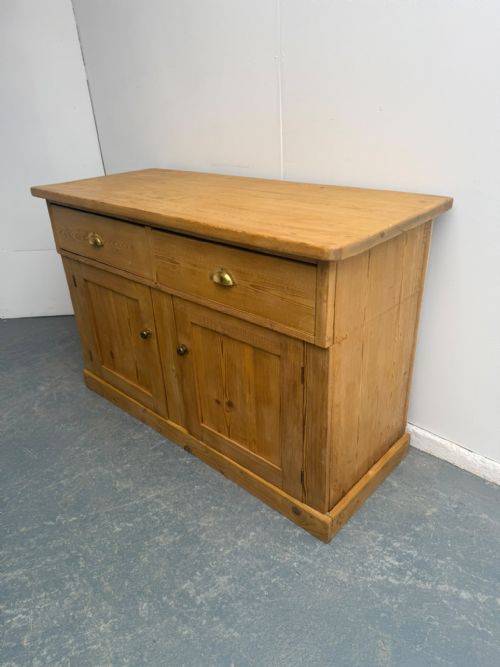
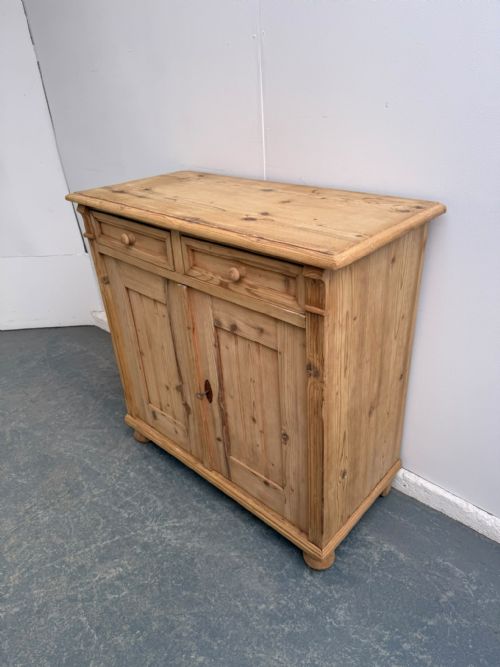


Victorian Two Door Buffet
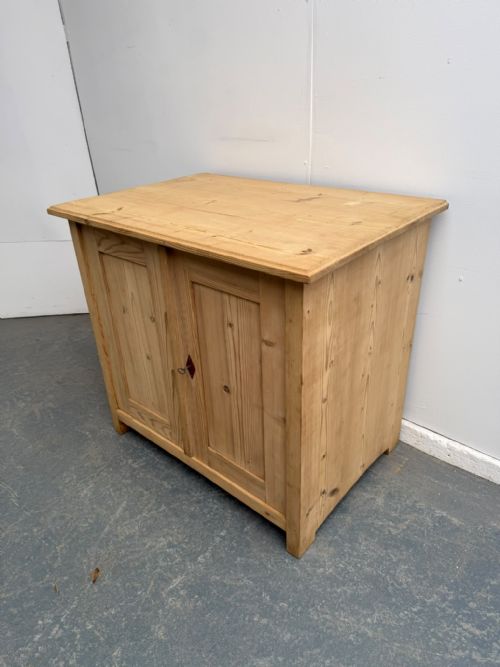
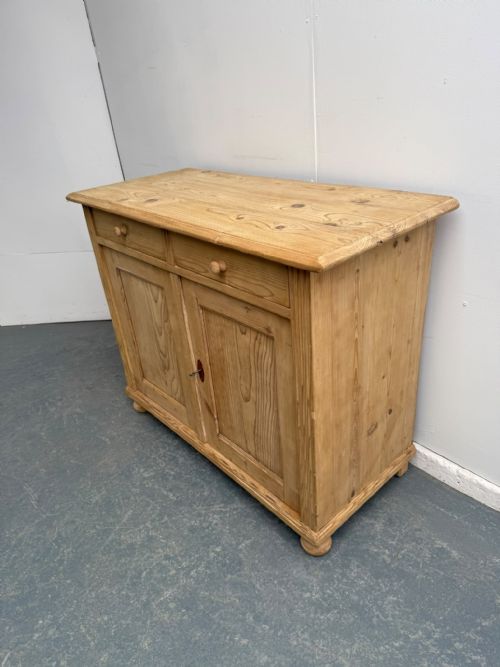
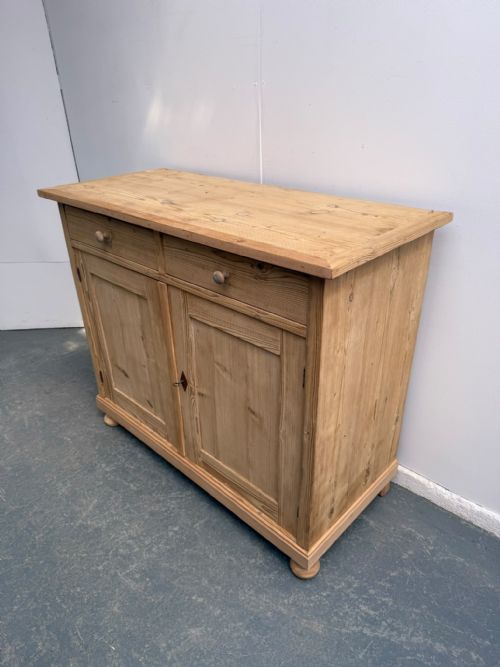
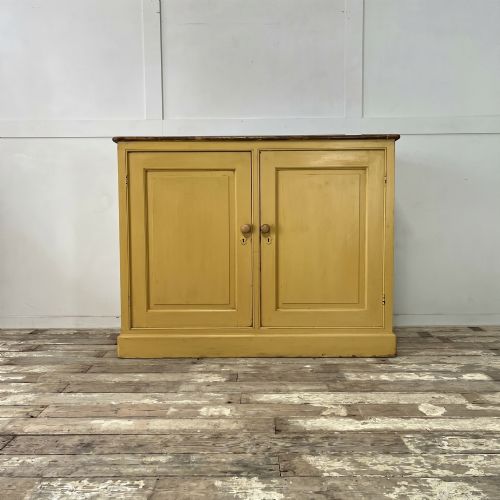
A victorian two door buffet provides practical storage with solid timber construction, offering a sturdy surface and enclosed shelving for everyday dining rooms.
Victorian Two Door Buffet
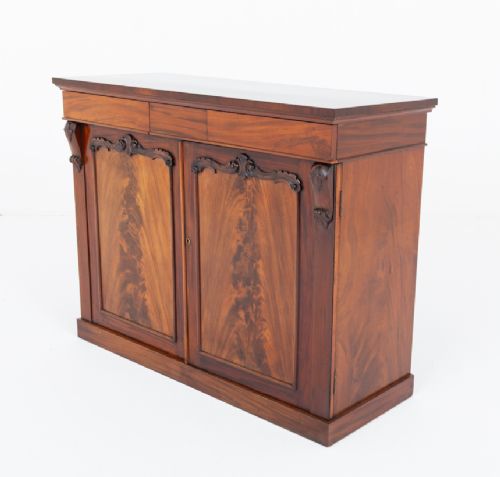
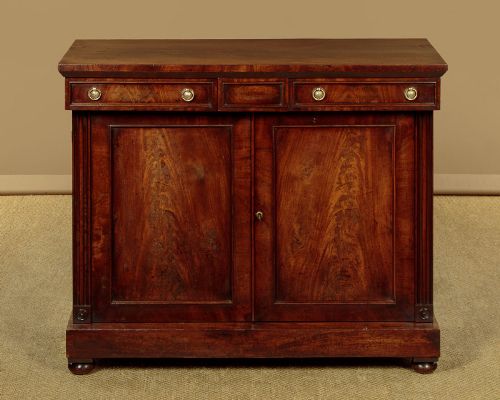
A victorian two door buffet encompasses robust storage furniture designed primarily for dining and living spaces, drawing on periods from the nineteenth century alongside earlier Regency and William IV influences. These pieces range from formal mahogany servers and chiffoniers to utilitarian pine dresser bases and school cupboards.
The selections available here lean heavily towards British and Irish country pine variants alongside rich mahogany and burr walnut formal cabinets. Buyers will encounter low storage cupboards, tall dresser bases, and mirror-backed serving sideboards suited to both period interiors and rustic farmhouses.
How They Were Made
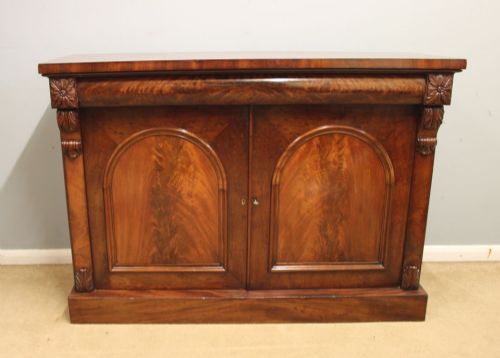
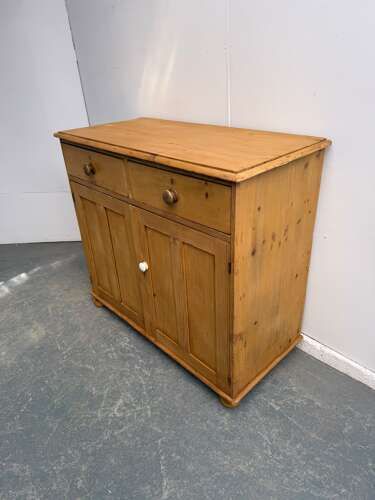
Cabinet makers utilised dense hardwoods such as mahogany and walnut, frequently applying fine veneers over secondary woods to achieve figured surfaces on formal chiffoniers. Pine served as the primary material for kitchen dresser bases and school cupboards, often left in a raw waxed state or prepared for painting.
Construction methods incorporated hand-cut dovetails for drawers and pegged mortise and tenon joints for frames. Iron and brass fittings, including drop handles and escutcheons, secured doors and drawers while decorative elements relied on hand carving, barley twist columns, and occasional Gothic motifs.
What Varies in Quality
The hierarchy of quality rests primarily on timber selection and the ambition of the original design. Fine workshop output displays carefully matched flame mahogany or burr walnut veneers, while vernacular pieces rely on the honest utility of solid pine planks.
Proportion and carving depth further separate standard utility furniture from high-end cabinet work. Pieces bearing documented maker stamps or sophisticated architectural details demonstrate superior craftsmanship compared to plain regional workshop builds.
Maple and Co·James Shoolbred and Co
The Victorian Two Door Buffet Glossary
- Chiffonier
- A low sideboard or cabinet featuring enclosed shelving behind two doors, often surmounted by a raised back or mirror. These pieces became popular dining room additions during the nineteenth century.
- Dresser Base
- A heavy wooden storage unit incorporating cupboards beneath drawers, designed for kitchen or pantry use. Many examples in the evidence retain their original waxed pine surfaces.
- Burr Walnut
- A highly prized wood timber taken from the wart or burl of the walnut tree, showing swirling knot patterns. Cabinet makers utilised veneer slices of this timber on decorative William IV and Victorian side cabinets.
- Barley Twist
- A turned column or leg carved in a spiral shape resembling twisted barley sugar. This decorative technique appears frequently on nineteenth-century serving sideboards and chiffoniers.
- Mahogany Veneer
- A thin layer of figured hardwood bonded over a secondary timber substrate such as pine or oak. This method allowed craftsmen to display rich grain patterns across large cupboard doors without exhausting scarce solid lumber.
Victorian Two Door Buffet: Frequently Asked Questions
What is a victorian two door buffet used for?
These cabinets serve as practical storage furniture for dining rooms, hallways, and living spaces, providing a flat top surface for serving food or displaying items.
The enclosed lower cupboards keep tableware, linens, and household goods neatly out of sight behind sturdy timber doors.
How do I care for a waxed pine buffet?
Maintain waxed pine surfaces by regularly applying a quality beeswax and buffing with a soft cloth to protect the timber from moisture and drying out.
Avoid placing these pieces in direct sunlight or near heat sources to prevent the pine planks from warping or splitting over time.
What distinguishes mahogany from pine models?
Mahogany models were formal dining room furniture built for prosperous households, often featuring fine veneers, polished surfaces, and elaborate turnings like barley twists.
Pine versions originated in country kitchens, schools, and utility rooms, prioritising straightforward storage utility over decorative refinement.
Can I paint a stripped pine cupboard?
Many pine dresser bases and storage cupboards arrive prepared for waxing or painting, making them adaptable to contemporary interior colour schemes.
Applying a breathable primer and eggshell paint finish adheres well to nineteenth-century softwood surfaces while retaining the traditional character.