

Victorian Turn Table
These Victorian turn table examples and related nineteenth-century fixtures offer solid timbers and mechanical ingenuity for everyday functional use in domestic spaces.
Victorian Turn Table
A victorian turn table search reveals a diverse selection of nineteenth-century furniture ranging from large extending dining tables to compact occasional tripod pieces and writing desks. The primary period represented is the Victorian era, spanning from the mid-nineteenth century through to the dawn of the twentieth century.
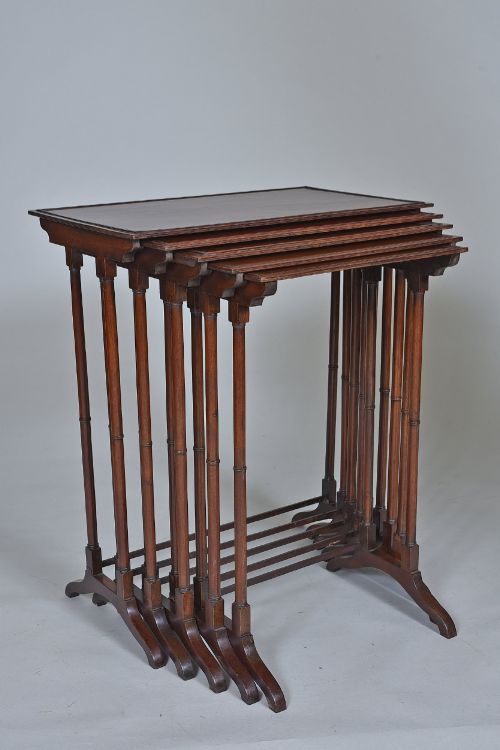
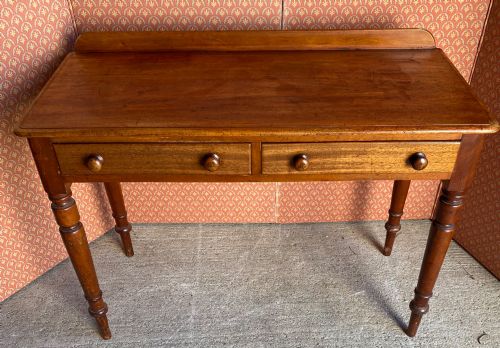
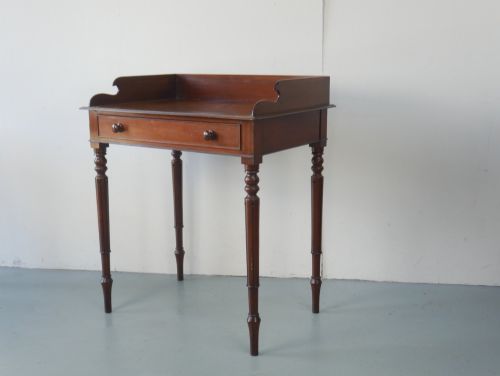
Buyers will frequently encounter occasional tables, writing tables, and extending dining tables fitted with winding mechanisms alongside side tables and console tables. Materials span native and imported timbers, showcasing the varied domestic requirements of the period.
How they were made
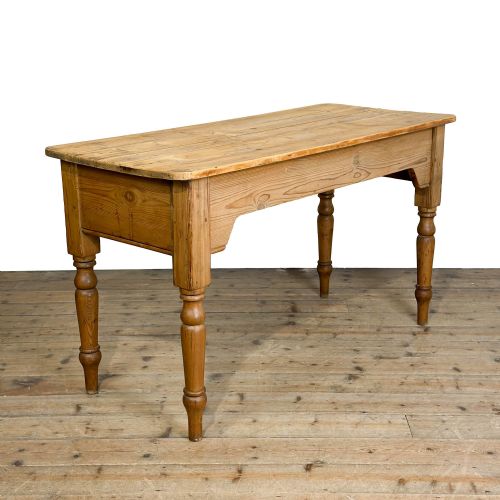
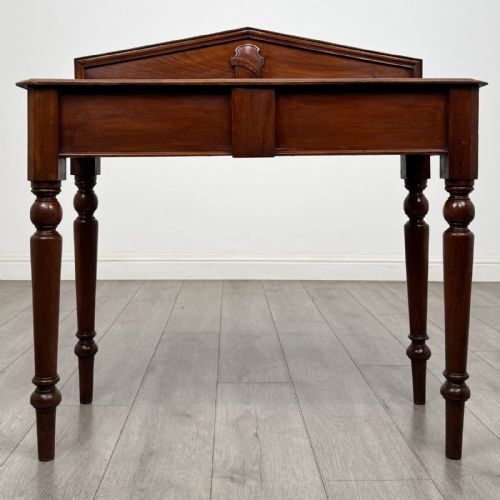
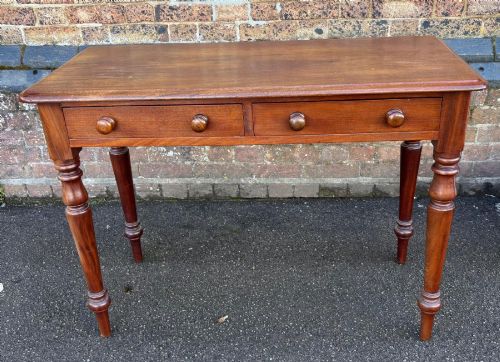
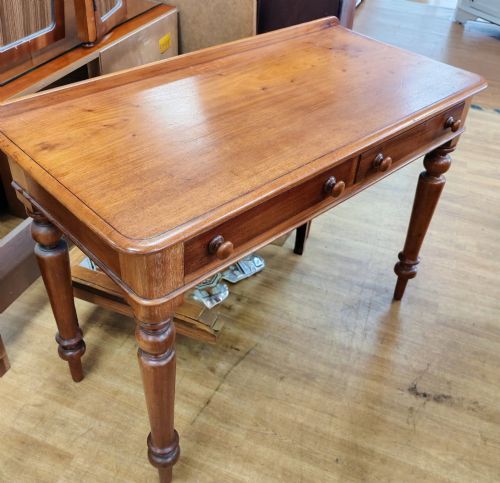
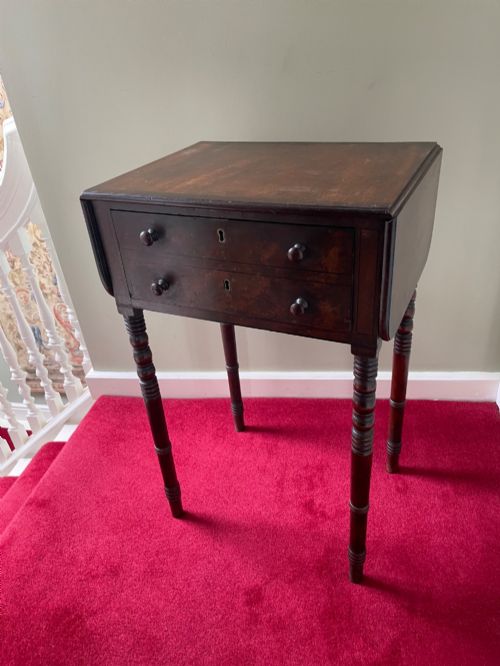
Construction relies heavily on timbers such as mahogany, oak, walnut, burr walnut, and pine, paired with brass fittings and leather inserts where appropriate. Cabinet makers utilised traditional joinery techniques, turning lathes for legs, and internal metal winding mechanisms for extending dining tables.
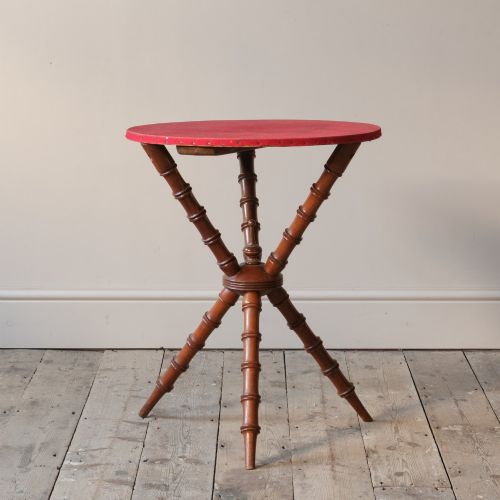
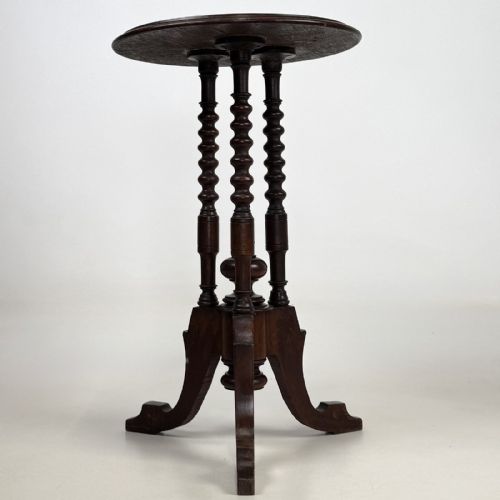
Surface finishes include marquetry inlay, polished wood veneers, and carved details on tripod bases and stretchers. Materials were selected for durability and figure, ensuring both structural stability and decorative appeal.
Victorian Turn Table Retail Price Guide 2026
Typical asking prices for victorian turn table among the pieces listed under this phrase on Sellingantiques today, from the lower quarter to the upper quarter. They describe what is for sale here now, not the wider market.
Materials documented across the inventory include mahogany, brass, oak, leather, walnut, burr walnut, pine, and iron.
What varies in quality
Quality differences emerge in the selection of figured timber veneers, such as burr walnut and mahogany, and the precision of decorative marquetry inlay. Superior examples display finer hand-carved details, robust extending mechanisms, and balanced proportions.
The sophistication of the turning work on legs, stretchers, and bobbin details further distinguishes standard utility items from finer parlour and drawing-room furniture.
Druce and Co
The Victorian Turn Table Glossary
- Mahogany
- A durable tropical hardwood prized for its rich reddish-brown colour and fine grain, frequently utilised in high-status nineteenth-century dining and writing tables.
- Burr walnut
- A distinctive wood veneer taken from the warted growth on a walnut tree, yielding complex, swirling grain patterns popular on Victorian lamp and occasional tables.
- Winding mechanism
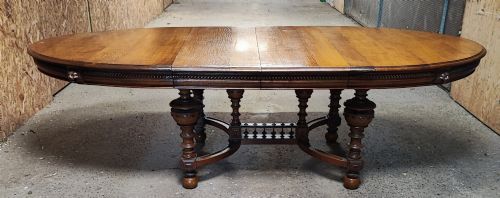
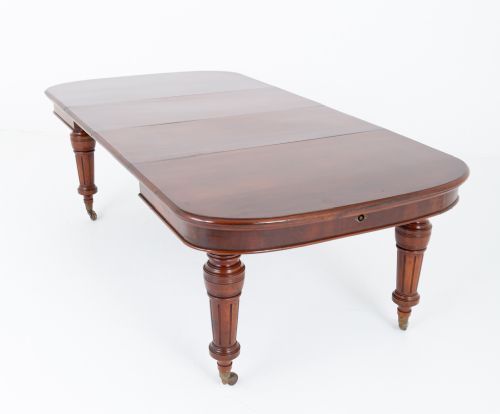
- An internal metal gear system operated by a handle, designed to expand extending dining tables smoothly when insertion leaves are added.
- Marquetry
- The art of applying decorative pieces of veneer to a structure to form intricate pictorial designs, often seen on Victorian centre tables.
- Tripod base
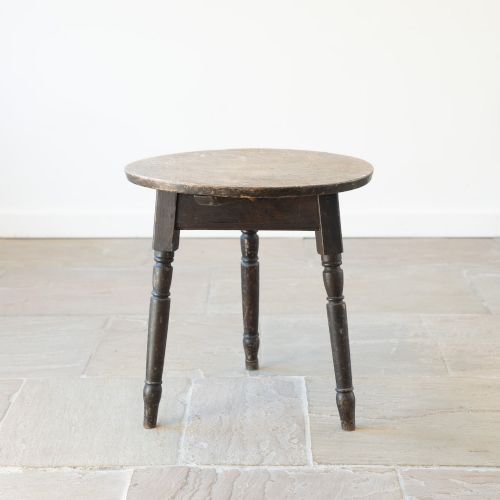
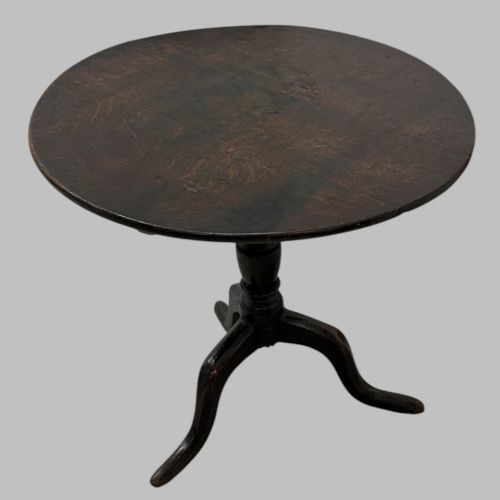
- A three-legged support structure commonly found beneath nineteenth-century tilt-top wine tables and occasional lamp tables.
Victorian Turn Table: Frequently Asked Questions
How do extending dining tables operate?
These tables utilise an internal metal winding mechanism that separates the top when a crank handle is turned.
Additional leaves can then be dropped into the centre slot to increase seating capacity for dining.
What woods are most common?
Mahogany and oak appear most frequently across the listed selection, providing sturdy frames for desks and dining furniture.
Walnut and burr walnut are also common on decorative occasional and lamp tables.
How do I identify a Victorian piece?
Dating relies on stylistic clues such as turned legs, stretcher bases, and specific timber choices typical of the nineteenth century.
Construction methods like hand-cut joints and mechanical additions provide further chronological context.
Where were these tables used?
Smaller occasional and lamp tables sat in parlours and drawing rooms for displaying ornaments or holding books.
Larger writing desks and extending tables served studies, libraries, and formal dining rooms.