

Victorian Treen
Victorian treen brings together small household wooden objects shaped by the lathe and the hand, spanning kitchenalia, snuff boxes, and pocket novelties.
Victorian Treen
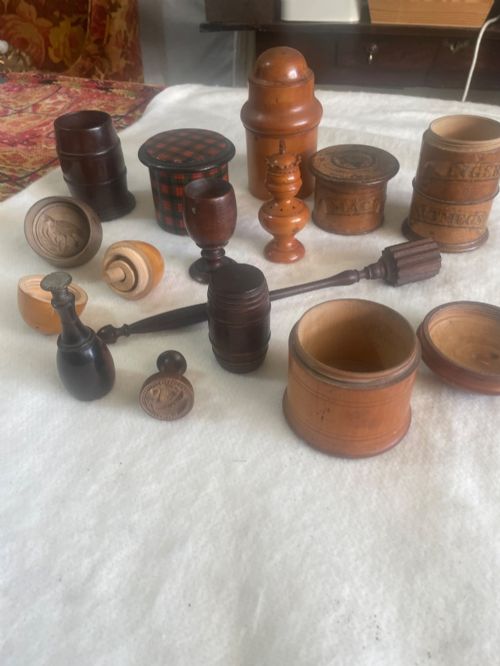
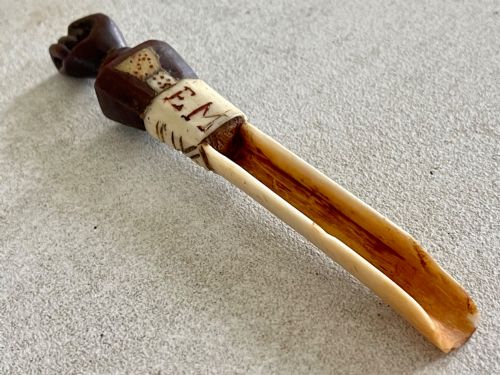
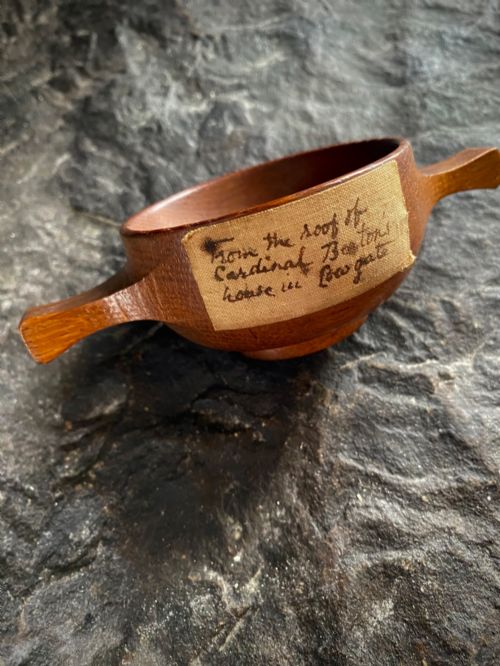
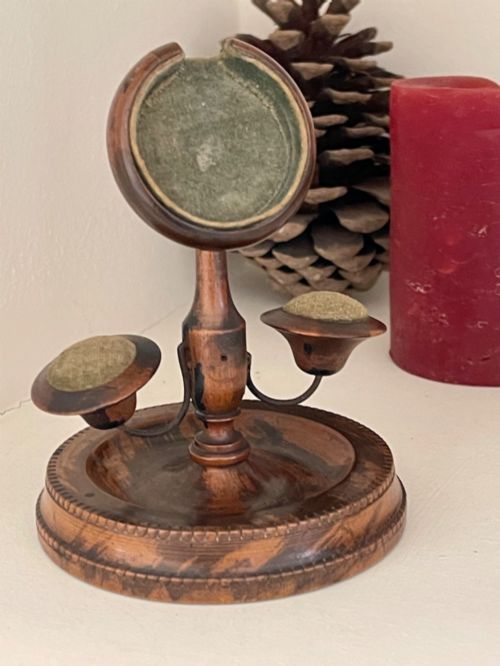
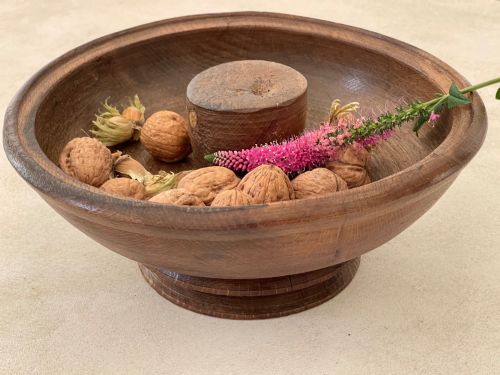
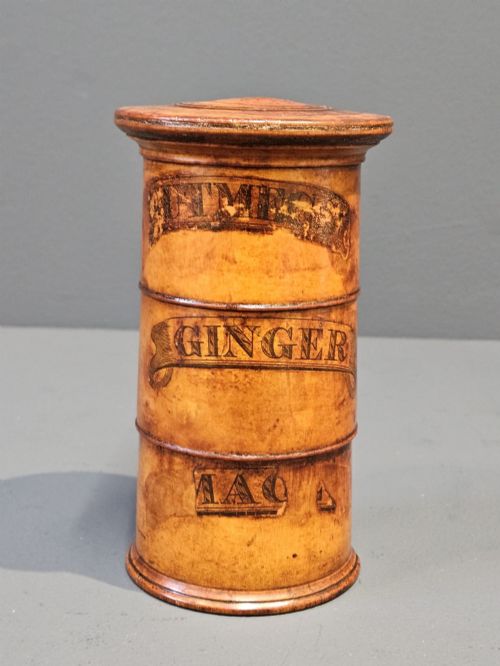
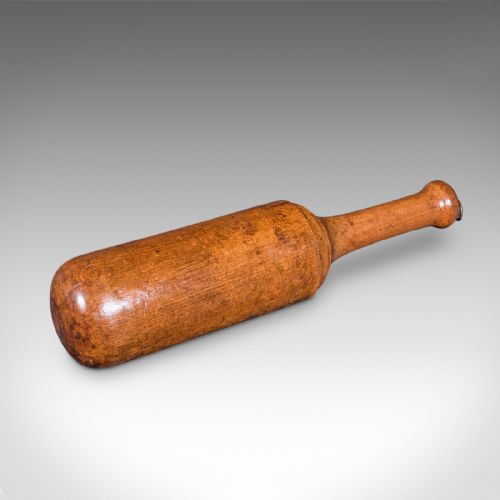
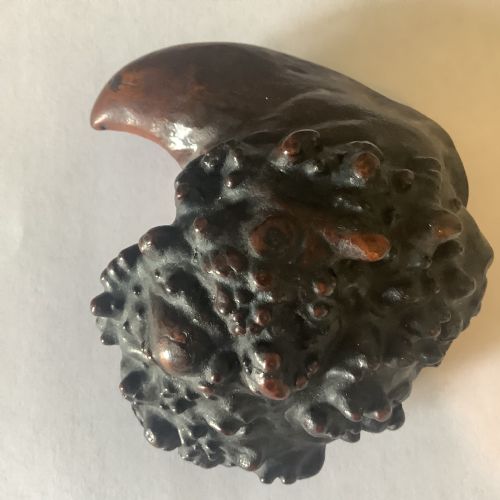
Victorian treen encompasses functional domestic woodwork produced during the nineteenth century, ranging from utilitarian kitchen items like dairy bowls and spice towers to pocket items such as snuff boxes and knitting sheaths. Buyers seeking these pieces encounter turned wood vessels, carved nutcrackers, and small containers that served everyday domestic, medicinal, and social purposes in homes and workshops.
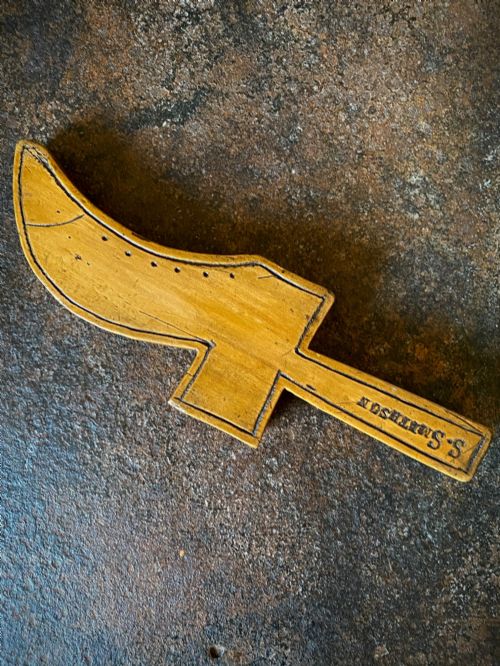
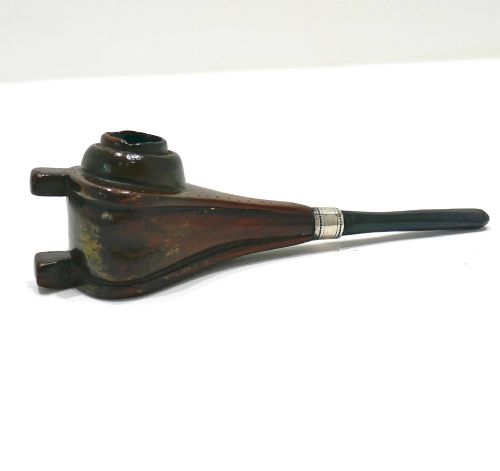
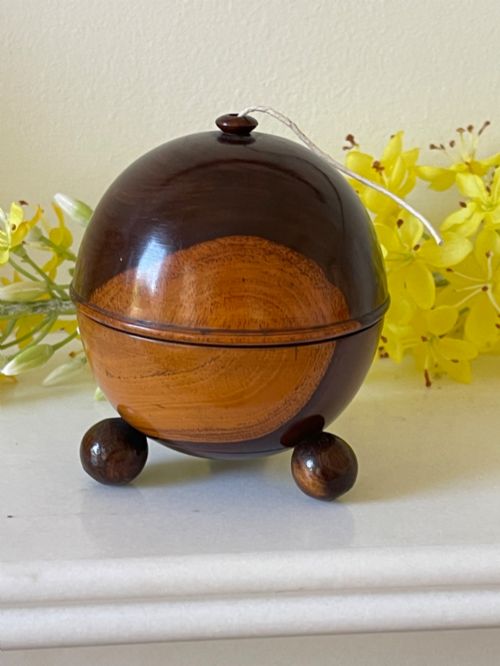
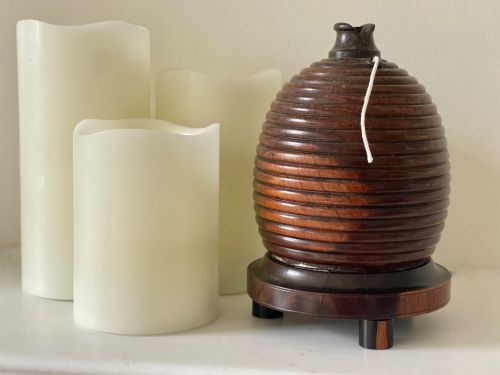
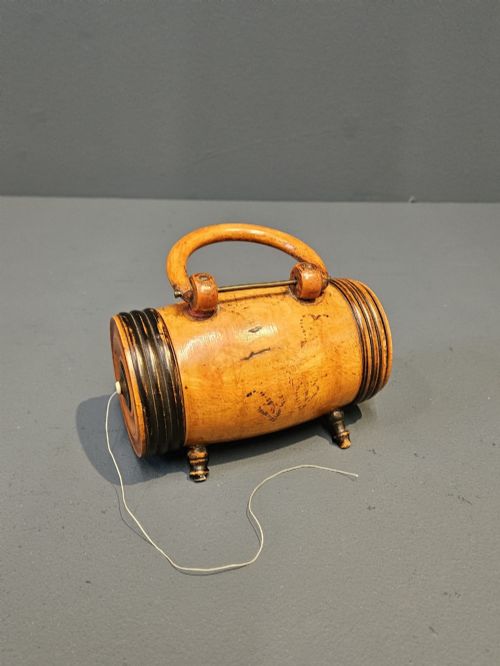
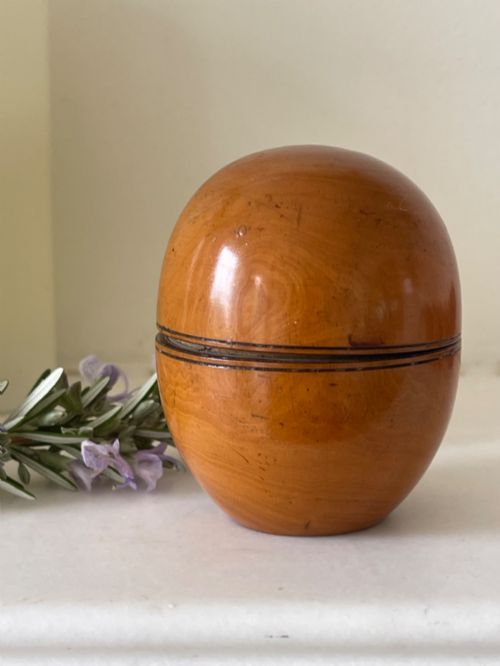
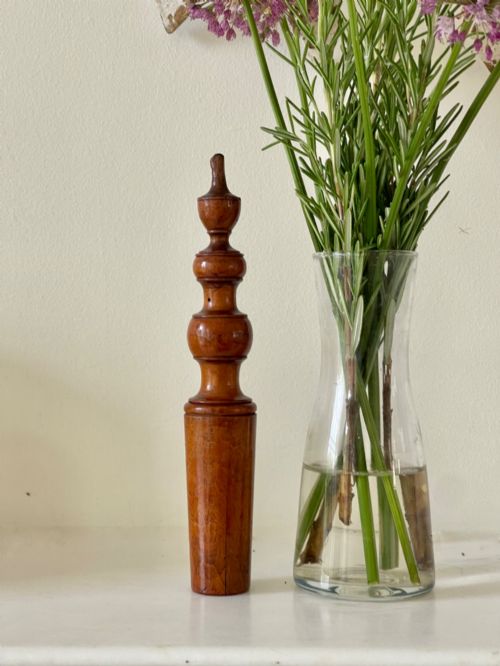
The objects on this page lean heavily towards turned fruitwood and boxwood forms, including string boxes, pill rounders, and snuff containers shaped like shoes or books. Folk art pieces with chip carving and inlaid bone details frequently appear alongside robust kitchenalia and turned candlestands.
Materials and construction methods
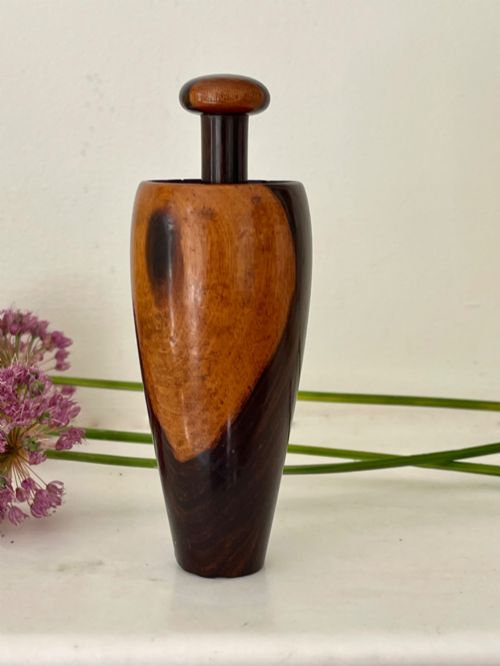
Makers utilised dense hardwoods such as fruitwood, boxwood, walnut, sycamore, and lignum vitae, selected for their stability under the lathe and resistance to splitting during daily use. Turned elements rely on foot-powered or belt-driven lathes to achieve cylindrical symmetry in items like spill vases, string barrels, and apothecary rounders.
Hand carving and inlay techniques define the decorative surfaces, with artisans employing bone, horn, and contrasting timber veneers to create hearts, diamonds, and geometric patterns. Joinery remains simple, often depending on turned screw threads in spice towers or tight friction fits in treen containers and pipe forms.
Victorian Treen Retail Price Guide 2026
Typical asking prices for victorian treen among the pieces listed under this phrase on Sellingantiques today, from the lower quarter to the upper quarter. They describe what is for sale here now, not the wider market.
Distinctions in quality
Quality rests upon the crispness of the turning and the retention of original surface patination, where handling and wax polishing over generations produce a deep, warm gloss on the timber. Superior pieces exhibit precise proportions, intact threaded components, and deliberate decorative choices such as chip carving or bone inlay.
The distinction between standard utility items and finer examples lies in the ambition of the form, such as novelty shapes representing animals, shoes, or fruit, executed with confident tool control rather than hurried production.
The Victorian Treen Glossary
- Treen
- Small handmade wooden domestic objects. The term derives from the old English word for tree.
- Snuff box
- A small lidded container for holding powdered tobacco. These items often feature sliding lids, bone inlay, or novelty shoe shapes.
- Knitting sheath
- A wooden pocket device tucked into a belt or apron string to hold a single knitting needle steady. Regional variations include Durham and Scottish patterns.
- Spice tower
- A tiered cylindrical turned container used to store culinary powders. Sections typically screw together on matching wooden threads.
- Lignum vitae
- A dense, heavy tropical hardwood used for turned vessels and stem vases. Its natural oils give the wood a self-lubricating quality and deep brown tone.
Victorian Treen: Frequently Asked Questions
What is Victorian treen?
Victorian treen comprises small, useful wooden objects made during the nineteenth century for domestic, professional, and personal use.
These range from kitchen bowls and spice towers to pocket snuff boxes and knitting sheaths.
How were these wooden items used?
People used them for food preparation, storing spices, dispensing string, holding snuff, and carrying out domestic crafts like knitting.
Many objects doubled as personal tokens, gift items, or novelty conversation pieces.
What woods appear most often?
Makers selected dense hardwoods that tolerated fine turning and constant handling without splintering too easily.
Fruitwood, boxwood, sycamore, walnut, and lignum vitae appear frequently across the surviving pieces.
How do I care for wooden treen?
Keep wooden pieces away from direct heat sources and sudden humidity changes to prevent the timber from warping or cracking.
An occasional application of microcrystalline wax helps maintain the surface finish without attracting dust.