




Victorian Treen Folk Art
Victorian treen folk art brings together domestic utility and carved imagination, offering tangible links to nineteenth-century rural life that collectors prize.
Victorian Treen Folk Art
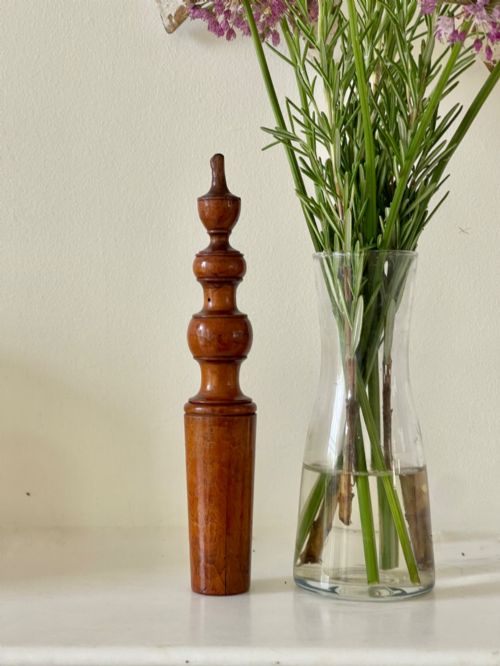
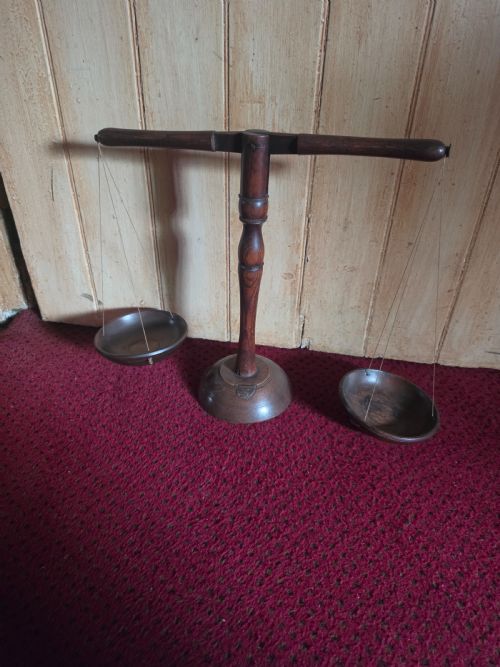
Victorian treen folk art encompasses hand-carved wooden objects made for everyday use, sentimental tokens, and domestic pastimes. These pieces reflect the resourcefulness and creative skill of makers working in rural communities across Britain and Europe during the nineteenth century. Common forms range from utilitarian kitchenalia to intricate love tokens.
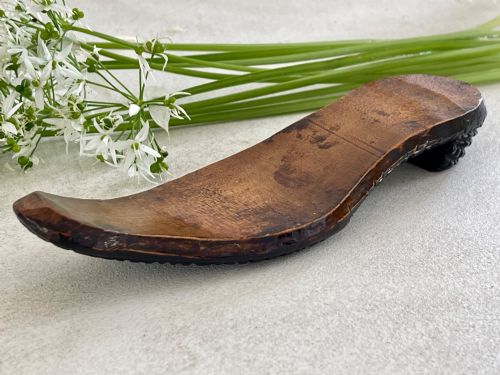
The objects most frequently encountered in this category include carved snuff boxes, knitting sheaths, and love spoons. Many of these survivals display regional characteristics, such as Welsh chip carving or Cumbrian punchwork decoration. They bridge the gap between practical household implements and personal works of art.
Materials and construction
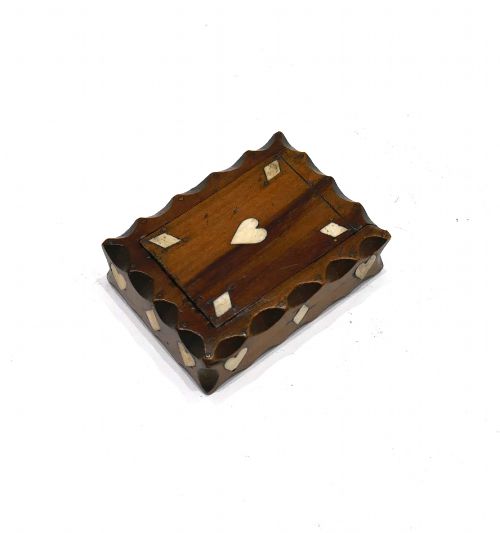
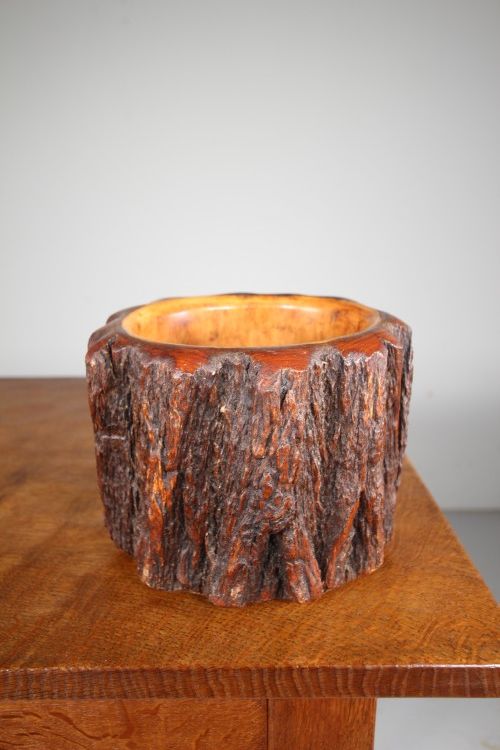
Makers selected dense hardwoods such as fruitwood, sycamore, and yew to withstand daily handling while allowing for fine detail work. These timbers were shaped using hand tools like gouges and knives, often leaving visible tool marks across the surface. Carvers frequently integrated contrasting materials, inlaying bone hearts and diamond shapes into box lids.
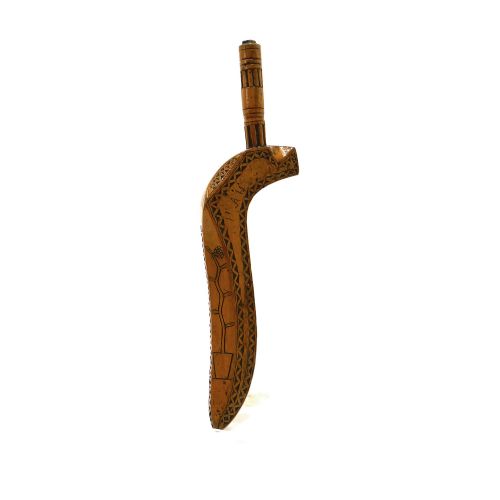
Surface decoration relied on traditional techniques including chip carving, punchwork, and incised detailing. Artisans embellished functional items like knitting sheaths and butter prints with motifs of acorns, wheat, and geometric patterns. Metal components such as hinges and glass eyes appear occasionally to complete mechanical or figurative designs.
Assessing quality in carved treen
Quality rests in the crispness of the carving and the depth of surface patination built up through decades of handling. Superior examples display confident, fluent tool work rather than hesitant execution, particularly in figurative subjects like hands, feet, or animal forms. The integration of decorative inlays such as bone or contrasting woods further elevates a piece.
Proportion and original condition dictate the standing of an item within the field. Pieces retaining their original surface finish without excessive cleaning or modern intervention command greater interest. The balance between utilitarian function and decorative ambition marks out the more accomplished objects.
The Victorian Treen Folk Art Glossary
- Treen
- Small handmade wooden objects for domestic use. The word derives from the Middle English word for tree.
- Knitting sheath
- A domestic device tucked into a belt or apron to hold a knitting needle steady. They were often carved as courting gifts.
- Love spoon
- A wooden spoon carved as a token of affection or engagement. Welsh examples frequently feature intricate chip carving and interlinked hearts.
- Snuff box
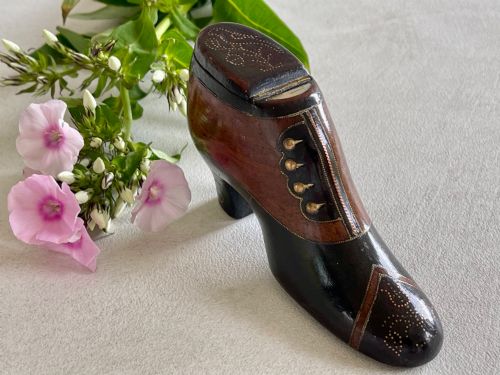
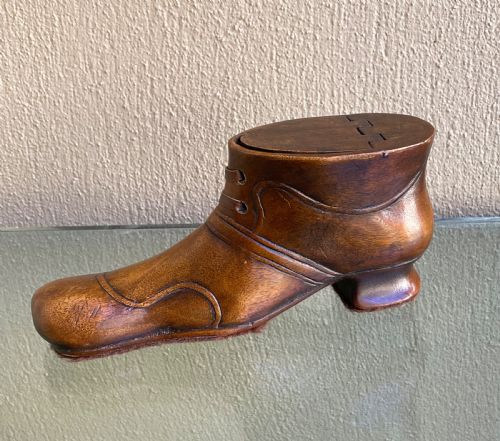
- A small container for holding powdered tobacco. Victorian examples often took whimsical shapes including shoes, books, and hands.
- Butter print
- A carved wooden stamp used to impress decorative motifs onto pats of butter. Common designs include wheat ears and acorns.
- Chip carving
- A technique of removing small chips from a wooden surface to create geometric patterns. This method relies entirely on knife work.
Victorian Treen Folk Art: Frequently Asked Questions
What is treen folk art?
Treen folk art consists of handmade wooden objects created for household use or personal adornment by rural craftspeople. These items combine practical function with vernacular decoration.
Collectors value them for their direct connection to nineteenth-century domestic life and traditional woodworking skills.
How were knitting sheaths used?
Knitting sheaths supported the practitioner by holding one needle stationary while the hands manipulated the yarn. They were tucked securely into waistbands or aprons during work.
Many surviving examples were carved by suitors as affectionate gifts for female knitters.
How can I tell a love spoon's origin?
Origin is often indicated by distinct regional carving styles, such as Welsh chip carving patterns. Inscriptions, dates, and initials also provide direct clues to provenance.
Makers frequently incorporated traditional local motifs like hearts and geometric borders into these tokens.
Why are snuff boxes shaped like shoes?
Shoe-shaped snuff boxes were popular novelties in the eighteenth and nineteenth centuries, often serving as betrothal gifts. The shoe form carried symbolic romantic meanings related to journeys and stability.
Carvers decorated them with sliding lids, double openings, and bone inlay.