
Victorian Travelling Case
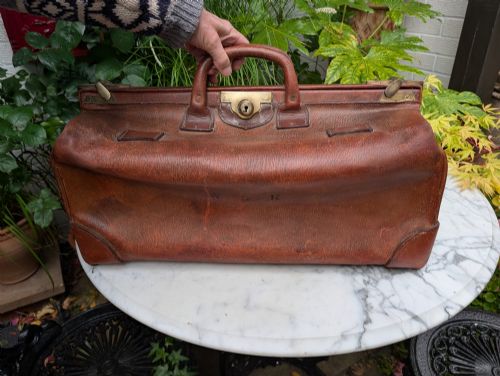
A victorian travelling case is a portable receptacle designed to transport personal gear, instruments, and comforts securely across nineteenth-century roads and railways.
Victorian Travelling Case
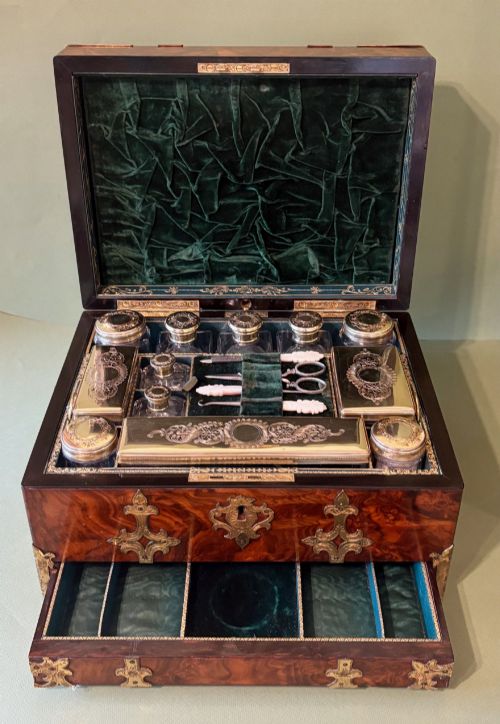
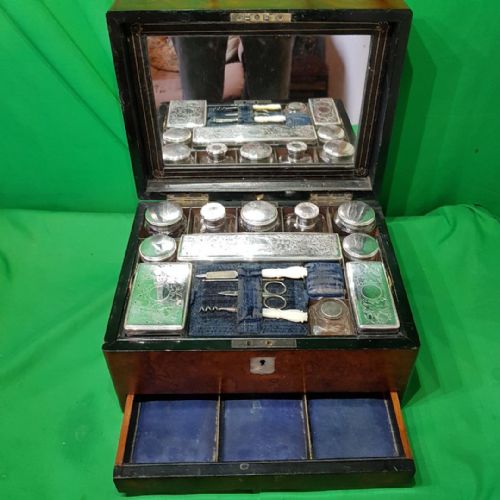
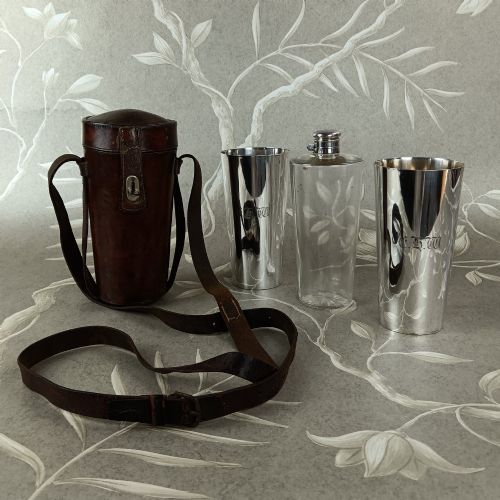
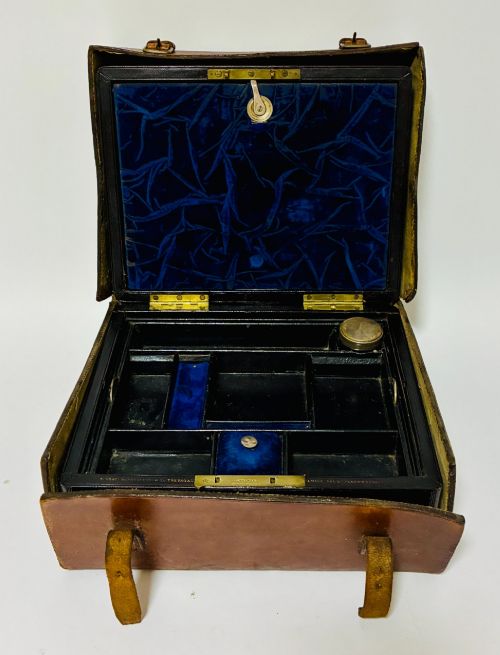
A victorian travelling case encompasses a wide variety of portable forms, ranging from gentleman's vanity boxes and ladies dressing sets to robust hat boxes, trunks, and spirit flasks. Many examples hail directly from the Victorian era and the broader nineteenth century, frequently incorporating fitted interiors for specific daily commodities.
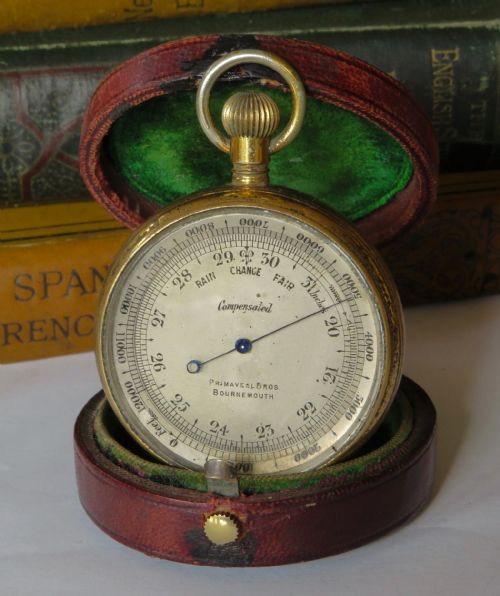
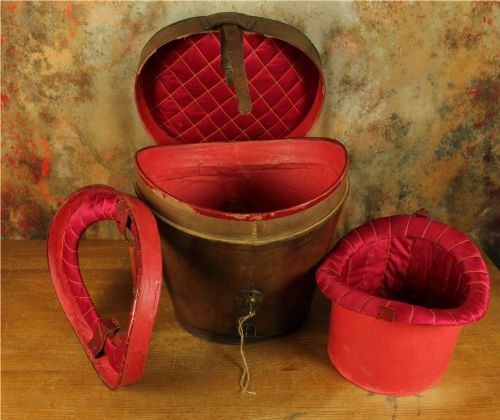
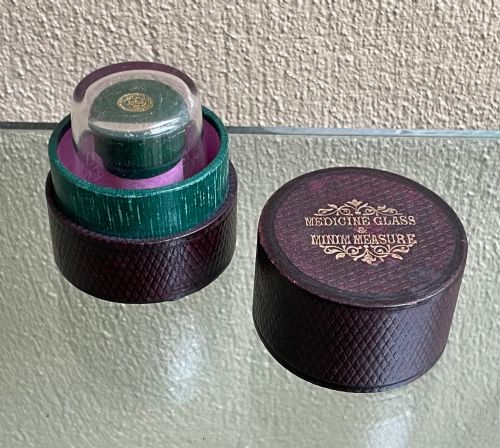
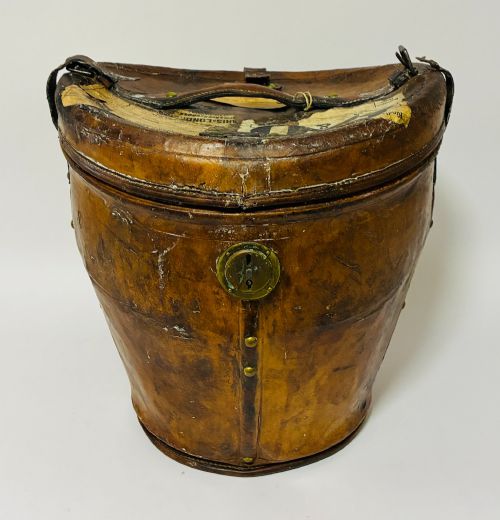
Beyond vanity and grooming sets, the inventory spans specialised functional items like apothecary cases, medicine glasses, compasses, and top hat cases. These utilitarian objects demonstrate the diverse ways Victorian travellers organised their possessions for transit across domestic and international routes.
How They Were Made
Cabinetmakers constructed the structural foundations of these cases using robust timbers such as mahogany, walnut, and coromandel, often lining the exteriors with durable leather or incorporating brass reinforcements for military campaign transport. Interiors utilised velvet, silk, and fitted partitions to cushion fragile contents like glass perfume bottles, silver-plated beakers, and timepieces.
Metalworking played a central role in the hardware and instrumentation, utilising brass for hinges, locks, and carriage clock frames, alongside silver and silver plate for fitted accessories. Enamel panels, gilt engraving, and glass-cutting techniques further embellished the functional components contained within the leather or wooden outer shells.
The listings feature diverse materials including brass, coromandel, burr walnut, tortoiseshell, mother-of-pearl, and glass.
What Varies In Quality
Quality in these pieces rests upon the integrity of the fitted interior and the completeness of its original contents, such as matching perfume bottles, shaving implements, or specialised flasks. Superior examples retain their original leather outer travel boxes and key hardware, showing cohesive craftsmanship across every internal compartment.
The selection of cabinet timbers and the refinement of metalwork also dictate the tier of an object, with dense coromandel and burr walnut framing hand-engraved brass movements and solid silver fittings. Finer pieces demonstrate seamless mechanical integration, from working clock escapements to precisely engineered folding cutlery and spirit sets.
Henri Jacot·James Dixon And Sons·Lincoln Bennett·Pickford Of London·Drocourt Paris·Antoine Redier·Margaine·Jane Brownett Alexander Jones·F West·Mappin Brothers
The Victorian Travelling Case Glossary
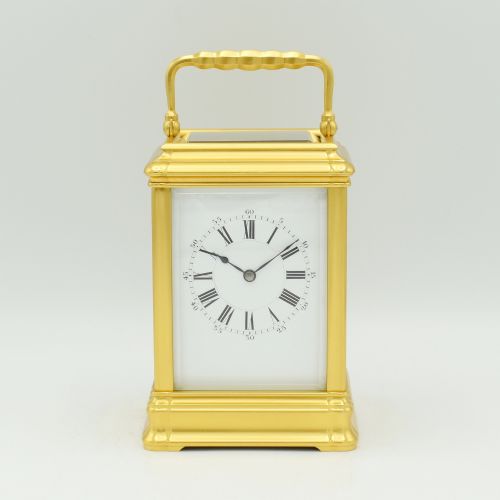
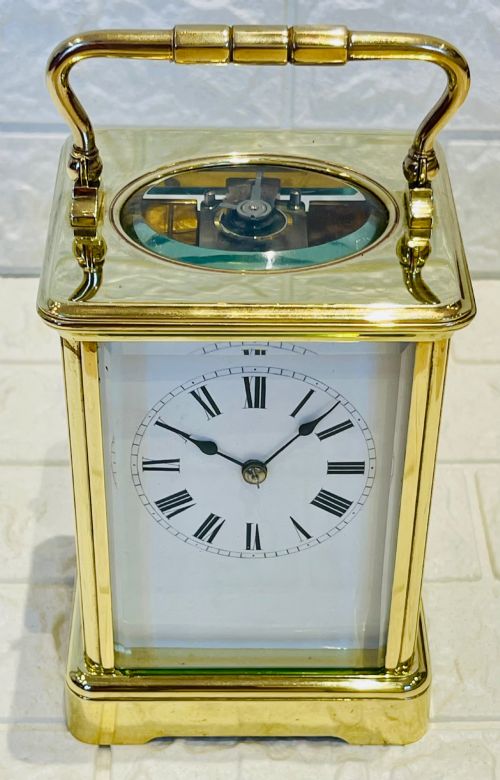
- Carriage clock
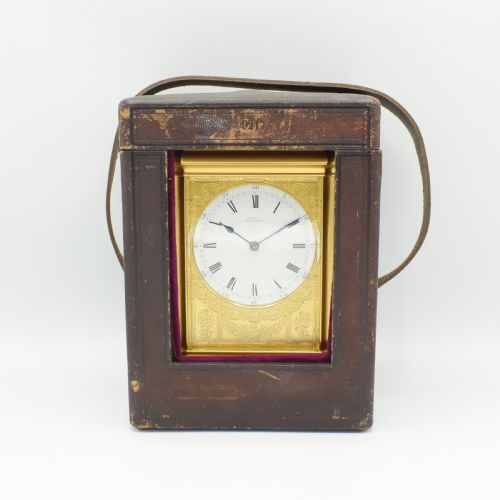
- A small, spring-driven clock designed for travel, typically housed in a brass and glass case with a carrying handle.
- Campaign chest
- A modular piece of furniture or transport case built in sections with recessed brass hardware for military transport.
- Dressing case
- A fitted box containing compartments and glass bottles for cosmetics, grooming tools, and personal care items.
- Coromandel
- A dense, dark exotic timber with contrasting light stripes, highly prized for luxury nineteenth-century vanity boxes.
Victorian Travelling Case: Frequently Asked Questions
What fits inside a victorian travelling case?
These cases were custom-fitted to hold specific personal items, ranging from glass perfume bottles and writing materials to grooming tools, cutlery, and medicine glasses. Many included modular trays and velvet-lined compartments to secure delicate items during transit.
Larger trunk-style versions accommodated top hats, spirits, or complete wardrobe changes, while smaller formats protected specialised instruments like barometers, compasses, and carriage clocks.
How do I maintain the leather exterior?
Leather-covered cases benefit from gentle cleaning and occasional conditioning to prevent the hide from drying out and cracking over time. Keeping them away from direct sunlight and excessive humidity preserves both the outer leather and the delicate interior fabrics.
Original brass hardware and locks should be cleaned with care, avoiding abrasive polishes that might damage the surrounding surfaces or engraved details.
Were these cases meant for daily use?
Victorian travellers utilised these durable containers for journeys by train, carriage, and ship, ensuring their personal comforts remained organised on the move. Gentlemen and ladies relied on them to transport grooming gear, writing desks, and timekeeping devices between residences.
While originally built for the rigorous demands of nineteenth-century transit, today they serve primarily as decorative storage and display pieces within the home.
How are carriage clock travel cases identified?
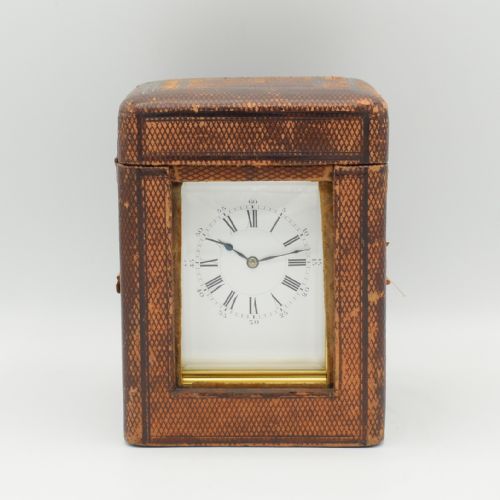
Carriage clock travel cases are typically heavy leather outer shells moulded precisely to the contours of the brass and glass clock within, often featuring a cutout for the handle. They protect the delicate escapement mechanism during movement.
Many of these protective outer containers retain their original fastening straps and velvet linings, matching the period of the clock itself.