

Victorian Tilt Top
These Victorian tilt top tables are practical furniture with clever mechanisms that let the surface pivot upright when not in use.
Victorian Tilt Top
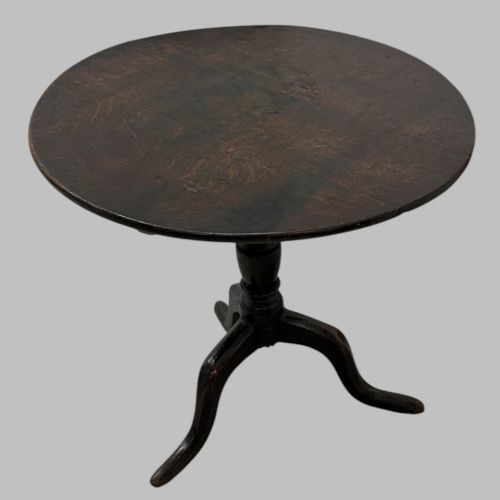
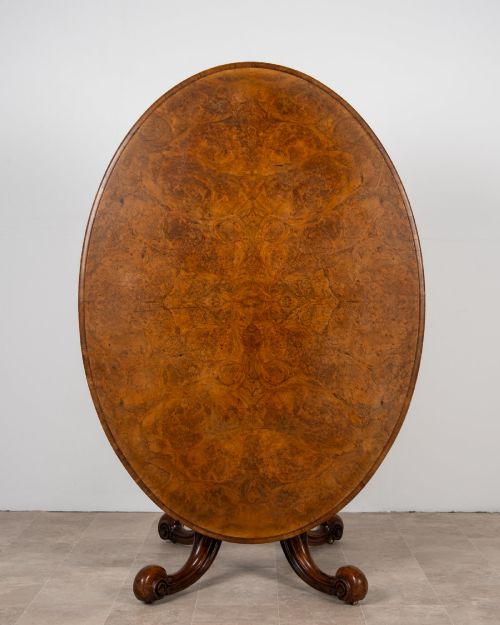
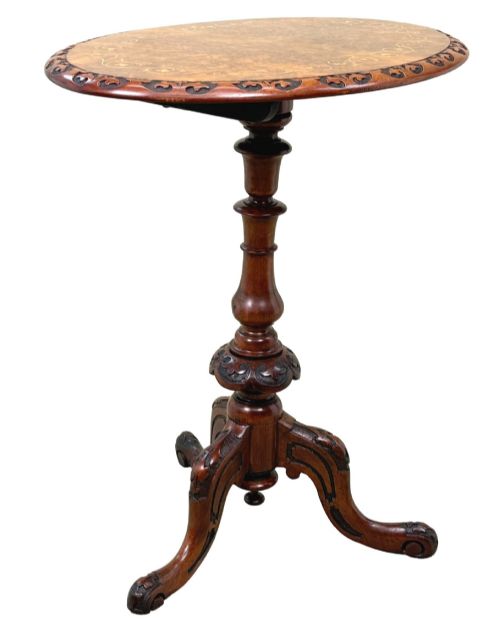
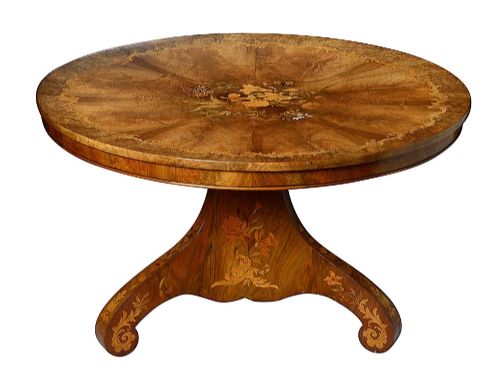
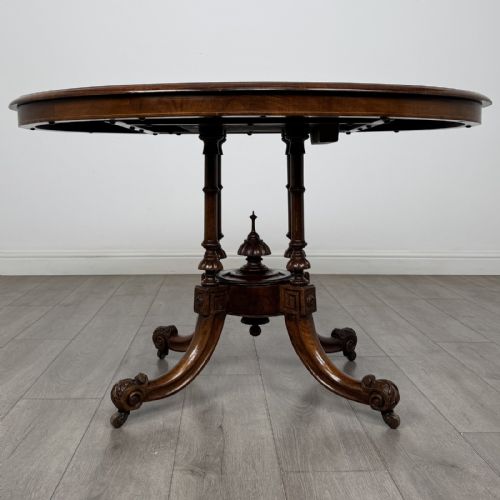
A victorian tilt top table serves multiple functions in a room, shifting from a solid dining surface to a vertical position against a wall to save floor space. The form includes larger oval breakfast and dining tables alongside smaller wine tables and occasional pieces.
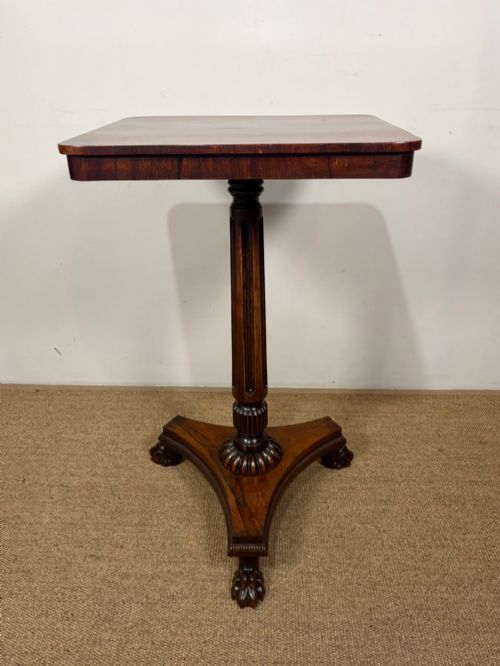
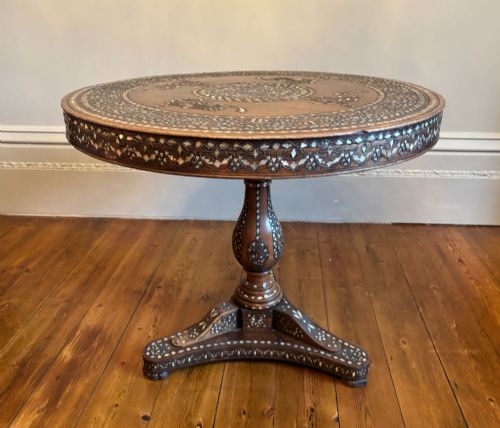
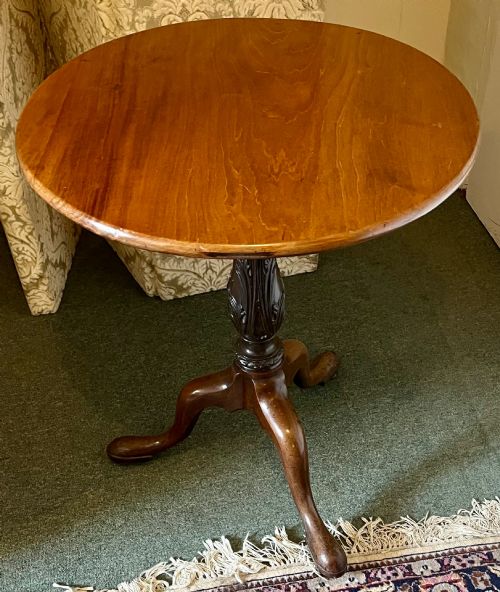
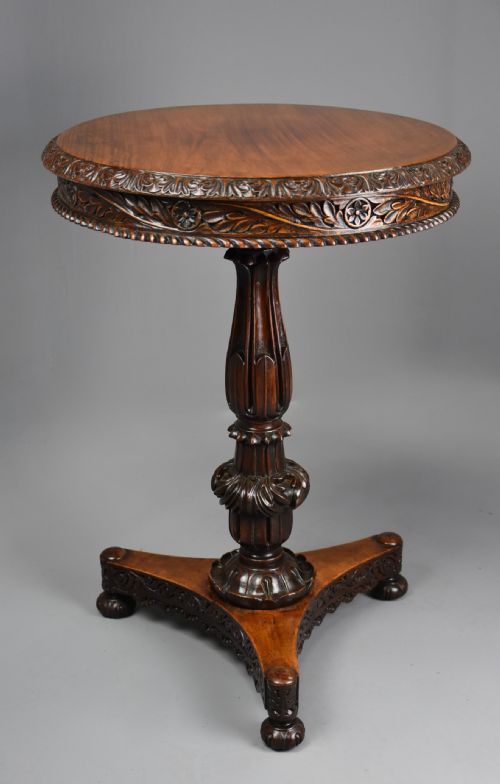
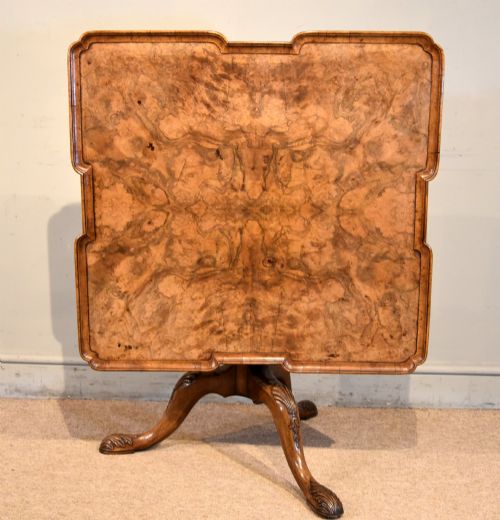
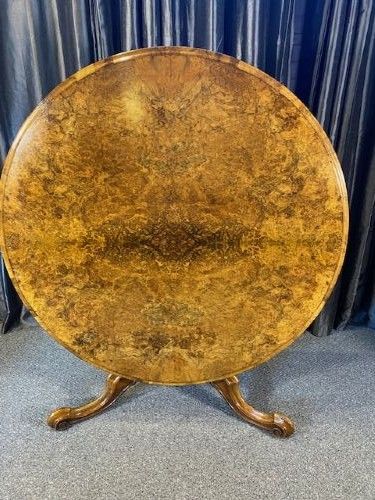
Most examples date from the nineteenth century, spanning Victorian, Regency, and William IV periods, alongside later Chippendale Revival pieces. Walnut, mahogany, and rosewood dominate the surviving forms, often featuring circular or oval tops supported on turned pedestals and tripod bases.
How they were made
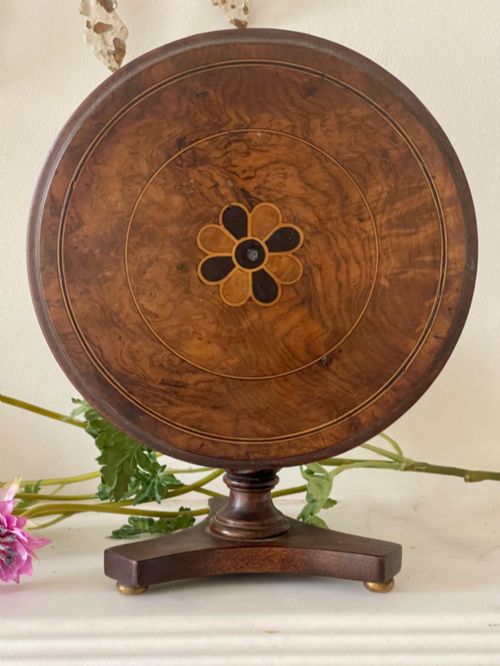
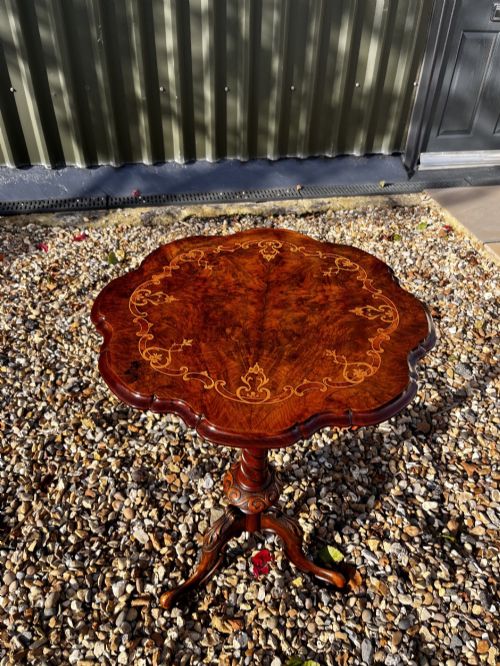
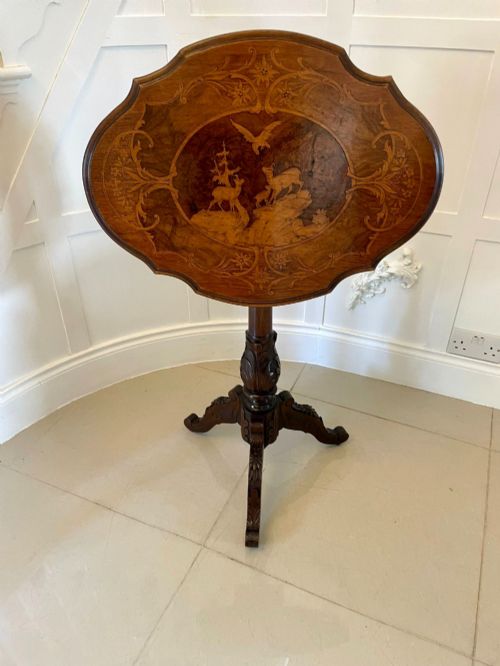
Cabinet makers utilised dense hardwoods like mahogany, rosewood, and walnut, often applying figured veneers to the expansive surfaces of larger dining tables. Burr walnut and satin birch appear alongside marquetry inlay and boxwood details to create decorative contrast on the tops.
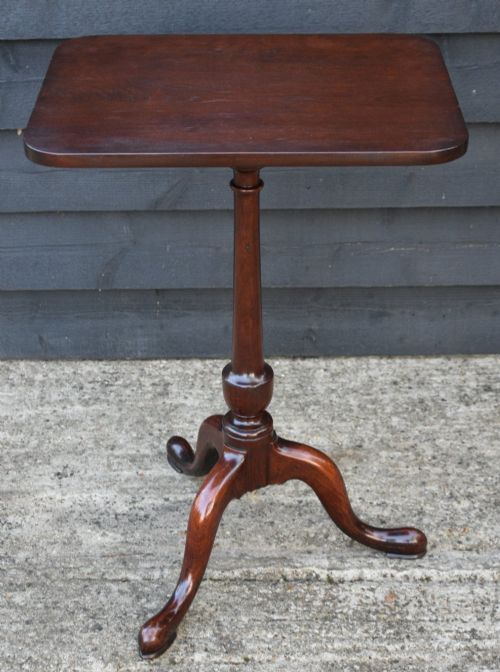
The pivoting mechanism relies on a sturdy catch and a tilting block mounted atop a central pedestal, balanced by three or four legs. Carved details adorn the pedestals and tripod bases of finer examples, while simpler versions utilise plain turned supports.
Victorian Tilt Top Retail Price Guide 2026
Typical asking prices for victorian tilt top among the pieces listed under this phrase on Sellingantiques today, from the lower quarter to the upper quarter. They describe what is for sale here now, not the wider market.
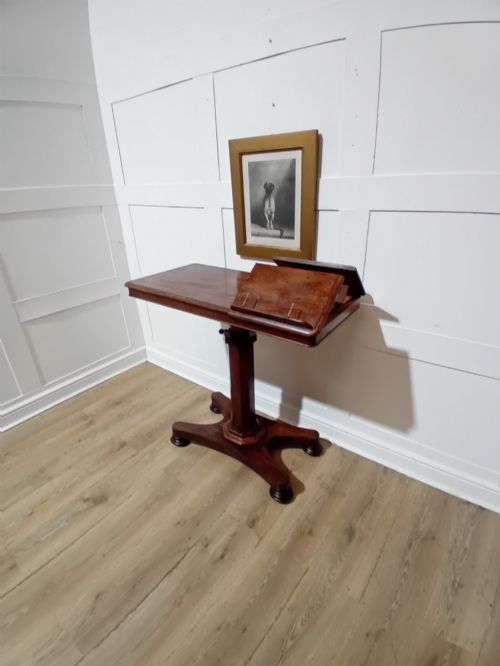
Object forms range from large oval dining tables and loo tables down to compact wine tables and reading stands.
What varies in quality
The selection of timber grain heavily dictates the visual appeal of a piece, with highly figured mahogany and burr walnut commanding attention over plain planks. The crispness of the carving on the pedestal base and the precision of any marquetry inlay show the hand of a skilled maker.
A tight, secure mechanism when the top is locked horizontal is essential, as wear in the pivot can cause a tilt top table to wobble during use. The stability of the tripod legs and the integrity of the veneer round out the markers of superior construction.
Gillows·Edward Holmes Baldock
The Victorian Tilt Top Glossary
- Tilt top
- A table mechanism featuring a hinged top that pivots from horizontal to vertical, allowing the furniture to stand flat against a wall when space is required.
- Tripod base
- A support structure comprising three legs radiating from a central pillar, commonly found beneath occasional and wine tables.
- Marquetry
- Decorative veneer work arranged in pictorial patterns using various woods, often seen on Victorian walnut tables.
- Breakfast table
- A medium-to-large nineteenth-century dining table, frequently built with a tilting mechanism for easy storage in smaller breakfast parlours.
Victorian Tilt Top: Frequently Asked Questions
Were these tables meant for dining?
Larger oval and circular versions served as breakfast tables or informal dining furniture in nineteenth-century homes. Smaller variations functioned as wine tables, lamp stands, or occasional furniture.
The tilting function allowed servants to clear floor space rapidly once meals or evening gatherings concluded.
How do I care for the polished wood?
Keep these tables away from direct sunlight and heat sources to prevent the nineteenth-century veneers from drying out or cracking. Dust regularly with a dry cloth and apply a quality wax polish sparingly.
Avoid placing wet glasses or hot dishes directly on the polished timber surface to prevent permanent ring marks.
How do I tell a Victorian piece from a later revival?
Examine the construction methods underneath the top, looking at the timber shrinkage, screw types, and hand-cut joinery typical of the nineteenth century. Revival pieces from later periods often show machine-cut components and different timber preparation.
Check the patina of the wood and the wear around the pivot block for signs of age consistent with the Victorian era.