


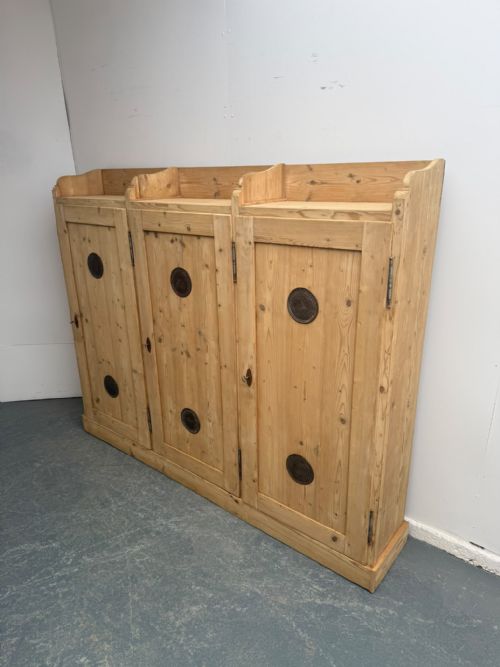
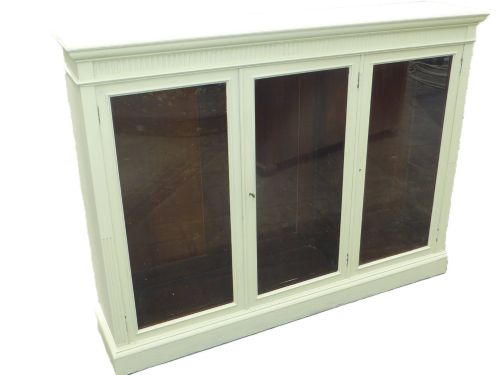

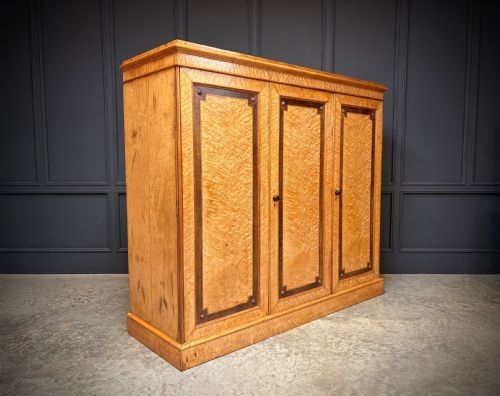


Victorian Three Door Cupboard
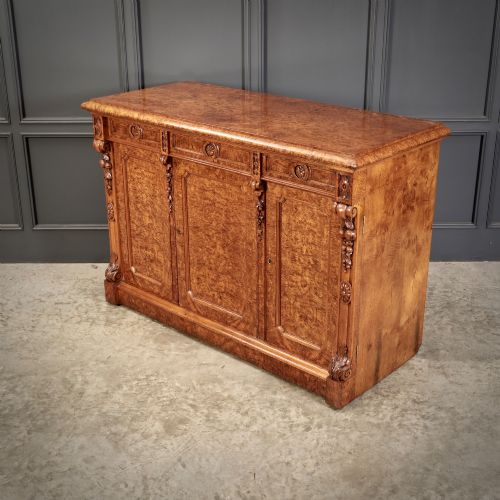
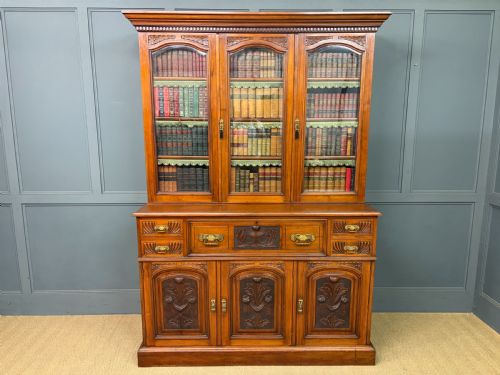
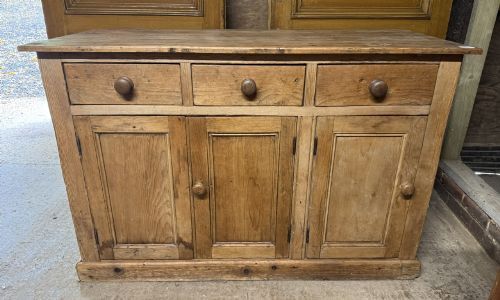
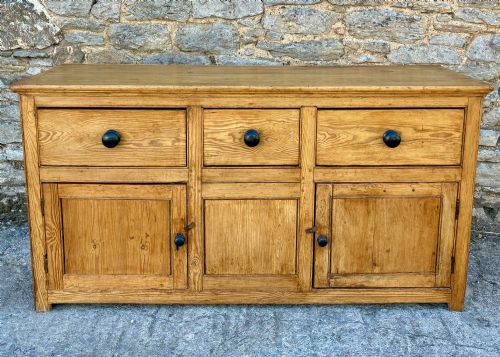
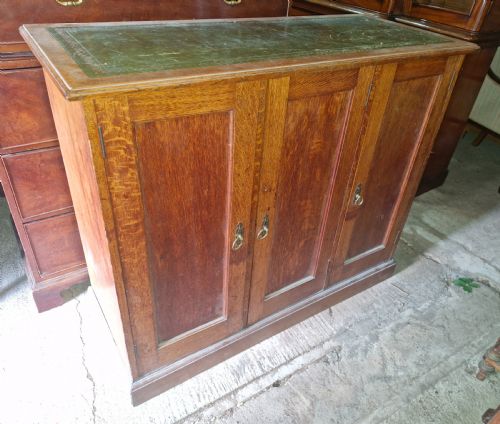
A victorian three door cupboard brings substantial nineteenth-century presence and storage to a room, offering generous timber proportions.
Victorian Three Door Cupboard
A victorian three door cupboard encompasses large storage furniture built during the nineteenth century, ranging from school cupboards to kitchen dressers and sideboards. These pieces span multiple styles, including Victorian Country, Gothic Revival, and Sheraton Revival, reflecting the varied tastes of the period.
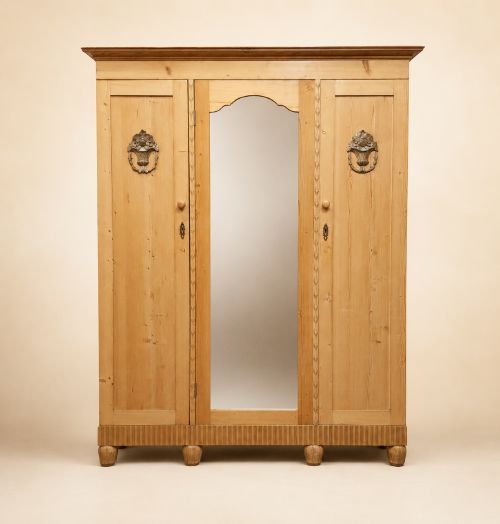
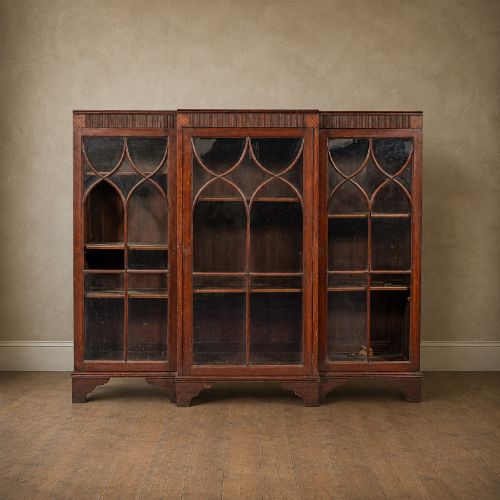
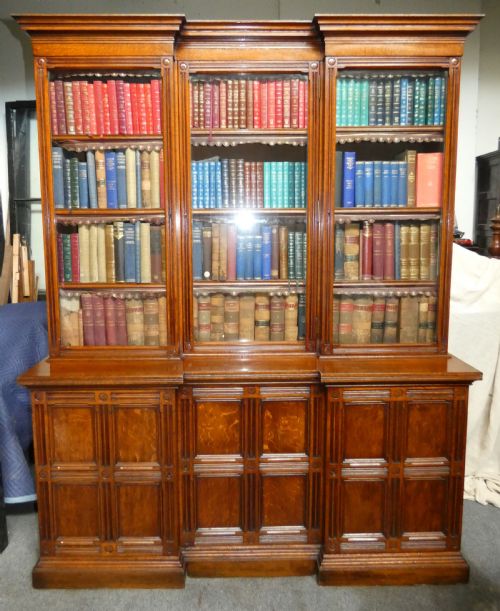
While the search specifies a three door configuration, the evidence shows related large formats including triple wardrobes, breakfront bookcases, and expansive sideboards. Buyers encounter everything from utilitarian pine school pieces to finely figured mahogany and birds eye maple cabinets.
Origins across these listings reach from English country houses to Irish libraries and continental workshops, demonstrating how widely this scale of storage was utilised. The common thread is the tripartite facade, which creates distinct internal compartments behind timber or glazed doors.
Materials and construction
Cabinet makers relied heavily on robust timbers such as mahogany, oak, and pine, often selecting denser woods like pollard oak, birds eye maple, and satinwood for decorative surfaces. Secondary woods provided structural stability inside large carcasses, while brass fittings and glass panels completed the assembly.
Joinery techniques matched the scale of the furniture, incorporating panelled doors, adjustable shelving systems, and sometimes complex concertina mechanisms. Finishes ranged from original painted surfaces and traditional wax to polished mahogany veneers.
Victorian Three Door Cupboard Retail Price Guide 2026
Typical asking prices for victorian three door cupboard among the pieces listed under this phrase on Sellingantiques today, from the lower quarter to the upper quarter. They describe what is for sale here now, not the wider market.
Listings span periods from 1800 to 1920, featuring materials from humble pine and painted wood to figured birds eye maple and mahogany.
Judging the standard
Quality in these large pieces depends on the selection of timber veneers and the crispness of any carved detailing, such as Gothic motifs or Sheraton crossbanding. Superior examples display thoughtful grain matching across their three doors and retain original internal fittings like adjustable shelves or clothes rails.
The integrity of the original finish - whether polished mahogany or untouched school pine - strongly influences the character of the piece. Lesser examples may show heavy utilitarian alterations or mismatched timbers from later repairs, whereas finer workshop productions maintain consistent joinery and proportion throughout.
Edwards and Roberts·James Shoolbred and Co
The Victorian Three Door Cupboard Glossary
- Breakfront
- A piece of furniture where the central section projects forward from the flanking wings. This architectural arrangement adds depth and visual interest to large bookcases and sideboards.
- Compactum
- A large fitted wardrobe or combination wardrobe designed to maximise internal storage with shelves, drawers, and hanging space. These are frequently found executed in figured mahogany or birds eye maple.
- Pollard oak
- Timber taken from trees that were pollarded, resulting in a dense, highly figured grain pattern with clustered knots. It was favoured by nineteenth-century cabinet makers for luxury veneers.
- Satinwood
- A pale, lustrous hardwood used primarily for decorative veneers and inlay work during the Sheraton Revival period. It provides a striking contrast against darker timbers.
- Gothic Revival
- A nineteenth-century design style drawing on medieval architectural motifs such as pointed arches, quatrefoils, and heavy carving. It appears frequently on cupboards and wardrobes from this era.
Victorian Three Door Cupboard: Frequently Asked Questions
How do I fit a large triple cupboard into a modern room?
Measure your ceiling height and wall space carefully before committing to a piece of this scale, remembering that nineteenth-century proportions demand room to breathe. Position them against a principal wall where their length can anchor the room without obstructing doorways or pathways.
Ensure that floors are reasonably level so the three doors hang true and close evenly without binding. Many of these pieces were designed to be substantial focal points, so let them set the tone for the surrounding furniture.
What is the difference between a wardrobe and a cupboard?
Cupboards generally feature adjustable shelving or open internal space intended for general storage, linens, or kitchen goods. Wardrobes are specifically configured for hanging garments, often incorporating internal hooks, rails, or pull-out trays.
In larger nineteenth-century formats, these definitions sometimes blur, particularly with compactum designs that combine hanging space with drawers and shelves behind three doors.
How should I care for waxed pine surfaces?
Feed waxed pine periodically with a traditional beeswax polish to nourish the timber and maintain a soft, protective sheen. Avoid placing these pieces in direct sunlight or near heat sources, which can dry out the wood and cause splitting.
Dust regularly with a soft, dry cloth rather than using silicone-based sprays that build up over time. Gentle maintenance preserves the original patina developed over generations of use.
Can adjustable shelves be added to older bookcases?
Many nineteenth-century bookcases already incorporate traditional wooden peg-and-hole systems or rack strips that allow shelves to be moved easily. If modification is necessary, consult a restorer who can match the existing interior timber and lining.
Preserving the original internal construction ensures the piece retains its structural integrity and historical accuracy.