
Victorian Tea Stand
When you search for a victorian tea stand, you enter a diverse field of side tables, occasional furniture, and spirit kettles designed to serve afternoon tea.
Victorian Tea Stand
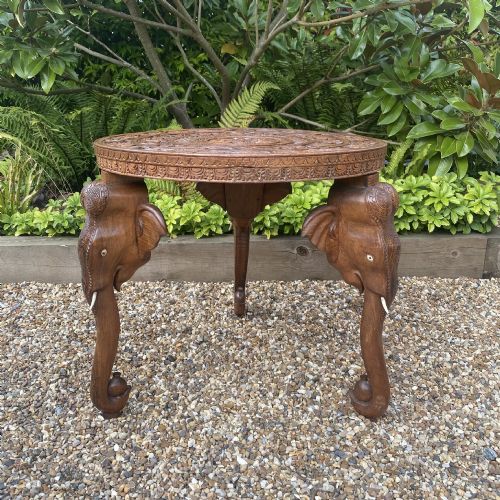
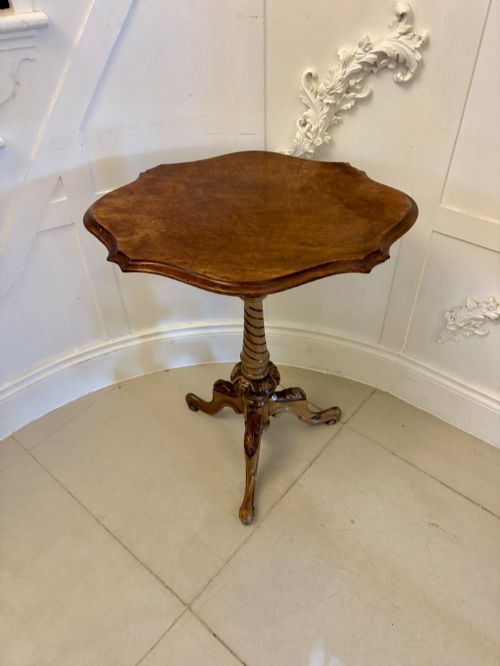
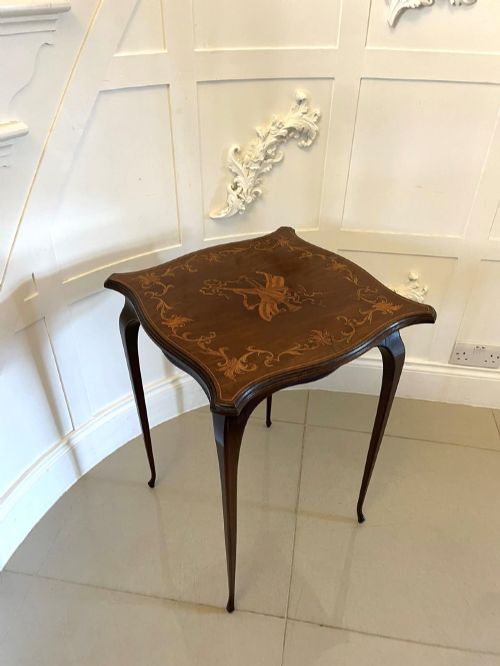
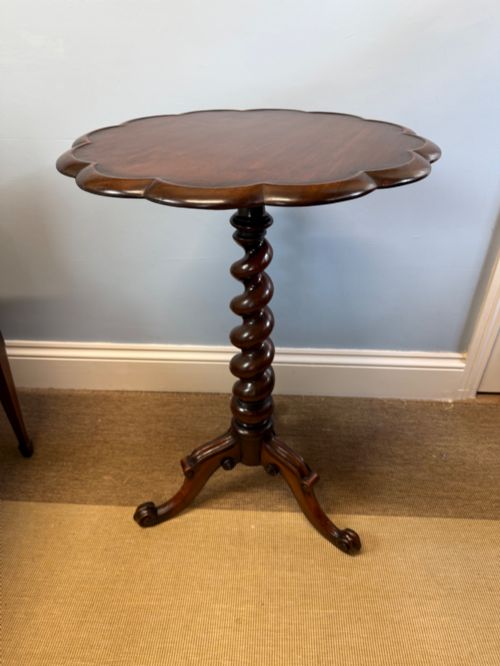
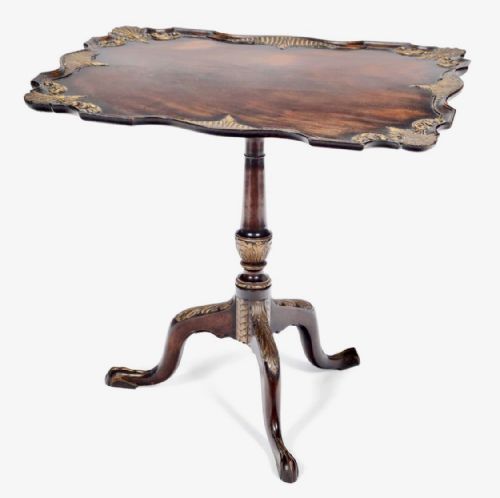
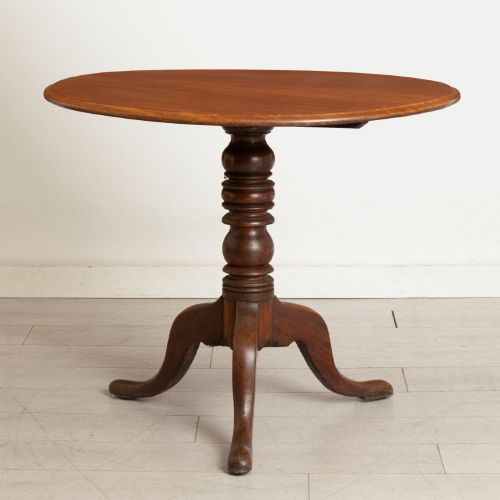
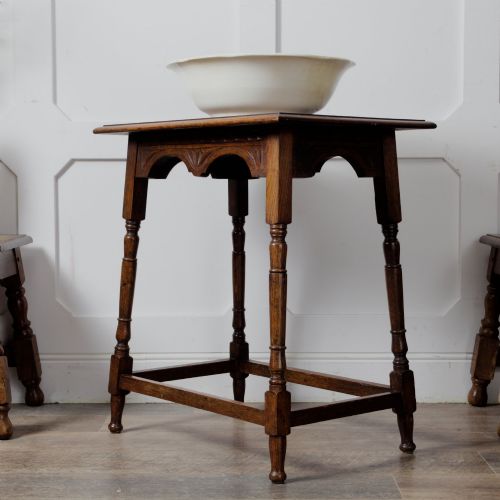
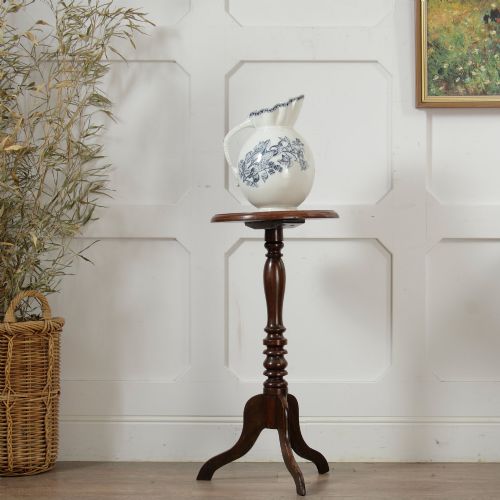
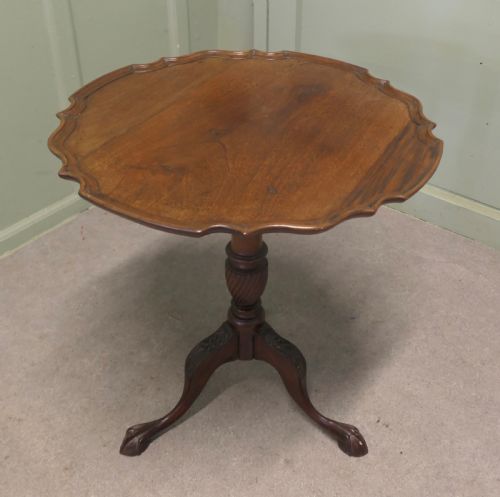
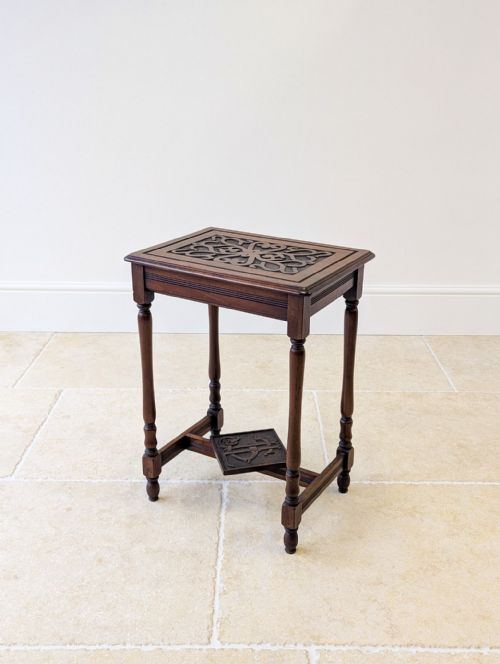
A victorian tea stand encompasses several distinct forms, ranging from mahogany and walnut occasional tables and tilt-top wine tables to dedicated spirit kettles mounted on metal stands with burners. Side tables and tray tables also serve this function, providing a stable surface for serving hot beverages.
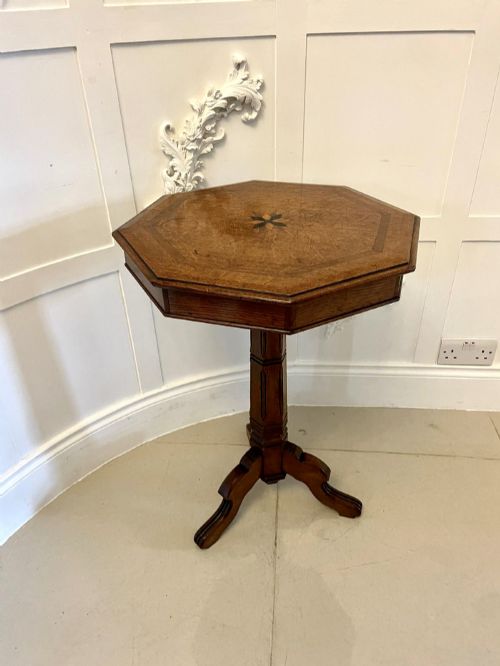
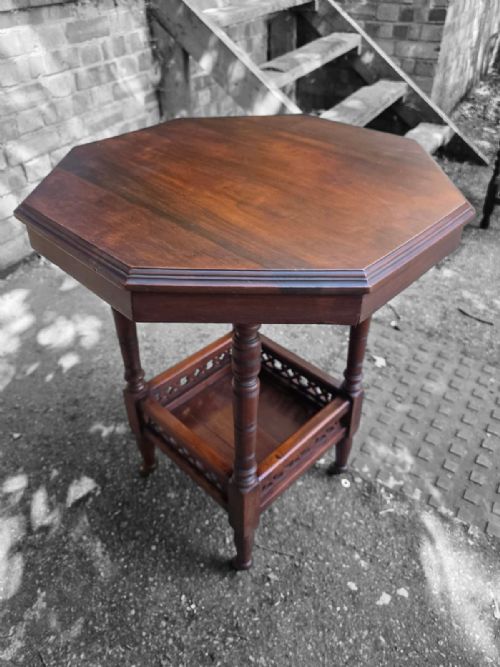
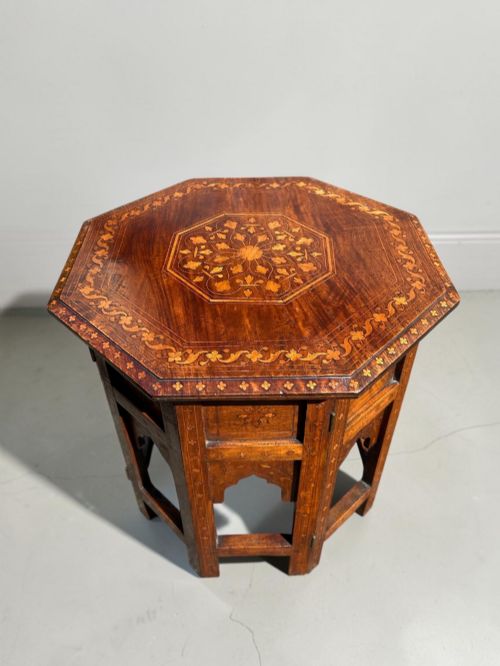
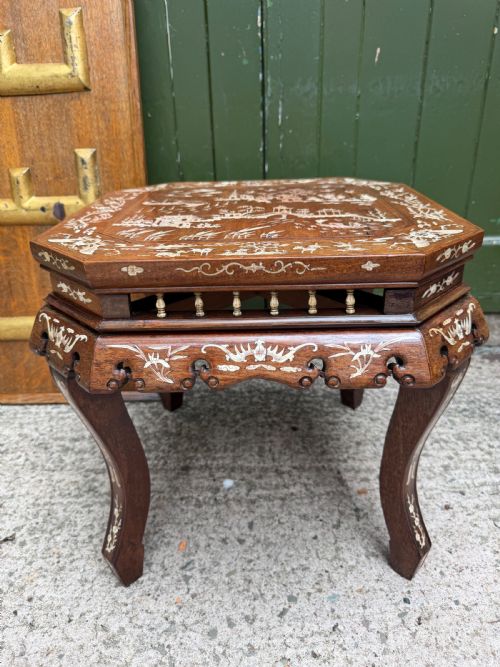
The selection includes British domestic furniture alongside imported styles such as Anglo-Indian, Moorish Revival, and Anglo-Japanese pieces. Many examples utilise octagonal tops, folding frames, or bamboo construction, reflecting the eclectic tastes of the nineteenth and early twentieth centuries.
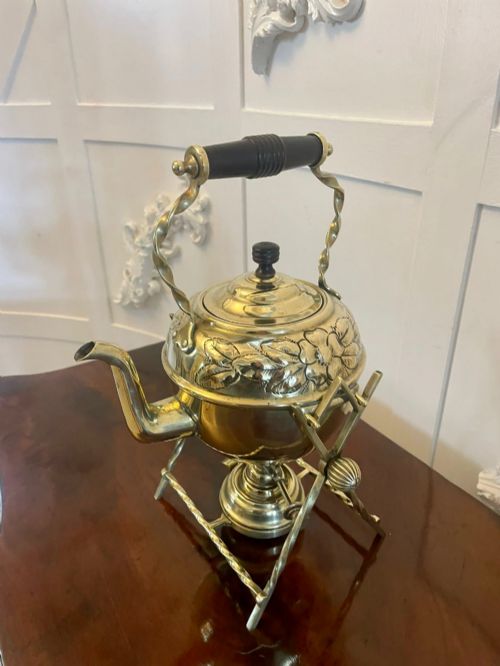
Spirit kettles represent a specific subcategory within a victorian tea stand search, combining metal vessels in brass, copper, or silver plate with purpose-built stands and burners. These heating appliances allowed tea to remain warm during long drawing-room gatherings.
How they were made
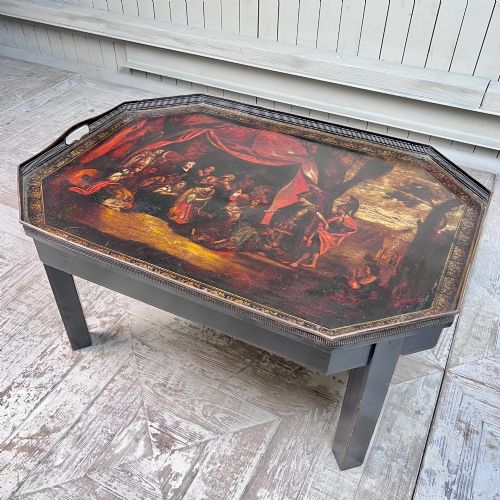
Makers constructed these tables from dense timbers such as mahogany, walnut, oak, rosewood, and teak, frequently employing solid woods alongside decorative veneers. Surface ornamentation involved marquetry inlay, carved details, tole work, papier mâché, and bone or brass inlay in imported models.
Metal spirit kettles utilised brass, copper, and silver plating, often paired with cast or wrought iron and silver-plated stands. Folding mechanisms, tilt-top actions, and tile inserts utilised specialised carpentry and metalwork to ensure stability.
Listings feature woods including mahogany, walnut, oak, teak, rosewood, and hardwood, alongside metals such as brass, copper, and silver plate.
What varies in quality
The degree of hand-carving, the precision of marquetry inlay, and the complexity of bone or brass work distinguish finer examples from standard production pieces. Dense, well-figured timber and robust joinery indicate superior workshop standards.
Makers such as Liberty & Co, Edwards & Roberts, and William Soutter & Sons introduced higher levels of design execution and material selection. Signed components or stamped metalwork add significant archival interest to individual pieces.
William Soutter & Sons·Edwards & Roberts·Liberty & Co
The Victorian Tea Stand Glossary
- Tilt-top table
- A small table with a mechanism allowing the top to pivot horizontally for vertical storage when not in use. This space-saving design is common among nineteenth-century wine and occasional tables.
- Spirit kettle
- A water kettle suspended over a small alcohol burner, mounted on a dedicated stand. These units allowed hosts to boil or maintain water temperature in the drawing room.
- Marquetry
- Decorative patterns formed by fitting together thin veneers of wood, ivory, or shell onto a structural carcase. This technique adorned the surfaces of etagere and table tops.
- Tole
- Painted or lacquered sheet metal used to form decorative table tops and trays. It often displays detailed artistic scenes or floral motifs.
- Papier mâché
- A composite material made from paper pulp mixed with binding agents, pressed and dried into rigid forms. It provided a smooth, black-lacquered base for Chinoiserie painting.
Victorian Tea Stand: Frequently Asked Questions
What is the difference between a tea table and a tea stand?
A tea table generally refers to a larger surface used for serving tea or displaying tea wares, whereas a tea stand often includes smaller occasional tables, folding tray tables, or dedicated metal frames holding spirit kettles.
While some tables served purely to hold cups and pots, spirit kettle stands incorporated actual heating elements with burners to keep water hot throughout a gathering.
How were spirit kettles used in the Victorian period?
Spirit kettles were placed on side tables or tea carts in the drawing room so hosts could replenish teapots with boiling water without leaving the company.
The small burner beneath the kettle utilised methylated spirit to maintain the water temperature during afternoon tea service.
Are tilt-top tables stable enough for daily use?
Tilt-top tables utilise a catch or birdcage mechanism beneath the surface to lock the top in a horizontal position.
When properly adjusted, they offer stable support for occasional items, though the pivoting joint naturally introduces slight movement compared to fixed pedestal designs.