


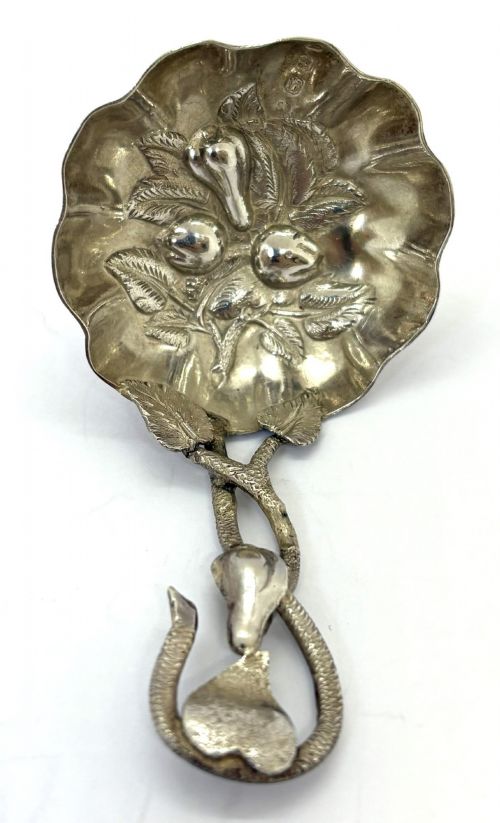


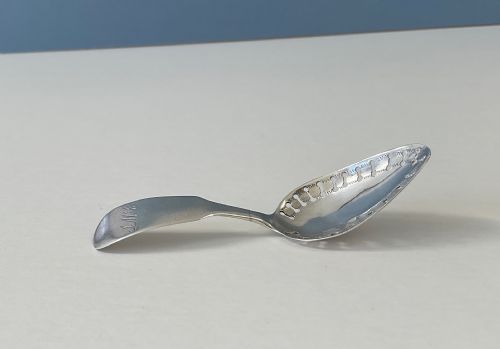


Victorian Tea Spoons
When you search for victorian tea spoons, you are looking at small silver tableware fashioned for nineteenth-century dining and tea service.
Victorian Tea Spoons
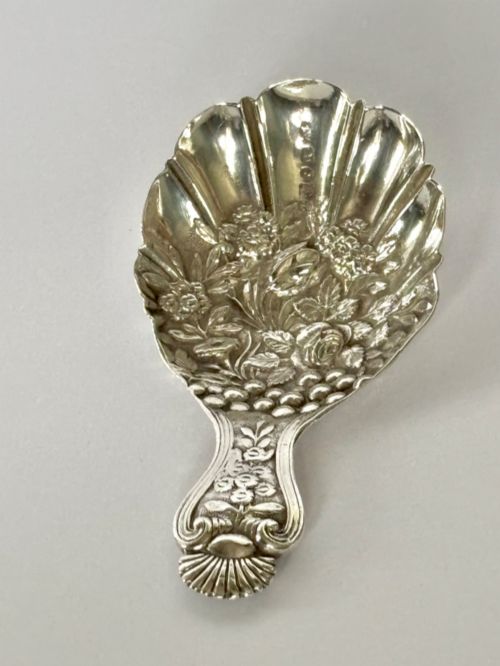
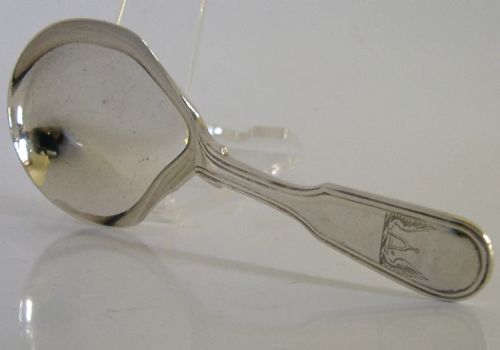
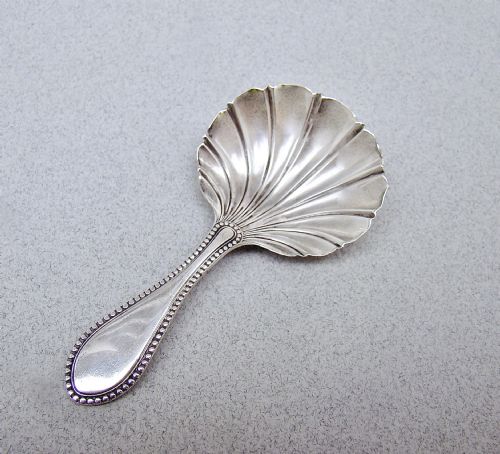
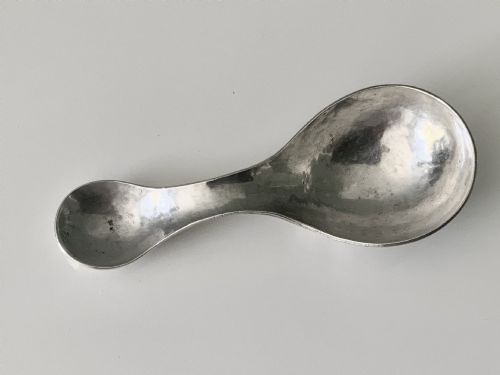
Victorian tea spoons appear primarily as sets within fitted cases, often accompanied by matching sugar tongs or strainers, alongside individual specialty forms such as caddy spoons and mote spoons.
The objects span provincial and metropolitan origins, reflecting both everyday household utility and decorative table presentation during the nineteenth century.
How they were made
Makers utilised sterling silver and silver plate, frequently employing techniques like bright cut engraving, chasing, and silver-gilt finishes to ornament the bowls and handles.
Production relied on traditional assay offices across England and Scotland, where silversmiths shaped handles in patterns such as Fiddle, Thread and Shell, Onslow, or Kings.
Victorian Tea Spoons Retail Price Guide 2026
Typical asking prices for victorian tea spoons among the pieces listed under this phrase on Sellingantiques today, from the lower quarter to the upper quarter. They describe what is for sale here now, not the wider market.
Listings feature sterling silver, silver plate, and enamel, alongside presentation cases lined in velvet, silk, and leatherette.
What varies in quality
Quality rests in the crispness of chased or engraved detail on the bowl and handle, and the structural integrity of matching cased sets.
The distinctiveness of the silversmith, the presence of regional provincial assay marks, and the weight of the solid silver elevate certain examples above standard production.
Martin Hall & Co·Mappin & Webb·George Unite·Wakely & Wheeler·Charles Boyton·Chawner & Co·Robert Pringle & Sons·Thomas Bradbury
The Victorian Tea Spoons Glossary
- Assay office
- An official body that tested precious metals and stamped items with hallmarks to guarantee standard purity. These marks frequently reveal the town and year of production.
- Caddy spoon
- A short-handled spoon specifically designed for measuring loose tea leaves from a caddy. They often feature shallow, wide bowls with ornate engraving.
- Silver-gilt
- Silver that has been coated with a thin layer of gold on its surface. This technique provides a warm, two-tone appearance.
- Bright cut engraving
- A technique of cutting facets into metal with a sharp graving tool to create reflective, geometric patterns. It catches the light across the surface of the spoon.
- Fiddle pattern
- A nineteenth-century cutlery handle style widening sharply near the terminal in a shape resembling a violin. It formed the basis for many matched sets of the era.
Victorian Tea Spoons: Frequently Asked Questions
Were these spoons used for daily tea?
Middle and upper-class households utilised these pieces during formal afternoon tea services and everyday dining routines.
Over time, many sets were preserved in fitted velvet and silk-lined cases, which protected the silver from daily wear and tear.
How do I know the date?
Makers stamped official hallmarks directly onto the reverse of the stem or bowl, indicating the assay office and date letter.
Matching these stamped letters against historical assay records pinpoints the exact year the spoon passed inspection.
Why are some sets boxed?
Fitted presentation cases became popular for keeping complete sets of spoons, sugar tongs, and sifters together as unified presentation items.
These leatherette and velvet-lined boxes preserved the matched service for gifting and formal storage.
What is provincial silver?
Provincial pieces originated from regional assay offices outside London, such as Exeter, Chester, York, Glasgow, or Sheffield.
Collectors often seek out these regional marks due to the smaller output numbers recorded at those specific offices.