

Victorian Tapestry Seat
A victorian tapestry seat brings rich nineteenth-century needlework into a room, offering both practical furniture and a display of historical textile craft.
Victorian Tapestry Seat
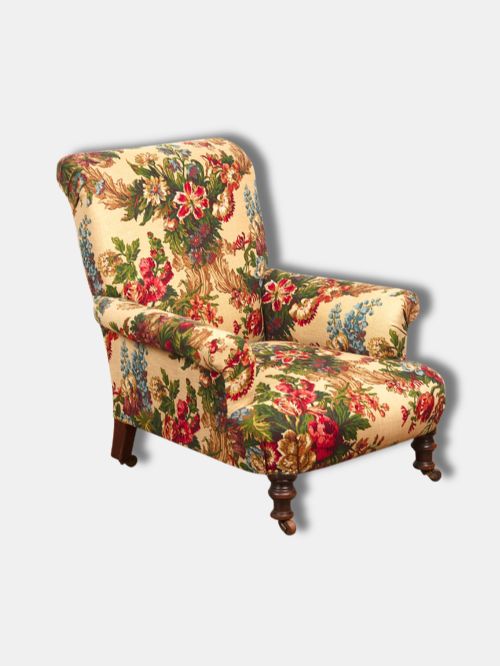
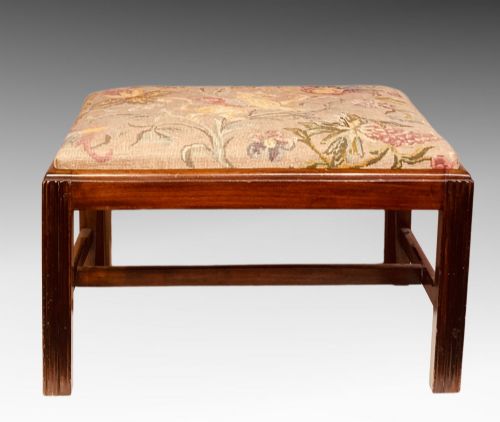
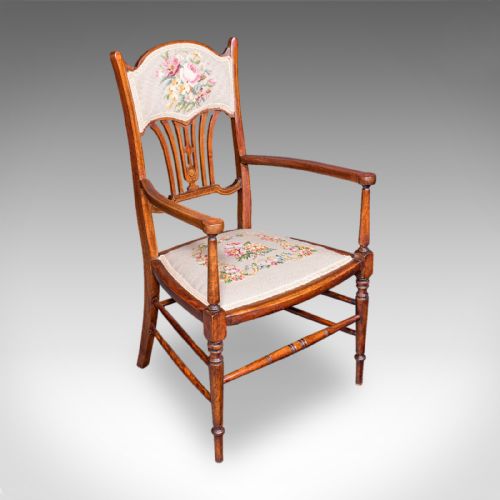
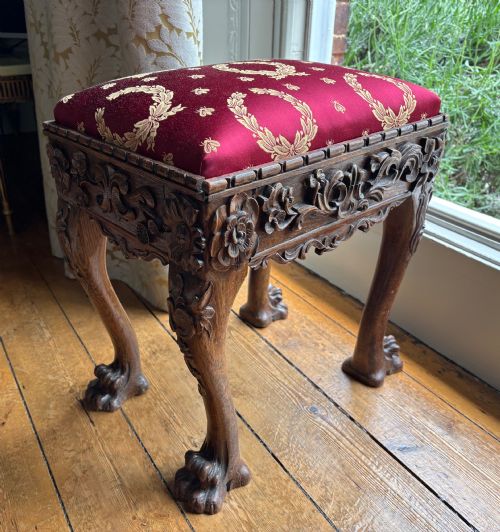
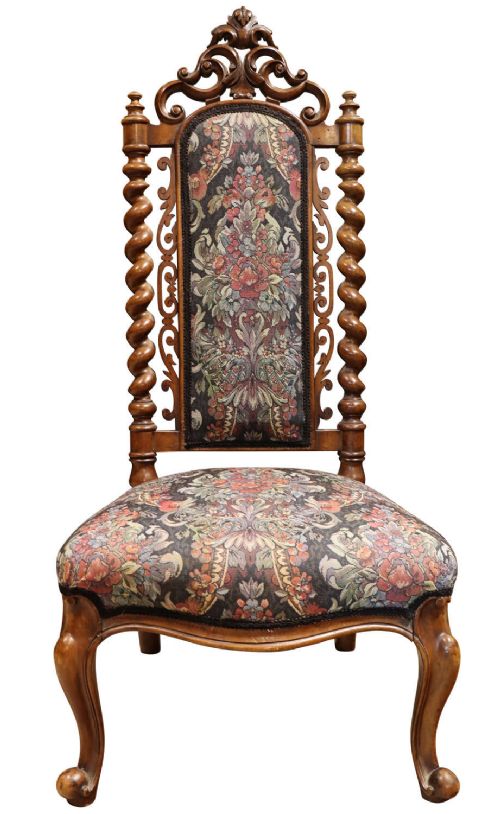
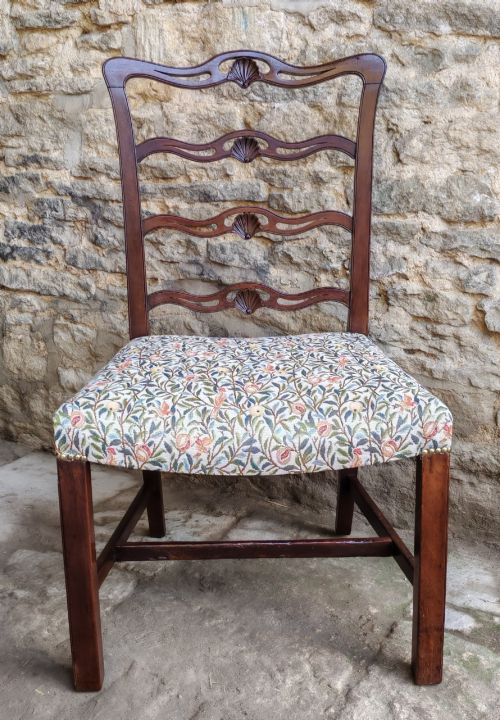
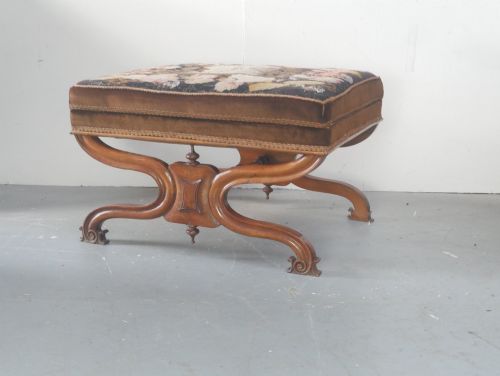
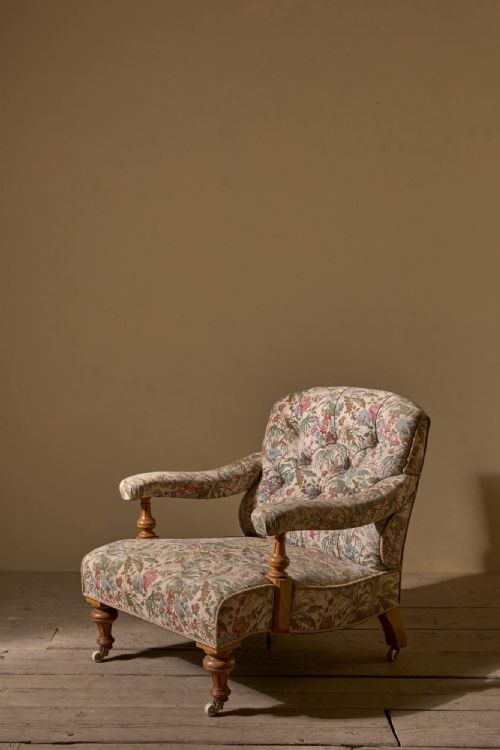
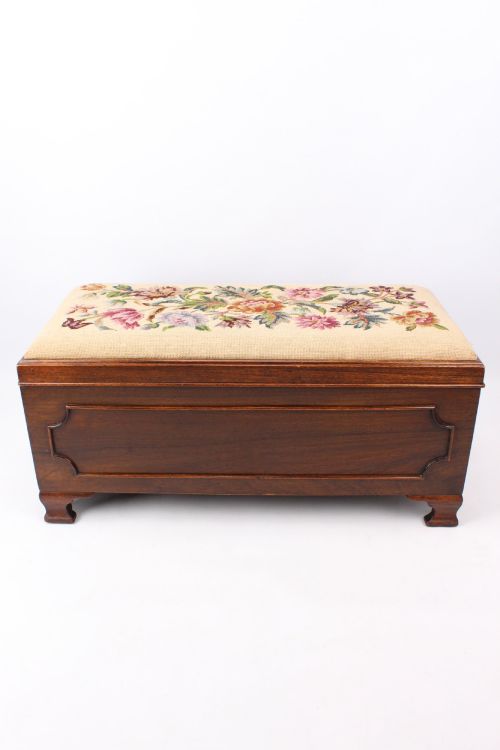
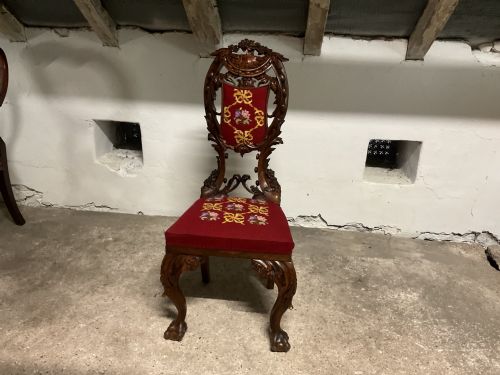
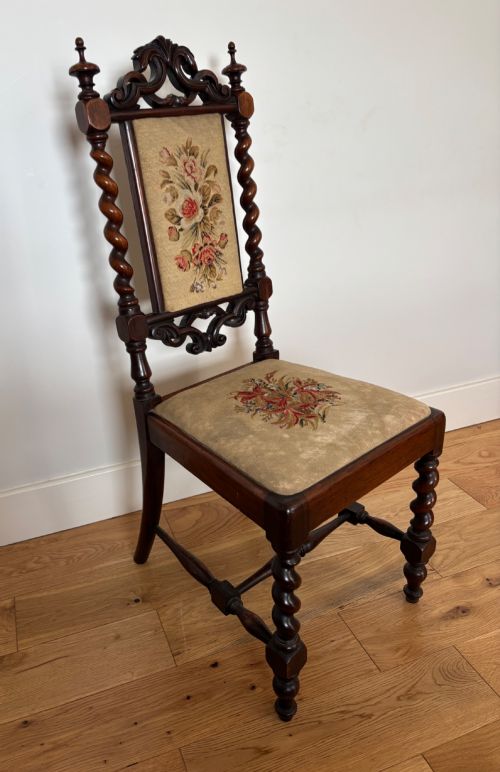
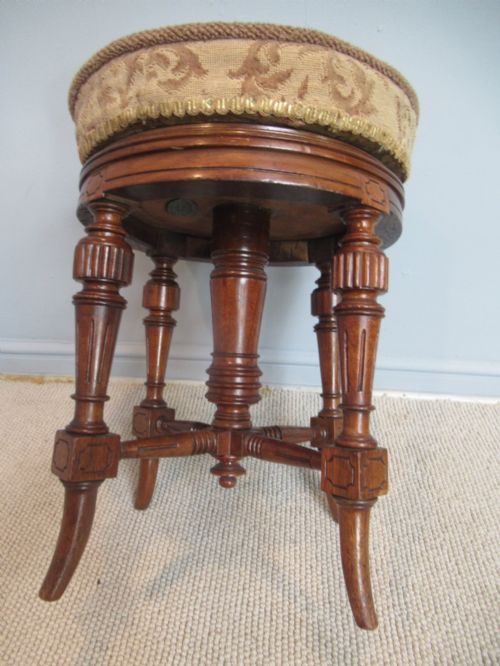
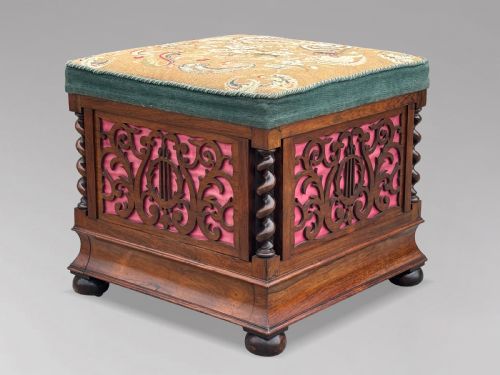
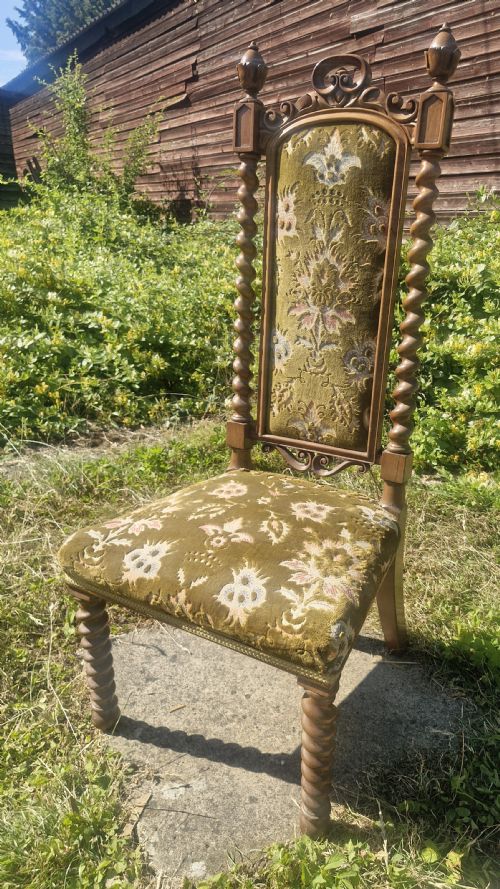
A victorian tapestry seat encompasses various forms designed for nineteenth-century domestic interiors, ranging from piano stools and dressing stools to armchairs, side chairs, and footstools. The examples appearing here trace origins through the Victorian period alongside revivals such as Chippendale and Gothic styles.
Stools and low chairs predominate among these listings, often utilising walnut, rosewood, or mahogany frames. Makers across England and Scotland produced these pieces for drawing rooms, morning rooms, and bedrooms, pairing carved timber structures with hand-worked textile covers.
Judgement of Quality
Quality rests upon the crispness of the timber carving and the structural integrity of the frame joints, whether executed in walnut, mahogany, or rosewood. Finer examples display deliberate proportions and sophisticated stylistic details, such as cabriole legs or detailed X-frame supports.
The needlework forms a critical component of distinction, where tight, even stitching and complex floral or geometric patterns elevate the textile work. Original upholstery and retained maker signatures or stamps further separate standard production from exceptional survival.
Victorian Tapestry Seat Retail Price Guide 2026
Typical asking prices for victorian tapestry seat among the pieces listed under this phrase on Sellingantiques today, from the lower quarter to the upper quarter. They describe what is for sale here now, not the wider market.
The documented objects span armchairs, side chairs, piano stools, footstools, and ottomans originating across the Victorian era.
Warings·R Whytock of Edinburgh·Hallett & Sons·Howard and Sons
The Victorian Tapestry Seat Glossary
- Tapestry
- A form of textile art woven on a loom, though the term often describes nineteenth-century needlepoint worked on canvas. These covers display pictorial or floral designs.
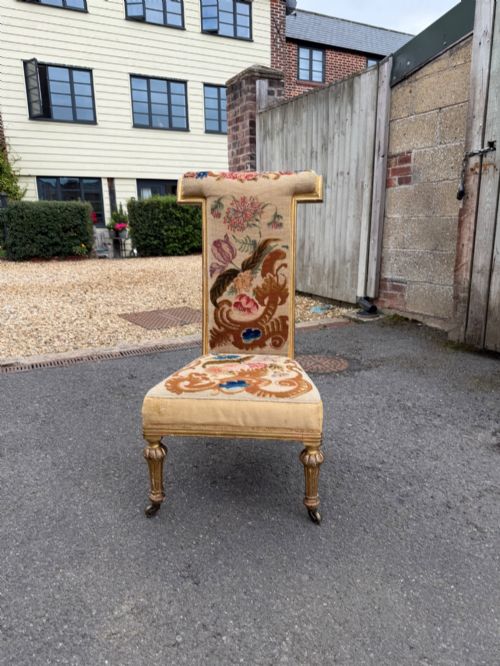
- Prie Dieu
- A low devotional chair featuring a high back designed for kneeling during prayer. Victorian examples frequently incorporate carved walnut or rosewood frames.
- X-Frame
- A structural form utilising intersecting diagonal timber members to support the seat. This design appears frequently on nineteenth-century stools and chairs.
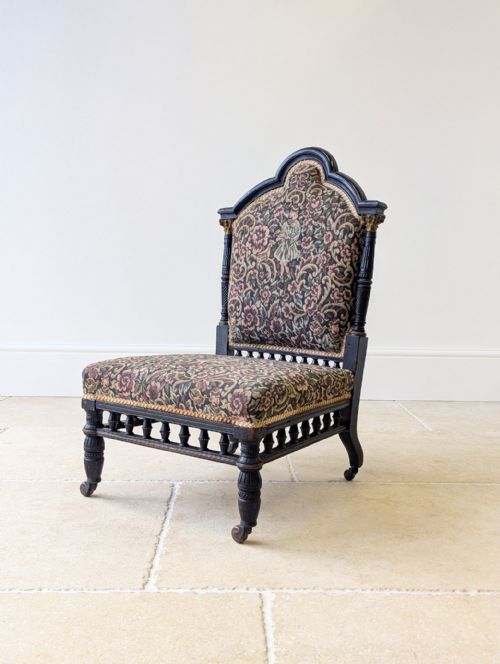
- Aesthetic Movement
- A late nineteenth-century design style emphasising visual beauty over narrative content. Pieces from this movement often utilise ebonised finishes.
- Needlework
- Hand-stitched textile decoration applied to canvas grounds, commonly seen on nineteenth-century footstools and chair seats.
Victorian Tapestry Seat: Frequently Asked Questions
How do I clean a victorian tapestry seat?
Surface dust requires gentle brushing with a soft bristle brush to protect aged textile fibres from damage. Professional textile conservation prevents moisture deterioration on historic needlework.
Timber frames benefit from occasional application of quality wax polish. Avoid commercial chemical sprays that penetrate vulnerable antique fabric.
Were these seats used in parlours?
Drawing rooms and morning rooms accommodated many of these chairs and stools for social gatherings. Piano stools and dressing stools served specific musical and personal grooming functions.
Bedrooms and halls also housed specialised variants such as prie-dieu chairs and solid wood hall seats. Country houses utilised diverse seating forms across multiple reception spaces.
How do I date a nineteenth-century stool?
Timber choice offers an initial indicator, as rosewood and mahogany predominate in earlier decades while walnut gains prominence later. Structural joinery methods and turning styles evolve from heavy carved frameworks toward lighter revival designs.
Stamped maker marks or paper labels occasionally provide precise manufacturing origins. Stylistic hints like Aesthetic Movement ebonising point toward the closing decades of the century.
Are tapestry covers usually original?
Many surviving pieces retain period needlework created during the nineteenth century. Floral motifs and beadwork designs match the aesthetic preferences of the original manufacturing era.
Later reupholstering occurs frequently due to the fragile nature of historic textiles. Examining the reverse of the canvas helps determine the age of the stitching.