



Victorian Tableware Accessories
Victorian tableware accessories bring character to the dining table through silver, glass and novelty forms shaped by nineteenth-century craft.
Victorian Tableware Accessories
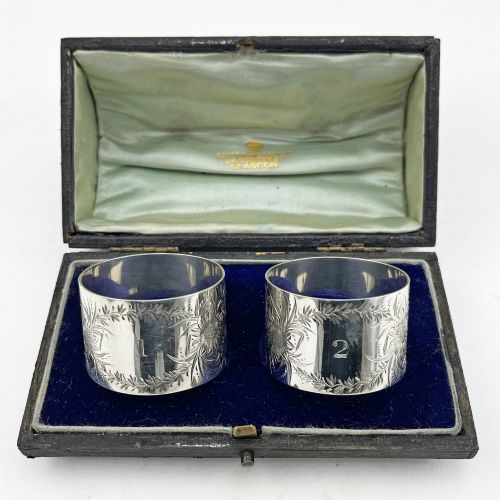
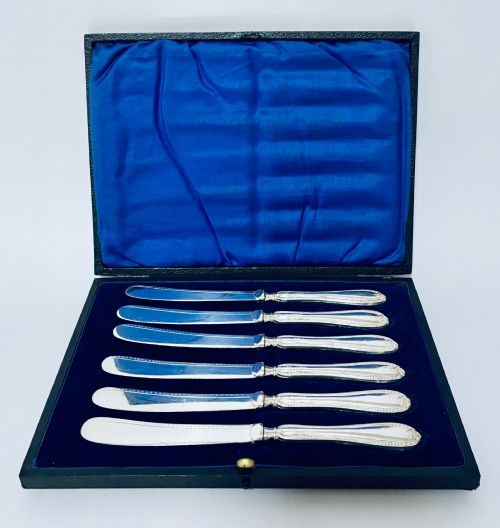
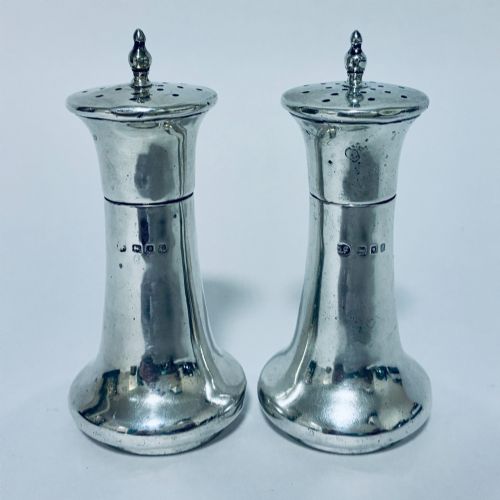
Victorian tableware accessories encompass the functional and decorative implements used during nineteenth and early twentieth-century dining, ranging from napkin rings and salt cellars to knife rests and menu holders. When exploring victorian tableware accessories, buyers frequently encounter sterling silver and silver-plated items designed to serve specific culinary tasks or embellish the table setting.
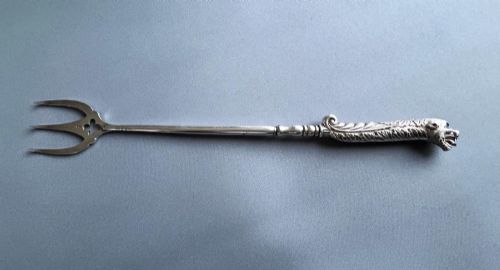
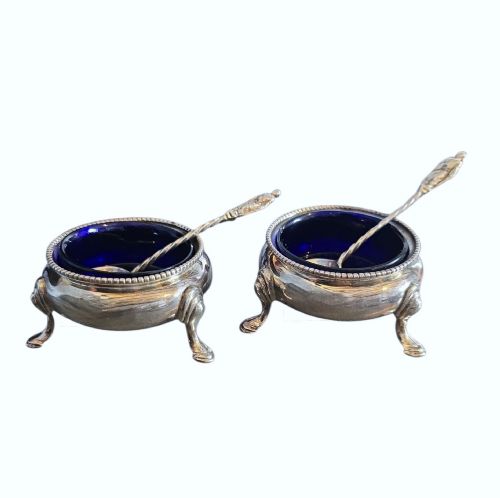
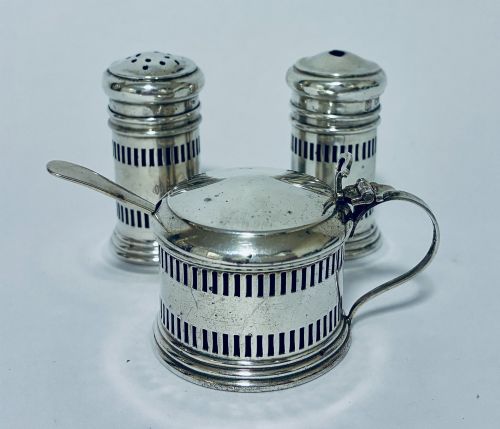
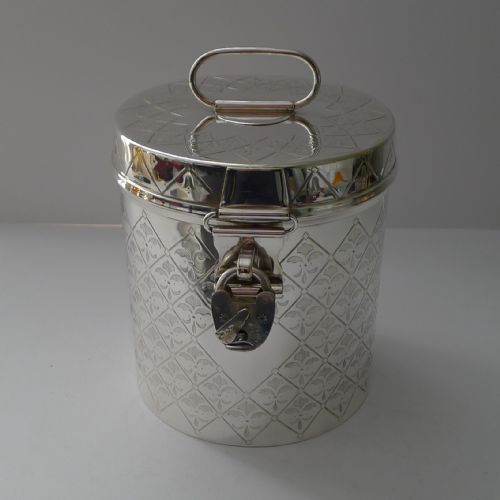
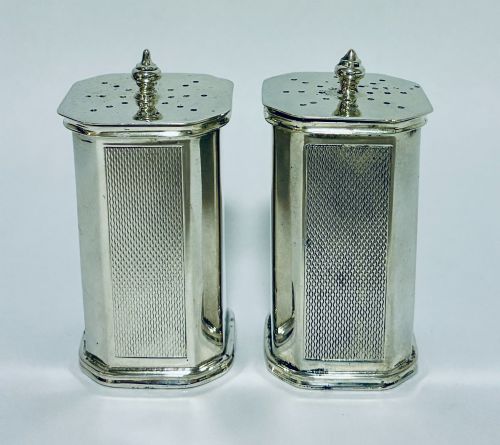
The selection includes matched pairs of salts with blue glass liners, condiment cruet sets, biscuit boxes, and specialised pieces like ham bone holders, spoon warmers, and grape shears. Many examples date from the Victorian and Edwardian periods, reflecting the era's taste for elaborate dining rituals and novel forms.
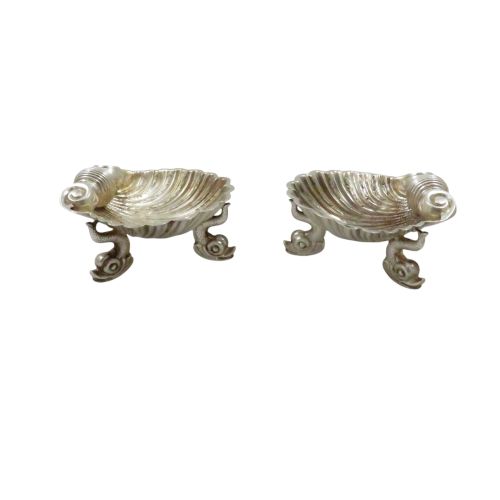
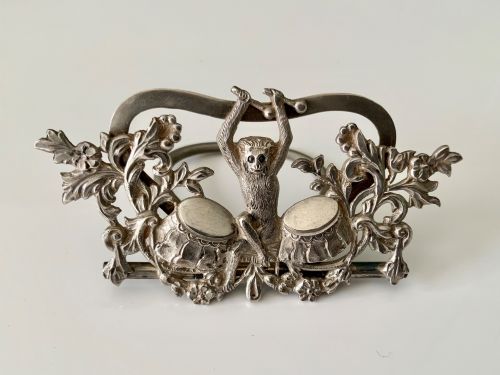
Figural and novelty designs appear regularly within the category, featuring motifs such as animals, marine shells, and belt buckles. These domestic items bridge utility and display, offering both practical dining functions and sculptural interest.
Materials and Techniques
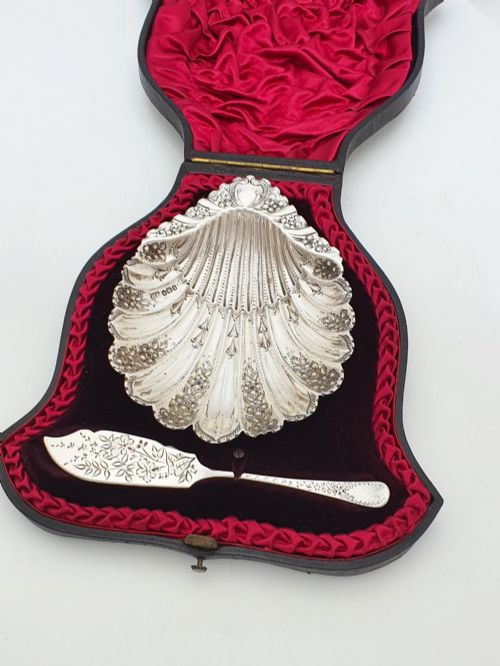
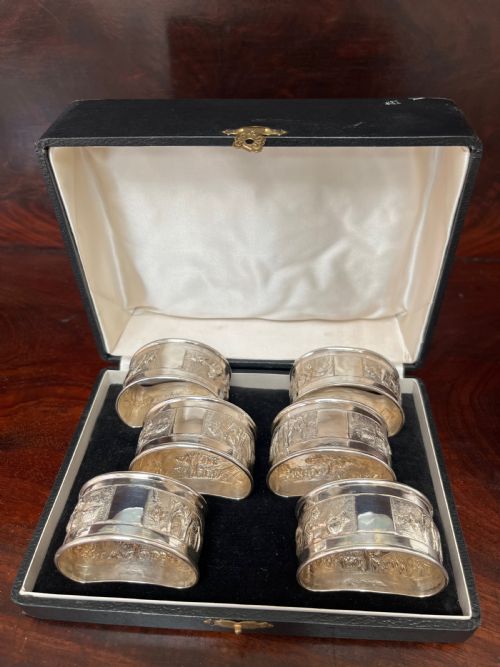
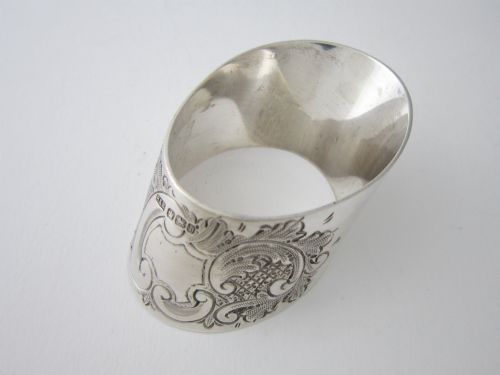
Objects in this category utilise sterling silver and silver plate over base metals, combined with cut glass inserts, turned wooden handles, velvet, silk, and leatherette linings. Metalworking techniques involve casting, piercing, and hammering, particularly evident in elaborate sugar casters, toast racks, and pierced napkin rings.
Specialised items incorporate applied details such as dolphin feet on shell-shaped salts or finely cast animal figures on menu holders and knife rests. Glass elements, including blue liners for salt cellars and butter dishes, are typically blown or moulded to fit specific silver frames.
Makers also employed parcel gilding, seen in sterling silver gilt grape shears, and combined steel with silver-plated mounts for items like lobster crackers and knife blades.
Victorian Tableware Accessories Retail Price Guide 2026
Typical asking prices for victorian tableware accessories among the pieces listed under this phrase on Sellingantiques today, from the lower quarter to the upper quarter. They describe what is for sale here now, not the wider market.
Listings feature sterling silver and silver plate alongside cut glass, velvet, silk, and turned wooden handles across multiple nineteenth-century periods.
What Varies in Quality
Quality in these accessories depends on the crispness of casting and chasing, especially on figural pieces such as bull head knife rests or novelty cruet sets. Sharply defined details indicate superior craftsmanship compared to softer, worn surfaces.
The integrity of secondary materials, such as the clarity and fit of original cut glass liners in salt cellars and butter dishes, distinguishes finer examples. Complete sets with matching components, such as cased napkin rings or multi-piece cruet sets, hold greater cohesion than assembled groups.
Beare Falcke·Mappin and Webb
The Victorian Tableware Accessories Glossary
- Cruet set
- A matched collection of bottles, castors, or pots for holding condiments like mustard, pepper, and vinegar. These sets usually sit within a metal frame or stand.
- Salt cellar
- A small open dish or container used to hold salt at the dining table before the invention of the spring-loaded salt shaker. They frequently feature cobalt blue glass liners.
- Knife rest
- A small horizontal support designed to keep the blade of a carving or dining knife elevated off the tablecloth between courses. They often take sculptural or animal forms.
- Spoon warmer
- A Victorian vessel shaped like a nautilus shell or urn, filled with hot water to warm spoons before serving soup or pudding. These represent the era's specialisation in dining accessories.
- Grape shears
- Specialised scissors designed for cutting clusters of grapes at the table without bruising the fruit. They often feature decorated handles in sterling silver.
Victorian Tableware Accessories: Frequently Asked Questions
What are salt cellars used for?
Salt cellars held loose salt on the dining table for individual guests to pinch or spoon onto their plates. They were essential tableware items before free-flowing salt shakers became common.
Most examples include a glass liner to protect the silver metal from corrosion caused by salt. They often appear as pairs or sets accompanied by small condiment spoons.
How do I clean silver tableware accessories?
Silver items require gentle cleaning with a specialised non-abrasive silver polish and a soft cloth to remove tarnish. Avoid harsh scrubbing that can wear away thin silver plating or damage applied details.
Removable glass liners and wooden handles should be detached where possible and washed separately in warm soapy water. Proper storage in anti-tarnish cloths helps maintain the finish between uses.
What is a spoon warmer?
A spoon warmer is a Victorian vessel designed to hold hot water that warmed silver spoons before serving courses like soup. Guests or servants would retrieve the warmed spoons from the container.
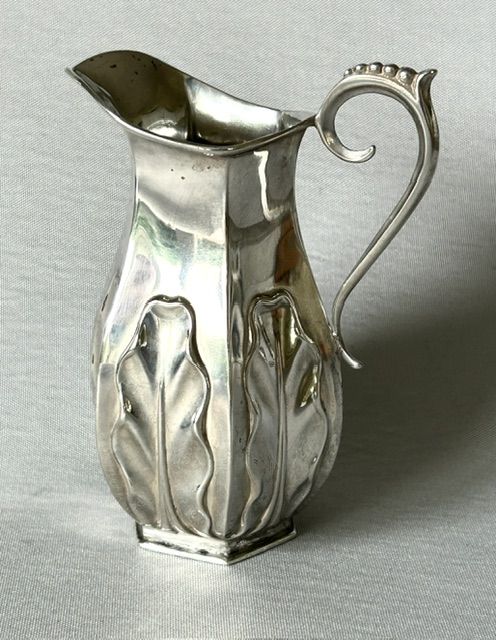
These pieces often take imaginative shapes, such as nautilus shells or decorative jugs. They reflect the Victorian desire for specialised utensils during formal dining.
Are these items safe for modern dining?
Most solid sterling silver and glass accessories remain fully functional for modern use, provided they are washed by hand rather than in a dishwasher. Items with delicate mechanisms or fabric linings require more careful handling.
Silver-plated pieces should be checked to ensure the base metal is not exposed through heavy wear. Using them for display or gentle dining preserves their historic condition.