



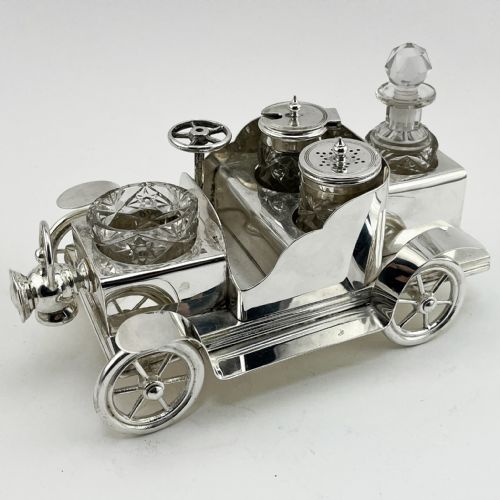

Victorian Tabletop Silver
Victorian tabletop silver gathers domestic metalwork, glass and mirrors designed to adorn desks, sideboards and dining tables.
Victorian Tabletop Silver
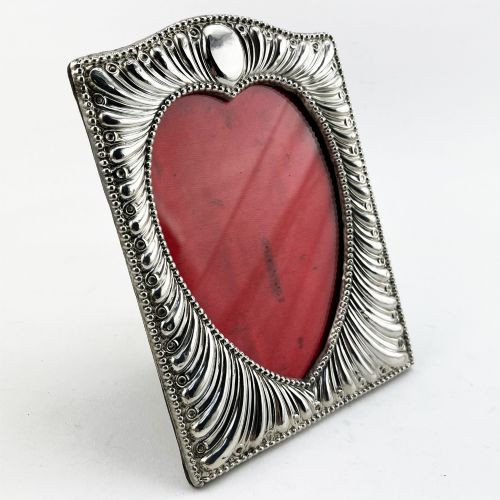
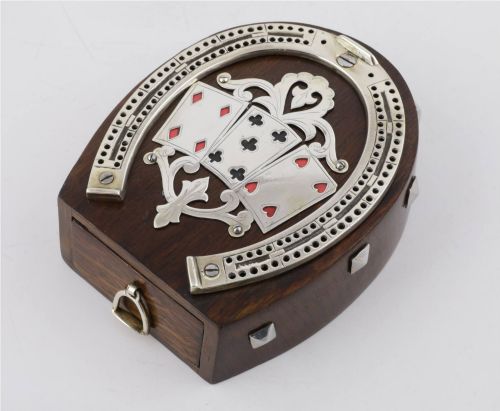
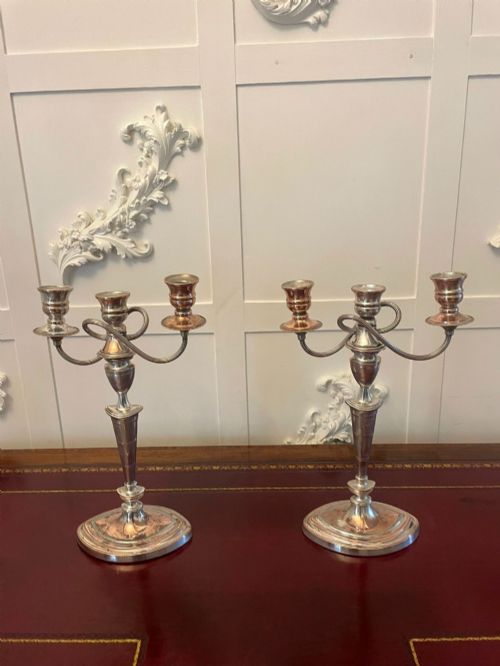
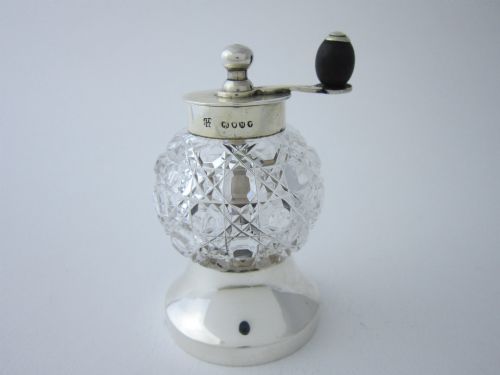
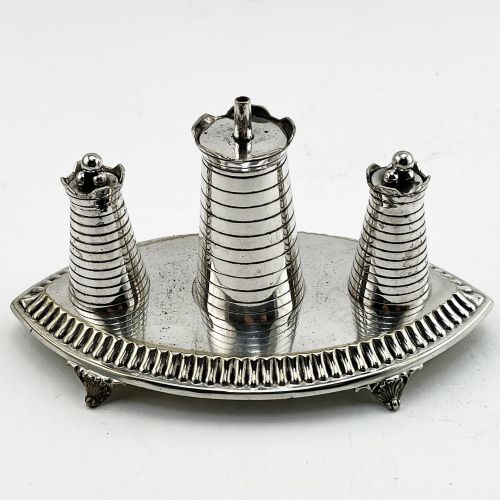
When searching for victorian tabletop silver, buyers encounter functional objects and decorative items intended for domestic surfaces during the nineteenth century. These pieces span from cruet sets, photo frames and candlesticks to table gongs, mirrors and pepper mills.
The selections on this page draw from periods ranging across the nineteenth century into the Edwardian era. Materials extend from sterling silver and silver plate to glass, wood, velvet, brass, tortoiseshell and cast iron.
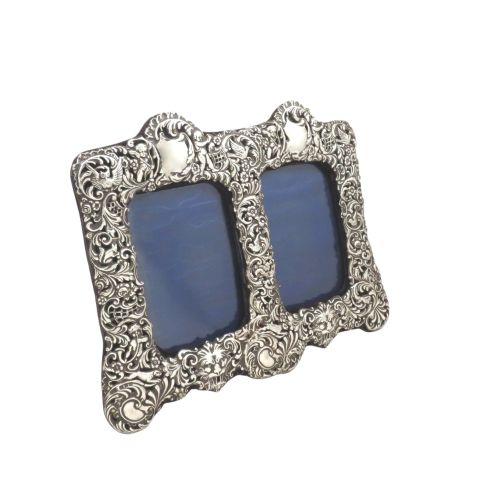
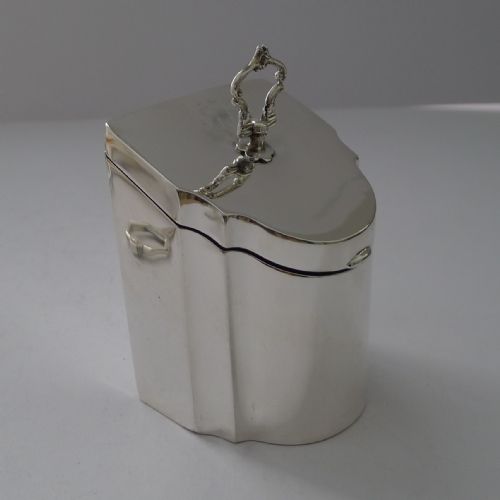
Stylistic influences observed among these items include Rococo Revival, Victorian Gothic, castle style and Aesthetic taste. Forms range from bachelor cruet sets and double photo frames to wine coolers and tea caddies shaped like knife boxes.
Materials and construction methods
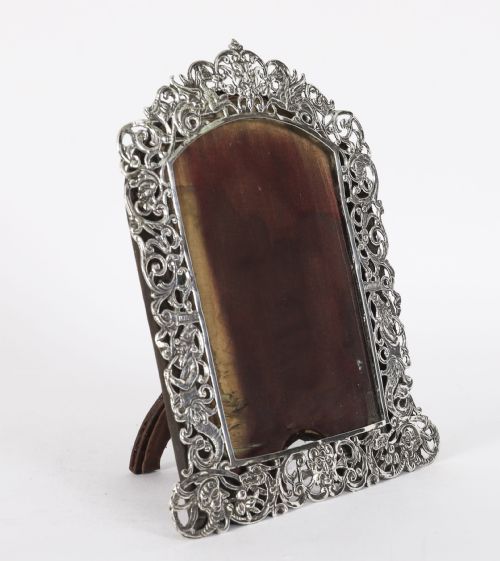
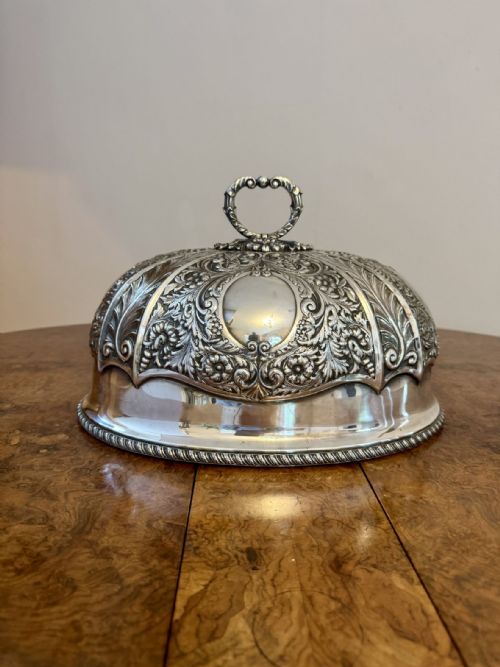
Makers utilised sterling silver and silver plate applied over base metals, combining solid casting with rolled plating techniques. Silver components were frequently stamped, pierced or chased to create elaborate surface ornament.
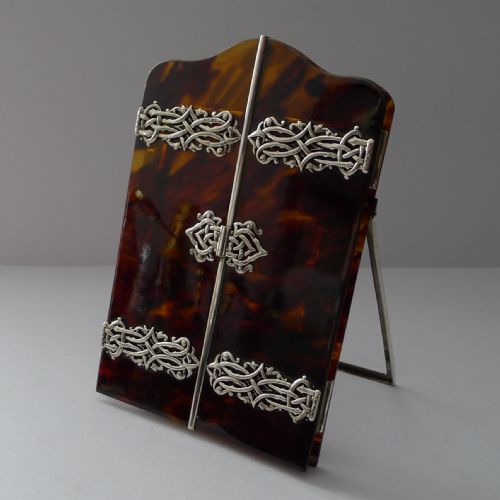
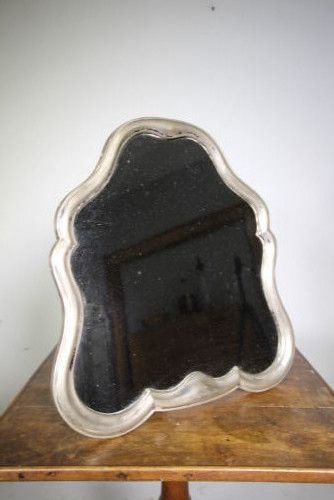
Many objects incorporate secondary materials such as cut glass bottles, wooden backs, tortoiseshell panels and velvet linings to support the primary metal framework. Frames and mirrors often employ easel stands and hinged mounts for tabletop display.
Victorian Tabletop Silver Retail Price Guide 2026
Typical asking prices for victorian tabletop silver among the pieces listed under this phrase on Sellingantiques today, from the lower quarter to the upper quarter. They describe what is for sale here now, not the wider market.
Cow horn dinner gongs brought a distinctly rustic note to Victorian dining rooms.
Assessing quality in domestic silver
Distinctions in quality arise from the depth and crispness of chasing and piercing work on metal surfaces. Heavier gauge silver and substantial silver plate exhibit greater durability and structural integrity across frames and cruet frames.
The integration of mixed materials, such as tortoiseshell mounts, bevelled mirror glass or matched cut-glass bottles, indicates higher production standards. Maker marks and clear hallmarks establish verifiable origin and workshop proficiency.
Rosenthal Jacob And Co·Osborne Garrett And Co·Mappin Brothers·Walker And Hall·Syner And Beddoes·Elkington And Co·Jean Gille·William Comyns
The Victorian Tabletop Silver Glossary
- Cruet set
- A collection of small glass bottles or jars mounted in a metal frame for holding condiments at the dining table. These sets often include mustard pots, oil cruets and pepper castors.
- Silver plate
- A layer of silver fused or electroplated onto a base metal such as copper, brass or white metal. This technique offered an accessible alternative to solid sterling silver during the nineteenth century.
- Hallmark
- An official stamp applied to precious metals indicating purity, the assay office of origin and the year of testing. British sterling items frequently carry town marks and maker initials.
- Cast iron
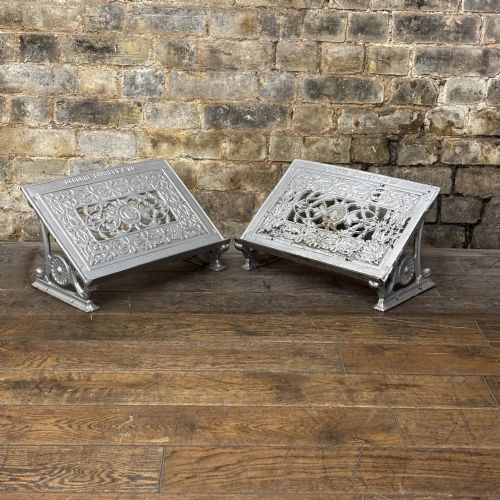
- An iron-carbon alloy poured into moulds to form rigid objects. In tabletop items, it provides heavy weight and stability for book rests and structural frames.
- Silver gilt
- Sterling silver that has been coated with a thin layer of gold on its surface. This process creates a warm golden finish while retaining a silver core.
Victorian Tabletop Silver: Frequently Asked Questions
What items count as tabletop silver?
Tabletop silver encompasses portable decorative and functional objects designed for display on desks, sideboards and dining surfaces. Categories include photograph frames, cruet sets, candlesticks, dressing table mirrors and small boxes.
These pieces were produced in solid sterling silver and silver plate, often incorporating glass, wood and velvet elements to serve domestic routines.
How do I date a silver item?
Dating relies primarily on official hallmarks stamped into the metal, which record the assay office, metal purity and year letter. Stylistic indicators such as Rococo Revival curves or Aesthetic movement motifs also point to specific decades.
Maker marks provide additional chronological reference by linking pieces to documented operating periods of individual silversmiths and manufacturing firms.
How were cruet sets used?
Cruet sets held condiments, oils, vinegars and sauces for service at the dining table. Individual glass bottles fitted with metal tops sat within a dedicated stand for easy transport.
Bachelor sets featured smaller arrangements scaled down for smaller households, while larger seven-bottle versions served formal dining occasions.
How do I care for silver plate?
Silver plate requires gentle cleaning with non-abrasive silver polish and a soft cloth to remove tarnish without wearing through the thin plating layer. Frequent washing should be avoided, particularly on items with velvet or wooden backing.
Store pieces in dry environments away from direct sunlight and dampness to preserve both the metal surface and secondary materials like tortoiseshell.