




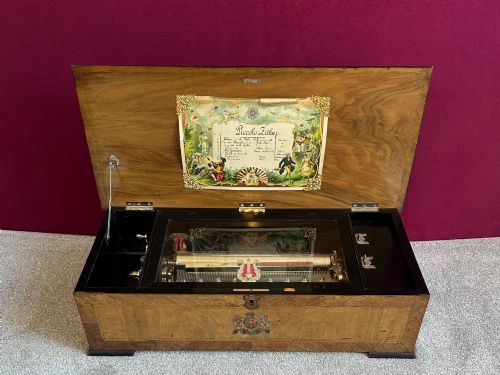
Victorian Tabletop Box
A victorian tabletop box is a portable piece designed to sit on a surface, holding everything from jewellery to music box movements.
Victorian Tabletop Box
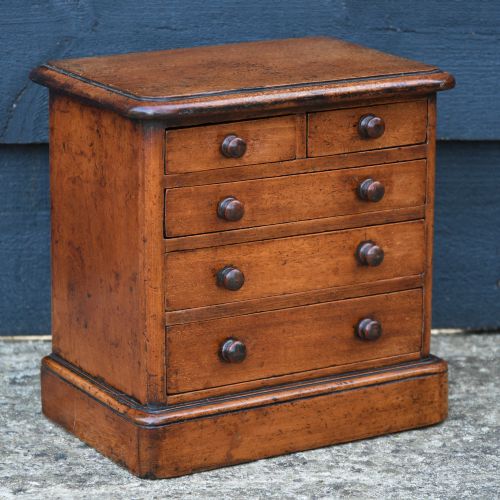
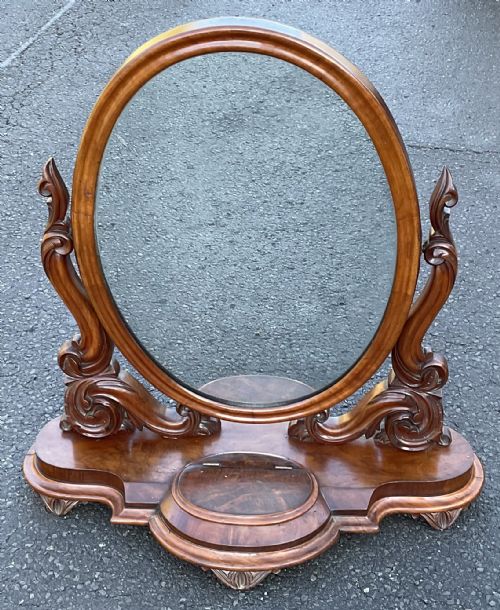
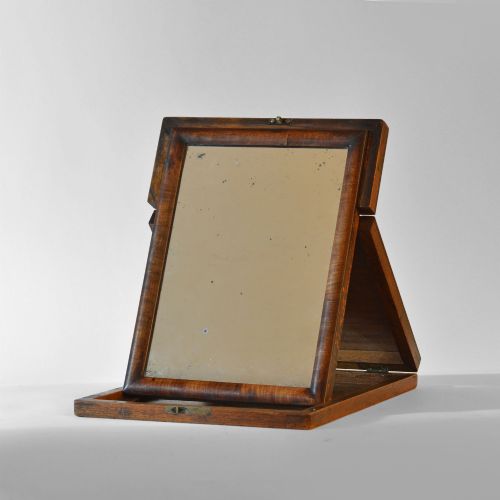
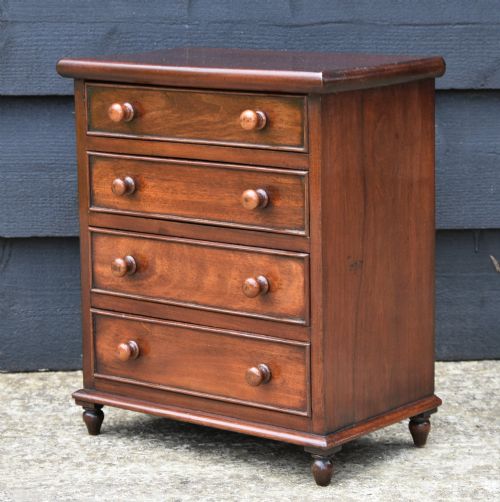
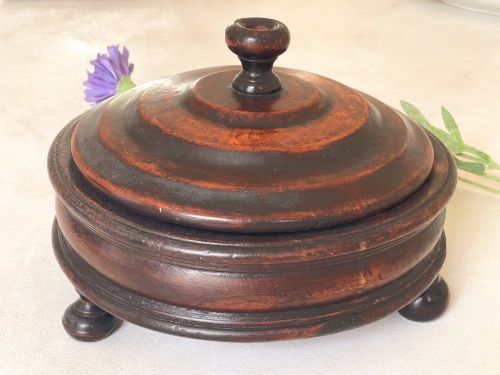
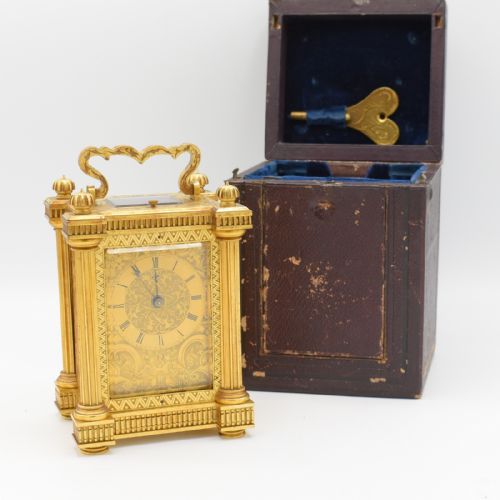
A victorian tabletop box encompasses a diverse range of portable containers built to sit upon furniture, varying from miniature chests of drawers and jewellery cabinets to music boxes and games boards. Buyers searching this phrase most frequently encounter mahogany apprentice pieces and walnut or rosewood jewellery chests dating through the nineteenth century.
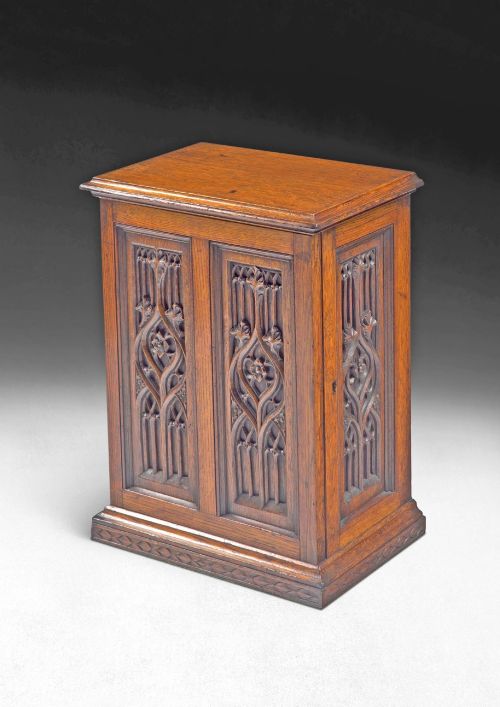
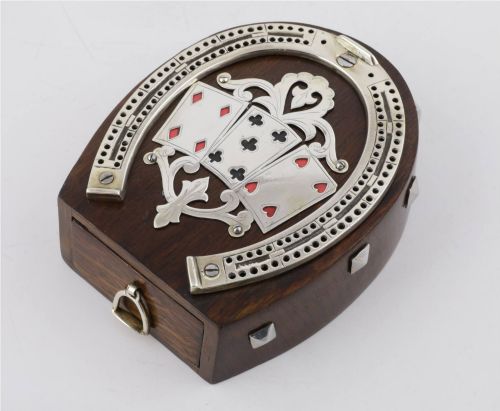
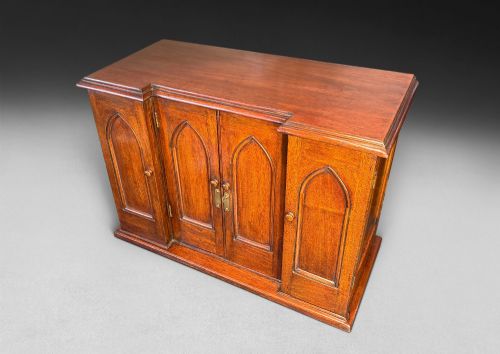
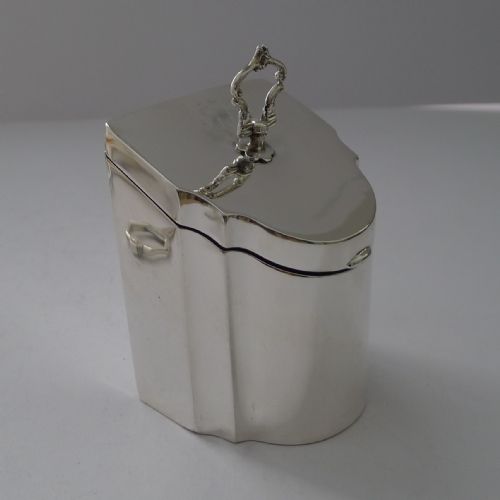
The selection ranges across several distinct styles and uses, including Gothic oak collectors cabinets, brass-mounted kingwood planters, and silver snuff boxes. These objects served utilitarian and decorative functions in period rooms, often housing specific items like cartes de visite, microscope slides, or playing cards.
Materials and construction
Cabinet makers utilised dense hardwoods such as mahogany, walnut, rosewood, and oak for the primary structures, frequently incorporating burr veneers to create decorative grain patterns. Brass hardware, mother of pearl inlay, and gilt bronze mounts provided structural reinforcement and surface ornamentation.
Joinery methods involved precise dovetailing for drawer construction and sturdy framing to support internal compartments, secret drawers, and mechanical components like musical movements. French polishing and hand-carved details finished the exterior surfaces of these portable containers.
Victorian Tabletop Box Retail Price Guide 2026
Typical asking prices for victorian tabletop box among the pieces listed under this phrase on Sellingantiques today, from the lower quarter to the upper quarter. They describe what is for sale here now, not the wider market.
The inventory spans diverse periods, including Regency, Victorian, and Edwardian eras, utilising materials like brass, tortoiseshell, glass, and rosewood.
Evaluating craftsmanship
The standard of execution depends heavily on the selection of timber veneers and the precision of the joinery, particularly in the fitting of miniature drawers and secret compartments. Superior examples display seamless inlay work, such as mother of pearl or brass stringing, integrated smoothly into the wood surface.
Internal mechanisms, where present, dictate a significant tier in execution, distinguishing standard storage receptacles from complex Swiss musical boxes or fully appointed dressing cabinets. The integrity of the original hardware, locks, and lining materials further separates standard pieces from exceptional ones.
Howell & James London·Manoah Rhodes & Sons Ltd·B A Bremond
The Victorian Tabletop Box Glossary
- Apprentice piece
- A small-scale item demonstrating a craftsman's skill to attain master status. These often take the form of miniature chests of drawers.
- Burr walnut
- A figured wood veneer derived from the burls of walnut trees. It provides a swirling, highly decorative pattern on cabinet exteriors.
- Cartes de visite
- Small photographic portraits popular in the nineteenth century. They required specialised display boxes and frames for tabletop viewing.
- Kingwood
- A dense, heavily figured exotic timber utilised in fine cabinet making. It frequently appears alongside tulipwood in decorative marquetry.
- Table cabinet
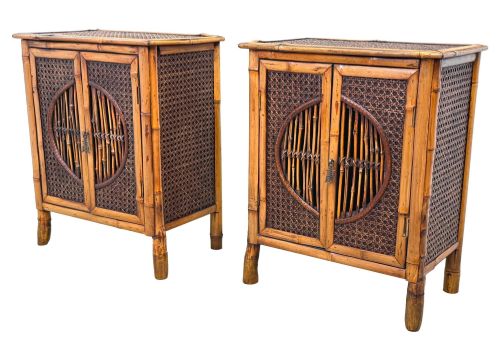
- A freestanding miniature storage unit designed for desk or table placement. These pieces often feature multiple internal drawers or compartments.
Victorian Tabletop Box: Frequently Asked Questions
What were apprentice pieces used for?
Apprentice pieces functioned as demonstrations of skill rather than toys or miniature furniture for children. Craftsmen created these small-scale chests to prove their abilities to guild members before gaining master status.
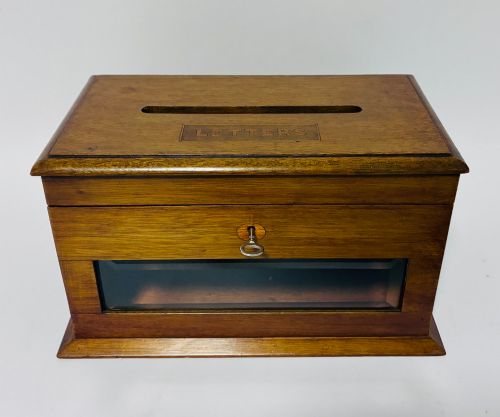
Over time, these scaled-down chests found practical use in domestic spaces as jewellery storage or desktop letter organisers. Their robust construction mirrors full-size furniture of the period.
How do I identify a music box mechanism?
Nineteenth-century musical boxes rely on a pinned metal cylinder revolving against a tuned steel comb. Swiss makers dominated this craft, frequently marking the brass beds or tunesheets inside the case.
Enclosed wooden cases protect these delicate brass and steel components while projecting the sound. Winding keys or levers operated the spring-driven movements from the exterior.
Where should I place a tabletop cabinet?
These compact pieces suit desks, sideboards, or console tables where they can sit securely away from direct sunlight and heat sources. Their flat bases allow stable placement on most flat wooden or glass surfaces.
Placing them at eye level or on lower surfaces permits easy access to internal drawers, jewellery compartments, or writing slopes without risking a fall.
What materials indicate high quality?
Fine examples feature solid mahogany, rosewood, or burr walnut foundations accented with brass stringing, mother of pearl inlay, or gilt bronze mounts. The interior linings often utilise patterned paper, velvet, or leather.
Hand-cut dovetail joints on the drawers and original working locks with matching keys confirm superior craftsmanship. The absence of modern replacement screws also supports authenticity.