

Victorian Swivel Table
A victorian swivel table brings clever engineering and rich timber together, offering a versatile surface that pivots open for cards or adjusts to catch the morning light.
Victorian Swivel Table
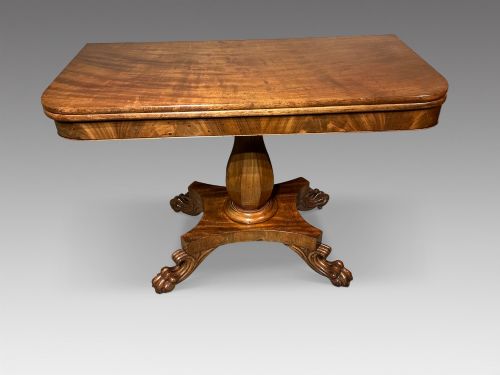
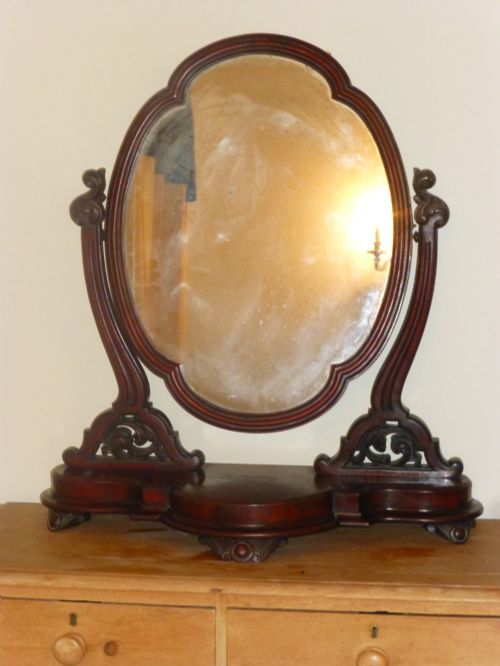
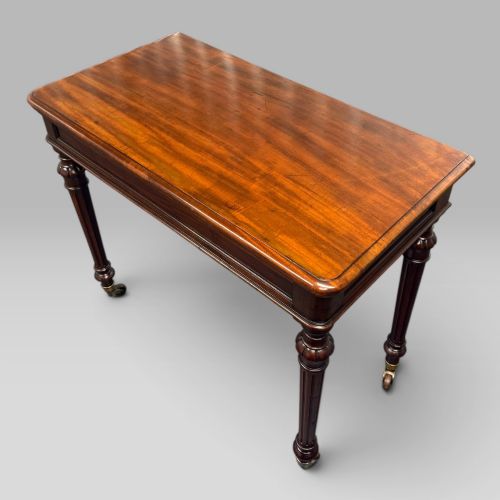
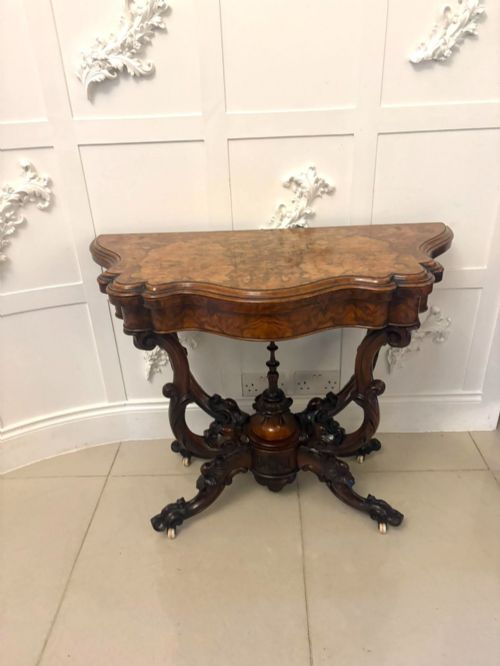
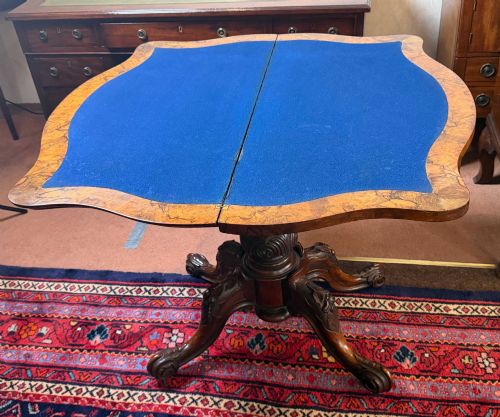
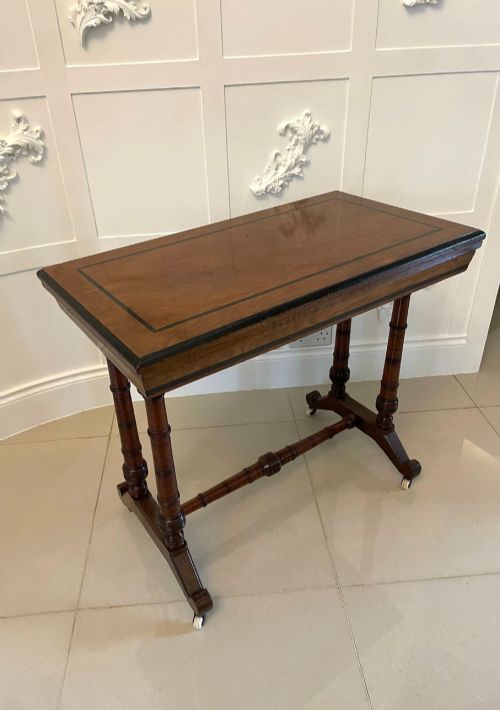
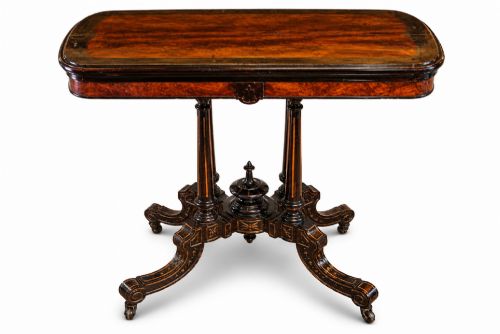
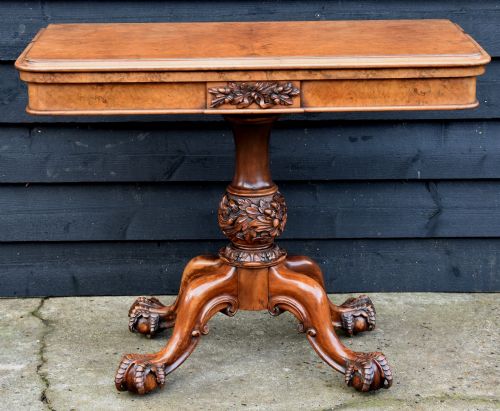
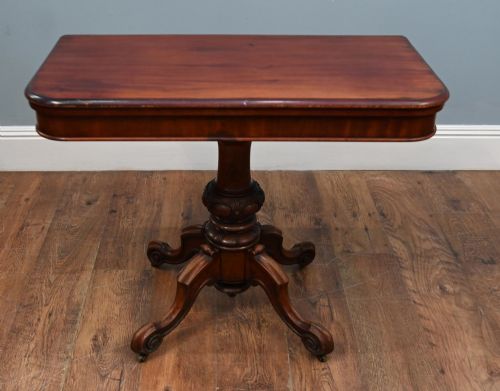
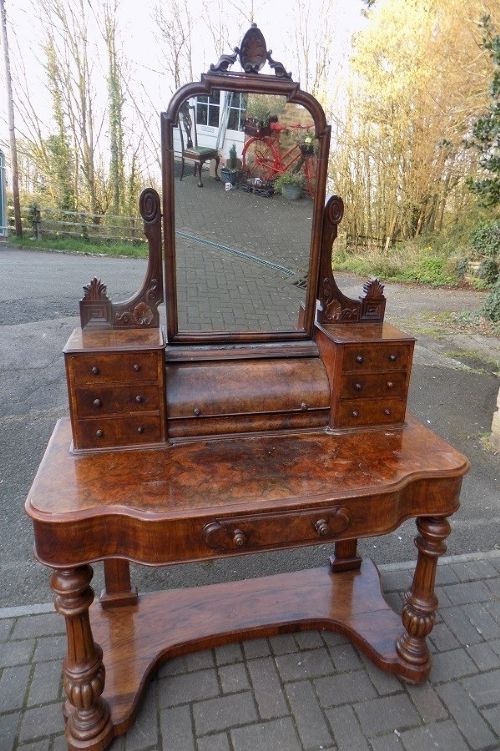
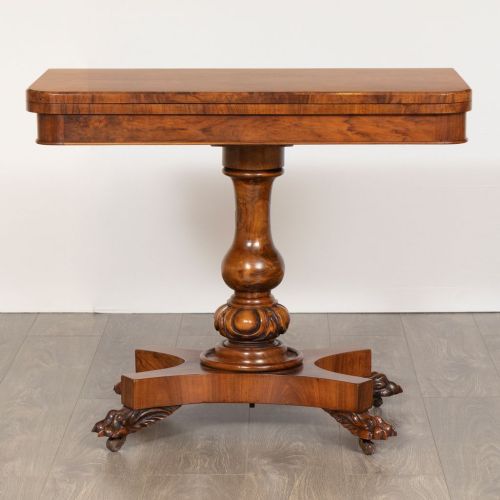
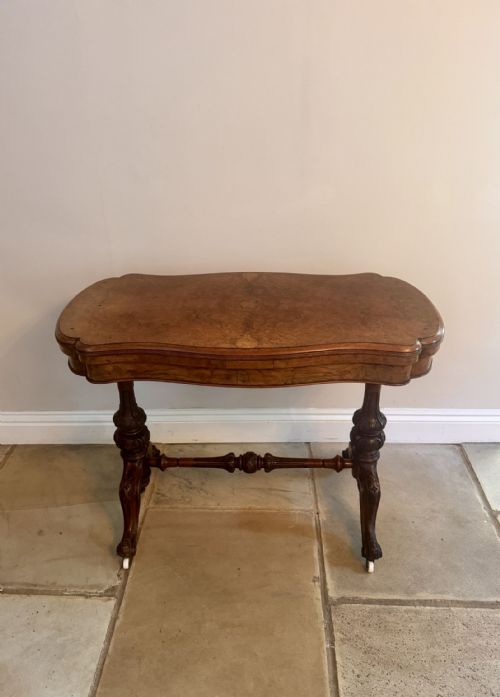
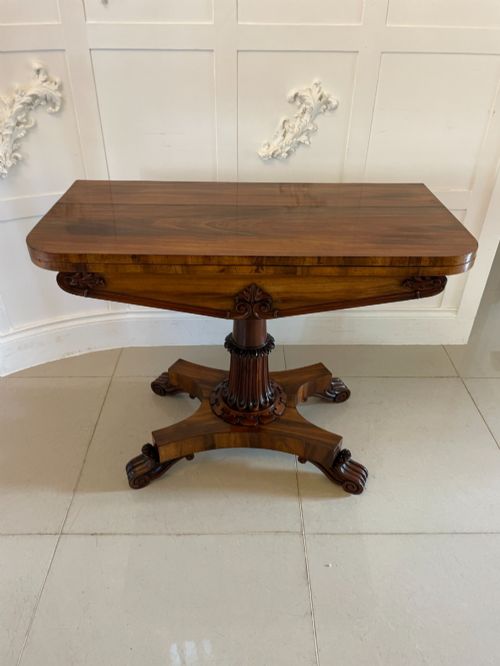
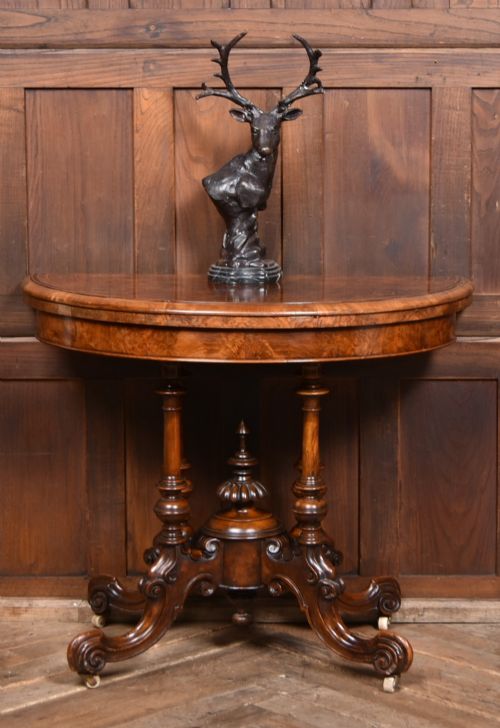
When you search for a victorian swivel table, you encounter a selection of card tables, games tables, and dressing mirrors featuring pivoting mechanisms. These pieces served dual functions in nineteenth-century parlours and bedrooms, turning smoothly to reveal hidden compartments or adjust angles.
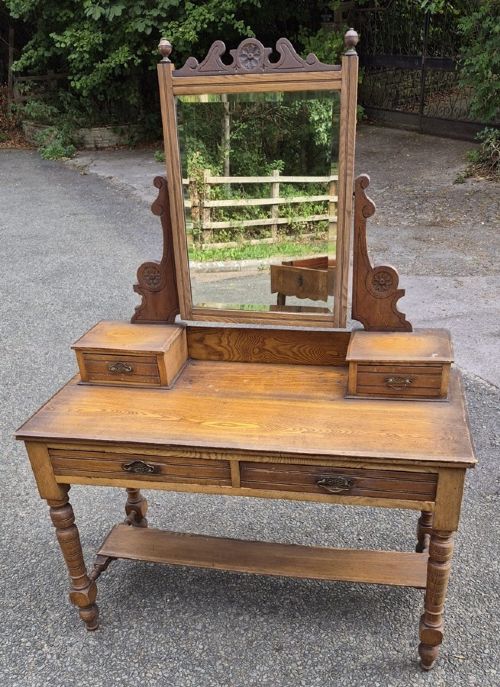
The most common forms on this page include fold-over mahogany and burr walnut card tables alongside mahogany dressing mirrors and toilet mirrors. Makers of the period engineered these pivoting tops and swing frames to balance stability with ease of movement.
How they were made
Cabinet makers utilised dense timbers such as mahogany, rosewood, walnut, and burr walnut, often applying veneers to curved and flat surfaces alike. Brass hinges, pivots, and cast bronze mounts provided the necessary mechanical strength for moving parts.
Joinery techniques combined traditional framing with pivoting pivots and swing pins that allowed tabletops to rotate or mirrors to tilt securely. Selected pieces also incorporated fine inlay, ebony detailing, and carved elements to enrich the timber.
Victorian Swivel Table Retail Price Guide 2026
Typical asking prices for victorian swivel table among the pieces listed under this phrase on Sellingantiques today, from the lower quarter to the upper quarter. They describe what is for sale here now, not the wider market.
Thomas Rubergall supplied optical mirrors that made Victorian reflection a scientific pursuit.
What varies in quality
The selection of timber grain largely determines the character of a piece, with figured burr walnut and rich rosewood commanding attention over plain mahogany or oak. Crispness in carved details and precision in the pivoting mechanism separate standard utilitarian items from finer examples.
Construction integrity shows in the smoothness of the swivel action and the tightness of the joints as the timber responds to age. Pieces bearing documented maker signatures or refined brass fittings demonstrate superior workshop standards.
Heal & Sons·Thomas Rubergall·Edwards & Roberts
The Victorian Swivel Table Glossary
- Swivel top
- A tabletop designed to rotate on a central pivot, often lifting or folding open to reveal a lined playing surface or storage well underneath.
- Fold-over card table
- A table featuring a hinged top that doubles in surface area when opened out flat for gaming or dining.
- Swing mirror
- A mirror plate mounted on vertical posts with pivot screws, allowing the glass to tilt forward or backward.
- Burr walnut
- Timber taken from the wart-like growths on walnut trees, prized for its swirling, highly figured grain patterns.
- Console table
- A table designed to stand against a wall, frequently paired with mirrors or adapted with folding tops.
Victorian Swivel Table: Frequently Asked Questions
How do swivel card tables work?
The upper leaf of the table pivots on a central pin fixed to the frieze, allowing the top to turn ninety degrees before folding out flat. This movement uncovers a concealed well used for storing cards and gaming counters.
Supporting rails swing into place automatically as the top opens, providing a stable surface for play without straining the hinge mechanism.
What is the difference between a dressing mirror and a toilet mirror?
Historically, toilet mirrors were smaller portable glass frames designed to sit upon a chest of drawers or a dedicated dressing stand. Dressing mirrors often formed part of a larger dressing table or stood independently on pedestals.
Both types utilise swing frames mounted on uprights, though toilet mirrors tend to date earlier in domestic interiors.
How do I care for burr walnut veneer?
Burr walnut requires stable indoor humidity and protection from direct sunlight to prevent the thin veneer from drying or lifting. Regular dusting with a dry cloth maintains the polished surface without the need for heavy waxes.
Avoid placing damp items directly onto the timber, as moisture can penetrate the French polish and cloud the grain beneath.
How can I tell a Victorian piece from a Regency one?
Regency pieces typically display cleaner classical lines influenced by neoclassical design, often utilising straight mahogany veneers and restrained brass mounts. Victorian designs generally introduce heavier proportions, bolder carving, and elaborate figured veneers like burr walnut.
Construction details such as secondary timbers and screw types also help differentiate mid-nineteenth-century work from earlier Regency craftsmanship.