


Victorian Style Sofa
When you search for a victorian style sofa, you are looking at nineteenth-century seating that brings generous upholstery and revivalist carving into the room.
Victorian Style Sofa
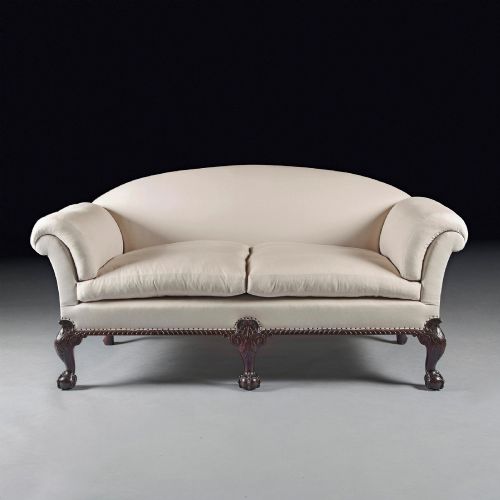
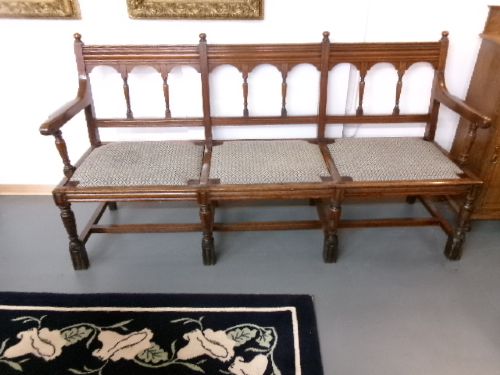
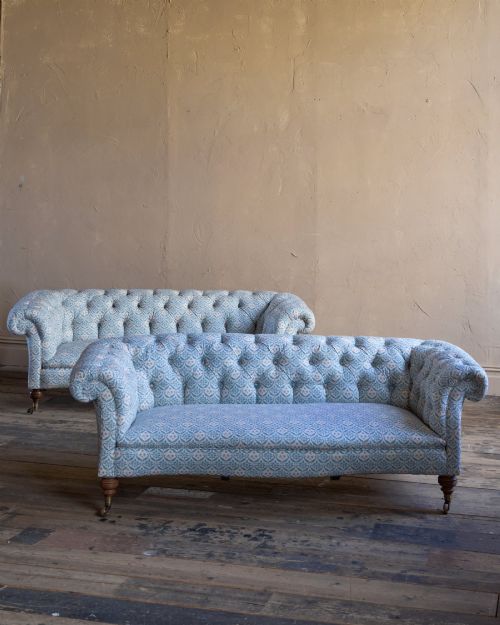
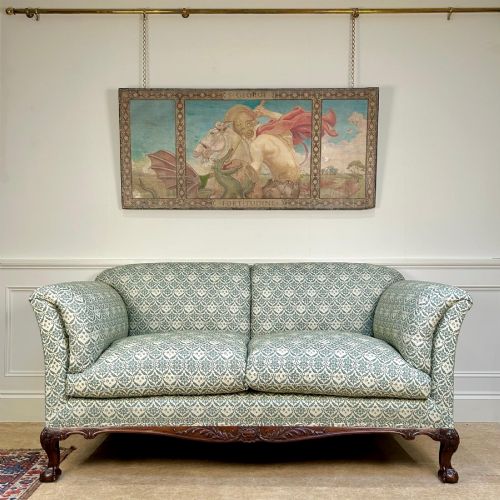
A victorian style sofa encompasses nineteenth-century seating built across the decades from the eighteen-sixties to nineteen-hundred, drawing on earlier Georgian, Regency, and Louis-style designs. You will encounter walnut and mahogany frames, deep buttoned upholstery, and structured shapes such as drop-arm settees, camel backs, and Chesterfield forms.
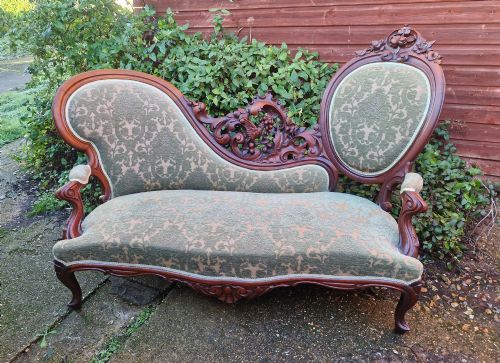
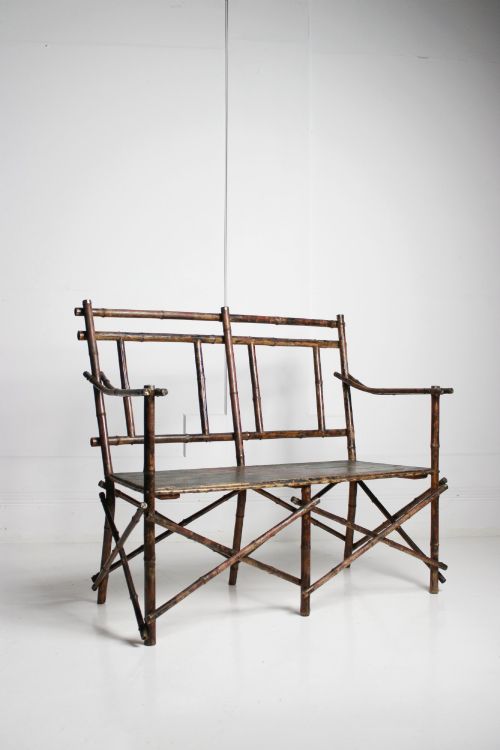
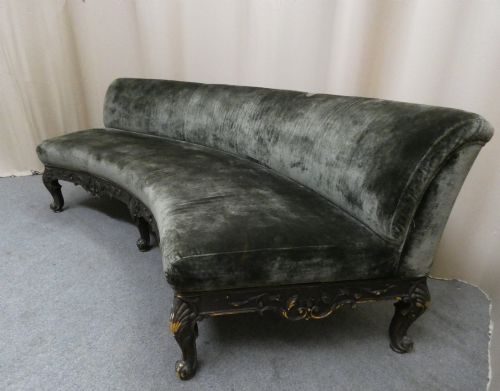
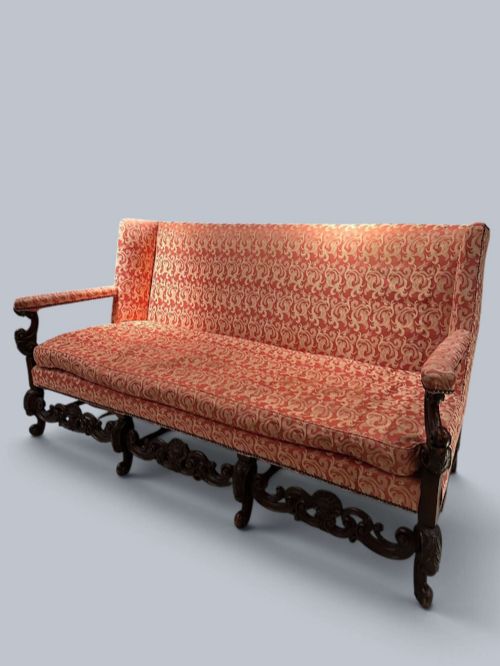
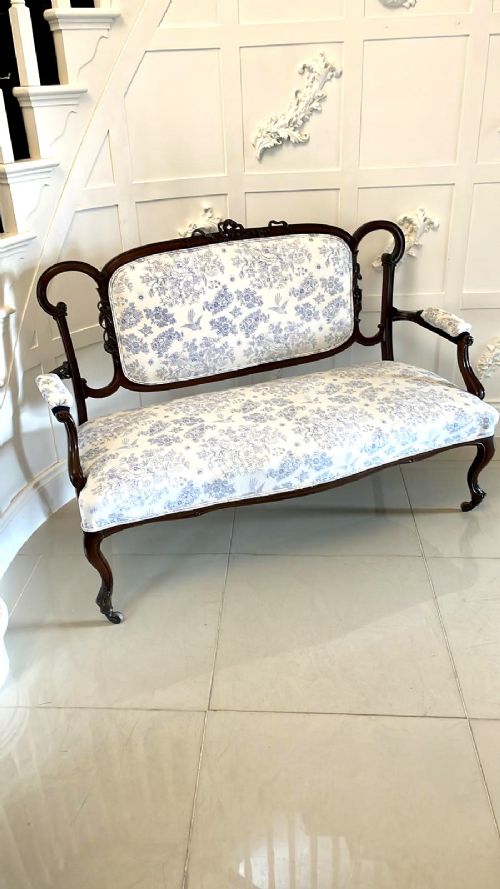
The pieces appearing on this page range from walnut twin chair back settees and carved rosewood couches to large country house chesterfields and daybeds. Many items reflect revivalist impulses including Rococo, Gothic, and Napoleon III aesthetics, alongside maker-influenced styles attributed to workshops like Howard and Sons.
Makers often adapted historical templates, producing walnut three-seater couches or mahogany framed tub sofas with specific regional details. Whether you examine a French-influenced salon suite or an Anglo-Indian framed bench, these items combine period timber construction with period textile finishes.
How they were made
Cabinetmakers constructed the structural frames of a victorian style sofa using dense timbers like mahogany, walnut, rosewood, and satinwood, often shaping the wood through hand carving. Structural joins frequently relied on traditional woodworking methods paired with cast iron elements in specialised daybed frames.
Upholstery techniques defined the comfort and profile of these pieces, employing deep buttoning, springing, and fabric layers of velvet, leather, and woven textiles. Secondary materials such as brass fittings appeared on castors, drop mechanisms, and campaign-style hardware.
Victorian Style Sofa Retail Price Guide 2026
Typical asking prices for victorian style sofa among the pieces listed under this phrase on Sellingantiques today, from the lower quarter to the upper quarter. They describe what is for sale here now, not the wider market.
Listings feature walnut, mahogany, rosewood, satinwood, and pitch pine across nineteenth-century forms.
What varies in quality
The calibre of a victorian style sofa depends largely on the crispness of the timber carving and the architectural proportion of the frame. Higher tier pieces display finely figured walnut or mahogany, balanced joinery, and substantial weight in the underlying wooden structure.
Upholstery execution dictates longevity and aesthetic success, with superior examples retaining precise buttoning, well-sprung tension, and appropriate period-correct textile choices. The presence of documented workshop influence, such as Howard style construction, elevates the distinction of the seating.
Howard and Sons·Gillow·Butlers of Dublin
The Victorian Style Sofa Glossary
- Chesterfield
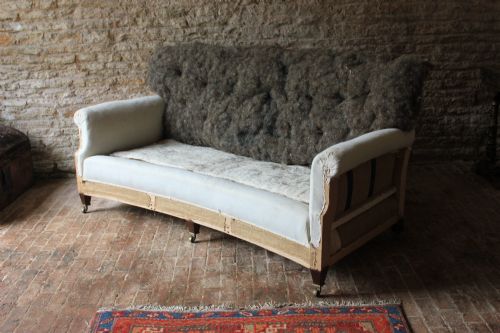
- A heavily upholstered sofa characterised by uniform low back and arm heights with deep button tufting. This form became a staple of nineteenth-century drawing rooms.
- Chaise longue
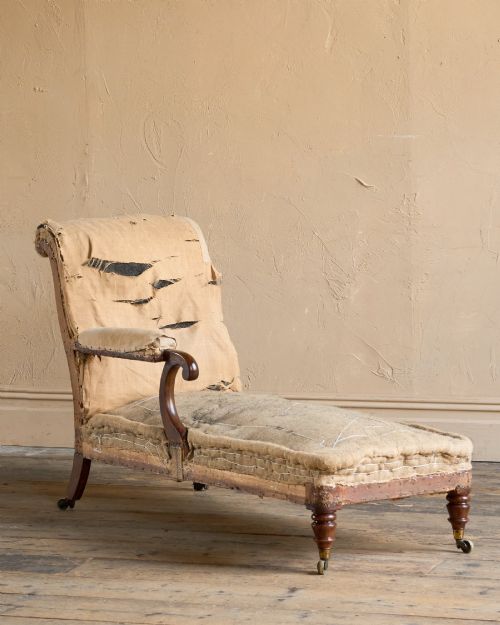
- An elongated upholstered chair designed for reclining, featuring a single raised backrest at one end. Examples frequently incorporate carved walnut or mahogany frames.
- Buttoned back
- An upholstery method where tufts are pulled tight and secured with buttons to create a diamond pattern across the fabric. This technique provided structural firmness alongside decoration.
- Drop arm
- A mechanical sofa arm that can be lowered via a hinge mechanism to convert the seating into a daybed or sleeping surface. It demonstrates period mechanical ingenuity.
- Satinwood
- A hard, durable timber with a characteristic golden lustre utilised for high-status cabinet work and decorative framing. It frequently appears in late nineteenth-century pieces.
Victorian Style Sofa: Frequently Asked Questions
How do I identify a Howard style sofa?
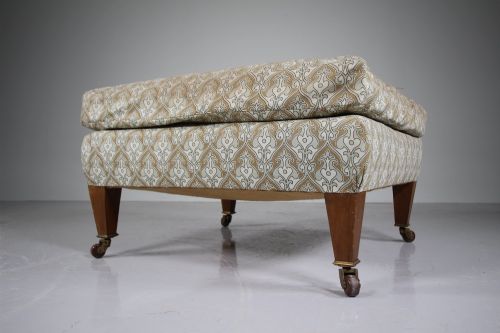
Howard style sofas typically exhibit low rolled arms, deep sprung seats, and short turned walnut legs on brass castors. They prioritise deep comfort over rigid formal posture.
Original pieces and quality nineteenth-century interpretations often carry maker stamps or distinct structural proportions associated with the firm.
What timber was used for Victorian sofas?
Makers predominantly utilised dense hardwoods such as mahogany and walnut for visible frame elements, cabriole legs, and carved crest rails. Rosewood and satinwood appeared in finer or more decorative commissions.
Secondary woods supported internal framing while exposed surfaces received hand polishing to highlight the natural grain.
Are salon suites matching sets?
Salon suites comprise coordinated groupings of seating, such as a settee alongside matching armchairs or conversation seats, built in a uniform style. They were designed to create a cohesive aesthetic in Victorian reception rooms.
These suites share identical timber frames, upholstery fabrics, and carved decorative motifs across all component pieces.