
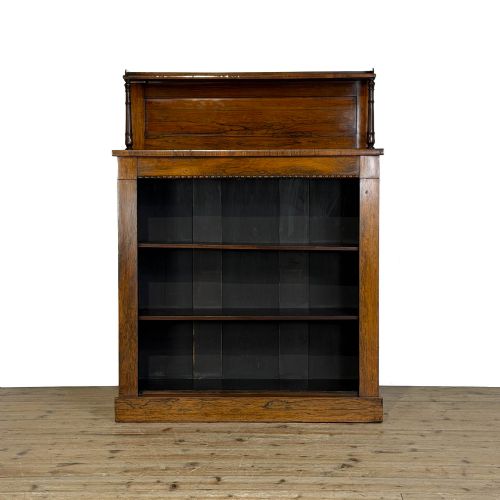
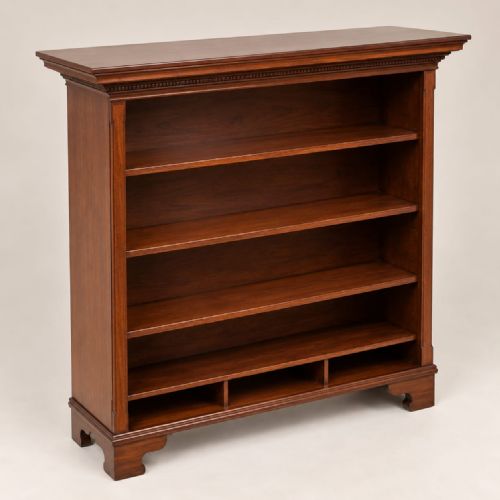
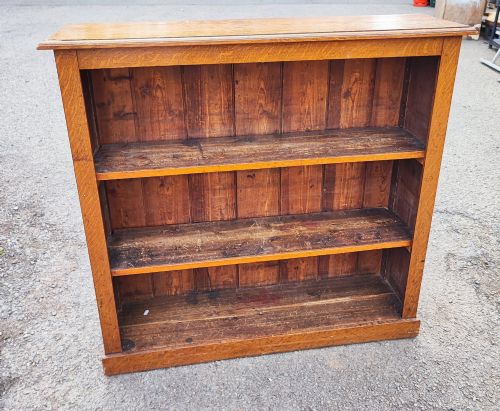
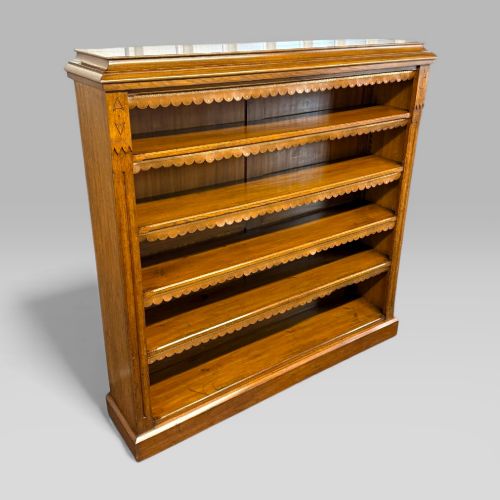

Victorian Style Open Shelving
Victorian style open shelving brings versatile display space and period character into a room through tiered boards and accessible compartments.
Victorian Style Open Shelving
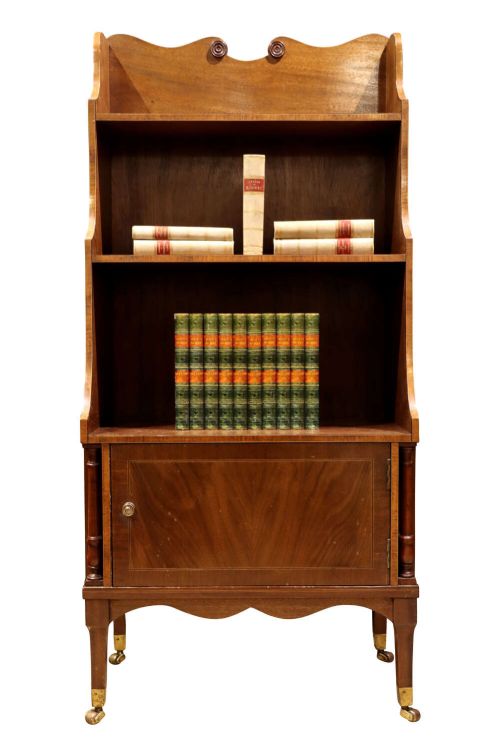
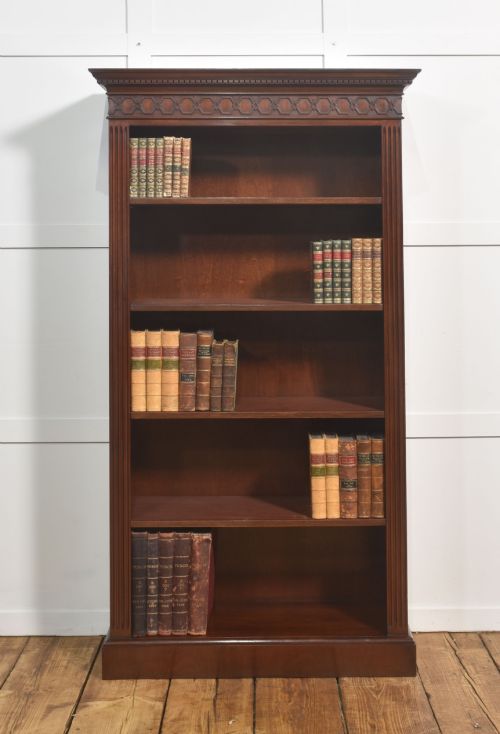
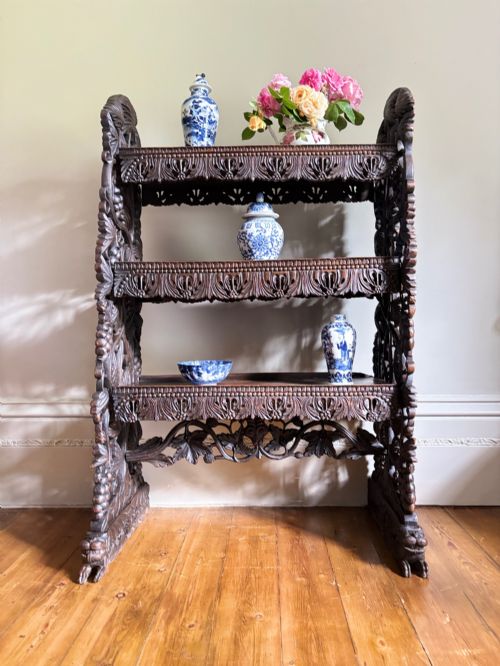
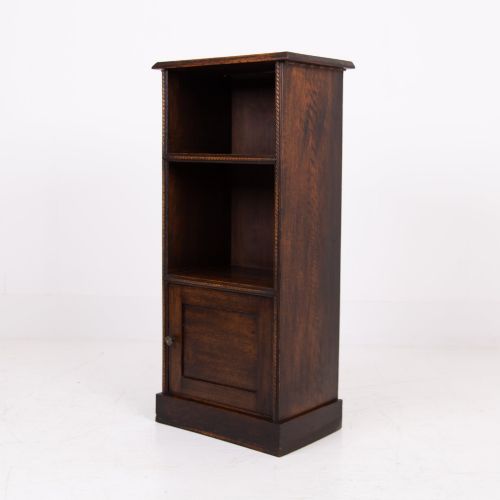
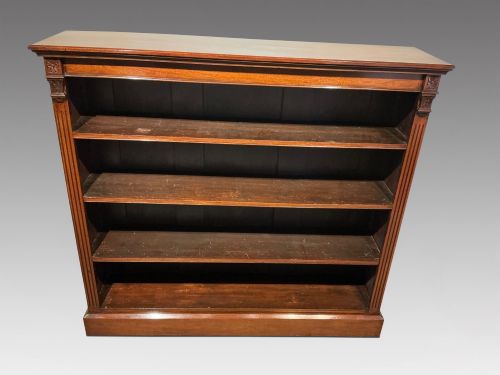
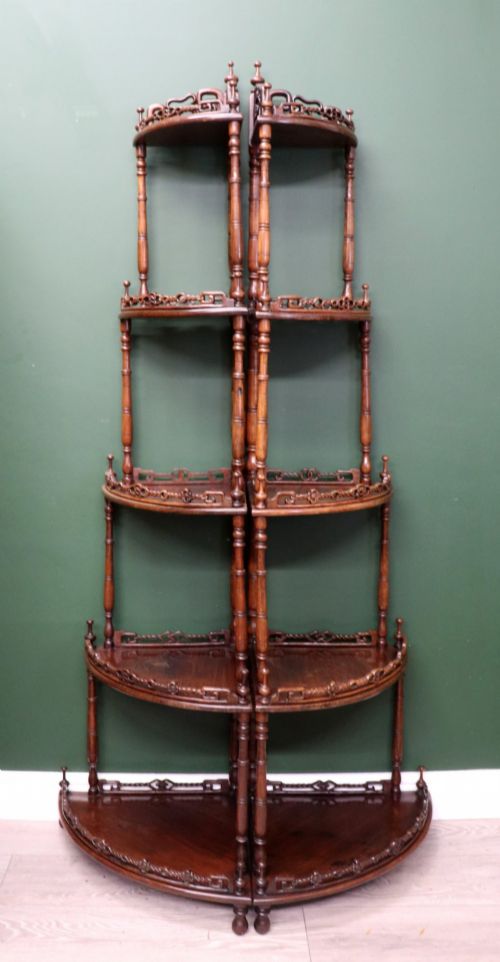
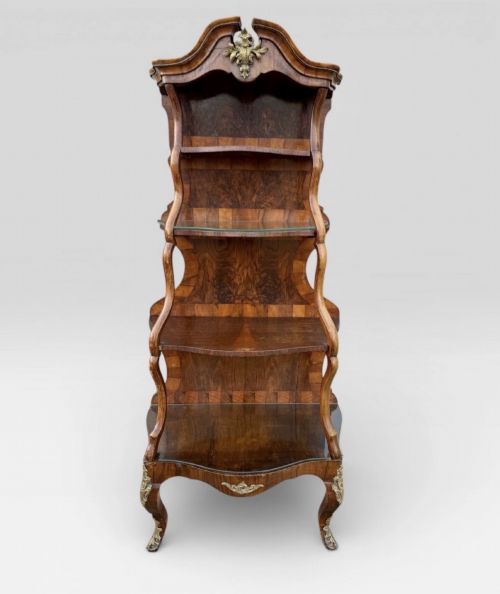
When you search for victorian style open shelving, you encounter a variety of multi-tiered display pieces designed to hold books, ornaments and curiosities. These items take several distinct forms, most commonly appearing as bookcases, etageres, whatnots and wall shelves originating from the nineteenth century.
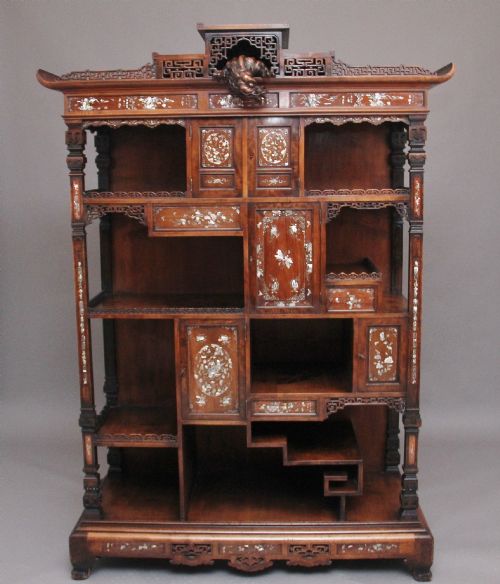
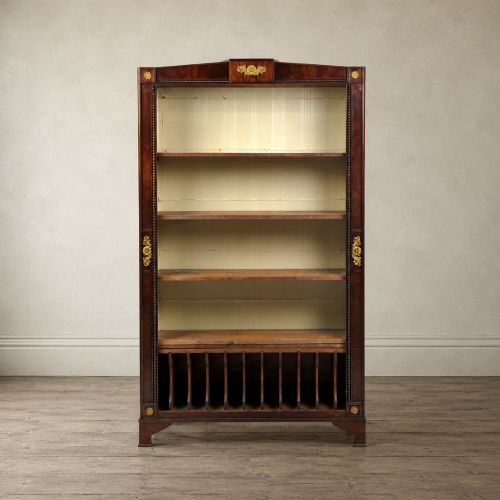
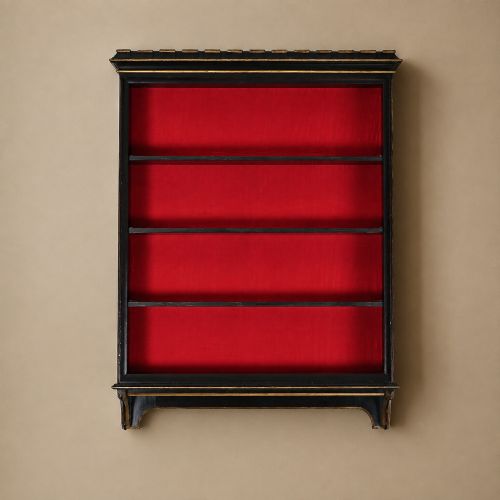
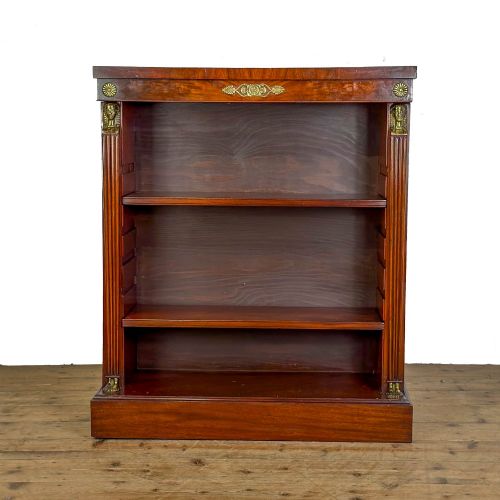
The selections on this page lean heavily towards bookcases and open shelving units constructed from rich timbers like mahogany, rosewood and oak. Alongside standard upright cases, you find stepped waterfall designs, corner units and wall-mounted variations that reflect the diverse storage needs of nineteenth-century interiors.
Originating across the nineteenth century, these pieces encompass specific stylistic movements including Aesthetic Movement, Gothic Revival, French Empire and Arts and Crafts designs. The assortment bridges simple domestic furniture and decorative display pieces incorporating glass, brass and fabric elements.
Materials and construction methods
Cabinet makers utilised a palette of dense hardwoods, predominantly mahogany, rosewood, oak and walnut, often employing veneers over secondary timbers. Selected examples integrate exotic woods such as padauk and satinwood, alongside elm and pine.
Construction details vary from straightforward joined boards to sophisticated cabinetry incorporating adjustable shelves, brass castors, ormolu mounts and gilt metal accents. Decorative flourishes include fret-cut panels, inlaid marquetry, painted details and carved giltwood elements.
The listings span the nineteenth century, incorporating Victorian, Regency, Arts and Crafts, and Aesthetic Movement design philosophies.
Distinguishing quality in period shelving
The calibre of a piece rests largely on the selection of timber and the precision of its joinery. Superior items display well-figured wood grains, crisp carving and thoughtful proportions rather than plain utility.
Additional refinement comes from integrated decorative elements such as brass mountings, intricate fretwork or inlaid panels executed by skilled hands. The presence of adjustable shelving mechanics and sound structural integrity elevate a piece from basic storage to fine furniture.
George Edmund Street·Wedgwood
The Victorian Style Open Shelving Glossary
- Etagere
- A piece of furniture consisting of a set of open shelves for displaying small objects or ornaments. It usually stands free in a room.
- Whatnot
- A multi-tiered open stand designed for displaying books, ornaments or bric-a-brac, often fitted with slender corner supports.
- Waterfall bookcase
- A stepped bookcase where each successive shelf is narrower than the one below, creating a cascading profile.
- Ormolu
- Gilded bronze used as a decorative mount on fine furniture, particularly popular during the nineteenth century.
- Aesthetic movement
- A late nineteenth-century design style emphasising visual beauty, simplicity and Japanese-influenced motifs over moral or narrative themes.
Victorian Style Open Shelving: Frequently Asked Questions
What is the difference between an etagere and a whatnot?
An etagere generally functions as a tiered display stand for ornaments, while a whatnot often serves a similar purpose with specific multi-level shelving suited for corners or smaller spaces.
Both forms developed during the nineteenth century to showcase decorative objects in domestic rooms.
How do waterfall bookcases differ from standard open bookcases?
Waterfall bookcases feature stepped shelves that recede in depth from bottom to top, creating a distinct cascading silhouette. Standard open bookcases maintain a uniform depth from top to base.
This stepped design on waterfall variants allows smaller items to sit prominently on upper tiers.
Were these shelves used only for books?
While many pieces functioned as open bookcases for housing volumes, numerous etageres, whatnots and wall shelves were built exclusively for displaying ornaments and ceramics.
Nineteenth-century interiors utilised these open units for both library storage and decorative display.
How do I identify a Gothic Revival piece?
Gothic Revival furniture draws inspiration from medieval architectural motifs, typically displaying pointed arches, dark ebonised finishes and heavy structural lines.
Pieces from this movement often feature austere geometric framing and architectural carvings.
What woods were most commonly used for Victorian shelving?
Cabinet makers relied heavily on dense hardwoods such as mahogany, rosewood, oak and walnut for structural stability and rich grain patterns. Softer timbers like pine and elm also appeared in secondary roles or country house pieces.
Exotic woods like padauk and satinwood featured in select high-status commissions.