


Victorian Style Low Table
These Victorian style low table options bring period character to a room, offering low surfaces originally adapted from stools, trays and occasional tables.
Victorian Style Low Table
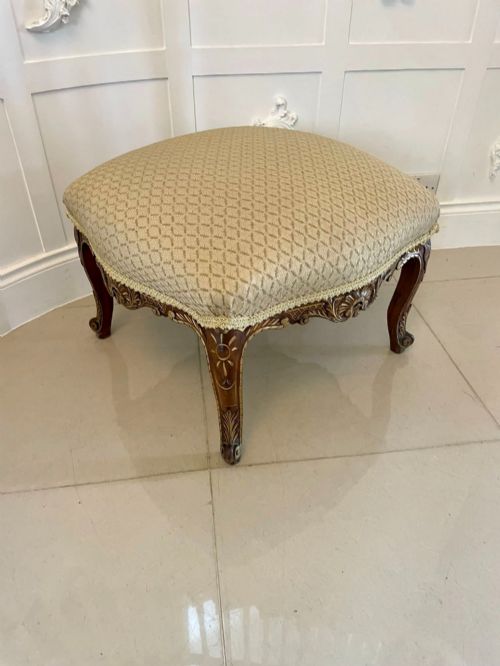
When you search for a victorian style low table, you encounter a variety of adapted nineteenth-century forms ranging from walnut stools and occasional tables to lowered wine tables and lacquered tray tables.
The pieces on this page span the nineteenth century and later revivals, capturing styles such as Queen Anne, Regency and Chinoiserie.
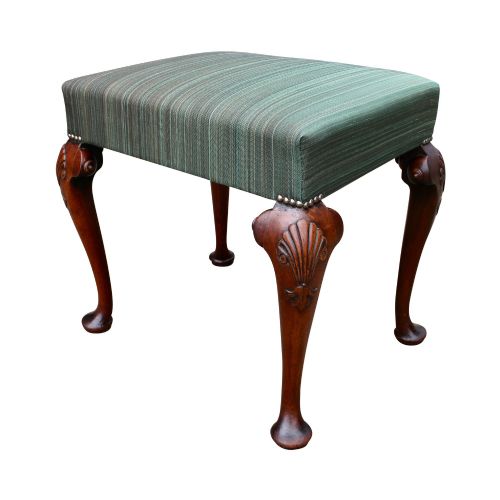
Many examples begin life as footstools, dressing table stools or side tables before being repurposed or constructed at a lower height for modern seating arrangements.
How they were made
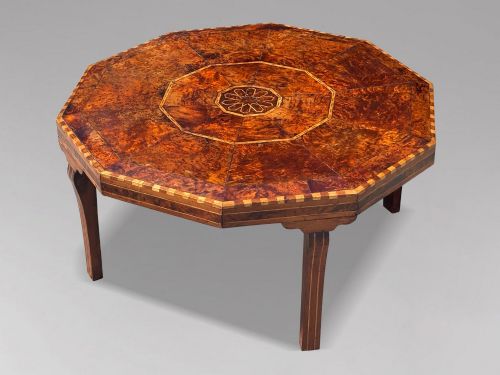
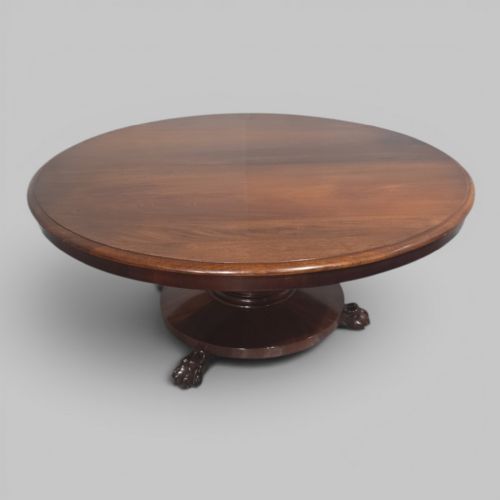
Cabinet makers utilise solid and veneered timbers such as mahogany, walnut, oak and pine, frequently incorporating burr yew or giltwood highlights.
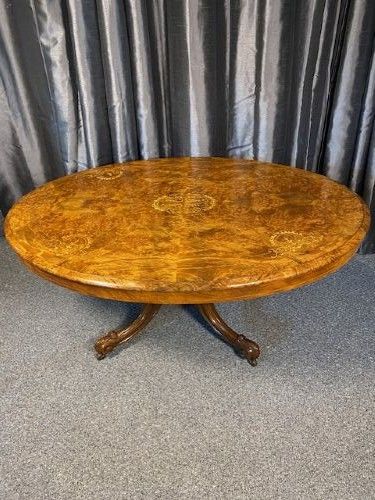
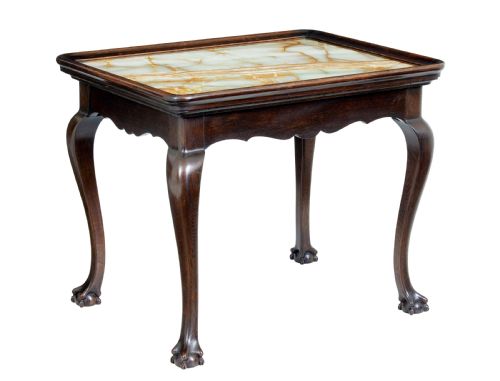
Surfaces display intricate craftsmanship through inlaid details, lacquered finishes, carved cabriole legs and inset marble or onyx tops.
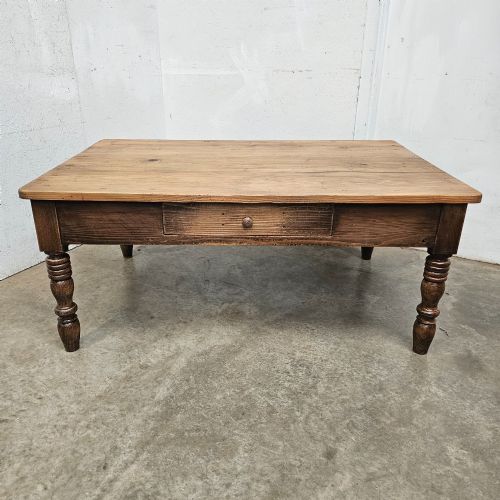
One listed piece is simply described as a quirky English coffee table from eighteen-ninety.
What varies in quality
The standard of construction depends upon the selection of timber, the crispness of carved details on legs and frames, and the integrity of any inlaid work.
Prios flow to examples with harmonious proportions, substantial walnut or mahogany framing and authentic period fixtures such as original castors.
Gillows of Lancaster
The Victorian Style Low Table Glossary
- Cabriole leg
- A furniture leg that curves outward and then tapers inward, typically ending in a pad or scroll foot. This form derives from classical motifs and appears frequently on Victorian seating and tables.
- Burr yew
- A timber taken from the growth growths of a yew tree, prized for its swirling, highly figured grain pattern. It provides a decorative surface on nineteenth-century tables.
- Giltwood
- Wood that has been treated with gold leaf or gold paint to give a metallic sheen. It highlights carved elements on formal Victorian furniture.
- Chinoiserie
- European decorative art influenced by Chinese artistic styles, typically featuring lacquered surfaces and painted motifs. This aesthetic appears on tray tables from the period.
- Occasional table
- A small, versatile table designed for auxiliary use in a room rather than a primary dining or writing function. These often form the basis for low coffee tables.
Victorian Style Low Table: Frequently Asked Questions
What is a Victorian style low table?
A Victorian style low table is typically a nineteenth-century piece, such as a stool, side table or tray table, adapted or designed for lower placement in a living space.
These pieces showcase traditional timbers and period decorative techniques while serving a modern functional role.
How were these tables used originally?
Many items began as footstools, dressing table stools, wine tables or serving trays before being converted or valued as low surface furniture.
Their original contexts ranged from formal drawing rooms to country houses and bedrooms.
How do I style a low table at home?
These tables pair well with low seating arrangements, functioning as coffee tables or central display surfaces in a sitting room.
Their varied forms, from carved walnut to lacquered trays, allow them to anchor both traditional and eclectic interiors.