



Victorian Style Fine Art
Victorian style fine art brings academic portraiture, animal studies and romantic narratives into the room through period canvas and gilt framing.
Victorian Style Fine Art
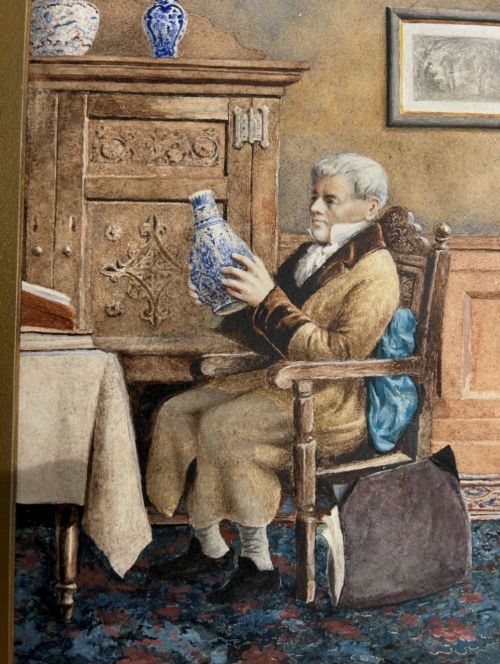
Victorian style fine art encompasses oil paintings, watercolours, pastels and gouache works created during the nineteenth century alongside later adaptations and academic studies. These pieces range from intimate animal portraits and rustic landscapes to ambitious historical genre scenes and neoclassical revivals.
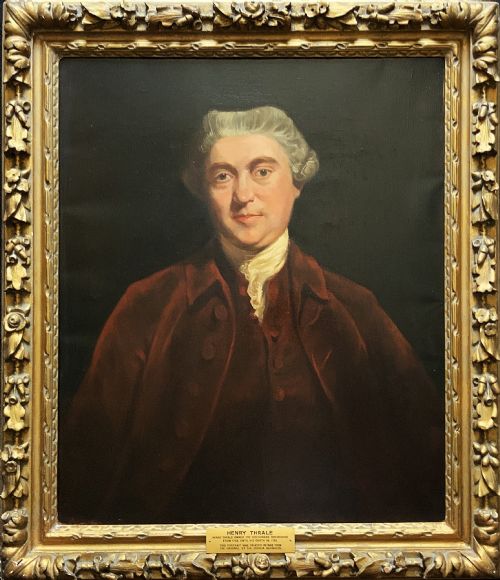
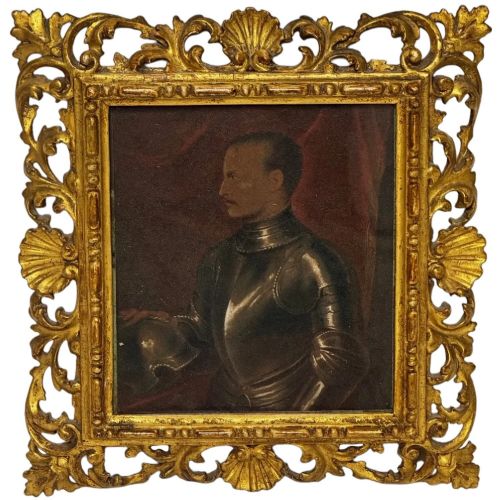
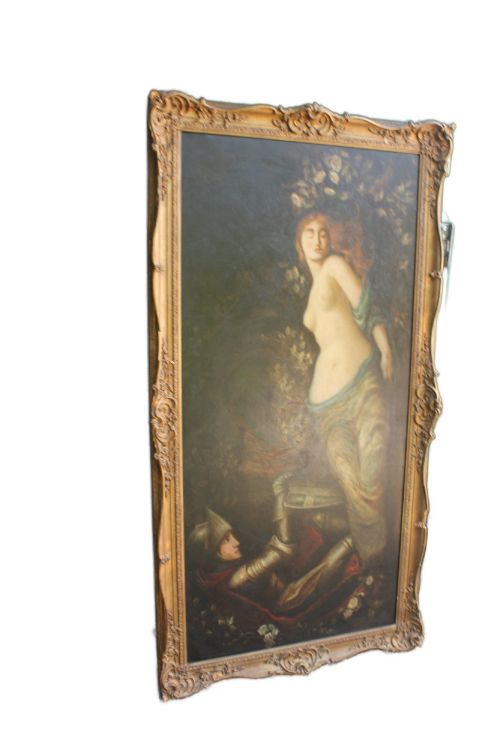
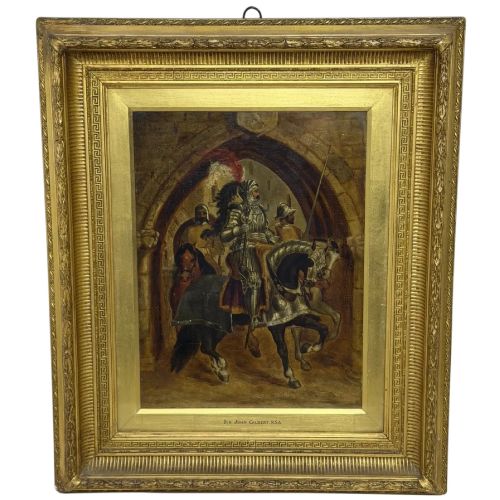
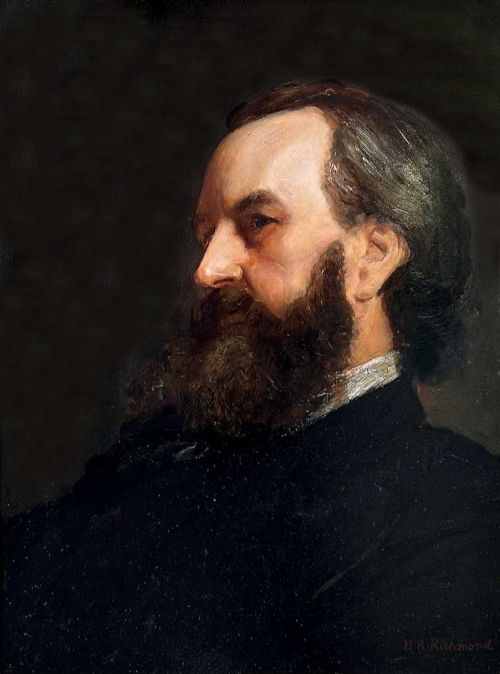
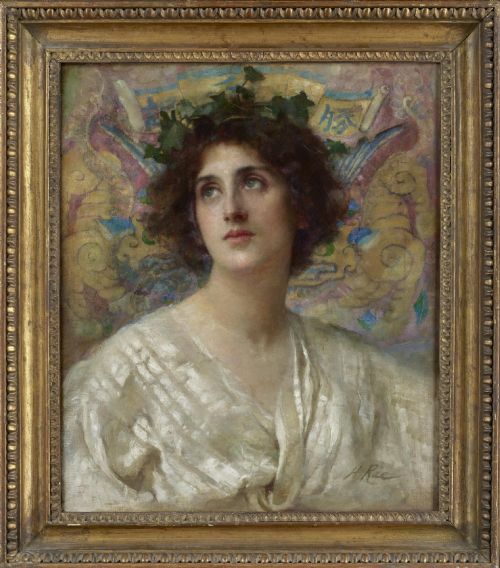
Buyers meeting this selection encounter numerous portraits of gentlemen, ladies and children executed in oil on canvas, often framed in elaborate gilt wood and gesso. The inventory reflects diverse nineteenth-century movements including Pre-Raphaelite compositions, romanticism and academic realism.
Materials and Techniques
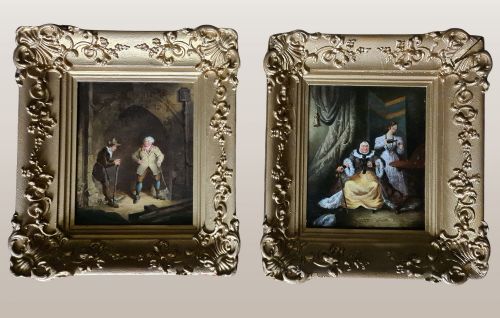
Painters of this period applied oil paint, gouache or pastel onto canvas, paper or porcelain plaques, utilising traditional grounds and pigments. Canvases were stretched on wooden frames and frequently housed within heavily moulded gesso and giltwood frames that completed the presentation.
Techniques relied on academic training, moving from initial preparatory sketches to layered oil glazes or precise watercolour washes. Many works follow established historical compositions, either as direct studies after masters or as original genre and portrait commissions.
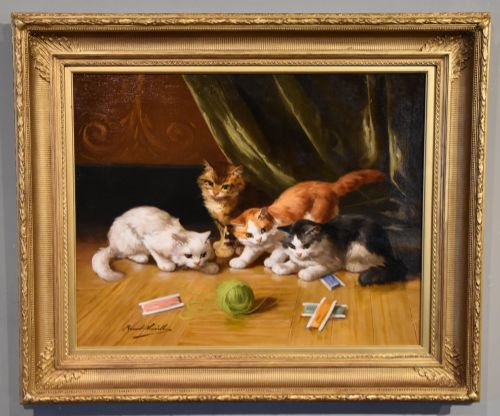
Several canvases capture domestic moments featuring monkeys, kittens and terriers behaving with utmost Victorian decorum.
Qualities of the Work
Quality rests in the handling of anatomy, expression and light, where accomplished brushwork distinguishes master studies from routine studio output. The depth of the oil pigments and the preservation of the canvas surface dictate the visual impact of the composition.
The architectural integrity and surface crispness of the surrounding gilt wood and gesso frames also define the standard of the piece. Well-preserved works retain the original tension of the canvas and the intended brilliance of the gold leaf.
William Blake Richmond·Thomas Sidney Cooper·Wilhelm Alexander Meyerheim·John Partridge·John Phillip
The Victorian Style Fine Art Glossary
- Gesso
- A plaster-like mixture applied to wooden frames before gilding. It provides a smooth surface for intricate moulding and gold leaf application.
- Pre-Raphaelite
- A nineteenth-century artistic movement focused on detailed observation, bright colours and literary or religious subjects. It sought to revive the purity of Italian art before Raphael.
- Genre scene
- A painting depicting aspects of everyday life, domestic interiors or historical narratives without grand allegorical pretension. These works often tell a clear visual story.
- Giltwood
- Timber that has been coated with a thin layer of gold leaf or gold paint. It frequently frames nineteenth-century oil paintings to enhance their luminosity.
Victorian Style Fine Art: Frequently Asked Questions
What subjects appear in these paintings?
The works display a wide variety of subjects including formal portraits of nobility and gentlemen, domestic animal studies of dogs, sheep and cats, and historical narrative scenes. Landscapes and winter stagecoach views also feature prominently across the selection.
Artists frequently drew inspiration from literature, classical mythology and historical events, producing detailed compositions designed for Victorian domestic display.
How should I hang a framed oil painting?
Heavy giltwood frames require secure fixings anchored directly into wall studs or solid masonry using appropriate hardware. Weight distribution across two separate hanging points maintains alignment and protects the structural joints of the frame.
Keep pieces away from direct sunlight and fluctuating heat sources to prevent the canvas from sagging and to protect the oil paint and underlying gesso from cracking.
Are these works original nineteenth-century pieces?
The inventory contains authentic nineteenth-century paintings alongside period copies and studies executed after earlier masters such as Sir Joshua Reynolds and Thomas Gainsborough. Studio pieces and followers of prominent artists also contribute to the variety found within the selection.
Catalogues and titles record attributed circles, followers and specific dates where known, distinguishing contemporary academic output from direct historical copies.
What is the difference between oil and watercolour?
Oil paint utilises pigments suspended in a drying oil, allowing for rich colour layering, texture adjustments and deep tonal variation on canvas surfaces. Watercolour employs water-soluble binders on paper, producing a luminous and translucent finish.
Watercolours and pastels from this era typically require protective glass glazing and careful framing, whereas oil on canvas allows for a more robust exposed paint surface.