

Victorian Style Accent Chairs
These Victorian style accent chairs bring nineteenth-century character into a modern room through varied revival forms and rich upholstery.
Victorian Style Accent Chairs
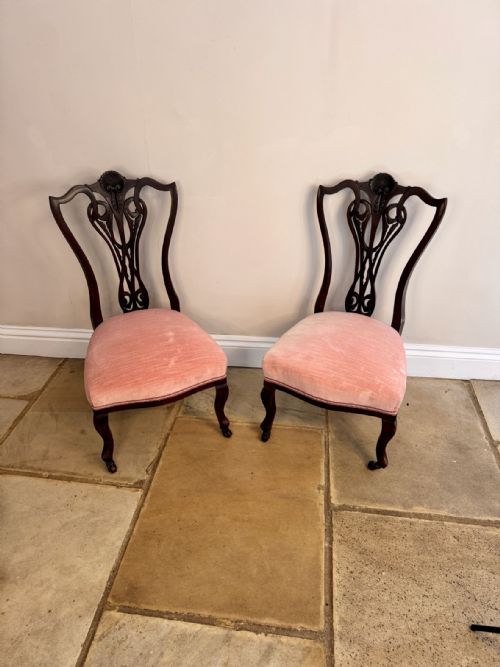
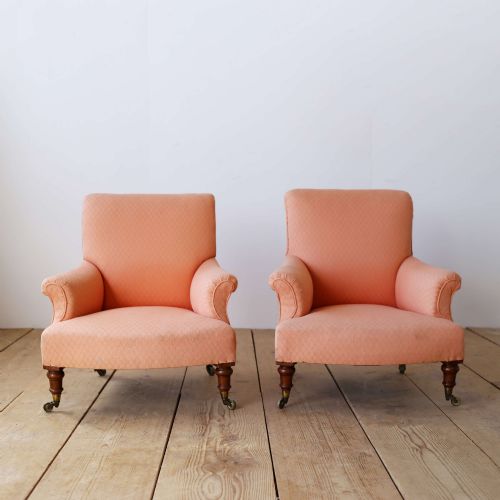
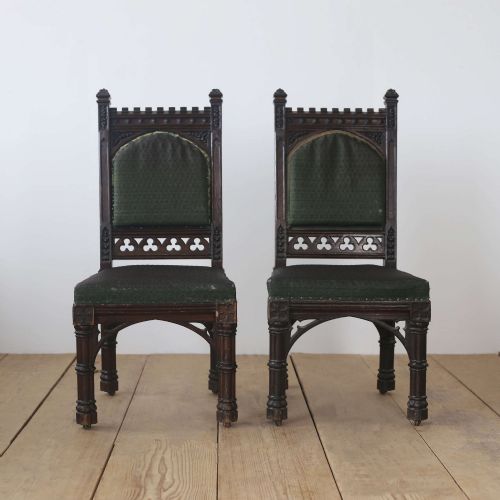
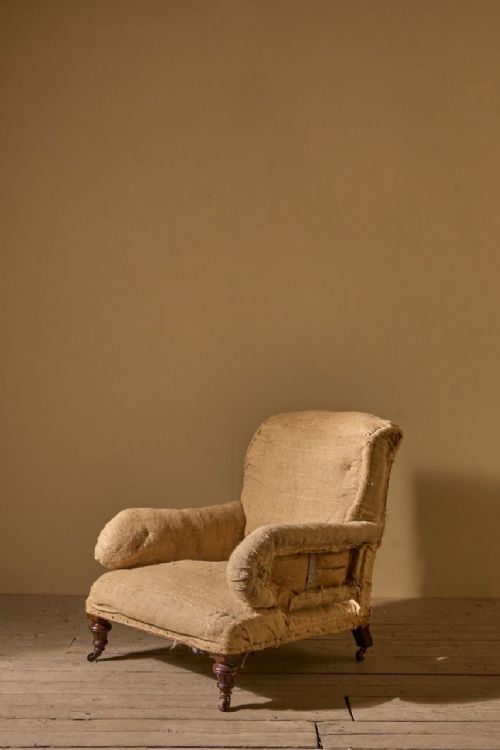
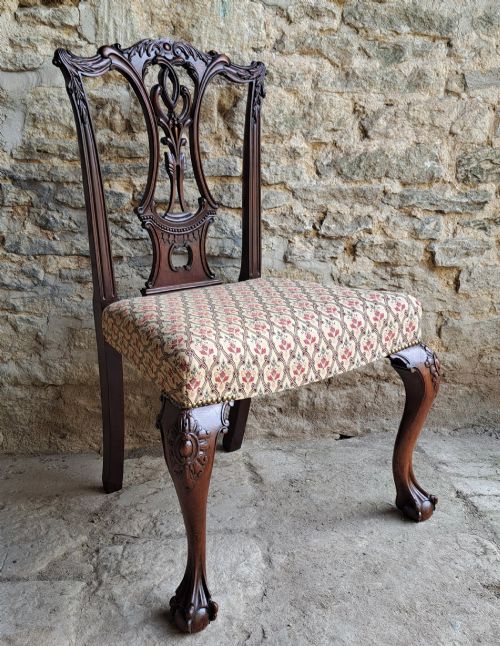
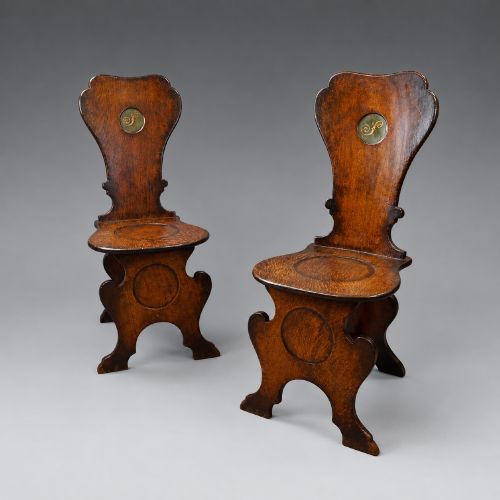
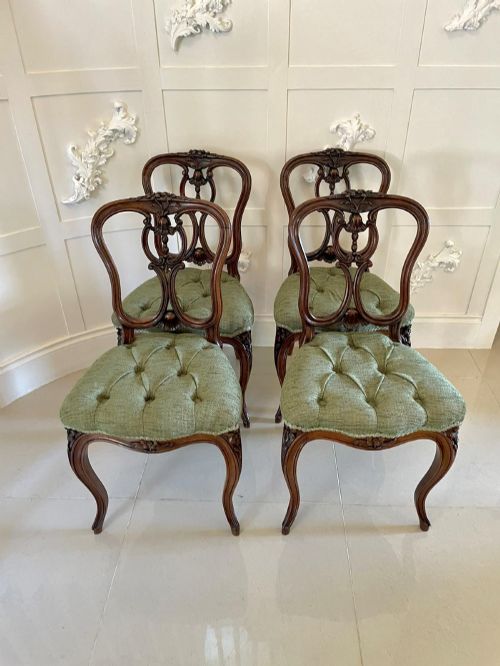
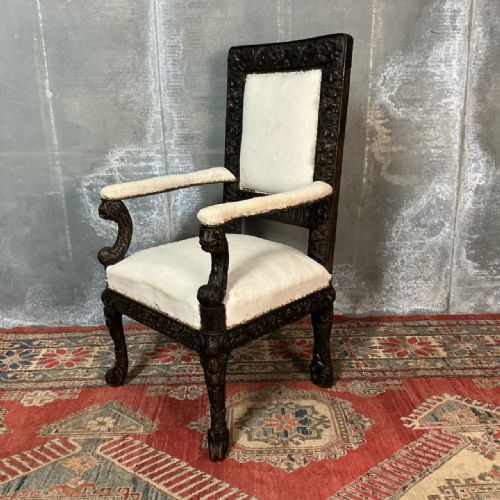
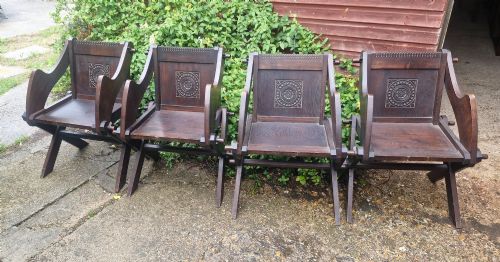
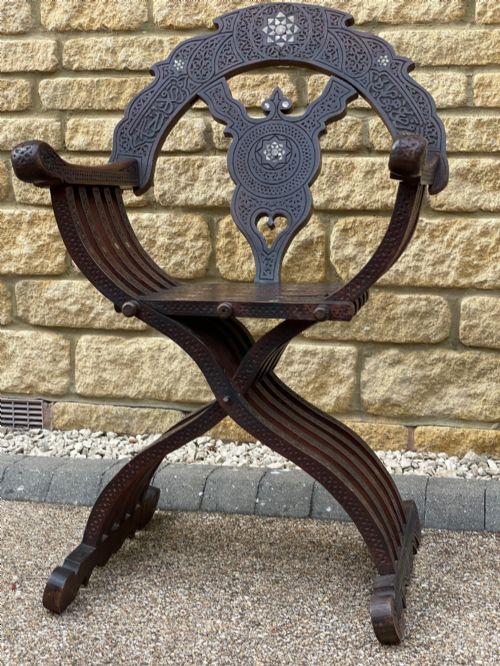
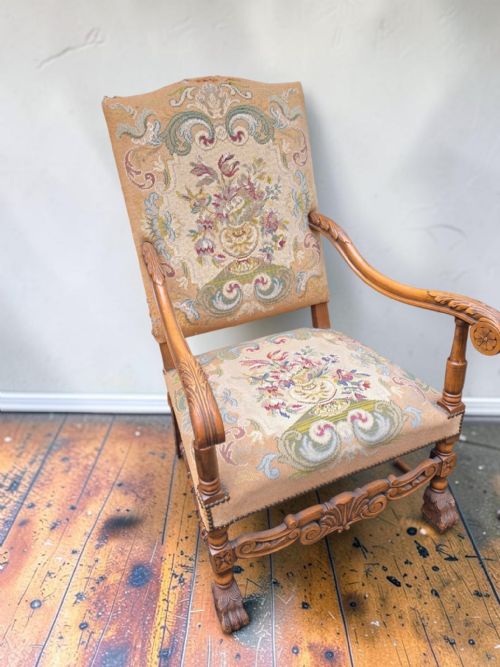
Victorian style accent chairs encompass a diverse group of nineteenth-century seating, ranging from salon chairs and slipper chairs to fireside armchairs. When exploring this selection, buyers encounter various revival designs inspired by earlier eras like the Gothic, Renaissance, and Queen Anne periods.
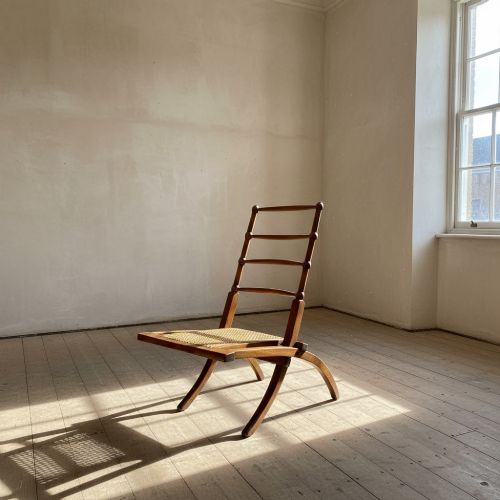
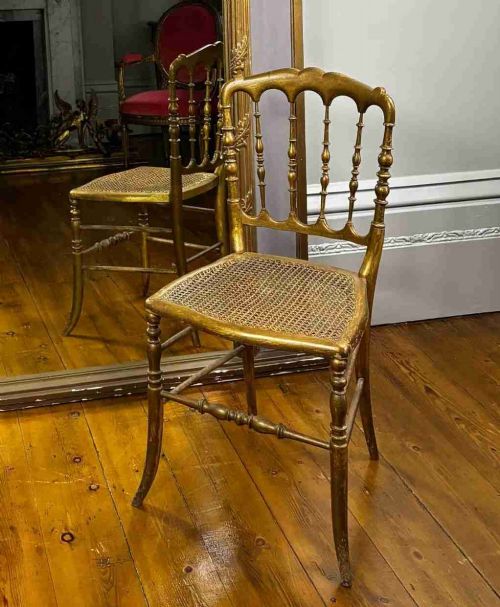
The materials and forms reflect the eclectic tastes of the nineteenth century, utilising woods such as walnut, mahogany, and oak alongside giltwood frames. Many pieces incorporate decorative details like carved woodwork, caned seats, and elaborate needlework or tapestry covers.
Originating across the Victorian and Edwardian periods, these accent chairs serve as focal points in contemporary interiors. They provide functional seating while carrying the distinct craftsmanship of nineteenth-century workshops.
Materials and Construction Techniques
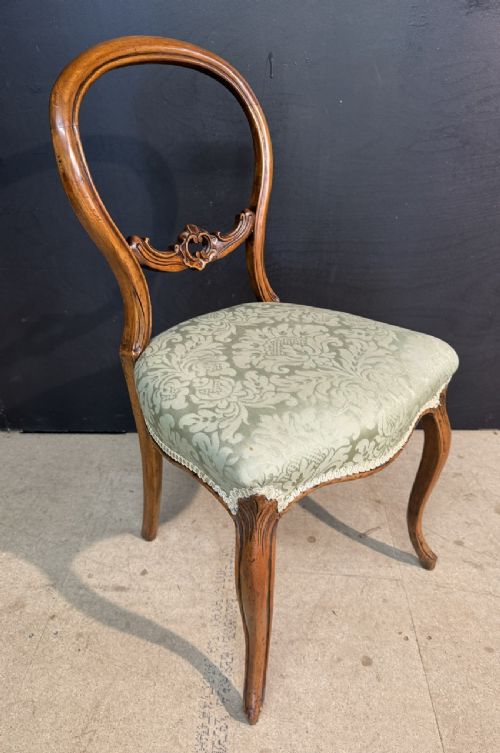
Makers constructed the frames of these chairs using hardwoods such as mahogany, walnut, and oak, alongside softer woods like pitch pine and structural brass elements. Cabinetmakers shaped structural components through traditional joinery and steam-bending for curved elements like cabriole legs.
Upholstered variants rely on textiles including velvet, tapestry, and plain calico to cover internal padding and spring systems. Decorative surface finishes involve fine carving, lacquered Chinoiserie details, mother-of-pearl inlay, and surface gilding.
Listings feature oak, mahogany, and walnut woods paired with velvet, tapestry, and brass across nineteenth-century periods.
Evaluating Quality and Craftsmanship
Quality in these chairs rests upon the integrity of the timber frame and the precision of the hand-carved ornamentation. Superior examples display crisp detail in the woodwork and robust structural joinery that withstands decades of use.
The distinction between standard and exceptional pieces also lies in the quality of the upholstery materials and the fidelity of the stylistic revival, whether following Chippendale, Louis XV, or Gothic design principles.
E.W Godwin·Howard and Sons·Gillows·Bruce Talbert
The Victorian Style Accent Chairs Glossary
- Fauteuil
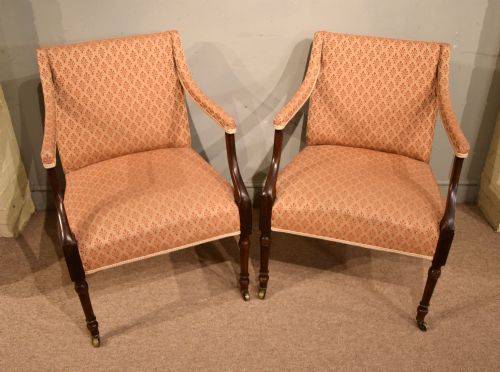
- An open-armed French armchair with an exposed wooden frame, typically featuring upholstered back and seat panels. These chairs gained popularity during various revival periods in the nineteenth century.
- Slipper chair
- A low-seated upholstered chair designed originally for bedrooms to assist with putting on shoes. They lack arms and sit close to the floor.
- Giltwood
- Wood that has been coated with a thin layer of gold leaf or gilt powder. This finish appears frequently on high-status nineteenth-century salon and fireside chairs.
- Wainscot chair
- A heavy wooden armchair, typically constructed from oak, featuring a panelled back. This form looks back to seventeenth-century domestic furniture traditions.
- Caned seat
- A seating surface woven from peeled rattan or cane strips in an open mesh pattern. This technique provides a light, flexible support often seen on nineteenth-century salon and hall chairs.
Victorian Style Accent Chairs: Frequently Asked Questions
How do I identify a Victorian accent chair?
Look for characteristic nineteenth-century revival styles, timber frames in walnut or mahogany, and traditional upholstery methods.
Examine the carved details and structural proportions to determine whether the piece originates from the Victorian or Edwardian eras.
Where should I place an accent chair?
These chairs suit living rooms, bedrooms, and studies as functional reading seats or decorative statement pieces.
Their varied forms, from low slipper chairs to high-backed armchairs, allow them to fit into both spacious and compact interiors.
Are these chairs comfortable for daily use?
Many Victorian armchairs and fireside chairs feature padded seats and supportive backs designed for relaxation.
Some smaller side or hall chairs prioritize formal posture over deep cushioning, making them better suited for occasional seating.
How do I care for antique wood and upholstery?
Dust wooden frames regularly with a soft cloth and avoid placing antique furniture in direct sunlight or near heat sources.
Protect fabric upholstery by gentle vacuuming and professional cleaning when required to preserve delicate velvet or tapestry.