
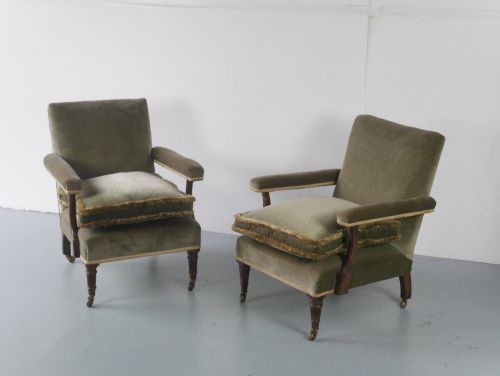
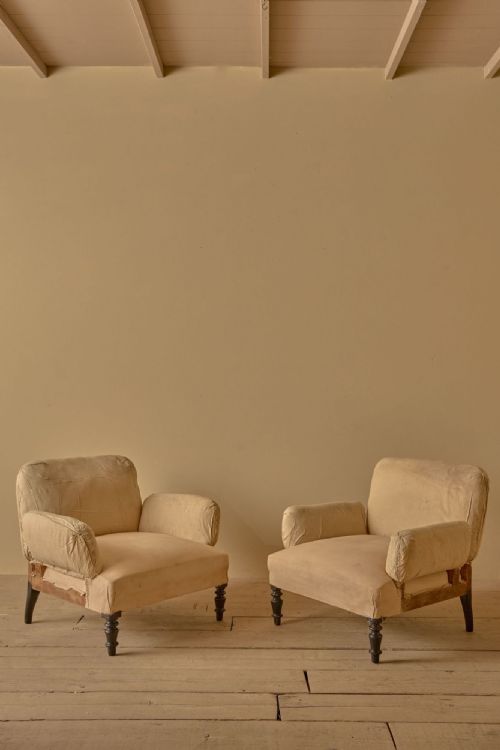
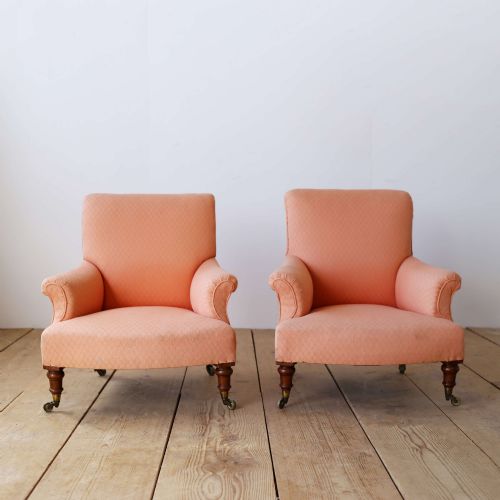
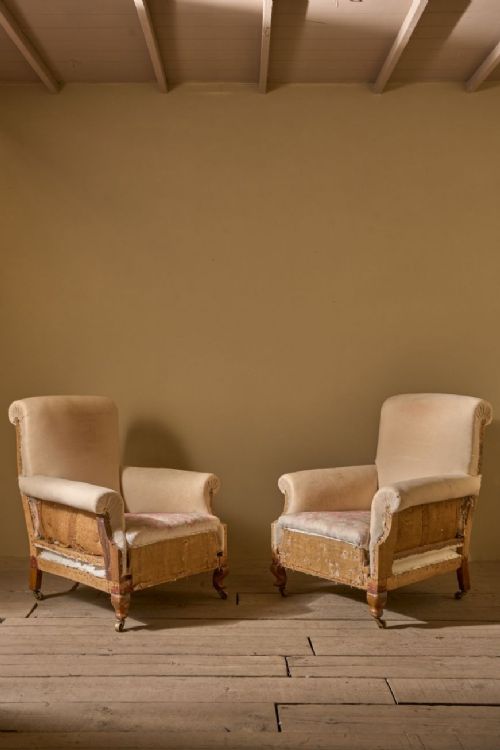
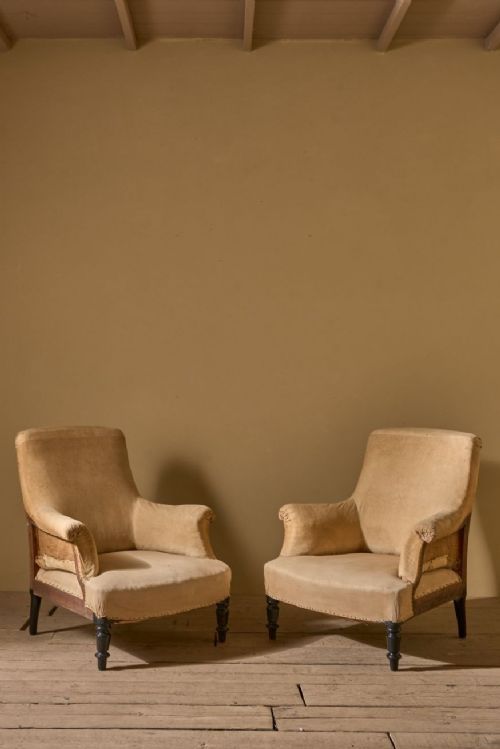
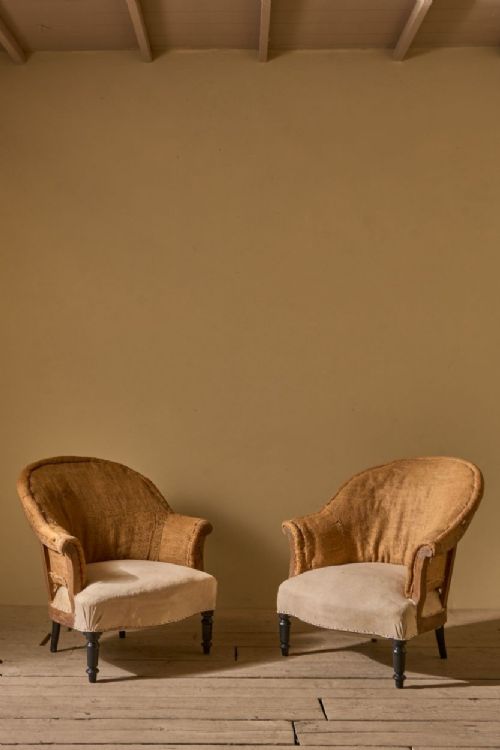
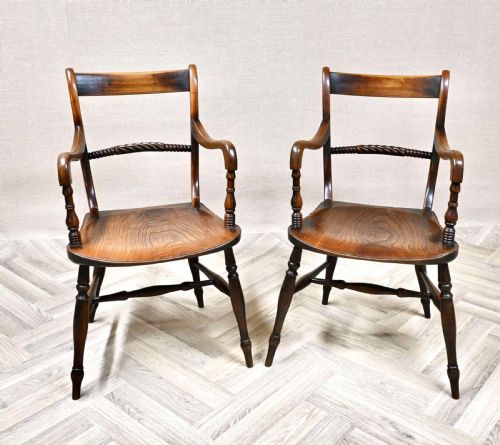
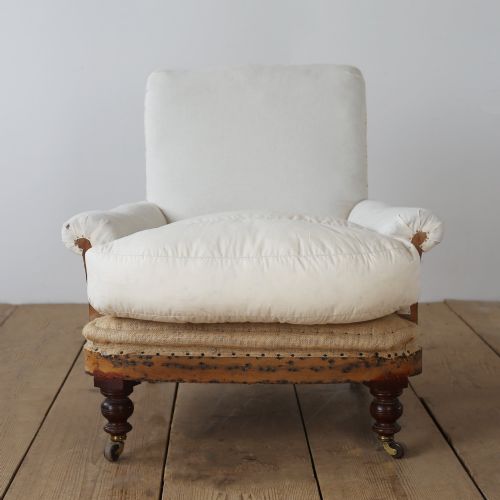
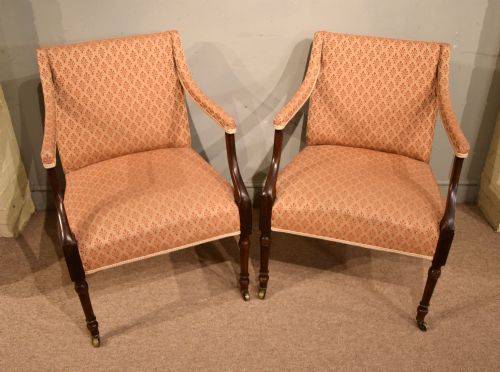
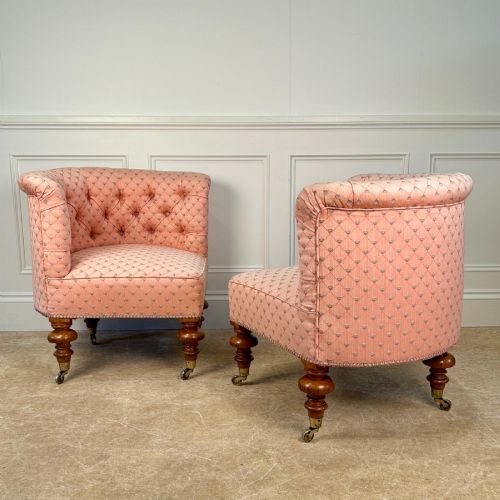
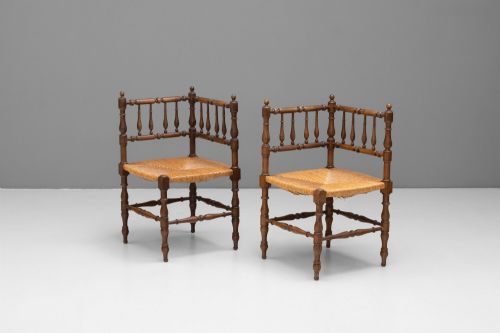
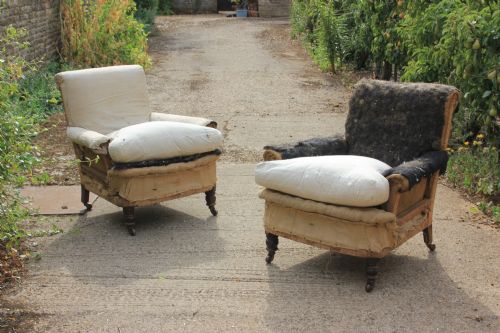
Turned Leg Armchairs Pair
Turned leg armchairs pair selections offer matching seating supported by lathe-turned wooden uprights, bringing period symmetry and structural charm to interiors.
Turned Leg Armchairs Pair
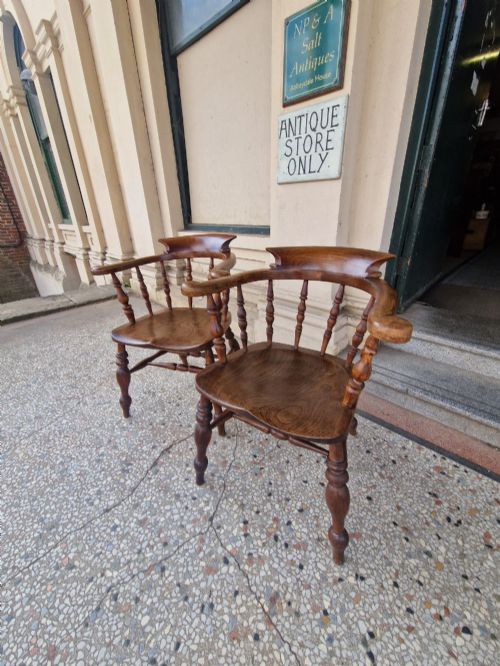
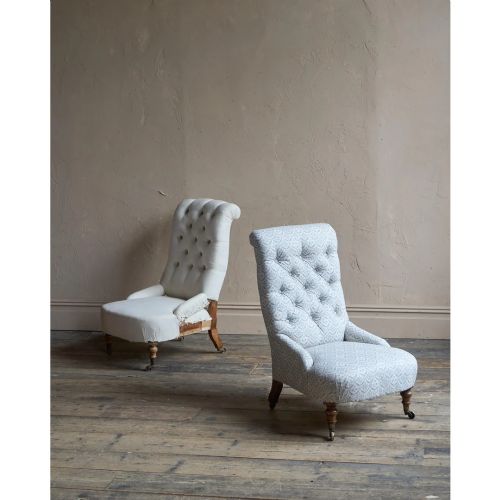
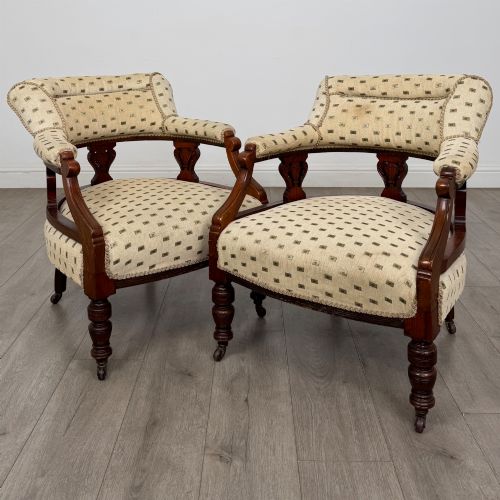
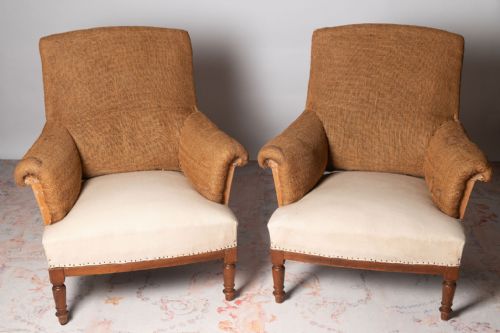
A turned leg armchairs pair comprises two matching seats supported by legs shaped on a lathe, drawing from Victorian, Edwardian, and Regency traditions. These items emerge across diverse forms including country house styles, library chairs, and deep-seated upholstered models.
Origin variations range from English country workshops to French salons and Scottish cabinet makers. The overarching characteristic remains the matched pair format, making them suited for balanced interior placement.
Materials and Construction Techniques
Timbers such as mahogany, walnut, oak, and elm form the primary structural frames, shaped by hand or turned on lathes to create distinct leg profiles. Joinery methods rely on traditional pegged or glued joints to ensure structural longevity in daily seating.
Upholstered variants incorporate internal webbing, springs, and stuffing covered in fabrics like calico, leather, hessian, or crewelwork. Windsor and stick-back variants utilise bentwood techniques alongside traditional spindle insertions.
Listings feature woods spanning mahogany, walnut, oak, elm, and rosewood alongside brass accents and leather, calico, or fabric coverings.
Factors Determining Quality
The refinement of the wood turning and the selection of dense, figured timber dictate the visual integrity of the frame. Superior examples display crisp joinery and balanced proportions that maintain stability across both chairs in the set.
The grade of upholstery materials and the execution of traditional stuffing methods separate standard commercial seating from workshop pieces bearing maker stamps or superior finish details.
Howard and Sons·Gillows·J. and T. Scott
The Turned Leg Armchairs Pair Glossary
- Turned leg
- A wooden support shaped by rotating it on a lathe to create cylindrical, reeded, or spiralled decorative profiles. This technique appears widely on nineteenth-century seating bases.
- Windsor chair
- A wooden seating form featuring a solid saddle-shaped seat into which the back spindles and legs are directly wedged. These often incorporate elm or ash components.
- Library chair
- A heavy, upholstered armchair designed for reading rooms, typically constructed from mahogany or walnut with leather or fabric seats. These pieces prioritise deep-seated comfort.
- Captains chair
- A rounded timber armchair with a low back rail supported by spindles, traditionally utilised in offices or studies. Examples frequently feature elm or mahogany timbers.
- Scroll back
- A chair back design curving outward at the top rail in a volute shape. This stylistic flourish appears on various period French and English models.
Turned Leg Armchairs Pair: Frequently Asked Questions
How do I match a pair?
Matching pairs share identical wood species, turning patterns, and upholstery styles, though minor hand-carved variations can occur in antique pieces.
Examining the underframes and construction joints helps confirm that both chairs originated from the same workshop set.
Where were these chairs used historically?
These seating pairs served in domestic drawing rooms, libraries, and country house parlours where symmetry in furniture placement was desired.
Library and captain variants specifically suited study environments, while slipper and bedroom chairs furnished private quarters.
What woods are most common?
Mahogany, walnut, oak, and elm dominate the structural frames across the available nineteenth and early twentieth-century inventory.
Secondary woods often support internal framing while primary display timbers dictate the exterior aesthetic and period attribution.
How do I care for antique upholstery?
Preserving antique upholstery requires gentle vacuuming with a soft attachment and avoiding direct sunlight to prevent fabric fading.
Leather components benefit from occasional appropriate conditioning to maintain flexibility without altering the historic surface.