



Victorian Studio Stand
These Victorian studio stand pieces provide the robust architecture and adjustable framework needed to support large canvases and display work.
Victorian Studio Stand
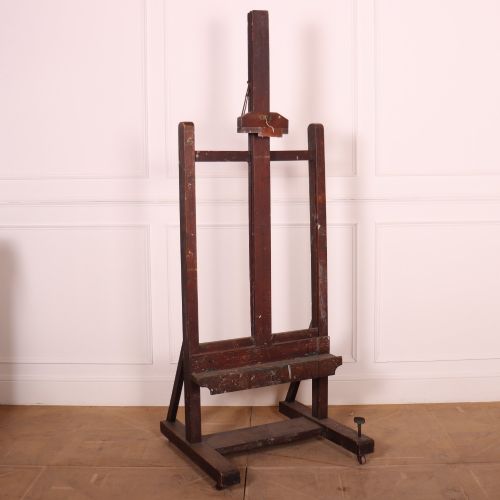
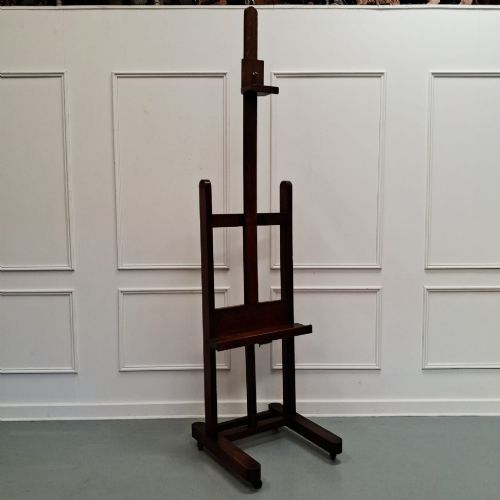
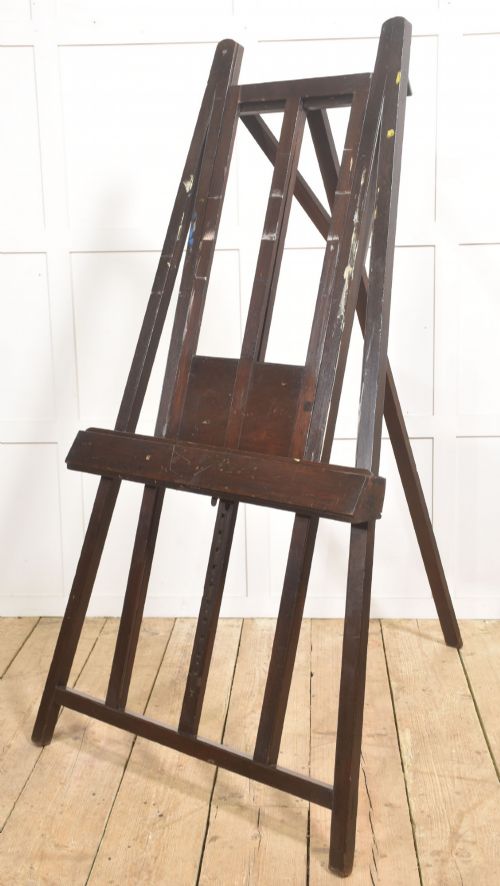
A victorian studio stand encompasses heavy timber easels, double-sided gallery frames, and floor-standing supports designed for serious artistic work. Oak and walnut form the backbone of these substantial studio pieces.
Buyers meet large adjustable models alongside specialised display stands originating from the nineteenth century. These objects bridge utilitarian workspace furniture and decorative interior display.
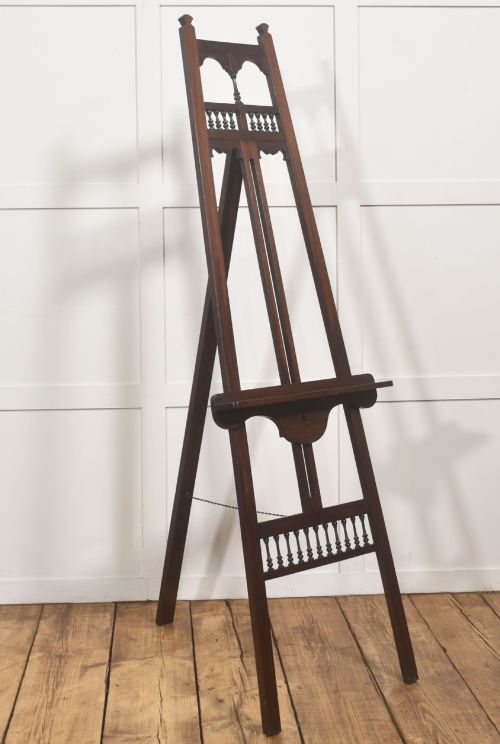
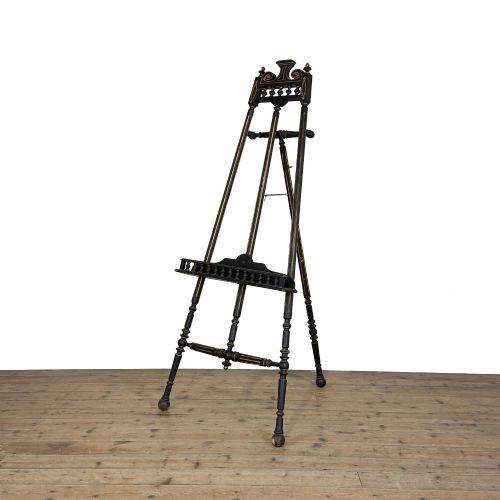
The selection ranges from gothic revival walnut frames to ebonised aesthetic style floor-standing easels and compact artist materials tables.
How they were made
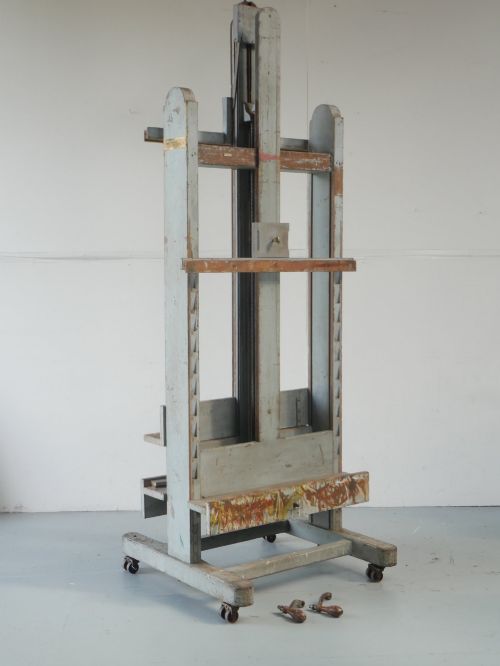
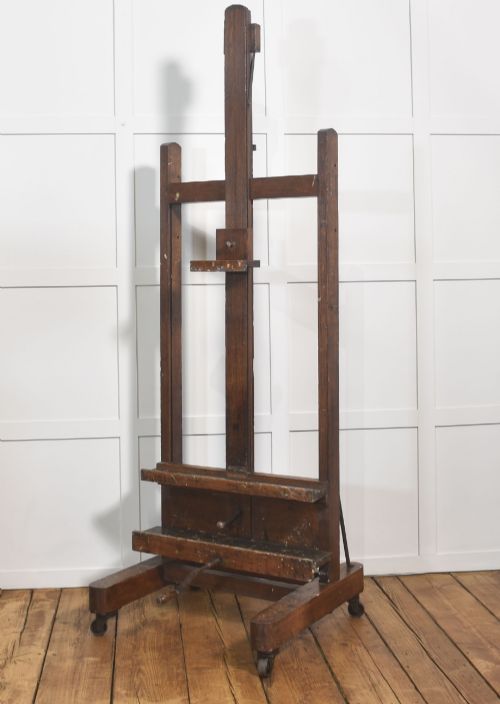
Carpenters constructed these stands using dense hardwoods including oak, walnut, and mahogany. Metal and cast iron components provided the mechanical strength required for fully adjustable height and tilt mechanisms.
Makers utilised traditional joinery combined with heavy-duty metal winding screws and brackets. Ebonised finishes and carved swan designs added decorative flair to structural timber frames.
Victorian Studio Stand Retail Price Guide 2026
Typical asking prices for victorian studio stand among the pieces listed under this phrase on Sellingantiques today, from the lower quarter to the upper quarter. They describe what is for sale here now, not the wider market.
What varies in quality
The sophistication of the mechanical adjustment hardware separates standard workshop furniture from superior exhibition pieces. Smooth-operating brass winding mechanisms and complex double-sided rotating frames indicate higher grade manufacture.
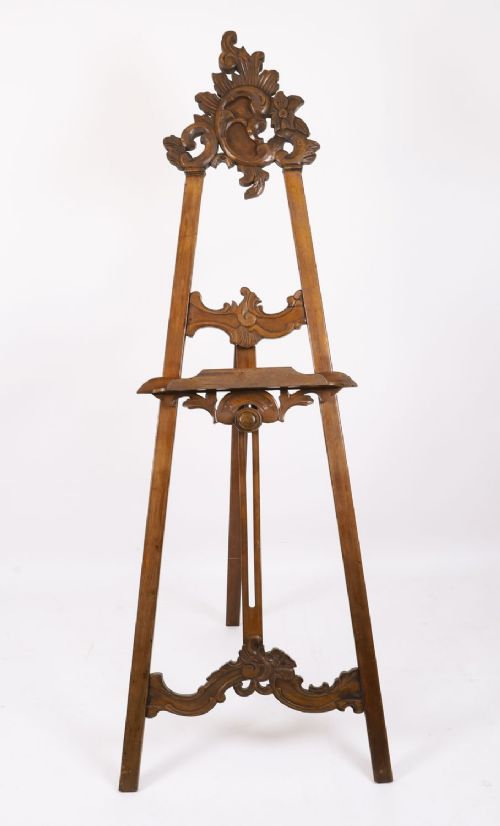
Timber selection and carving depth dictate the aesthetic standing of each piece. Finely figured walnut and detailed gothic revival or rococo ornamentation elevate simple working stands into distinguished decorative objects.
Windsor and Newton·Roberson and Co
The Victorian Studio Stand Glossary
- Chevalet
- A French term for an easel, often applied to elaborate nineteenth-century studio stands with decorative carving. These pieces served both functional painting purposes and grand interior display.
- Aesthetic Movement
- A late nineteenth-century design current emphasising visual beauty over narrative or moral function. Ebonised finishes and stylised motifs frequently appear on pieces from this movement.
- Rococo Revival
- A mid-nineteenth-century decorative style characterised by asymmetrical scrolls, C-curves, and naturalistic plant motifs. Walnut artist stands in this taste display exuberant carved ornamentation.
- Gallery Easel
- A heavy floor-standing display frame designed to exhibit completed paintings rather than support active work. These objects often incorporate double-sided viewing capacity for multiple canvases.
Victorian Studio Stand: Frequently Asked Questions
What is a studio stand?
A studio stand is a heavy wooden easel or display frame built during the nineteenth century to hold large canvases in artists' workshops.
These pieces use adjustable wooden frames and metal mechanisms to support heavy working loads.
How do I use one at home?
These large stands function brilliantly as statement display furniture for holding framed paintings, mirrors, or photographs in a living space.
Their adjustable height mechanisms allow you to position displayed artwork at exact eye level.
Are they all made of oak?
Oak is common among nineteenth-century examples, but makers also utilised walnut, mahogany, and ebonised timber.
Cast iron and brass components frequently appear in the adjustable winding mechanisms.
What periods do these pieces date from?
The available selection primarily dates from the Victorian era and the late nineteenth century, spanning up to the nineteen-twenties.
Styles range from plain utilitarian workshop pieces to ornate gothic revival and rococo designs.