





Victorian Store Counter
These robust victorian store counter examples combine honest commercial utility with enduring period craftsmanship for any interior.
Victorian Store Counter
A victorian store counter represents the utilitarian heart of nineteenth-century commerce, built to serve trade while withstanding heavy daily use. Buyers searching for a victorian store counter seek functional furniture that doubles as a striking statement piece in modern domestic or retail spaces.
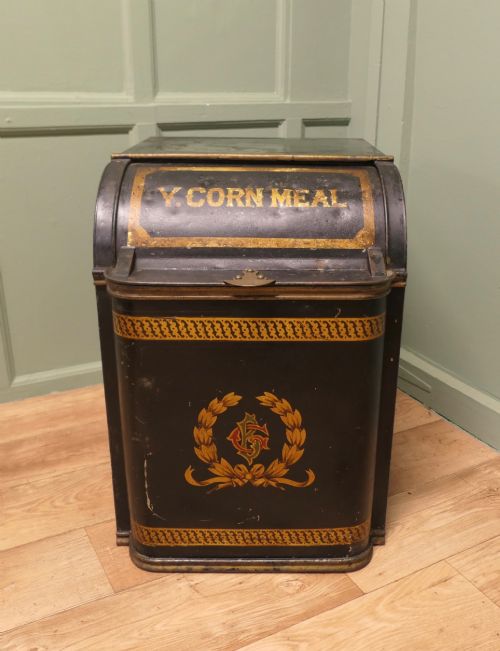
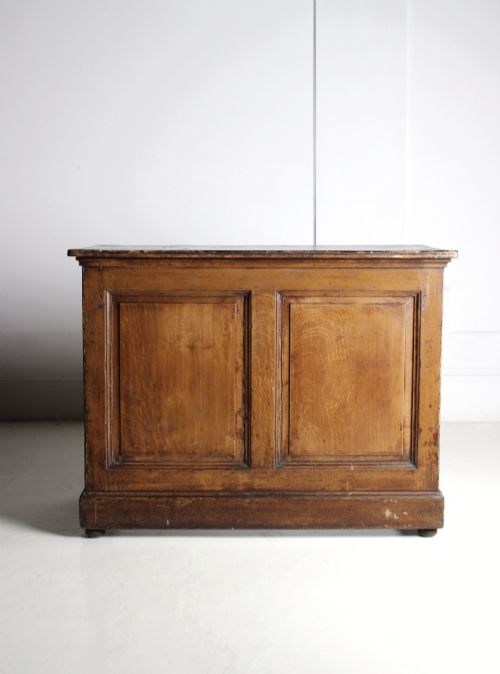
The selections available here range from substantial mahogany and pine shop counters to related commercial fittings such as display cabinets, advertising cupboards, and counter storage boxes. Most examples originate from the nineteenth century, carrying the distinct patination and honest wear of working mercantile environments.
How they were made
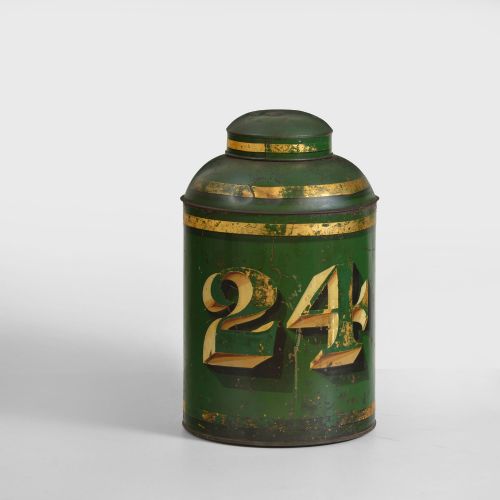
Construction relies heavily on durable timbers like mahogany, pine, and oak, chosen for their structural strength in busy retail settings. Makers often incorporated glass for display purposes, alongside brass hardware, tinplate, and paint finishes including faux oak graining.
Joinery techniques prioritize practicality and resilience, utilising sturdy framing and dovetailed joints to handle the demands of trade. Details such as adjustable feet and compartmentalized interiors reflect the specific functional requirements of nineteenth-century shopkeepers.
Victorian Store Counter Retail Price Guide 2026
Typical asking prices for victorian store counter among the pieces listed under this phrase on Sellingantiques today, from the lower quarter to the upper quarter. They describe what is for sale here now, not the wider market.
Keep an eye out for tobacco advertising figures that once encouraged purchases with silent, painted charm.
What varies in quality
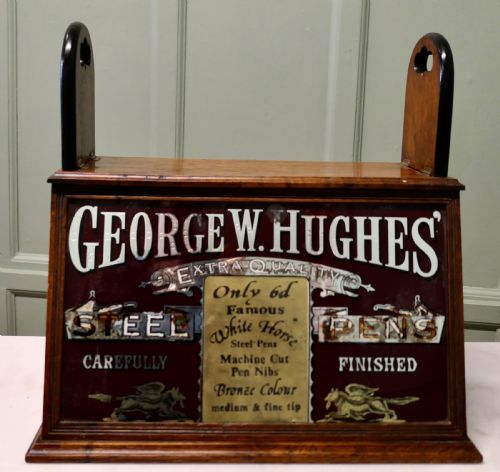
Quality in a victorian store counter lies in the integrity of the timber, the sophistication of the joinery, and the degree of original commercial detailing. Superior examples retain authentic period surfaces, original brass fittings, and intact manufacturer branding or advertising elements.
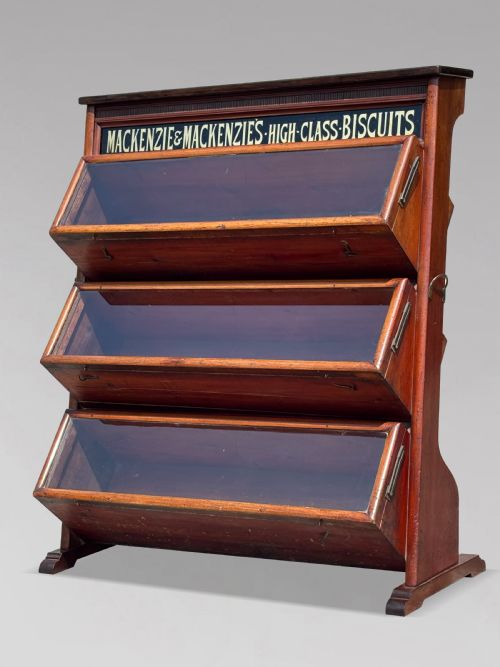
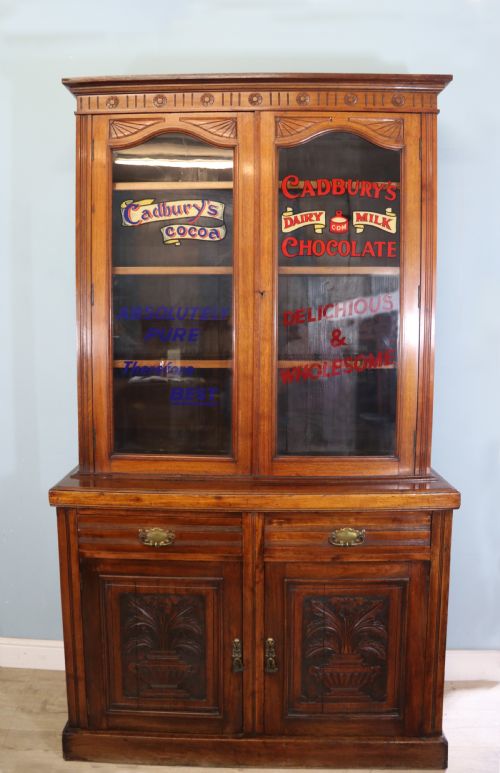
Mackenzie's Biscuits·Cadbury's Cocoa
The Victorian Store Counter Glossary
- Toleware
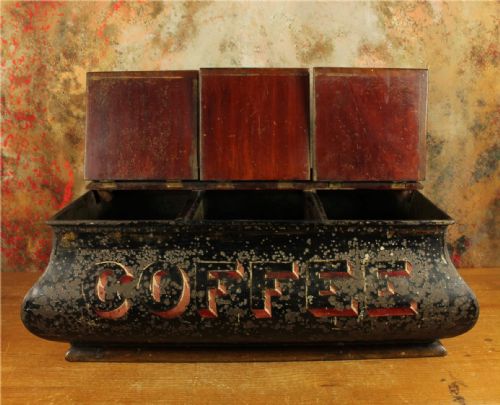
- Painted or lacquered metalware used for domestic and commercial storage. This technique creates durable containers suited for tea, coffee, and dry goods.
- Faux oak
- A decorative paint finish applied to lesser timbers to imitate expensive grain. It demonstrates the nineteenth-century desire for visual uniformity in commercial interiors.
- Advertising cabinet
- A specialised display unit bearing manufacturer branding or trade graphics. These pieces promoted specific goods directly on the merchant sales surface.
- Apothecary box
- A compartmentalized wooden container designed for medicines and dry ingredients. They often feature secure lids and multiple internal sections for organised storage.
Victorian Store Counter: Frequently Asked Questions
Where were these counters used?
These counters stood in nineteenth-century shops, grocers, and commercial premises to display goods and conduct daily transactions.
Their robust construction was specifically designed to handle the heavy foot traffic of busy mercantile environments.
How do I clean the wood?
Maintain the surface using a soft, dry cloth to remove dust without disturbing the historic patination.
Avoid modern chemical polishes that can degrade nineteenth-century wax and paint finishes over time.
Can I use one as a kitchen island?
Many buyers adapt these sturdy commercial pieces for domestic kitchen use as preparation tables or islands.
Their generous dimensions and built-in storage compartments offer practical utility in modern homes.
What woods were commonly used?
Carpenters utilised durable native and imported timbers including mahogany, pine, oak, and walnut.
Softer woods were frequently painted or grain-simulated to match more expensive hardwood furnishings.