
Victorian Stool
A victorian stool offers a compact glimpse into nineteenth-century domestic life, ranging from low fireside footstools to tall industrial work seats.
Victorian Stool
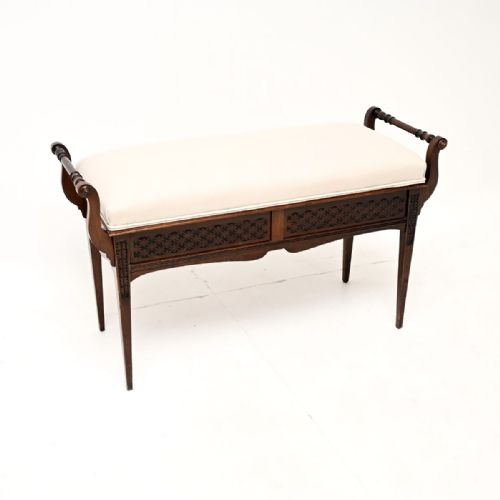
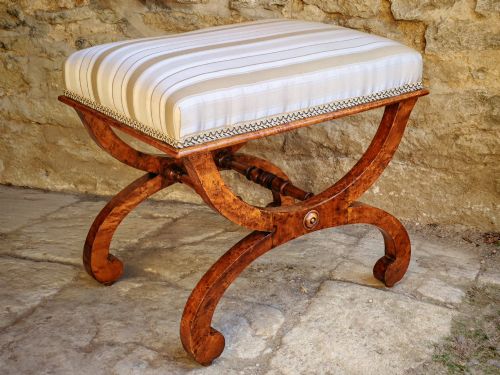
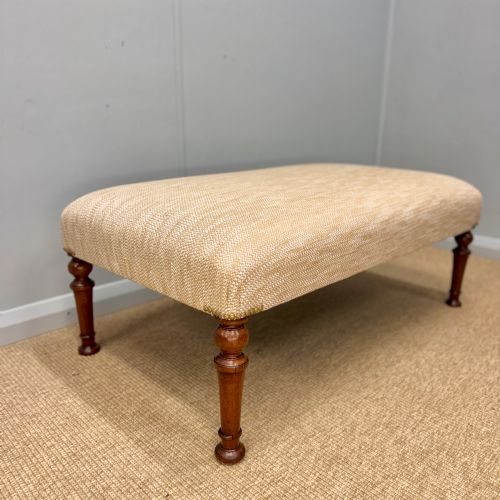
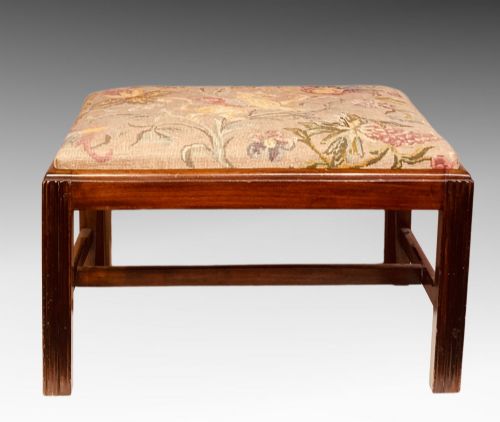
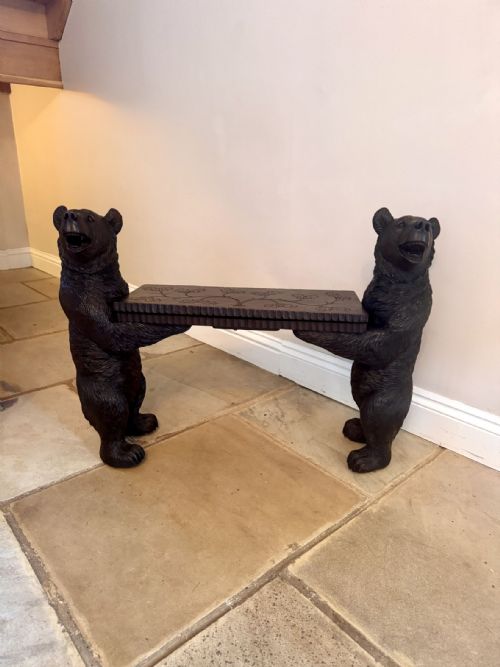
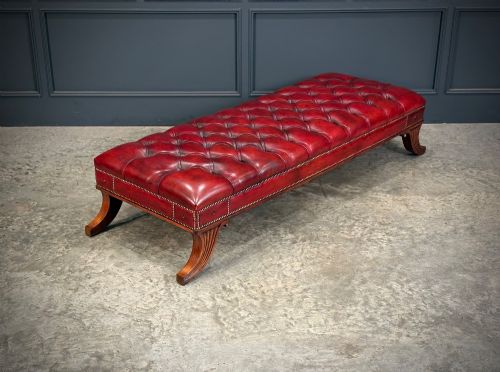
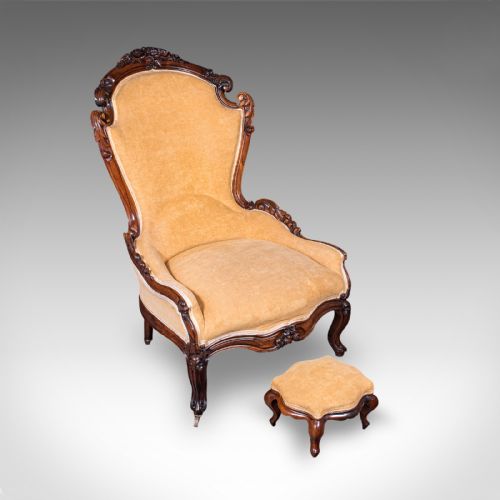
When searching for a victorian stool, buyers encounter an immense variety of forms created for different rooms and trades throughout the nineteenth century. These seating pieces span domestic footstools, long upholstered benches, music stools, and utilitarian workshop seating.
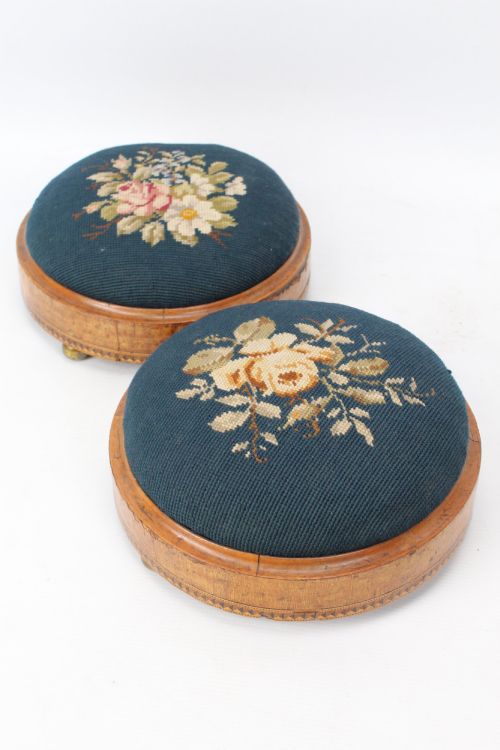
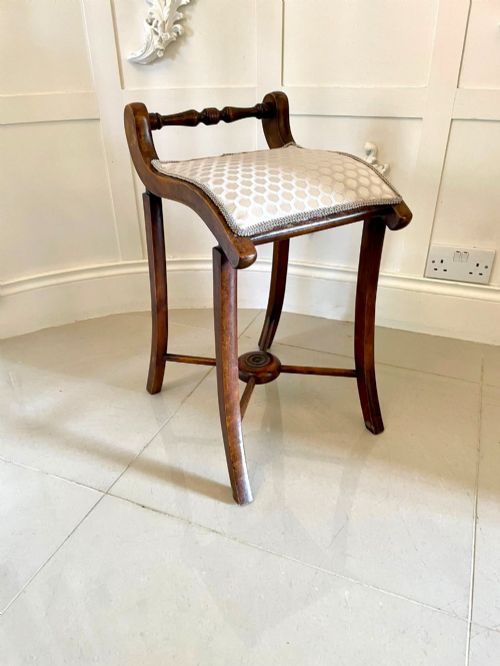
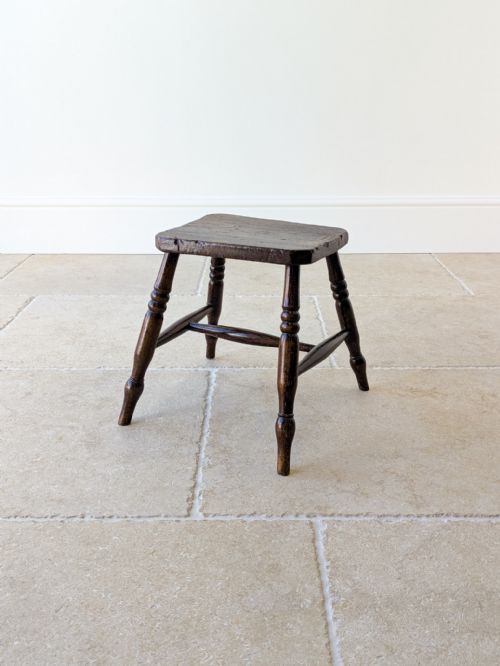
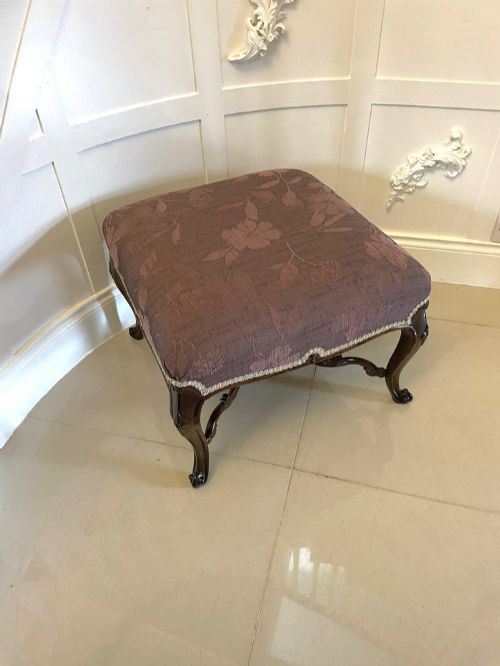
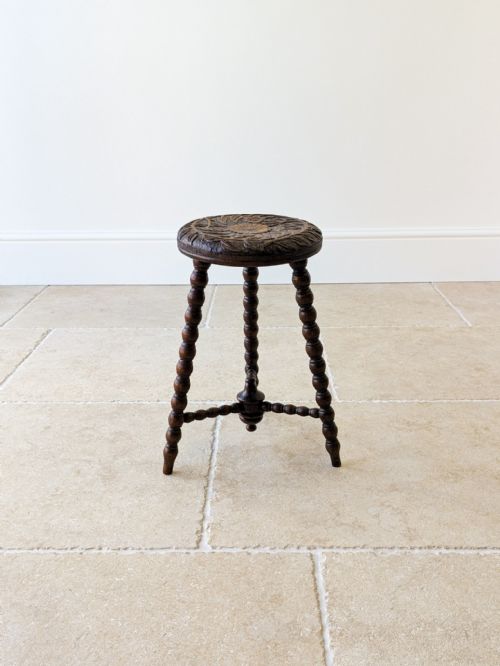
The domestic examples include low needlepoint footstools, dressing table stools in walnut or rosewood, and piano stools designed with revolving or adjustable mechanisms. Country and tavern versions appear frequently in sturdy elm, ash, and oak.
Industrial and workshop examples also populate the category, including high clerk's stools, jeweller's seats, and machinist stools. Buyers will similarly find occasional garden seats, library steps, and window seats sharing these periods.
How they were made
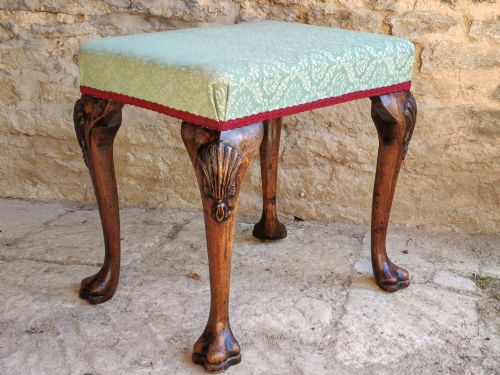
Cabinet makers utilised dense hardwoods such as mahogany, walnut, rosewood, and oak for formal frames, often incorporating carved cabriole legs, claw-and-ball feet, or intricate gilding. Country and workshop variants relied on native timbers like elm, ash, beech, and sycamore, frequently joining solid wooden seats to turned or jointed legs.
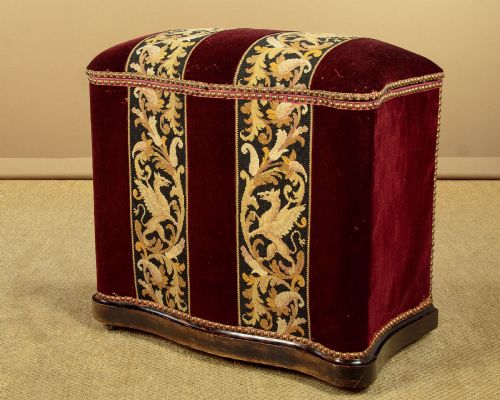
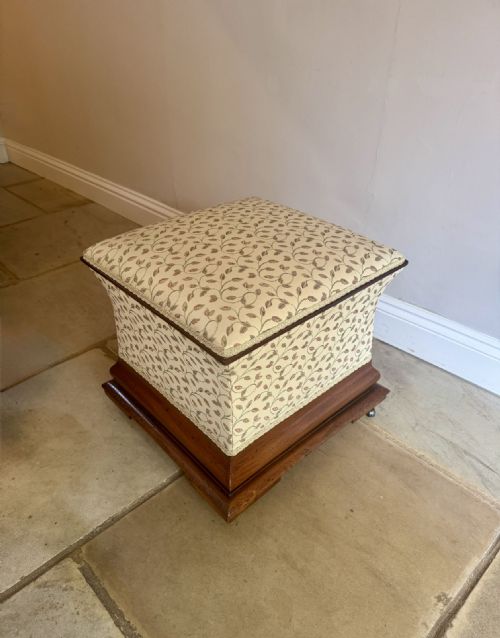
Upholstered forms combined internal webbing or stuffing with outer layers of fabric, needlepoint, woollen green linen, leather, velvet, or embroidered silk. Mechanical piano and music stools utilised brass framing, screws, and revolving spindles to permit height adjustment.
The documented styles span Gothic Revival, Queen Anne Revival, Anglo-Indian, and Victorian Chinoiserie.
What varies in quality
The standard of a victorian stool rests primarily on the choice of timber and the ambition of its carving or joinery. Finely figured walnut and rosewood paired with intricate floral needlework or leather upholstery indicate higher domestic aspiration than utility workshop pieces.
Structural integrity also separates examples, visible in the tightness of jointing on tavern or country stools and the smooth mechanical action of adjustable piano seats.
Jennens and Bettridge·J A S Shoolbred and Co·Charles Wadman·Waring and Gillows
The Victorian Stool Glossary
- Cabriole leg
- A furniture leg that curves outward at the knee and tapers inward toward an ankle or foot, common on formal parlour stools.
- Needlepoint
- A type of canvas work embroidery used extensively for historical footstool and bench upholstery.
- Joint stool
- A sturdy wooden seat constructed with mortise and tenon joints rather than turned legs alone.
- Papier-mâché
- A composite material formed from paper pulp mixed with glue and resin, pressed and finished with lacquer or paint.
- Duet stool
- An elongated piano bench designed to seat two players side by side.
Victorian Stool: Frequently Asked Questions
How do I identify a piano stool?
Piano stools typically feature adjustable screw mechanisms, revolving seats, or longer bench formats intended for sheet music storage.
Many examples incorporate brass framing or upholstered tops covered in needlework, leather, or velvet.
What timber was used for country stools?
Country and tavern stools relied heavily on domestic woods such as elm, ash, beech, and sycamore.
These durable timbers provided solid round seats and sturdy turned legs capable of withstanding heavy daily use.
Are workshop stools collectable?
Industrial and artisan work seats, including jeweller's, cutler's, and machinist stools, are highly sought after by collectors.
They display utilitarian construction methods tailored specifically to nineteenth-century trades.
How should I style a footstool today?
Low footstools and long benches integrate easily beside modern seating as occasional side tables or extra seats.
Their varied textiles, from needlepoint to leather, introduce texture and historic character into contemporary rooms.