


Victorian Stoneware Mould
These Victorian stoneware mould pieces are dense, functional kitchen and pantry vessels that bring genuine historic character to a modern table.
Victorian Stoneware Mould
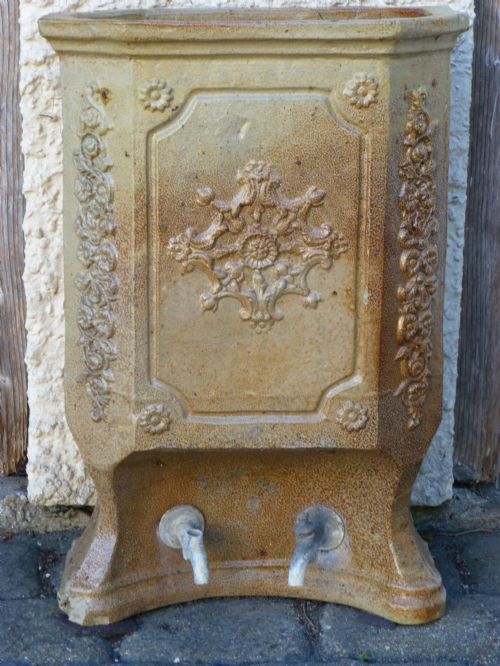
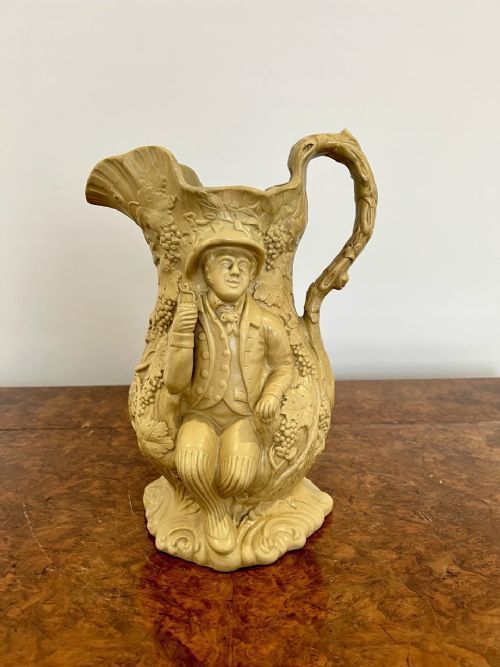
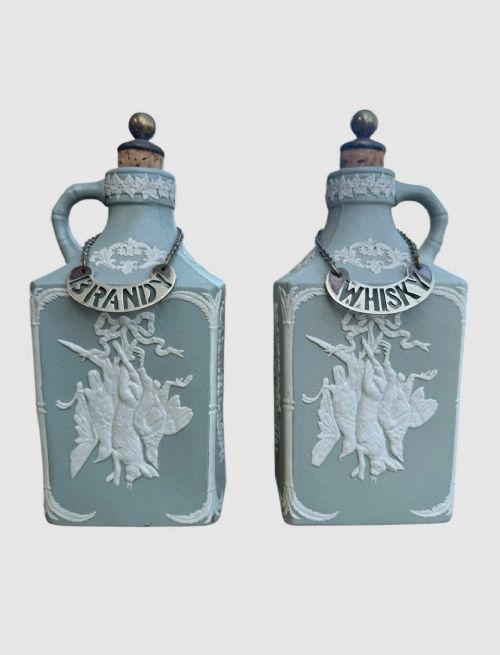
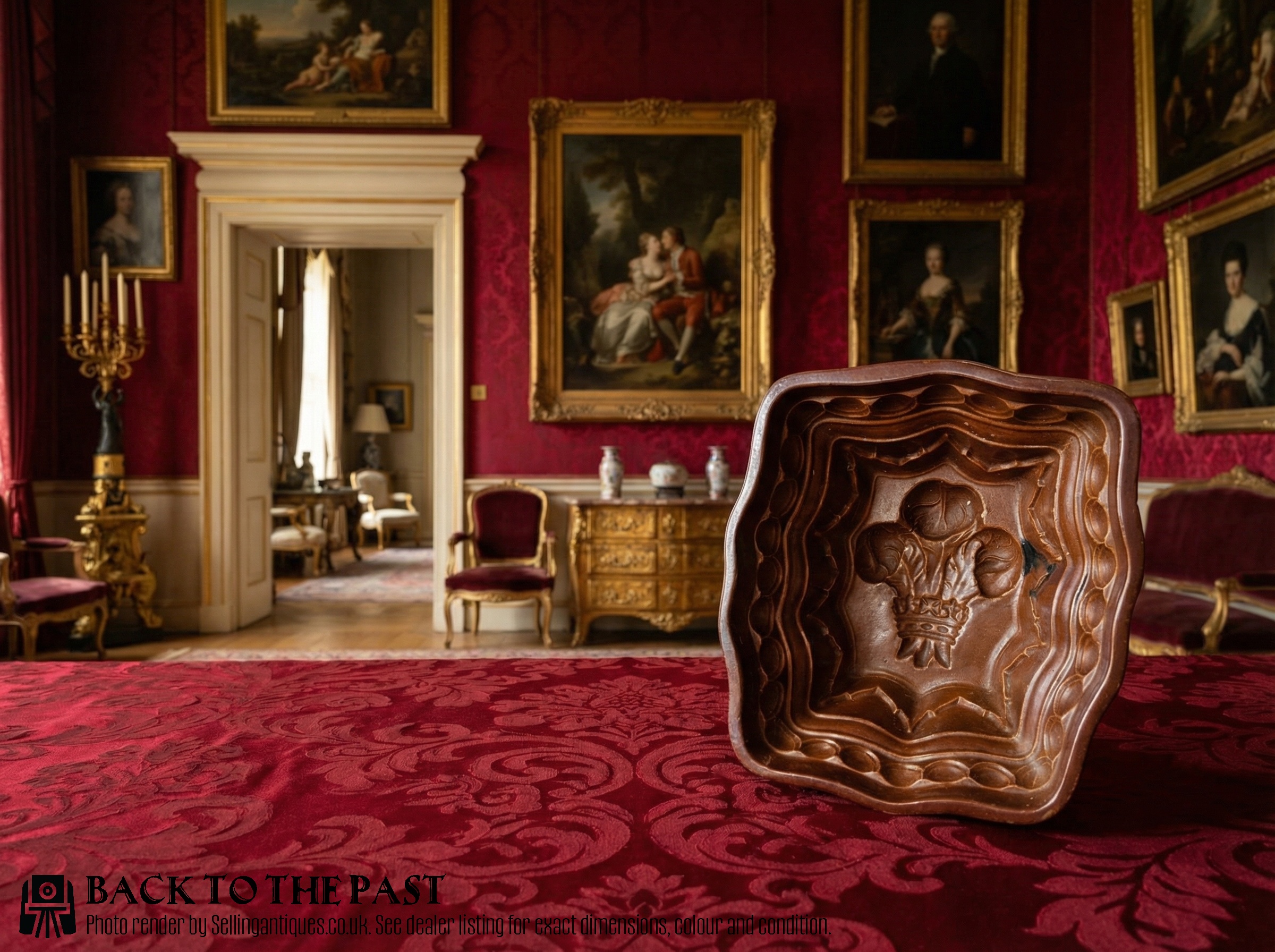
A victorian stoneware mould search uncovers a range of kitchen and pantry items intended for moulding jellies, game pies, and desserts. The physical evidence shows sturdy utilitarian kitchenware alongside decorative pitchers, jugs, and biscuit barrels.
Most examples date through the nineteenth century, reflecting the industrial expansion of British pottery production. Collectors frequently encounter utilitarian jelly shapes alongside more decorative relief-moulded tableware.
Materials and construction
Potters utilised durable stoneware, earthenware, and caneware bodies to withstand regular kitchen use. These dense ceramic matrices were often salt glazed or finished with applied sprigged decoration.
Moulds and relief-moulded jugs relied on multi-part plaster moulds to achieve sharp external details and smooth interior surfaces necessary for turning out food cleanly.
The site listings combine nineteenth-century stoneware, earthenware, and caneware forms, including jelly moulds, game pie dishes, and relief-moulded jugs.
Evaluating quality
Quality rests upon the crispness of the relief moulding and the uniformity of the ceramic body. Sharp detailing in sprigged motifs separates standard kitchenware from exhibition pieces.
The choice of glaze and the evenness of the kiln firing dictate the visual appeal of salt glaze and caneware surfaces.
Charles Meigh·Ridgway and Sons·Jones and Walley·Minton·Wedgwood
The Victorian Stoneware Mould Glossary
- Stoneware
- A dense, hard ceramic fired at high temperatures until vitrified and non-porous. It resists moisture and chemical action naturally.
- Caneware
- A fine stoneware body coloured to resemble the tone of unbleached oatmeal or bamboo. It gained popularity during the Georgian and Victorian periods for pie dishes and tableware.
- Salt glaze
- A vitreous coating formed by throwing common salt into the kiln during high-temperature firing. This creates a distinctive orange-peel texture on the ceramic surface.
- Sprigged
- A decorative technique where separately moulded clay reliefs are applied to the surface of a vessel before firing. It creates a contrasting layered effect.
Victorian Stoneware Mould: Frequently Asked Questions
What were these used for?
These vessels served practical culinary roles in the nineteenth-century kitchen, primarily shaping jellies, aspics, and baked game pies.
Their robust ceramic walls helped maintain even temperatures during preparation and cooling.
How do I date a piece?
Dating relies on stylistic markers, ceramic bodies, and registry marks stamped into the base by nineteenth-century manufacturers.
Comparing the sharpness of the relief work and glaze types also helps narrow the production window within the Victorian era.
Can I use them for cooking?
While historic pieces were built for the kitchen, age and historical importance make most examples better suited for display.
Thermal shock can damage nineteenth-century ceramic bodies that have weakened over decades of service.
How should I clean them?
Gentle washing with warm water and mild soap protects the porous historic surfaces and any delicate salt glaze.
Harsh modern detergents and abrasive scrubbers will dull the ceramic body and damage historic finishes.