



Victorian Sterling Forks
Victorian sterling forks are solid silver tableware pieces from the nineteenth century that bring authentic period character and genuine utility to a dining table.
Victorian Sterling Forks
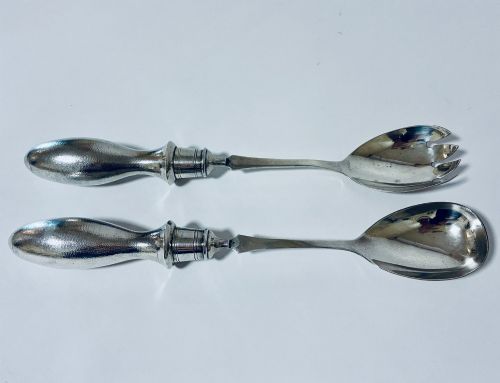
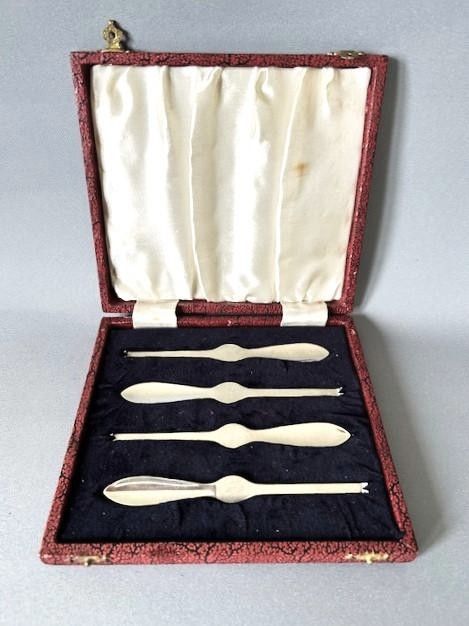
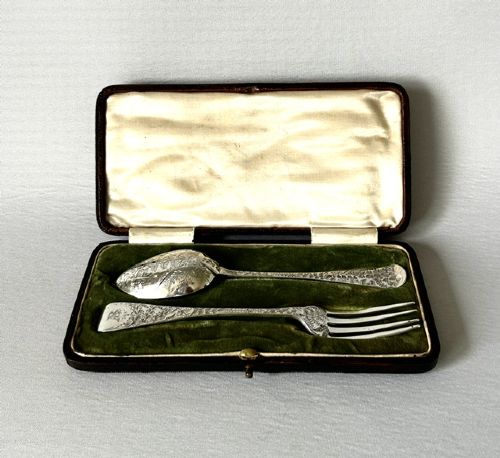
These items originate from workshops active across the nineteenth and early twentieth centuries, encompassing styles such as Arts and Crafts, Art Nouveau, and Late Victorian designs. They appear both loose and fitted within original presentation cases lined with velvet, silk, or leatherette.
Makers ranged from notable provincial silversmiths to larger firms in Sheffield and American workshops. Whether intended for christening gifts or grand dining, each piece reflects the specific functional requirements of its original household context.
Manufacturing and materials
The primary material across these listings is solid sterling silver, often paired with steel components on serving knives and forks to provide structural rigidity. Presentation cases utilise leather and leatherette exteriors combined with interior linings of silk, satin, and velvet.
Manufacturing methods rely on traditional silversmithing techniques, including hand-forging, stamping, and chasing to create decorative patterns like the Old Orange Blossom design. Items are frequently hallmarked to designate the silver standard, manufacturing city, and year of production.
Victorian Sterling Forks Retail Price Guide 2026
Typical asking prices for victorian sterling forks among the pieces listed under this phrase on Sellingantiques today, from the lower quarter to the upper quarter. They describe what is for sale here now, not the wider market.
Determinants of quality
Quality in victorian sterling forks rests on the crispness of the chased or engraved ornament and the structural integrity of the tines. Pieces that retain their original fitted cases, complete with sound velvet or silk linings and working clasps, command higher regard.
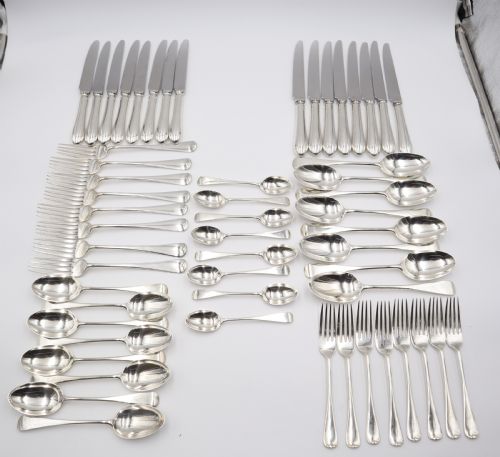
The reputation of the silversmith and the clarity of the London, Sheffield, or foreign hallmarks also differentiate standard production items from exceptional workshop output. Consistency across a matched canteen or set elevates the overall standard compared to assembled groups of disparate origins.
Henry Wilkinson·H H Curtis·Walter and John Barnard·Alvin·John Round
The Victorian Sterling Forks Glossary
- Sterling silver
- A silver alloy containing 92.5 percent pure silver by mass and 7.5 percent other metals, usually copper. This composition provides the durability required for functional cutlery.
- Hallmark
- An official mark stamped onto precious metals in the United Kingdom to indicate the purity of the silver, the maker, and the assay office.
- Christening set
- A matched grouping of a fork, knife, and sometimes a spoon, presented in a fitted box as a traditional gift for the baptism of a child.
- Canteen
- A fitted chest, box, or cabinet designed to store a complete set of cutlery safely in an organised manner for a household.
- Serving cutlery
- Larger forks, spoons, and servers intended for dishing food at the table rather than for individual diner use.
Victorian Sterling Forks: Frequently Asked Questions
What are victorian sterling forks made of?
These pieces are constructed from solid sterling silver, with steel occasionally used for the blades of serving knives to ensure cutting strength.
Presentation boxes accompanying the silver often incorporate leather, leatherette, velvet, silk, and satin for their fitted interiors.
How do I identify the date of my silver?
British pieces feature hallmarks stamped directly onto the metal, which include a letter code designating the specific year of assay alongside town marks and the lion passant.
Comparing these punches against standard reference tables reveals the exact year the item was struck in the silversmith's workshop.
Were these forks used daily?
Many sets, particularly canteens and salad servers, saw active use at nineteenth-century dining tables for formal meals and family gatherings.
Other items, such as christening sets and cased sardine servers, were kept primarily as presentation pieces or gifts, resulting in very little wear.
How should I store boxed silver cutlery?
Keep the items within their original fitted cases or specialised anti-tarnish rolls in a dry environment away from direct sunlight and excessive humidity.
Avoid wrapping silver directly in household plastic or rubber bands, which can react adversely with the metal surface over time.