



Victorian Stem Vases
Victorian stem vases are slender vessels for single blooms, prized for their delicate height and period charm.
Victorian Stem Vases
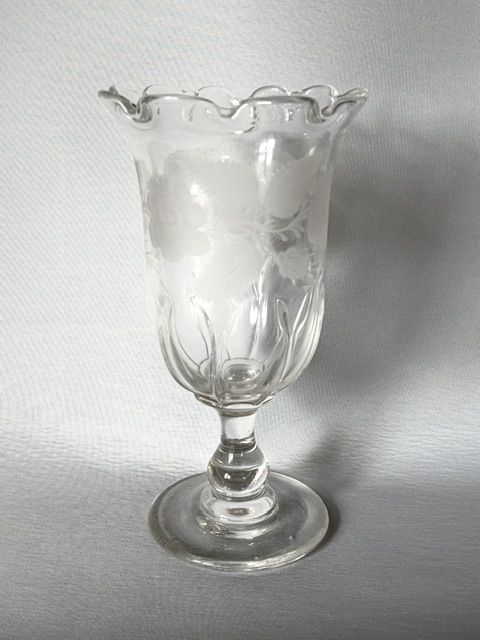
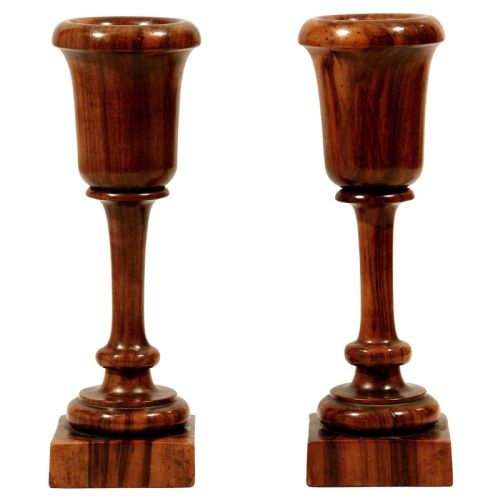
Victorian stem vases stand as upright vessels designed to hold single flowers or small posies, lifting the bloom above the table on a distinct shaft or pedestal. The selection on this page encompasses diverse interpretations of the form, ranging from tall glass cylinders to turned wooden urns and porcelain examples.
Most pieces date from the nineteenth century, drawing on Victorian, Arts and Crafts, and Art Nouveau aesthetics. Makers experimented with regional British traditions alongside Japanese Meiji influences, producing both delicate mantel ornaments and sturdy rustic folk art objects.
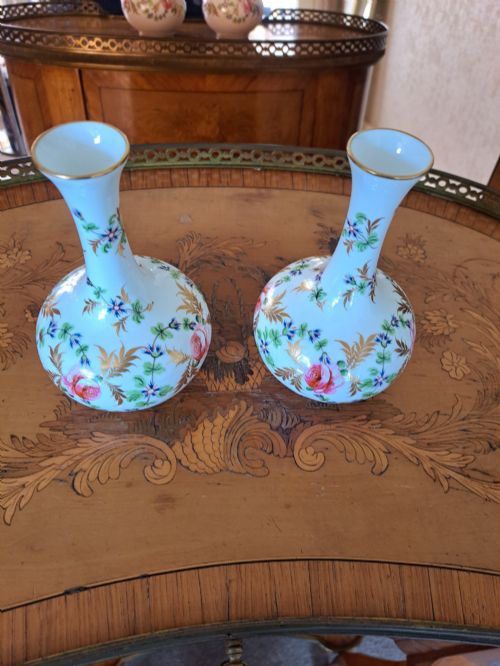
The forms extend beyond traditional glassware to include earthenware, bone china, bronze, and lignum vitae wood. Buyers frequently encounter pairs alongside single vessels, reflecting how these items were originally placed on dining tables and mantelpieces.
How they were made
Glass production during this era relied on blowing and etching techniques, resulting in transparent or richly coloured vessels like cranberry glass. Artisans also shaped molten material into slender baluster profiles, sometimes applying gold leaf for added decoration.
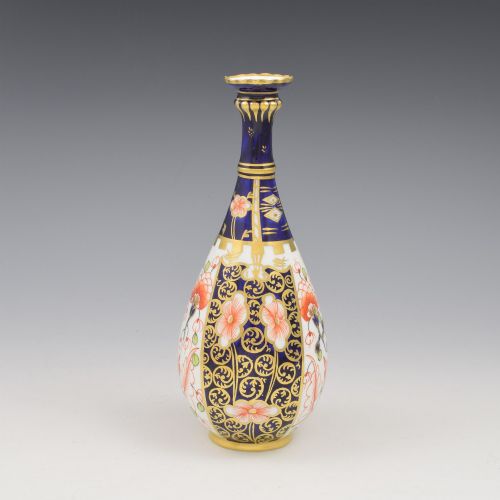
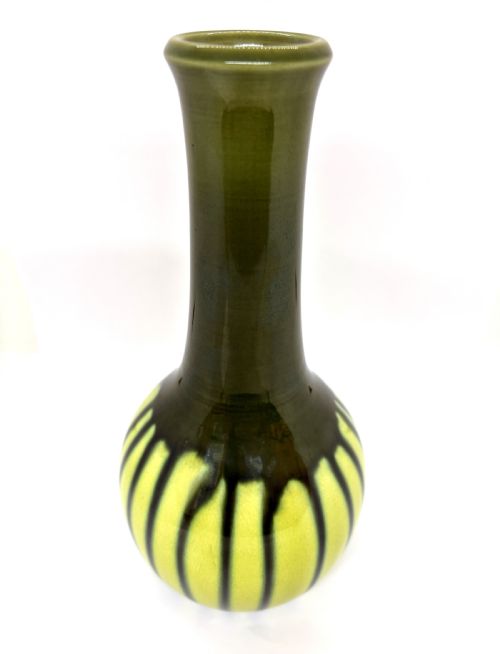
Ceramic pieces utilised porcelain and earthenware bodies, finished with intricate glazes or hand-painted Imari patterns. Factories such as Royal Crown Derby shaped bone china into delicate bud vases and decorative spill vases.
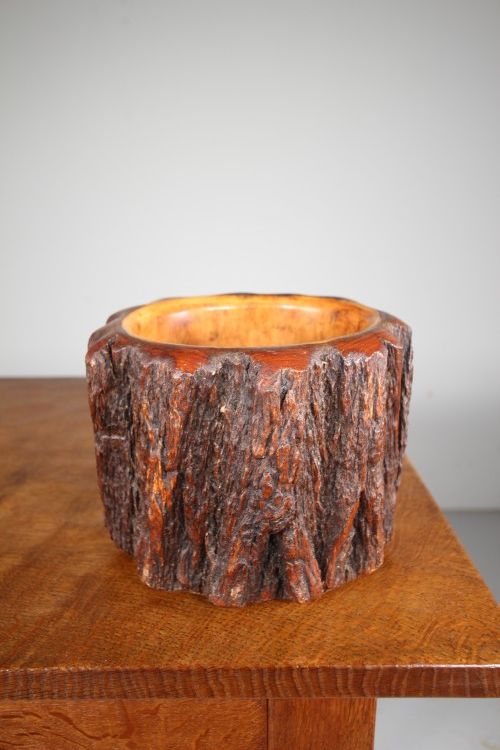
Woodturners fashioned dense timbers like oak and lignum vitae on lathes to create solid urn stems and treen bowls. Metalworkers cast bronze into baluster urn shapes, while silversmiths shaped hallmarked silver into formal display pieces.
Victorian Stem Vases Retail Price Guide 2026
Typical asking prices for victorian stem vases among the pieces listed under this phrase on Sellingantiques today, from the lower quarter to the upper quarter. They describe what is for sale here now, not the wider market.
Listings feature periods spanning the Victorian era, Arts and Crafts movement, and Art Nouveau, alongside Japanese Meiji examples.
What varies in quality
The finesse of the turning or moulding dictates the visual balance of the piece, separating standard utilitarian items from finer decorative works. Crisp details in etched glass, sharp relief in cast bronze, and precise symmetry in turned wooden urns signal superior craftsmanship.
Decoration applied to the surface reveals the skill of the maker, from the exactitude of hand-painted Imari patterns on porcelain to the smooth application of enamel and gold leaf. Consistency in the glaze and depth of colour further distinguish the higher tier of objects.
The Victorian Stem Vases Glossary
- Stem vase
- A tall, slender vessel raised on a distinct pedestal or shaft to display individual blooms. This form places emphasis on height and profile rather than a wide bowl.
- Imari
- A traditional Japanese decorative style adopted by British potteries, characterised by cobalt blue, iron red, and gilt detailing. Pieces featuring this palette often display intricate geometric and floral motifs.
- Treen
- Small handmade wooden objects produced by turning or carving timber. These items range from domestic utensils to decorative vases fashioned from dense woods like lignum vitae.
- Baluster
- An architectural shape featuring a swollen lower portion tapering to a narrower neck. This contour appears frequently in the stems of bronze, glass, and ceramic vases from the period.
- Cranberry glass
- A rich red glass created by adding gold chloride to the molten batch during manufacture. It was widely used for Victorian tableware and decorative glassware.
Victorian Stem Vases: Frequently Asked Questions
How were stem vases used?
Victorians placed these slender vessels on mantelpieces, dining tables, and occasional furniture to display individual blooms. Their elevated design brought colour and fragrance to eye level.
Many survived in pairs because they were originally arranged symmetrically to frame larger decorative centerpieces or mirrors in a domestic interior.
How do I identify glass stem vases?
Glass examples often feature blown or moulded bodies with etched patterns or coloured hues such as cranberry. Examining the base can reveal pontil marks left by the manufacturing process.
Makers utilised techniques like gold leaf application and casing to achieve depth and visual texture in nineteenth-century glassware.
What materials are common?
The materials span porcelain, earthenware, bone china, glass, bronze, and turned woods such as oak and lignum vitae. Each medium required distinct manufacturing techniques.
Potteries utilised detailed glazes and enamel painting, while metalworkers cast bronze and silversmiths shaped precious metals into formal display pieces.