



Victorian Star Jewellery
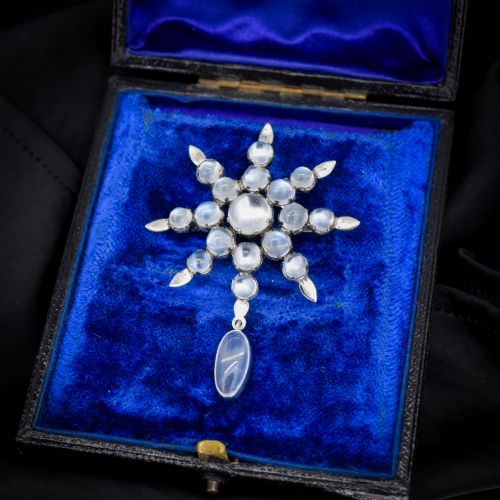
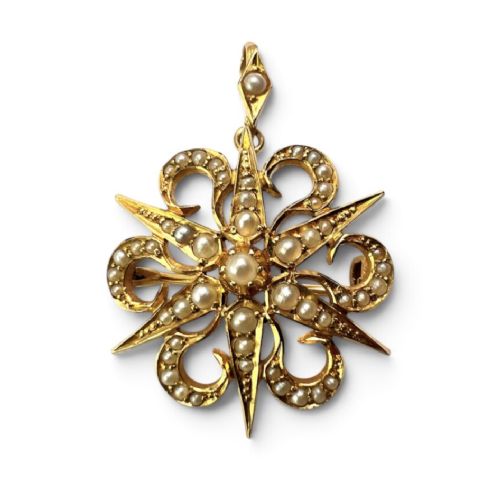
Victorian star jewellery brings together celestial motifs, glowing pearls and old cut diamonds in rings, brooches and pendants designed to catch the candlelight.
Victorian Star Jewellery
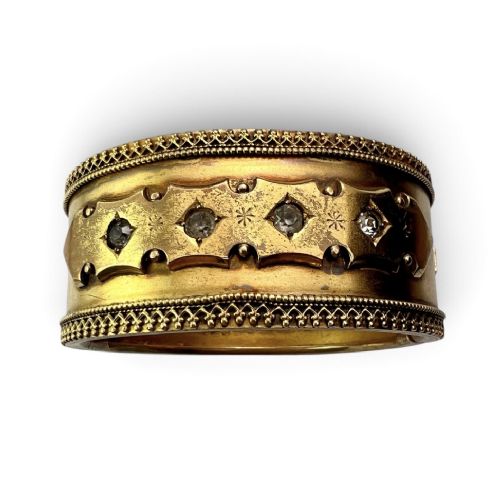
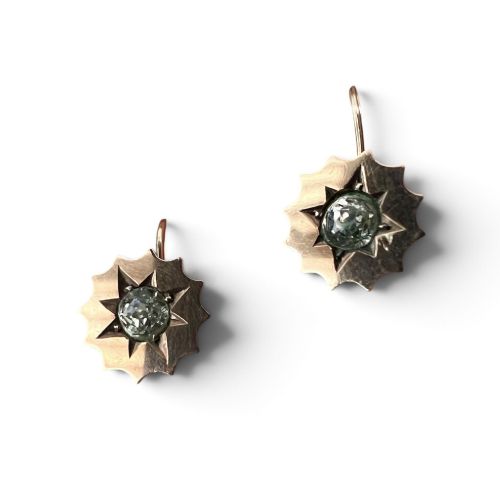
When searching for victorian star jewellery, collectors encounter pieces shaped by nineteenth-century romanticism and a fascination with the night sky. The selection spans rings, brooches, pendants and bracelets created across the Victorian and Edwardian eras, often featuring celestial motifs rendered in gold and silver.
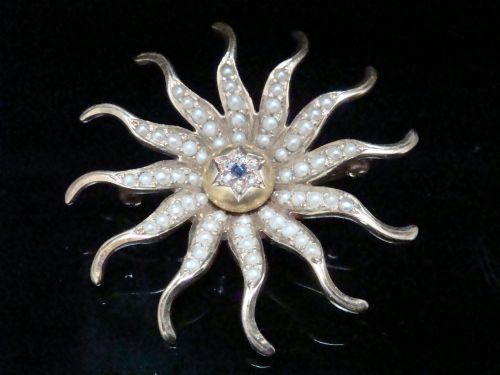
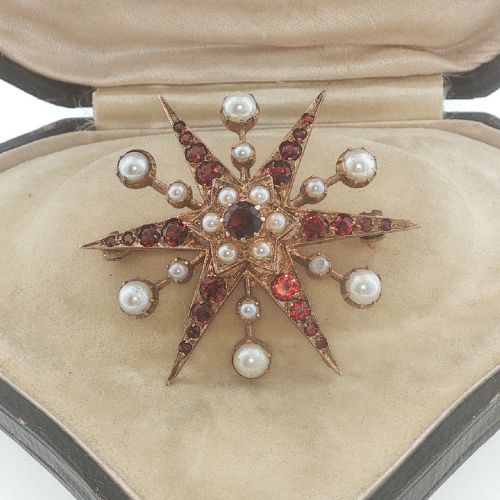
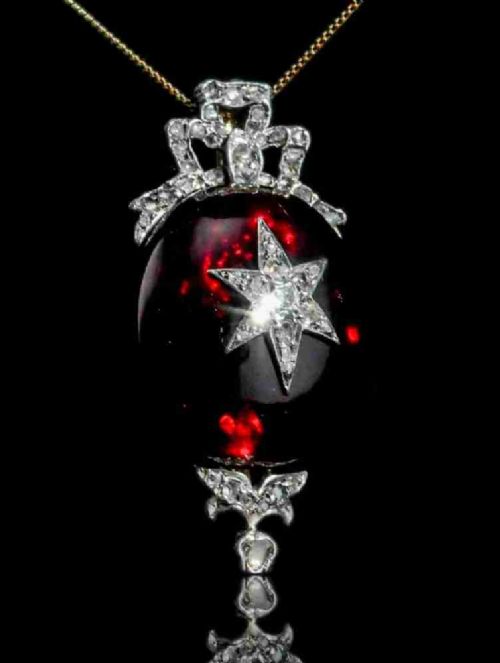
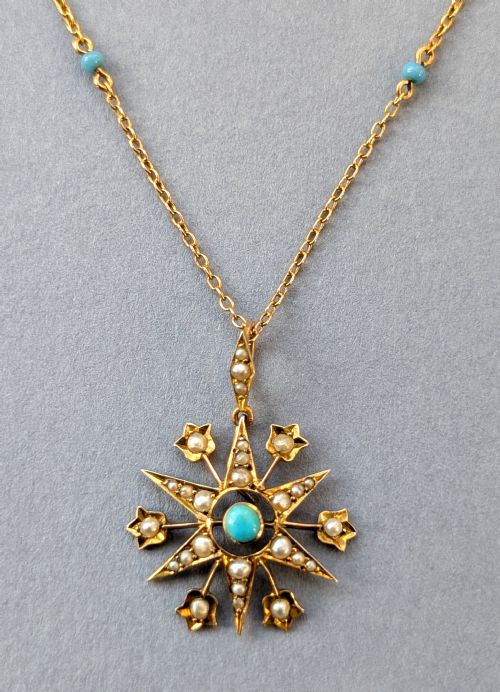
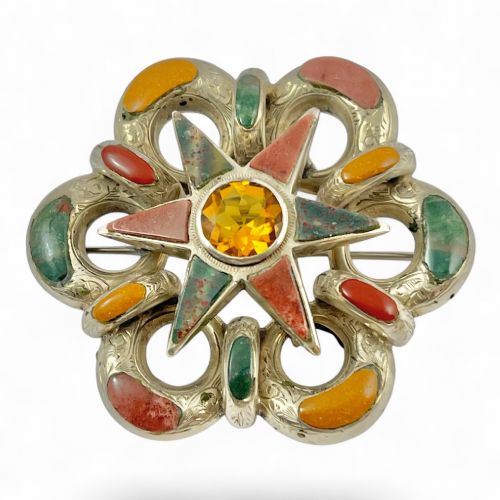
The version most commonly met on this page is the starburst brooch or ring, where diamonds, pearls or coloured stones radiate outwards from a central point. These designs frequently incorporate granulation, engraving and mixed metals, reflecting the revivalist styles popular during the period.
Materials and Construction
Maker's workshops utilised varied grades of gold alongside silver settings, the latter chosen specifically to brighten the appearance of old cut diamonds. Stones were typically hand-set into star motifs, using collets and grain settings that required precise metalwork.
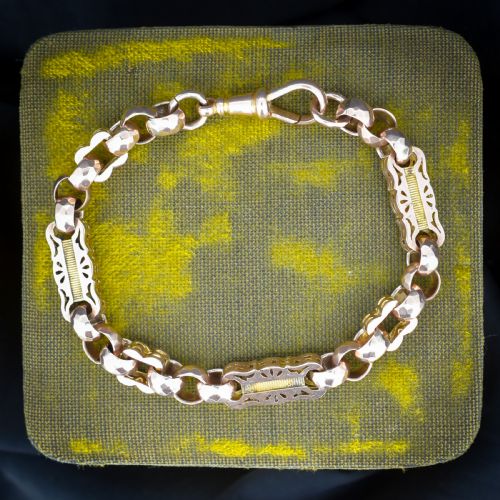
Compositions often combined gemstones such as rubies, garnets and sapphires with seed pearls and natural diamonds. Structural components like hollow-formed pendants, solid band rings and curb chain bracelets demonstrate the diverse bench techniques of nineteenth-century goldsmiths.
Victorian Star Jewellery Retail Price Guide 2026
Typical asking prices for victorian star jewellery among the pieces listed under this phrase on Sellingantiques today, from the lower quarter to the upper quarter. They describe what is for sale here now, not the wider market.
Listings feature items dated across the Victorian, Edwardian, and mid-twentieth-century periods, alongside unhallmarked nineteenth-century examples.
Evaluating Quality
Quality separates pieces through the crispness of the star settings and the harmony of the stone proportions. Superior examples display balanced gemstone arrangement and secure, integrated metalwork rather than heavy-handed repairs or replacement stones.
The distinction lies in the depth of chasing, the integrity of the original components and the fineness of the gold or silver work. Pieces retaining their original clasps, bezels and fitted boxes hold greater integrity than those altered over time.
The Victorian Star Jewellery Glossary
- Star-set
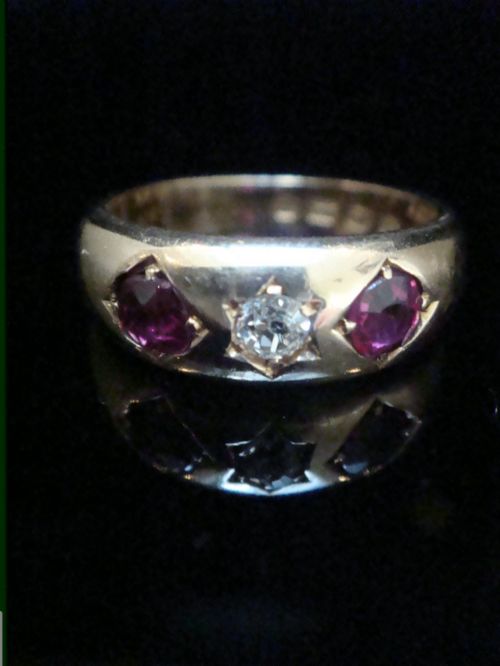
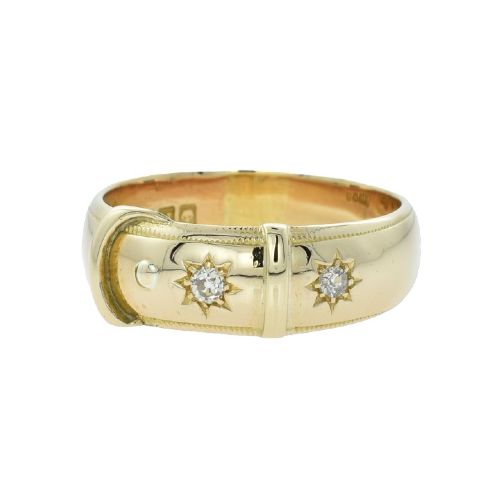
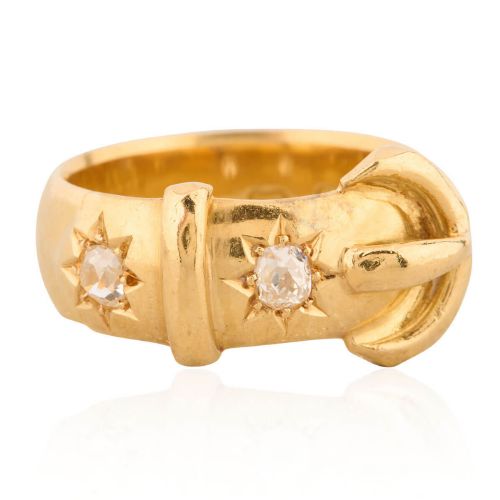
- A gemstone embedded flush into metal with small triangular rays engraved around it to resemble a star. This method protects the girdle of the stone while adding decorative brightness.
- Old cut
- A diamond facet style hand-polished before modern machinery, characterised by a smaller table, higher crown and open culet. These stones display softer, broader flashes of light under low illumination.
- Gypsy ring
- A band style where gemstones are flush-set into a thick, tapered metal hoop, popular during the late nineteenth century. The smooth profile made them practical for daily wear.
- Bohemian garnet
- Deep red pyrope garnets mined in Central Europe, frequently cut into rose shapes and clustered tightly together. They create rich, dark crimson surfaces characteristic of period jewellery.
- Puffy heart
- A hollow pendant formed from two domed sheets of gold soldered together, often embossed with floral or star motifs. They were frequently suspended from chains or incorporated into charm bracelets.
Victorian Star Jewellery: Frequently Asked Questions
What is victorian star jewellery?
Victorian star jewellery encompasses rings, brooches, pendants and lockets featuring celestial starburst motifs. These pieces typically incorporate diamonds, pearls or coloured gemstones set into yellow gold or silver-topped gold.
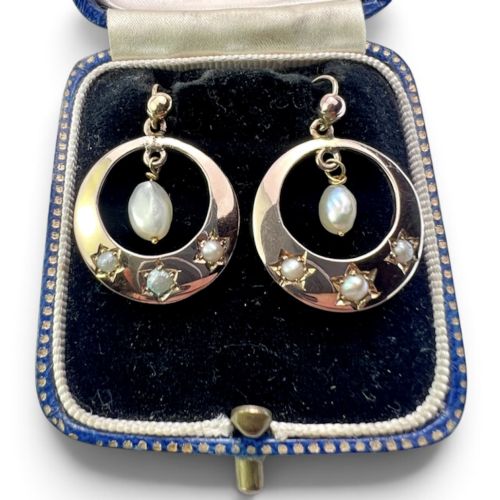
The style reflects nineteenth-century romantic and scientific interests in astronomy. Makers interpreted the theme through varied forms, ranging from delicate crescent earrings to substantial brooches set with old European cut diamonds.
How do I wear these antique pieces?
These items transition well from daywear to evening attire when styled thoughtfully. Brooches can be pinned to lapels or silk scarves, while rings and bracelets suit daily wear with appropriate care.
Because many antique items feature delicate seed pearls or hollow gold construction, they require gentle handling. Removing them before strenuous activity prevents unnecessary strain on the original settings.
How can I tell the period?
Dating relies on examining hallmarks, gemstone cuts, and construction methods. British items often feature assay office marks, date letters and carat stamps that pinpoint the exact year of creation.
Stylistic cues also help determine the era. Hand-cut old European diamonds, closed-back settings and specific revivalist motifs point towards the nineteenth century, while Edwardian pieces often utilise lighter platinum or white gold accents.
What stones are common in star designs?
Diamonds and seed pearls appear frequently, often paired together to create high-contrast starburst patterns. Pearls represented purity and tears during the Victorian period, while diamonds symbolized enduring strength.
Coloured gemstones such as rubies, garnets, sapphires and turquoise also feature prominently. These stones were sometimes arranged as central focal points surrounded by diamond star rays.