




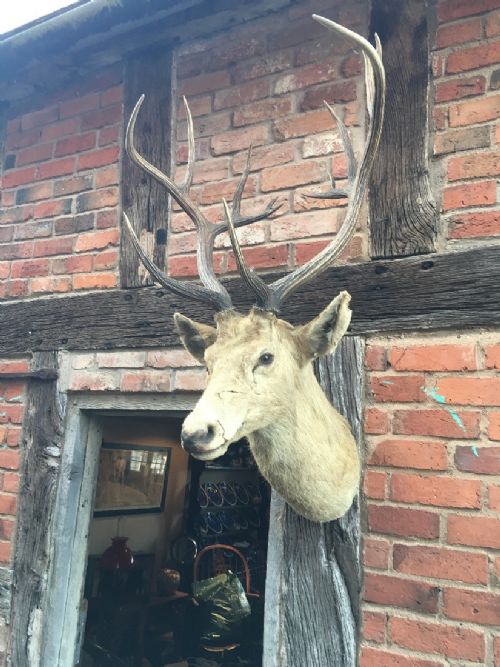
Victorian Stag Antler Mount
A victorian stag antler mount brings the rugged atmosphere of the Scottish Highlands directly into a room, offering both practical utility and bold natural form.
Victorian Stag Antler Mount
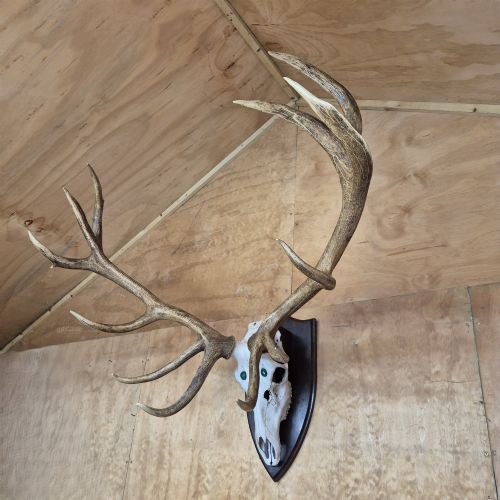
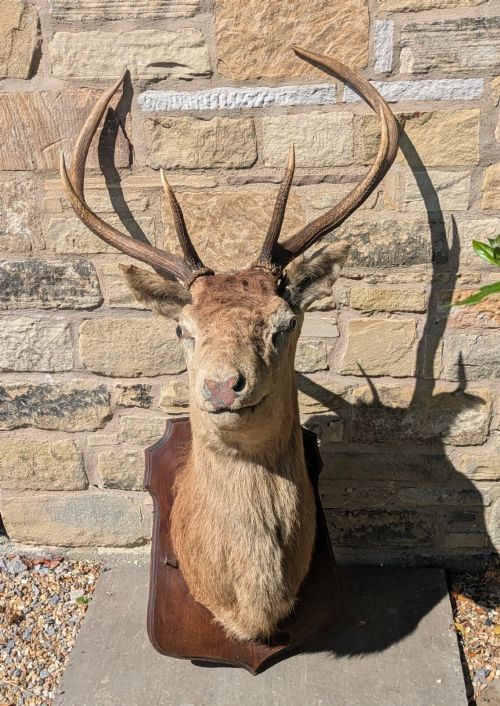
When you search for a victorian stag antler mount, you are looking at items designed to celebrate country pursuits and rural life. These pieces serve as striking interior ornaments, ranging from full animal heads to functional furniture.
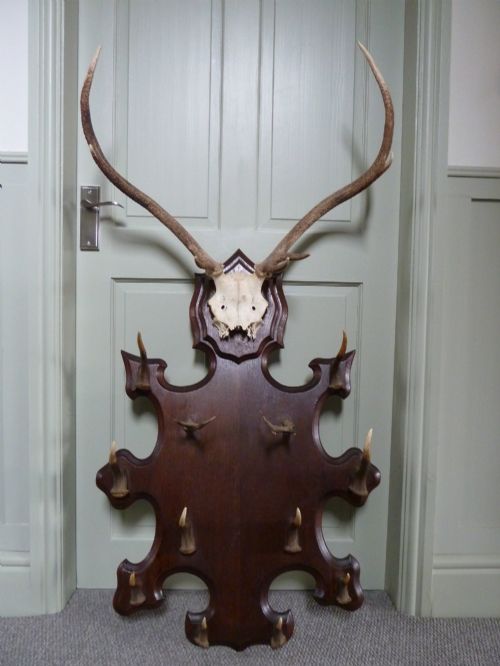
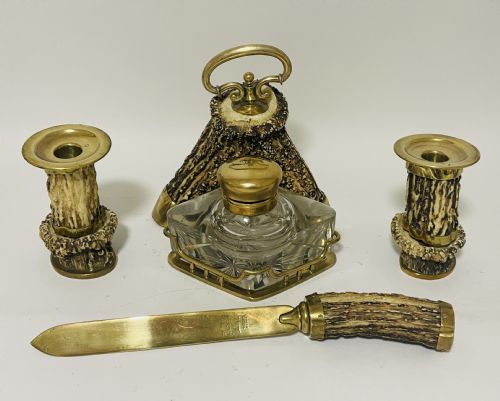
The versions you are most likely to meet on this page include wall mounts fixed to wooden shields, complete hall stands, and desk accessories. Their origins trace back to nineteenth century country houses and Highland hunting lodges.
The forms span from simple roebuck heads to substantial twelve point red deer antlers. Each object combines natural animal material with traditional carpentry, reflecting an era obsessed with sporting trophies and taxidermy.
How they were made
Makers shaped these pieces using genuine red deer or roebuck antlers combined with solid timber supports like carved oak. The bone and horn structures required careful cleaning and mounting to secure them firmly to wooden shields or furniture bases.
Metalwork often appears alongside the natural horn, utilising brass or silver for collars, mounts, and fittings. Leather and glass also feature in related equestrian and desk accessories from the period.
Some stags attained such legendary status among Victorian hunters that their specific antler spreads earned formal names like the Monarch of the Glen.
What varies in quality
The distinction between average items and the finest examples lies in the symmetry, scale, and point count of the antlers. A larger, well-balanced set commands greater presence and demonstrates superior natural growth.
Craftsmanship in the wooden mounts also separates pieces, with deeply carved oak shields showing higher artistic effort than plain backing boards. The integration of metal collars and secure fixings dictates the structural integrity of the piece.
The Victorian Stag Antler Mount Glossary
- Antler
- The branched horn of a deer, shed and regrown annually, forming the primary structural material of these mounts. It requires specific care to prevent drying and cracking over time.
- Shield
- The carved wooden backing board, frequently made of oak, upon which taxidermy heads and antlers are mounted for wall display. This provides a stable anchor for the heavy horn.
- Taxidermy
- The art of preparing, stuffing, and mounting the skins or remains of animals for display in a lifelike state. In this context, it preserves the head and neck of the stag.
- Hall stand
- A piece of hallway furniture incorporating hooks and compartments, often utilising antler tines as coat racks. These provided practical storage for outer garments in country houses.
- Point
- An individual branch or tine on a deer's antler, counted to determine the size and maturity of the animal. Collectors often value pieces with higher point counts.
Victorian Stag Antler Mount: Frequently Asked Questions
How should I clean natural antlers?
Dust the surface regularly with a soft, dry cloth to prevent grime buildup in the grooves of the bone. Avoid using chemical polishes or excessive water, which can damage the natural material.
Keeping the pieces away from direct sunlight and severe temperature fluctuations will preserve the colour and condition of the horn over the years.
Are these items from the nineteenth century?
The selection includes pieces originating from the nineteenth century alongside later items from the early twentieth century. Stylistic markers and mounting techniques help differentiate the earlier Victorian examples from later Edwardian work.
Examining the backing wood and any metal collars provides additional clues regarding the age and origin of the object.
Where were these mounts originally displayed?
These items typically decorated the halls, libraries, and smoking rooms of country houses and sporting estates. They reflected the owner's passion for hunting and rural life.
Today, they translate easily into modern interiors, adding texture and historic character to both contemporary and traditional spaces.