

Victorian Sports Art
Victorian sports art captures the vigorous equestrian pursuits, canine companions, and field sports that defined nineteenth-century leisure.
Victorian Sports Art
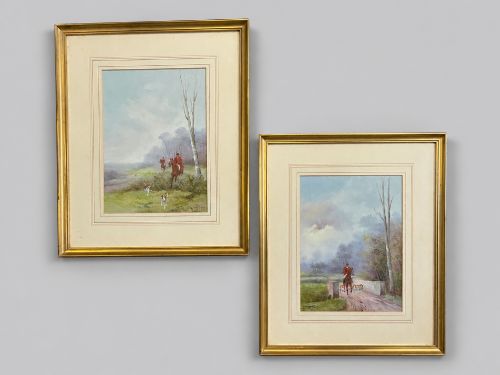
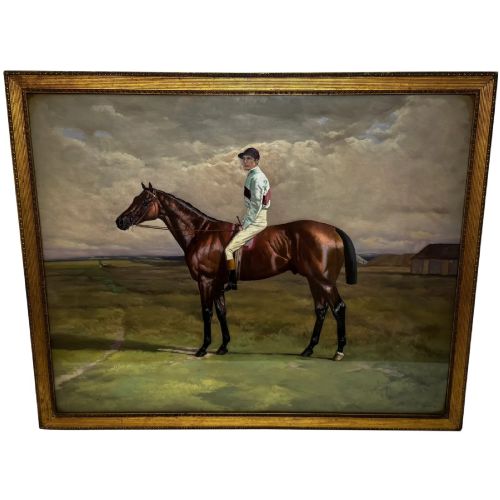
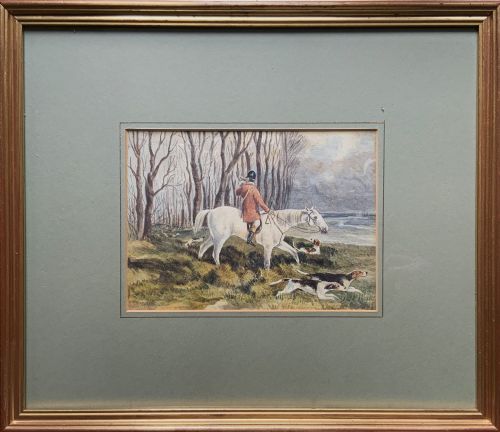
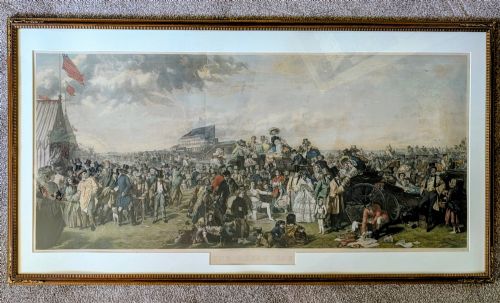
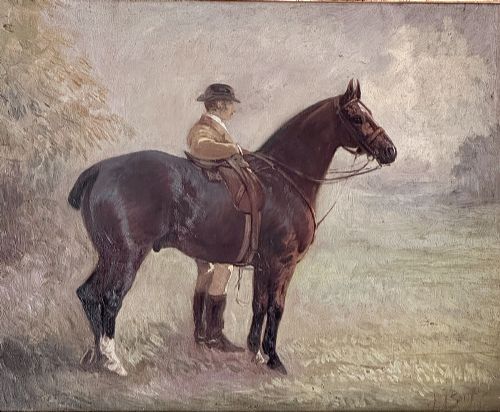
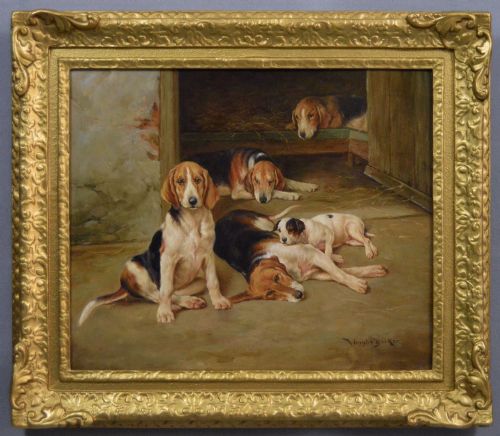
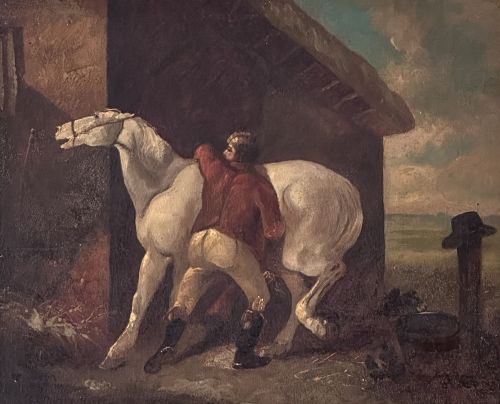
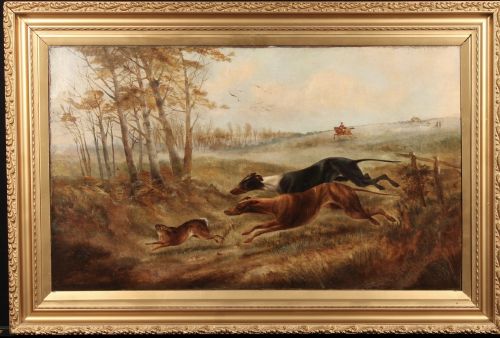
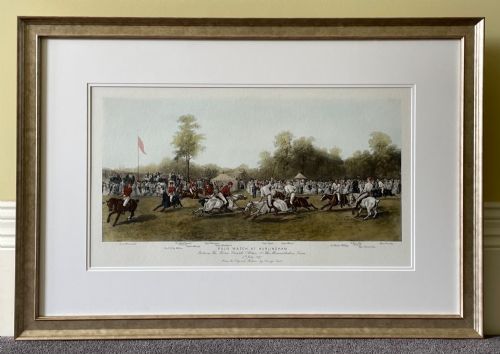
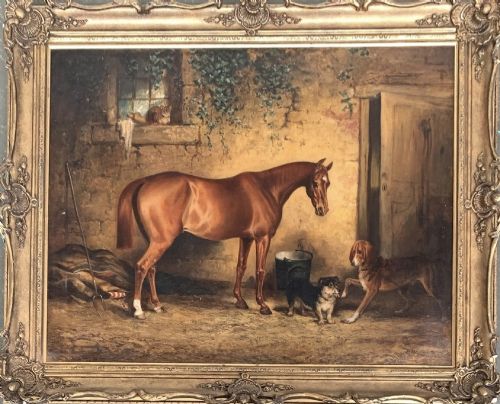
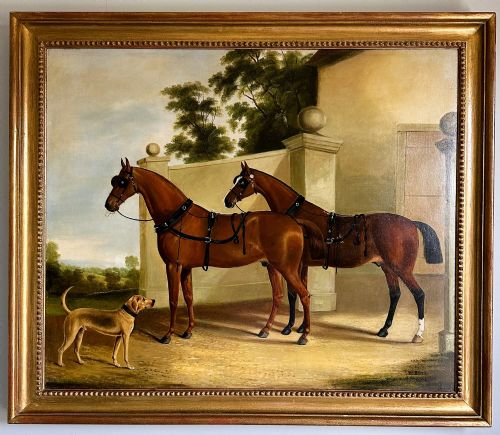
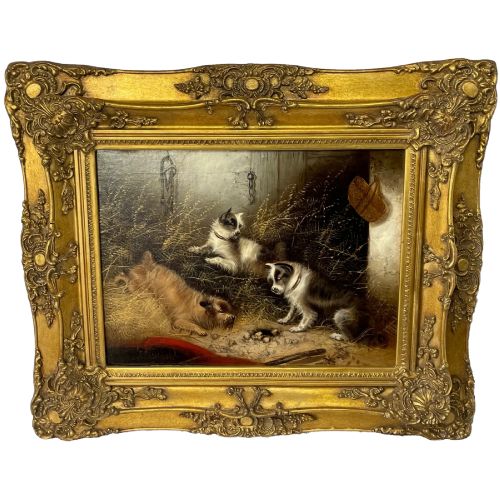
Victorian sports art encompasses oil paintings, watercolours, lithographs, and engravings depicting horses, hunting hounds, racehorses, and game. When exploring this selection, buyers frequently encounter oil on canvas works alongside framed prints documenting rural pursuits.
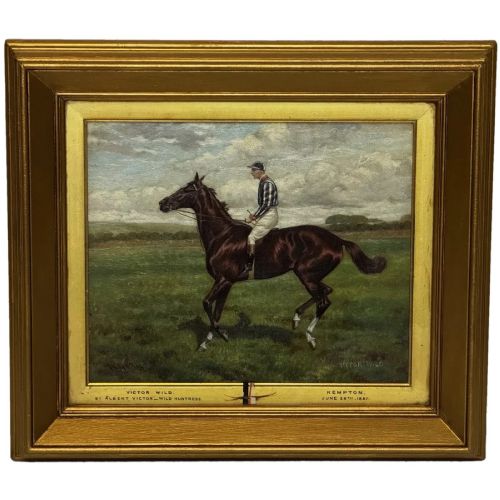
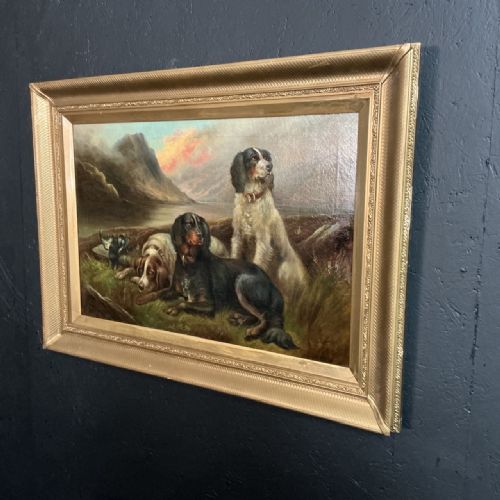
The subjects range from solitary equine portraits of famous racehorses to bustling fox hunting scenes, polo matches, and gun dogs with the day's bag. These pieces reflect a society deeply engaged in equestrian breeding, field sports, and canine husbandry.
Originating predominantly from the nineteenth century, these artworks stretch from the early decades through to the early twentieth century. The dominant formats are wall art and fine art paintings housed in original giltwood or wood frames.
Materials and methods
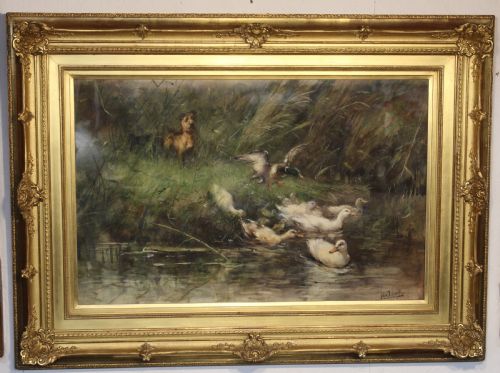
Artists of this period primarily employed oil paint on canvas, utilising pigments that capture the glossy coats of hunters, the textures of sporting dogs, and expansive pastoral landscapes. Watercolour and bodycolour appear on paper for more detailed studies of game and hounds.
Printmakers utilised lithography and engraving techniques to reproduce popular sporting scenes for wider distribution, often applying hand-colouring to finished prints. Works of art are frequently mounted within carved wood and gold leaf frames that complement the composition.
Victorian Sports Art Retail Price Guide 2026
Typical asking prices for victorian sports art among the pieces listed under this phrase on Sellingantiques today, from the lower quarter to the upper quarter. They describe what is for sale here now, not the wider market.
Listings span the nineteenth and early twentieth centuries, featuring oil on canvas, paper, and gilt wood frames.
Distinctions in quality
Quality rests upon the artist's command of animal anatomy, movement, and expression, distinguishing stiff, generic portrayals from dynamic depictions of galloping horses or alert terriers. The rendering of light across a horse's flank or the lively posture of a hound separates accomplished painters from lesser hands.
Condition of the canvas and pigment stability influence the piece, alongside the originality of the frame. Works retaining their period giltwood or gold leaf settings maintain a stronger integrity.
Wright Barker RBA·Charles Bilger Spalding·Henry Barraud·Edward Armfield·George Sydney Shepherd·Thomas Smythe·George Finch Mason·John Sargent Noble·Sir Edwin Henry Landseer RA·George Wright·Fred Fitzpatrick·Edward Priestley·Thomas Walker Bretland·John Frederick Herring Senior·John Emms·John Ferneley Senior·Benjamin Blake·John Arthur Lomax·Arthur Wardle·Albert Clark·Basil Nightingale
The Victorian Sports Art Glossary
- Lithography
- A planographic printing method using a stone or metal plate to produce multiple impressions on paper. This technique enabled the widespread distribution of popular sporting scenes and horse racing prints.
- Bodycolour
- An opaque watercolour paint containing white pigment, used by artists to achieve solid, dense areas of colour. It appears frequently in detailed works depicting game and wildlife.
- Giltwood
- Wood that has been coated with a thin layer of gold leaf or gold paint. Frames constructed in this manner are typical for nineteenth-century oil paintings.
- Equine portrait
- A painting or drawing focusing specifically on a horse, often commissioned to record prize-winning racehorses or favored hunters.
- Aquatint
- A variant of etching that produces tonal areas resembling watercolour washes. It was frequently utilised for series of sporting and racing prints.
Victorian Sports Art: Frequently Asked Questions
What subjects appear most often in Victorian sports art?
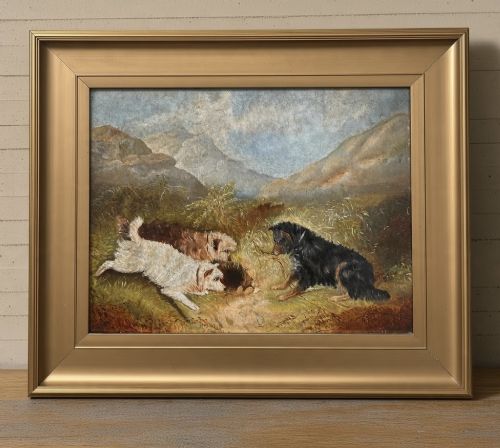
Horses dominate these works, appearing as solitary portraits of racehorses, carriage animals, or hunters in stables and landscapes. Fox hunting scenes, working terriers, gun dogs with game, and racing pigeons also feature prominently.
The imagery reflects the central role of horses and dogs in rural life, sport, and gambling during the nineteenth century.
Are these pieces original paintings or prints?
The selection includes both original works, such as oil paintings on canvas and watercolours on paper, alongside reproduction prints. Lithographs and engravings capture popular sporting subjects for domestic display.
Listings specify the medium, distinguishing between hand-painted oils and printed works on paper.
How do I identify the period of a sporting painting?
Dating relies on stylistic evidence, artist lifespans, costume details in human figures, and framing materials. Signatures and dates inscribed by the artist provide the most direct confirmation of the year of creation.
19th-century works often display specific handling of light and anatomical proportions characteristic of the Victorian era.
How should I hang and care for these artworks?
Keep oil paintings and framed prints away from direct sunlight and damp environments to protect canvas, paper, and gilt frames. Stable indoor temperatures prevent warping in the wood stretchers and frames.
Dust surfaces gently with a soft, dry cloth without applying liquid cleaners to the painted areas.