



Victorian Spindle Bed
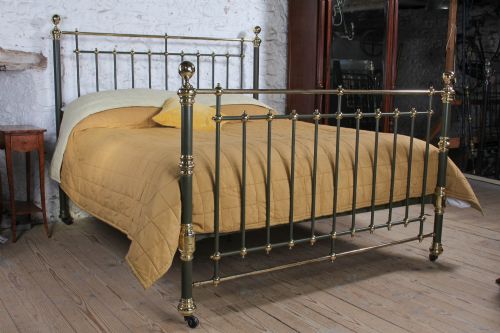
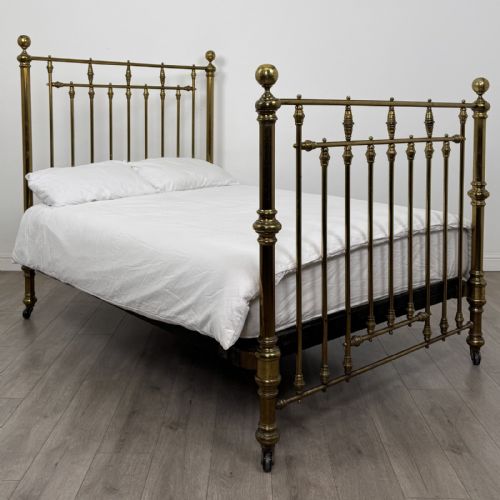
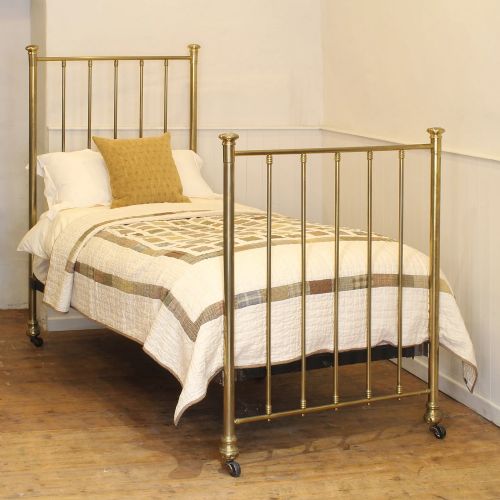
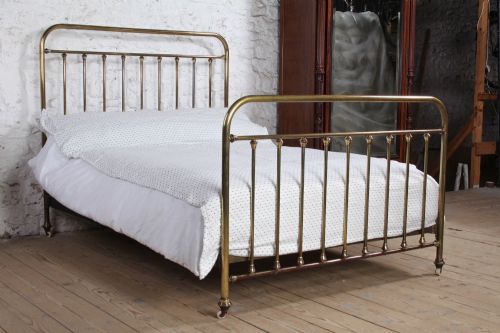
These victorian spindle bed examples bring robust nineteenth and early twentieth century metal and wood framework into the bedroom.
Victorian Spindle Bed
A victorian spindle bed combines metal frameworks with turned wooden elements or metal spindles to create a structured sleeping platform. These pieces span the nineteenth century and extend into the Edwardian era, showing influences from French provincial designs alongside British domestic styles. Buyers encounter various sizes ranging from single child frames up to large king proportions.
The objects recorded here include standard bedsteads, daybeds, and upholstered seat ends functioning as bed sofas. Materials shift between heavy cast iron, wrought iron, bright brass, and warm timber such as mahogany and pine. Many examples incorporate decorative finials and distinct spindle arrangements along the head and foot boards.
Materials and construction
Construction relies heavily on durable metals like cast iron and brass, paired with wooden components such as mahogany and pine. Metal frames utilise solid casting techniques for decorative finials and structural joints, while wooden elements feature turned details and occasional marquetry inlay.
Finishes vary from polished aged brass to painted iron surfaces that withstand daily domestic use. Some daybeds and child beds integrate fabric upholstery like calico across specialised seating or mattress bases.
Victorian Spindle Bed Retail Price Guide 2026
Typical asking prices for victorian spindle bed among the pieces listed under this phrase on Sellingantiques today, from the lower quarter to the upper quarter. They describe what is for sale here now, not the wider market.
A child's pine bed sits quietly among heavy seven-foot brass frames, offering miniature charm.
Judging quality and design
Quality rests upon the crispness of the turned spindles, the solidity of the metal joints, and the balance of decorative brass detail against iron or wood. Finer examples display refined proportions and substantial brass components rather than plain commercial tubing.
The presence of supplementary craftsmanship, such as delicate marquetry on wooden frames or well-executed aged brass patination, elevates an ordinary sleeping frame into a striking decorative centrepiece.
The Victorian Spindle Bed Glossary
- Spindle
- A turned, cylindrical piece of wood or metal used decoratively in rows along a headboard or footboard. They provide structural rhythm and visual lightness to heavy bed frames.
- Finial
- A decorative terminal ornament fixed to the top corners of a bedstead. These brass or iron knobs cap the vertical posts.
- Daybed
- A multi-functional piece serving as both a seat and a bed. These frames often feature low backs and matching or matching-height ends.
- Marquetry
- Decorative veneer work fitted into the wooden surfaces of a bed frame. It creates geometric or pictorial patterns using contrasting timbers.
- Calico
- A plain-woven unbleached textile frequently used for initial upholstery layers on daybeds and end-of-bed sofas.
Victorian Spindle Bed: Frequently Asked Questions
How do I measure for a king size antique bed?
Antique king size frames often differ slightly from modern standardised mattress dimensions. Measuring the internal rails carefully ensures standard modern bases and mattresses fit correctly within the antique structure.
Consider the external clearance needed for prominent brass finials and corner posts, which add extra inches to the overall footprint.
Are iron and brass beds sturdy?
Iron and brass beds provide exceptional structural longevity due to heavy metal casting and robust corner locking mechanisms. Wrought and cast iron frameworks withstand disassembly and assembly remarkably well over generations of use.
Regular checks of the side rail fixings maintain overall rigidity and prevent movement during daily sleep.
What distinguishes Victorian from Edwardian beds?
Victorian beds typically showcase heavier cast iron, substantial brass ornamentation, and dark timber elements like mahogany. They lean towards ornate detailing and robust proportions.
Edwardian alternatives often present lighter forms, simpler profiles, and brighter brass work accompanied by subtle inlay or marquetry details.