





Victorian Silver Tobacco Case
A Victorian silver tobacco case is a pocket accessory for holding smokes, offering tangible nineteenth-century craftsmanship that collectors prize for daily carry or display.
Victorian Silver Tobacco Case
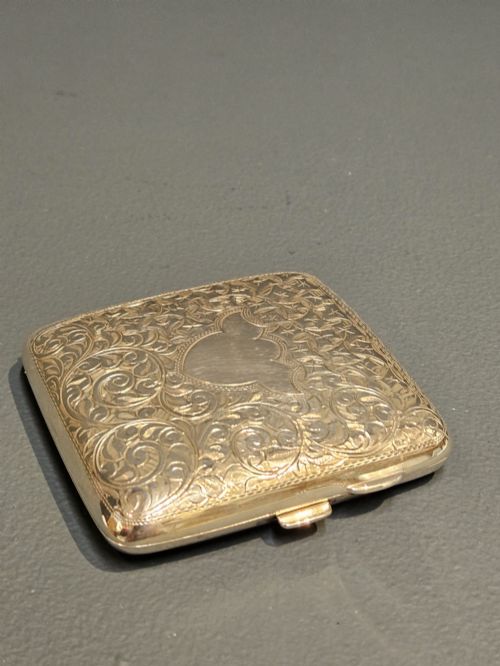
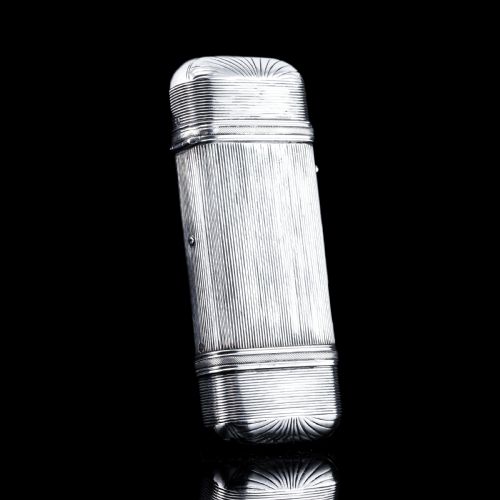
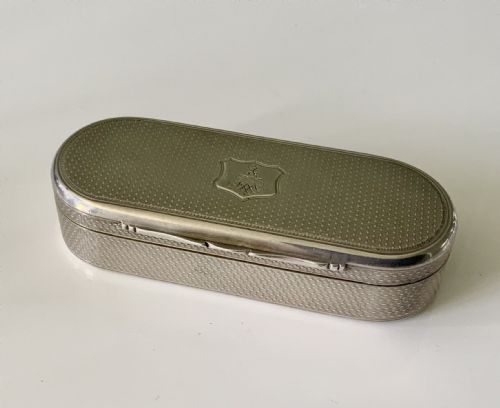
A victorian silver tobacco case encompasses small pocket vessels designed for tobacco, snuff, cigars, and cigarettes across the nineteenth century. The examples met on this page span Victorian, 19th Century, Georgian, and Rococo Revival styles, showing considerable variety in form.
Buyers encounter objects ranging from small snuff boxes and double-compartment combinations to heavy cast silver snuff boxes and curved cigarette cases. Materials include sterling silver, silver gilt, solid silver, and tortoiseshell.
Origins stretch from English workshops in London to continental centres, notably Dutch 19th-century makers. These pieces reflect the varied smoking habits and social rituals of the period.
Materials and construction
Smiths utilised solid sterling silver and silver gilt, frequently combining precious metal with organic materials such as tortoiseshell. Heavy casting techniques appear alongside reeded designs that required precise hand-tooling.
Hinges, clasps, and curved body panels demonstrate advanced nineteenth-century metalworking skills. Compartments and internal divisions were engineered to fit specific forms of tobacco or matches securely.
Victorian Silver Tobacco Case Retail Price Guide 2026
Typical asking prices for victorian silver tobacco case among the pieces listed under this phrase on Sellingantiques today, from the lower quarter to the upper quarter. They describe what is for sale here now, not the wider market.
Some nineteenth-century smokers required six separate finger slots in a single case just to keep their cheroots from rolling about.
Distinctions in quality
Superior items display crispness in reeded decoration and depth in cast relief work, particularly in Rococo Revival ornamentation. Heavier gauge silver provides a more substantial feel in the hand compared to lighter stamped alternatives.
The integration of multiple functions, such as combined snuff boxes and vesta cases, separates standard utility pieces from more complex workshop productions. Maker marks and London hallmarks add documentary weight to surviving items.
Sampson Mordan
The Victorian Silver Tobacco Case Glossary
- Sterling silver
- A standard alloy consisting of a high purity of silver, widely utilised for durable personal accessories throughout the Victorian era.
- Silver gilt
- Silver objects that have been coated with a thin layer of gold on the interior or exterior surfaces, enhancing visual warmth.
- Tortoiseshell
- The mottled brown material derived from the shell of certain turtle species, applied as decorative panels on nineteenth-century boxes.
- Vesta case
- A small pocket container designed specifically for holding matches, sometimes integrated into combination smoking accessories.
- Reeded design
- A surface pattern composed of parallel raised moulding lines, frequently seen running across nineteenth-century cigar and cheroot cases.
Victorian Silver Tobacco Case: Frequently Asked Questions
What fits inside a Victorian tobacco case?
These historical pocket containers were manufactured to hold loose snuff, hand-rolled cigars, cheroots, or early cigarettes depending on the specific internal layout. Collectors today often store modern equivalents or keep them as display objects.
The dimensions dictate capacity, with slimmer curved variants suited for slender cheroots while deeper boxes accommodate loose leaf tobacco or multiple compartments.
How do I identify a Victorian piece?
Dating relies heavily on style markers such as Rococo Revival ornamentation, heavy casting, and official hallmarks stamped into the metal. The presence of nineteenth-century London assay marks provides definitive chronological placement.
Material choices like tortoiseshell combined with solid silver further anchor these items firmly within the Victorian manufacturing tradition.
Were these cases used daily?
Original owners carried these accessories in pockets or waistcoats as part of daily gentlemanly routines. The inclusion of secure clasps and curved profiles ensured comfort against the body during movement.
Heavier cast examples suggest durable construction intended to withstand regular handling and outdoor exposure.
What is a combination box?
Combination boxes integrate multiple smoking or snuff requirements into a single dual-purpose pocket vessel. Examples include joined compartments for both snuff and matches.
These pieces represent more inventive workshop output designed to reduce the number of separate items carried.