





Victorian Silver Serving Dishes
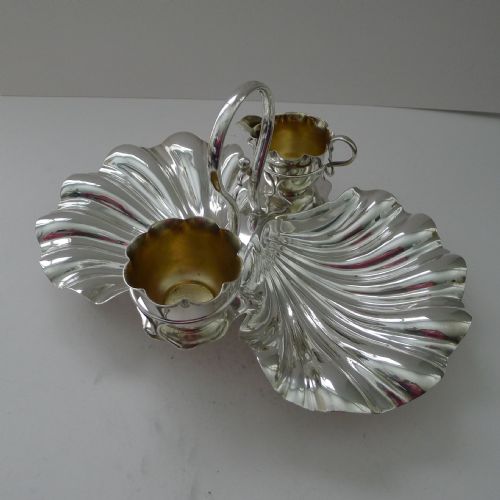
These victorian silver serving dishes bring grand nineteenth-century dining tables to life with solid silver and plated metal forms.
Victorian Silver Serving Dishes
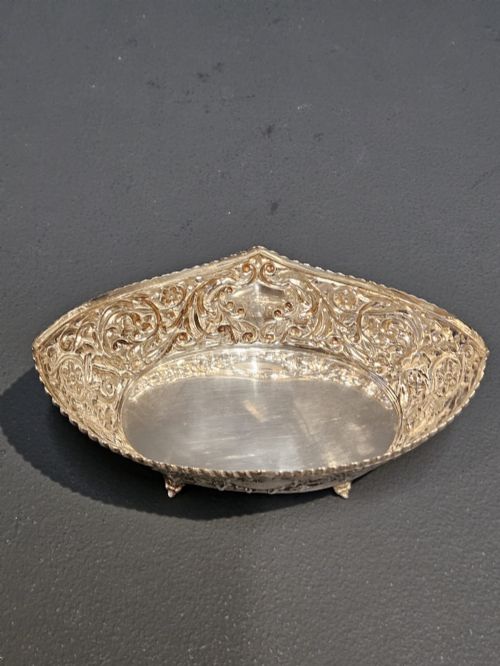
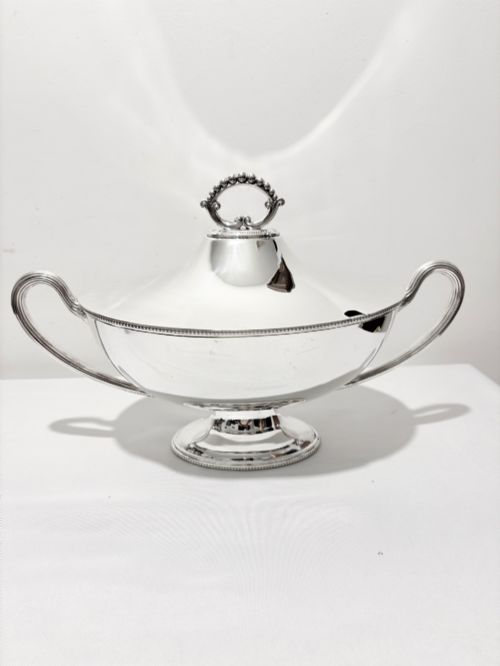
Victorian silver serving dishes encompass a wide variety of practical dining table vessels, from large entree dishes and tureens to delicate bonbon bowls and asparagus trays. These pieces served functional roles in multi-course meals, holding everything from roasted meats to butter, fruit, and sweetmeats.
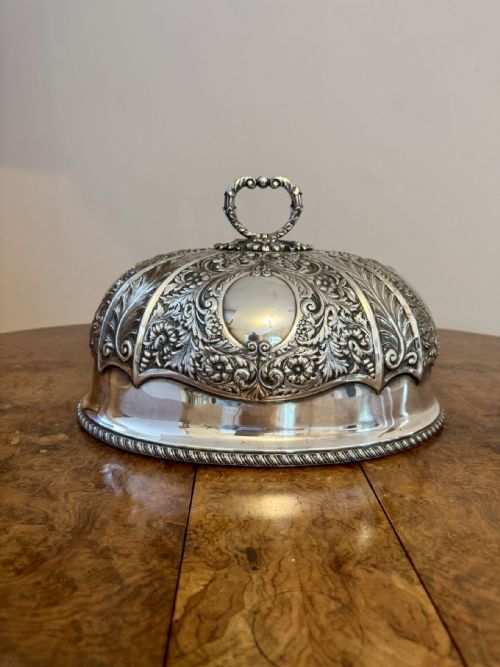
Entree dishes and double rollover or revolving lidded vessels dominate the selection, often found alongside meat covers, cloches, and warming trays. Makers produced these items in both sterling silver and silver plate, frequently incorporating cut glass or stoneware inserts.
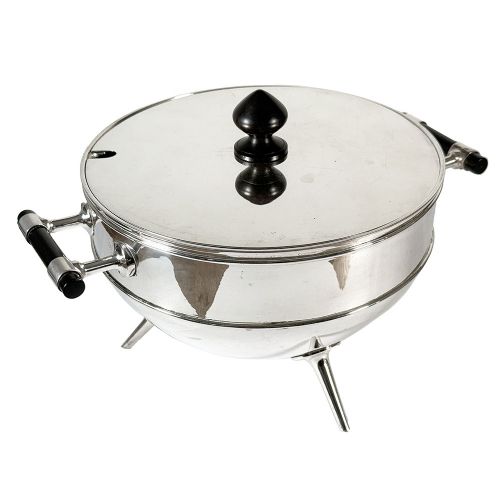
While many items date strictly from the Victorian era, related pieces stretch from the nineteenth century into the Edwardian period. Forms range from straightforward floral engraved servers to modernist designs by Christopher Dresser and diverse international styles like Austro-Hungarian and Anglo-Indian work.
Materials and Method
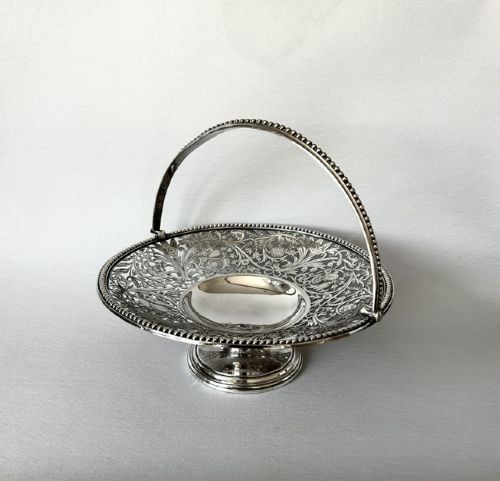
Makers utilised sterling silver and electroplated nickel silver (EPNS) over base metals to construct these durable vessels, applying heavy silver plating to withstand daily dining use. Methods of decoration included intricate pierced work, hand engraving with floral motifs, and the combination of silver with cut glass or ebonised wood.
Workshops employed specialised techniques such as revolving mechanisms for butter dishes and double rollover hinges for versatile serving access. Sturdy handles, feet, and applied borders were soldered or cast separately before final polishing and hallmarking or maker stamping.
Victorian Silver Serving Dishes Retail Price Guide 2026
Typical asking prices for victorian silver serving dishes among the pieces listed under this phrase on Sellingantiques today, from the lower quarter to the upper quarter. They describe what is for sale here now, not the wider market.
Asparagus lovers of the past required dedicated ceramic and silver plated troughs designed specifically to cradle single spears alongside sauce wells.
Quality Variations
The standard of a piece rests heavily on the crispness of its chased or engraved ornamentation and the structural integrity of its moving parts, such as revolving lids and warming trays. Heavier gauges of silver plate and solid sterling construction provide greater weight and durability in daily use.
Attribution to documented makers and designers elevates certain items, as seen in the precision of pieces from firms like Elkington & Co, Walker & Hall, or designs by Christopher Dresser. The inclusion of original matched components, such as ladles or glass liners, preserves the integrity of the ensemble.
Daniel Arter·Christopher Dresser·Walker & Hall·Hamilton & Inches·Martin Hall·Roberts and Belk·Elkington & Co·Edward & John Barnard·William Hutton & Sons·Dan Holy·William Padley
The Victorian Silver Serving Dishes Glossary
- Entree dish
- A covered vessel designed to hold side dishes or secondary courses on the dining table. These often feature removable handles allowing the lid to double as an extra shallow bowl.
- EPNS
- Electroplated Nickel Silver, a common base material coated with a thin layer of silver using an electrical current. It allowed workshops to produce sturdy tableware at a lower cost than solid silver.
- Cloche
- A bell-shaped cover used to keep individual portions or larger roasts warm before serving. They frequently appear in pairs alongside matching meat trays.
- Bonbon dish
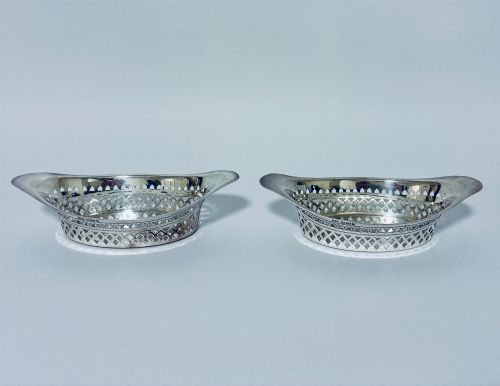
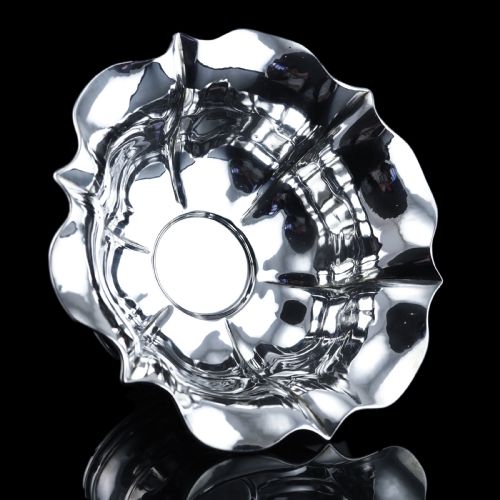
- A small, ornamental vessel intended for holding sweets, nuts, or small confections. They often feature pierced metalwork or delicate handles.
- Tureen
- A deep, large bowl with a lid used for serving soups, stews, or punch. Many examples include two side handles and rest on fixed or matching bases.
Victorian Silver Serving Dishes: Frequently Asked Questions
How were revolving lidded dishes used?
Revolving lidded dishes, such as butter or breakfast dishes, allowed diners to access contents easily without completely removing and setting aside a heavy cover. The mechanism typically rolled the lid smoothly beneath the body of the dish.
These pieces were staples on grand nineteenth-century sideboard tables for self-service dining. They kept food protected until guests lifted or rolled the top to serve themselves.
What is the difference between solid silver and silver plate?
Solid silver, or sterling silver, consists of a regulated high purity of silver throughout the entire object and bears official assay office hallmarks. Silver plate uses a base metal, often nickel silver, coated with a thin layer of pure silver.
Plated items offered households the bright appearance of silver at a fraction of the cost of solid metal. Both types appear frequently across nineteenth-century dining wares.
How do I care for antique silver serving dishes?
Regular, gentle cleaning with a soft cloth and a specialised silver polish prevents excessive tarnish buildup without wearing away thin plating. Hand washing in warm, soapy water is essential; dishwashers will ruin silver plate and wood components.
Storing pieces in dry environments away from direct sunlight protects both the metal and any fitted glass or ebonised wooden elements. Using the pieces for dry foods or properly lined wet dishes preserves the interior surfaces.
Can these dishes still be used for food?
Most silver-plated and solid silver serving dishes remain entirely functional for modern dining and entertaining. Ensuring the silver plating is intact prevents direct contact between food and the underlying base metal.
Items featuring cut glass inserts or stoneware bowls are particularly practical for serving salads, fruits, or cold dishes. Care should be taken to avoid acidic foods sitting on exposed base metals for extended periods.