


Victorian Silver Pocket Accessory
A victorian silver pocket accessory offers a tactile glimpse into nineteenth-century daily life through small functional items carried close to the person.
Victorian Silver Pocket Accessory
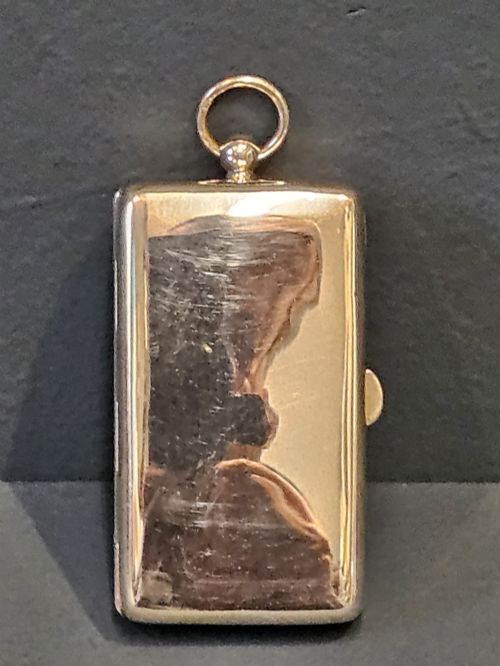
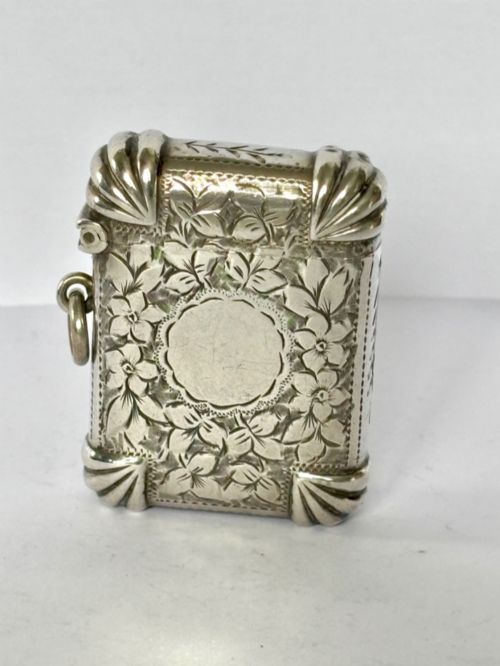
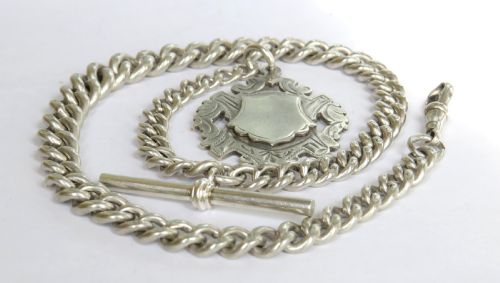
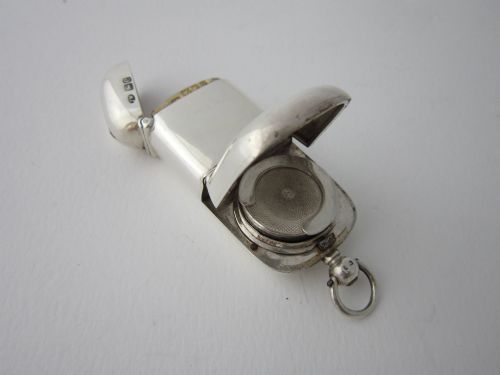
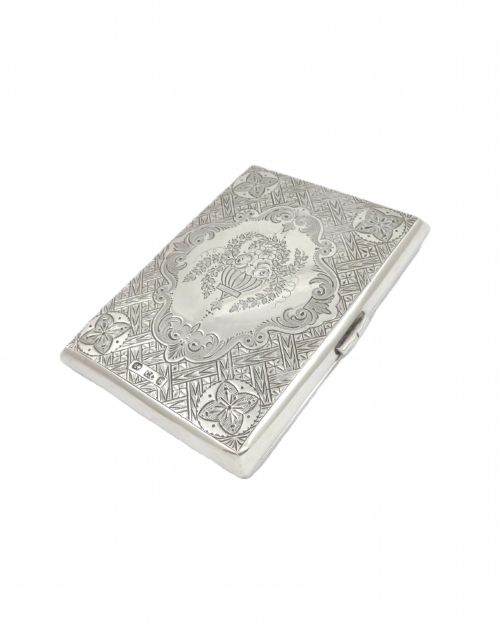
A victorian silver pocket accessory encompasses portable utilitarian objects designed for the waist or pocket during the nineteenth century and the early twentieth century. The selection spans structural forms intended for lighting tobacco, carrying cards, securing timepieces, and holding currency or personal notes. Vesta cases, card cases, pocket watch chains, snuff boxes, and cigar cases dominate the assortment, originating largely from British assay offices.
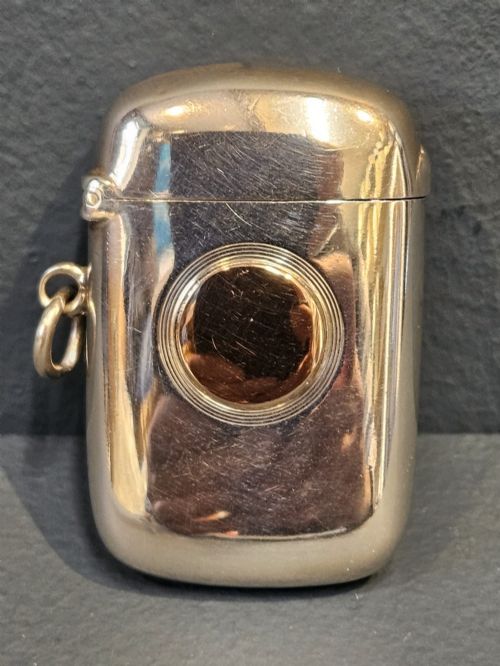
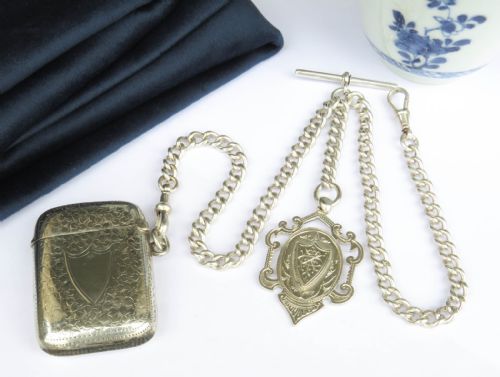
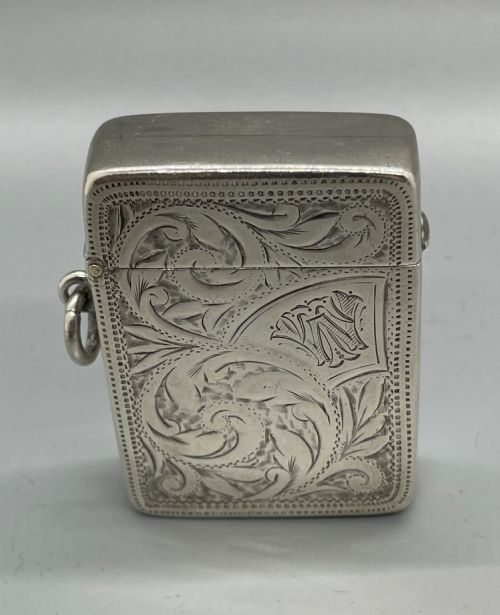
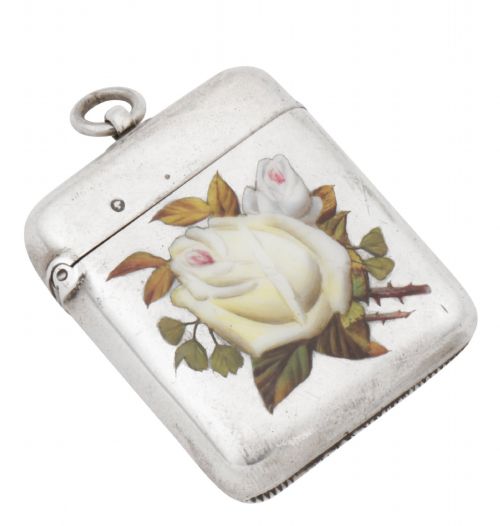
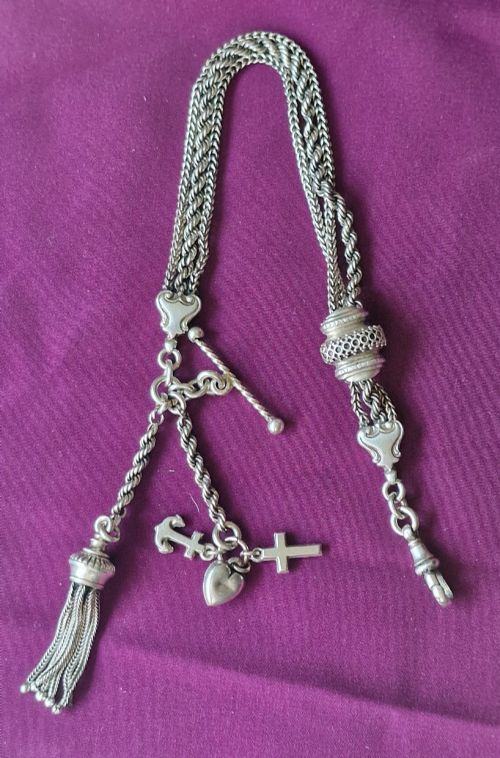
Vesta cases and pocket watch chains emerge most frequently in this collection, reflecting the widespread dependence on matches and pocket timepieces during the Victorian and Edwardian eras. Buyers encounter standard rectangular matchsafes alongside novelty animal designs, combination sovereign cases, and substantial watch chains fitted with fobs. These items mirror the specific social habits of gentlemen and ladies who required organised personal effects while moving about.
Materials and Technique
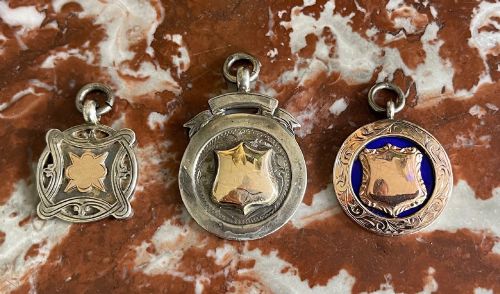
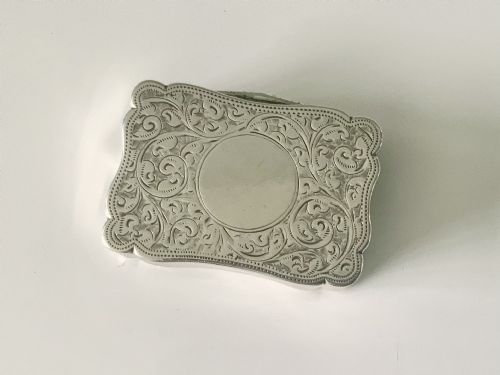
Makers utilised sterling silver and silver alongside supportive elements such as gold, steel, enamel, wax taper, crocodile leather, and standard leather. Structural bodies were shaped from sheet metal, frequently hammered, chased, or engraved with floral motifs, scrolls, or heraldic crests. Enamel decoration appears on select surfaces to introduce painted botanical scenes or coloured accents.
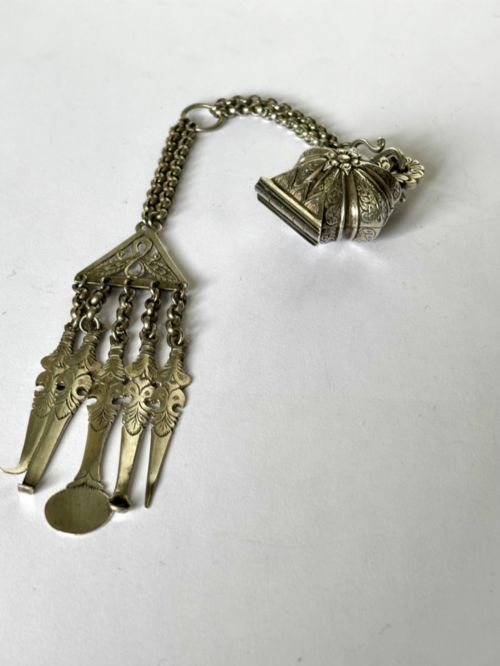
Specialised construction methods accommodated mechanical components like spring-loaded lids, hinge mechanisms, and internal partitions for matches, stamps, or cards. Leather bodies received silver mounts, corners, and clasps to reinforce high-wear edges, while chatelaines incorporated multiple hanging chains linked to small utilitarian tools.
Craftsmanship and Distinction
The standard of a victorian silver pocket accessory rests upon the crispness of the chasing, the precision of the hinge work, and the integrity of the maker's mark. Superior examples display deep, legible hallmarks, tight lid closures that snap shut securely, and hand-engraved detailing that retains sharp edges without thinning the metal walls from excessive polishing.
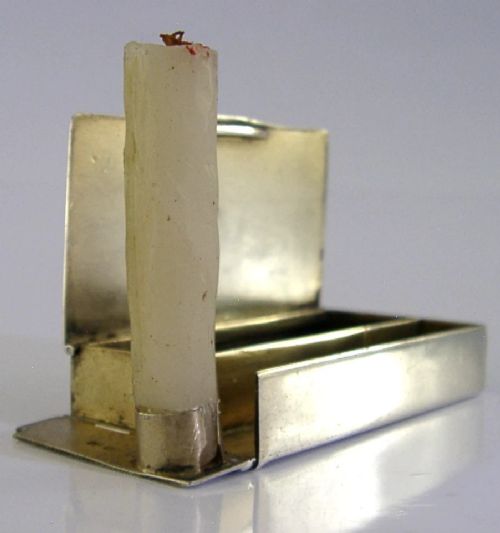
Novelty forms and complex combination pieces represent higher tiers of execution, requiring sophisticated engineering to conceal mechanisms for matches, wax tapers, or sovereigns within compact silhouettes. Plain sterling items rely entirely on balanced proportions, smooth surface curves, and sturdy gauge silver to achieve distinction.
EV PLEDGE & SON·William Neale·Sampson Mordan·Ludwig Krumm·Foxall & Co
The Victorian Silver Pocket Accessory Glossary
- Vesta Case
- A small pocket container designed to hold matches, featuring a roughened strike strip on the base. These matchsafes protected delicate matches from accidental ignition and moisture.
- Hallmark
- An official stamp applied by an assay office to indicate metal purity, the city of testing, and the year of manufacture. British silver items typically carry a sequence of individual punch marks.
- Vinaigrette
- A small decorative box containing a perforated inner grill, traditionally holding a sponge soaked in aromatic vinegar. These were carried to counteract unpleasant odours in public spaces.
- Chatelaine
- A decorative belt hook worn at the waist with a series of suspended chains carrying functional tools. Items hung from the chains included scissors, keys, watches, and vinaigrettes.
- Sovereign Case
- A circular pocket container engineered to hold British gold sovereign coins securely. Many incorporated spring-loaded mechanisms to dispense coins individually.
Victorian Silver Pocket Accessory: Frequently Asked Questions
What is a vesta case used for?
A vesta case served as a portable container for holding short wax matches known as vestas. Gentlemen and ladies carried them to safely transport matches in pockets or on chatelaines without risking accidental friction.
The textured bottom panel on the exterior allowed the user to strike the match immediately upon retrieval. They became essential personal gear following the invention of friction matches in the nineteenth century.
How do I read silver hallmarks?
Hallmarks consist of a series of stamped symbols that verify the metal standard and trace the origin of the item. British marks generally include a maker's mark, a purity symbol like the lion passant, a town mark indicating the assay office, and a date letter.
Consulting historical assay office records allows collectors to match the specific letter stamp to the exact year of testing. This system provides reliable dating for nineteenth-century silver pieces.
What is a chatelaine used for?
A chatelaine functioned as a waist-worn utility belt substitute for Victorian women who lacked accessible pockets in their garments. It anchored securely to the waistband and carried hanging tools and personal accessories on delicate chains.
Common suspended implements included keys, sewing gear, scent bottles, and small memorandum pads. This arrangement kept essential household and personal instruments immediately accessible throughout the day.
How do I care for antique silver?
Antique silver benefits from gentle cleaning using a soft cloth and mild soap to remove surface dust and oils. Aggressive polishing wears away thin engraving and diminishes the original definition of the maker's marks over time.
Storing pieces in a dry environment away from direct sunlight helps prevent accelerated tarnishing. Natural handling builds a pleasant patina that highlights the historic character of the metal.