



Victorian Silver Plated Dishes
Victorian silver plated dishes bring the table grace of the nineteenth century into modern dining rooms.
Victorian Silver Plated Dishes
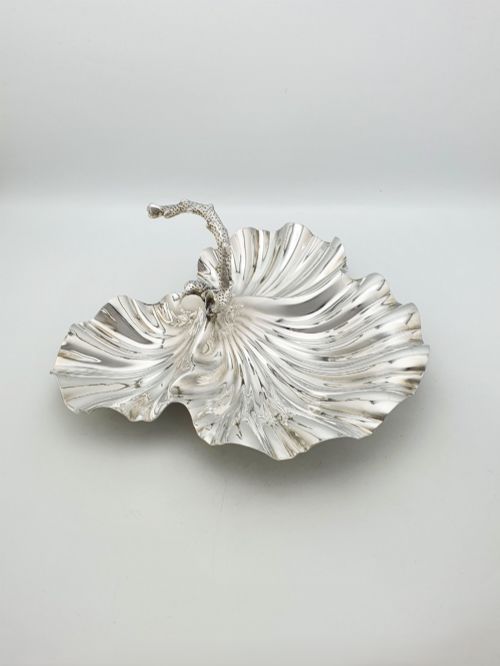
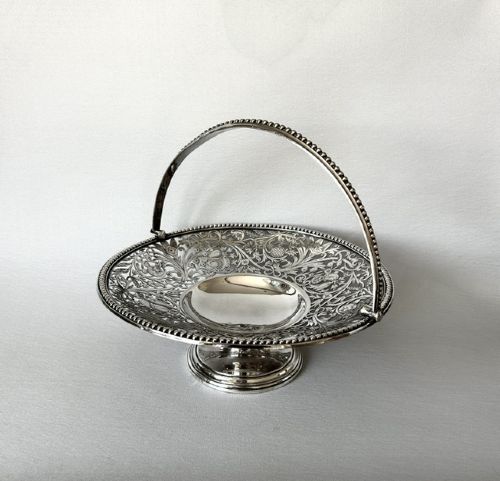
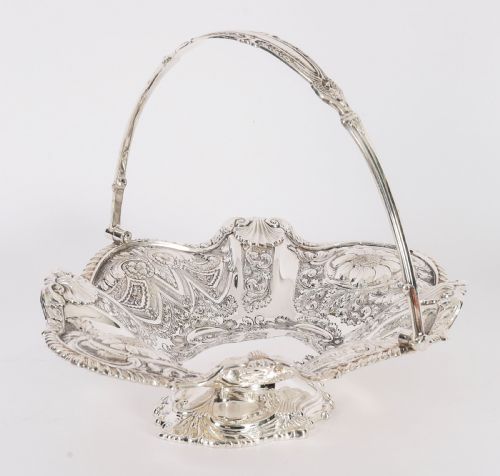
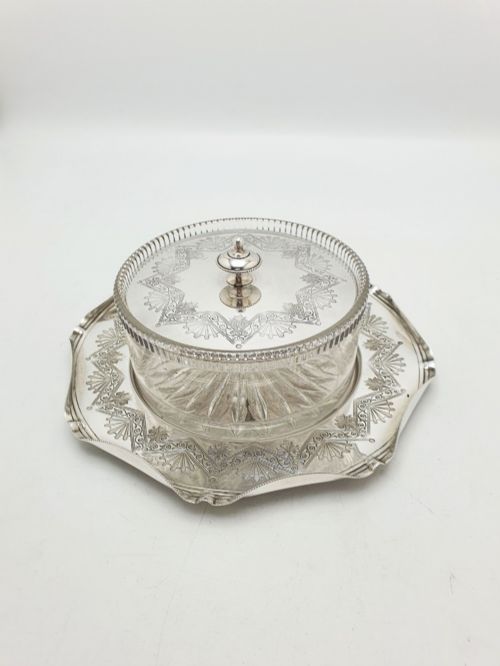
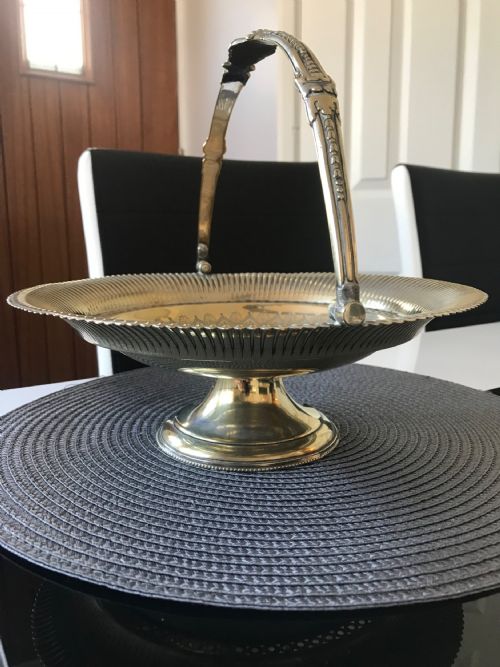
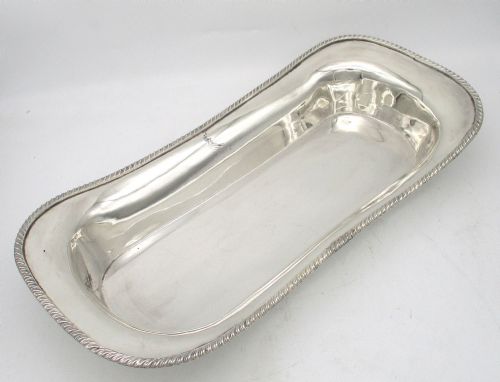
When you search for victorian silver plated dishes, you encounter a wide array of functional and decorative serveware produced primarily during the nineteenth and early twentieth centuries. These pieces encompass fruit baskets, butter dishes with glass liners, entree dishes, meat covers, and centrepieces designed for elaborate dining.
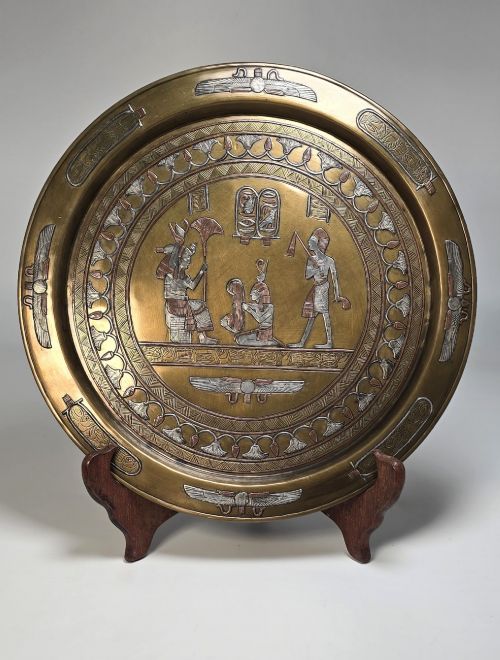
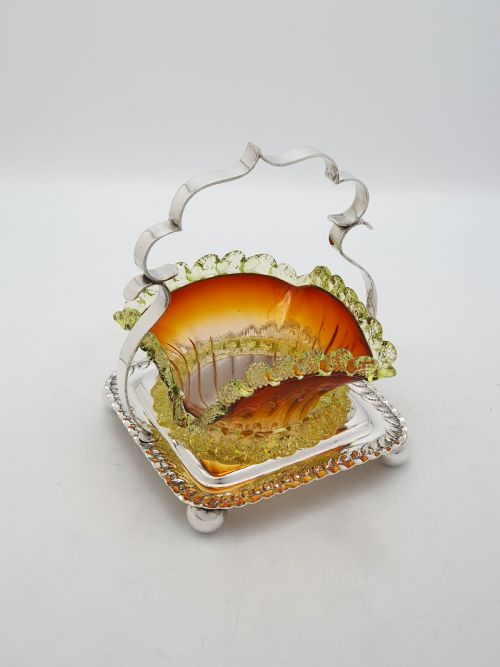
The objects span periods from the mid-Victorian era through to the Edwardian period, incorporating styles such as Aesthetic Movement, Art Nouveau, Neoclassical, and Egyptian Revival. You are most likely to meet silver plate applied over a base metal, frequently electroplated nickel silver, combined with glass inserts like cranberry glass or vaseline glass.
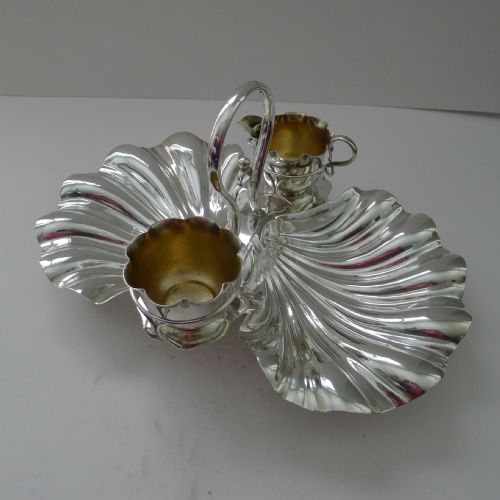
Many items served specific culinary purposes, from revolving breakfast dishes and egg warmers to strawberry sets and bonbon dishes. Others functioned as pure display pieces, including palm tree centrepieces, mirrored table stands, and floral chargers.
How They Were Made
The manufacture of these objects relies on a base metal, predominantly electroplated nickel silver or standard silver plate, treated with a durable metallic coating. Workshops also utilised copper and bronze for specific forms, such as heavy tazze and chargers.
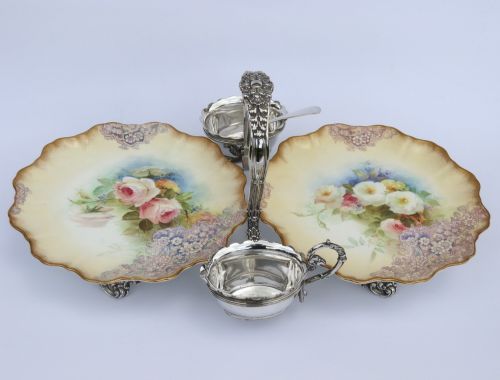
Makers integrated coloured glass elements, including cut glass, amber glass, and vaseline glass, held securely within pierced or engraved metallic mounts. Techniques involved piercing, floral engraving, and hand-painted ceramic additions.
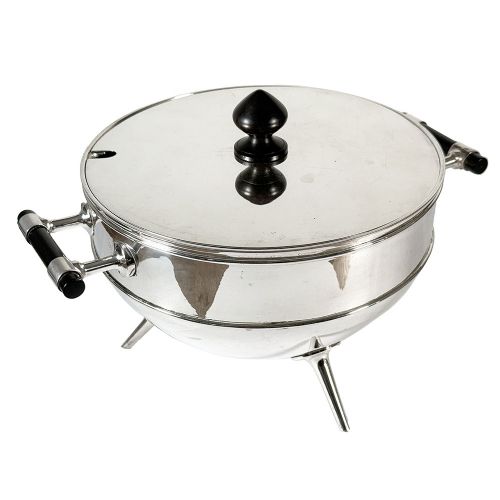
Makers such as Walker and Hall, Mappin and Webb, and Christopher Dresser employed specialised construction methods, from revolving lidded mechanisms for butter dishes to ebonised wood details and cast coral handles.
Palm tree candelabra centrepieces bring a touch of botanical theatre directly to the Victorian dining table.
What Varies in Quality
The distinction between standard domestic serveware and superior examples rests upon the weight of the metal, the crispness of chased or engraved floral details, and the integrity of the original silver plating. Heavy gauge mounts and substantial metal bases indicate higher manufacturing standards.
Quality also manifests in the integration of secondary materials, such as undamaged coloured glass liners in cranberry or vaseline glass, and functional mechanical elements like smoothly operating revolving lids or double rollover mechanisms.
Attribution to notable designers and makers, such as Christopher Dresser or premier Sheffield firms, elevates the standing of a piece through inventive Modernist or Neoclassical design execution rather than generic ornamentation.
George W. Scott & Sons Ltd·Daniel Arter·Walker and Hall·WMF·Hukin & Heath·Thomas Bradbury·Hamilton & Inches·Mappin and Webb·Walker Knowles·Roberts and Belk·Daniel and Arter
The Victorian Silver Plated Dishes Glossary
- EPNS
- Electroplated Nickel Silver. A base metal alloy of copper, nickel, and zinc coated with a thin layer of silver through an electrolytic process.
- Entree dish
- A lidded serving vessel used for presenting main courses or side dishes at the dining table, often found in matching pairs.
- Meat cover
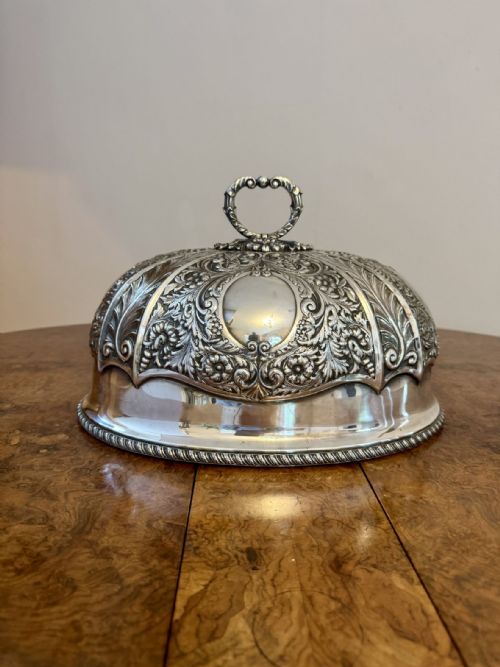
- A domed metal cover, also known as a cloche, placed over joints of meat to retain heat before carving.
- Vaseline glass
- A type of glass coloured with uranium oxide that produces a distinctive yellow-green hue and glows under ultraviolet light.
- Tazza
- An ornate shallow cup or bowl mounted on a stem and foot, used historically for display or serving small sweetmeats.
Victorian Silver Plated Dishes: Frequently Asked Questions
What were silver plated dishes used for?
These items served specific functions in nineteenth-century dining, ranging from keeping breakfast warm to presenting fruit, butter, and sweets. Households utilised specialised vessels like egg warmers, revolving butter dishes, and strawberry sets during formal meals.
Over time, many of these utilitarian dining pieces transitioned into decorative table accessories or display centrepieces. Their varied forms reflect the complex ritual of Victorian and Edwardian entertaining.
How do I clean silver plated tableware?
Careful maintenance preserves the thin metallic surface without wearing away the underlying plating. Use a mild silver polish and a soft cloth, avoiding abrasive pads that can damage the finish.
Take special care around glass liners, wooden accents, and painted ceramic components to prevent moisture damage. Hand washing in warm, soapy water is safer than using mechanical dishwashers.
Can I use these antiques every day?
Many of these pieces remain robust enough for daily use, particularly sturdy entree dishes, meat covers, and serving trays. Modern dining habits easily accommodate butter dishes, fruit baskets, and decorative bowls.
Delicate items featuring fragile vaseline glass or complex revolving mechanisms benefit from more careful handling. Assessing the structural integrity of hinges and joints helps determine suitability for regular service.
How do I identify the period of a piece?
Stylistic clues such as Aesthetic Movement geometry, Art Nouveau plant motifs, or Neoclassical symmetry help narrow down the date of manufacture. Maker marks, registry numbers, and specific metal stamps also provide chronological markers.
Associated materials like cranberry glass or electroplated nickel silver point towards the mid-Victorian era and later. Comparing construction techniques with dated examples confirms the likely period.