
Victorian Silver Plated Dining
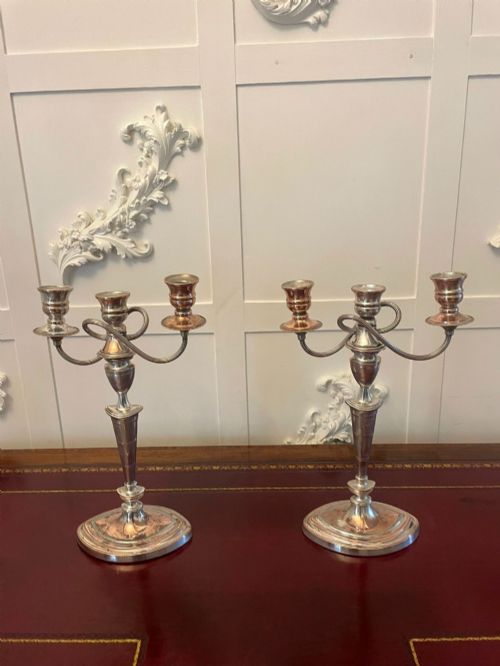
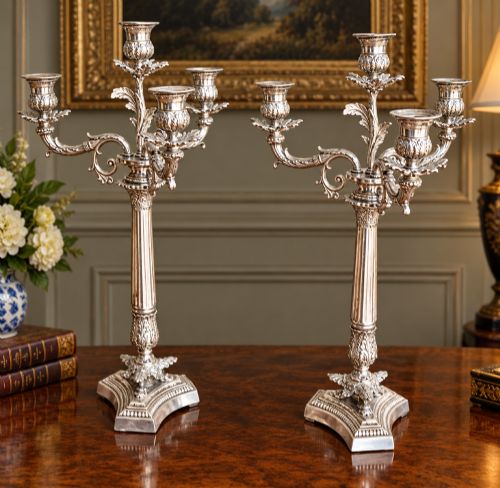
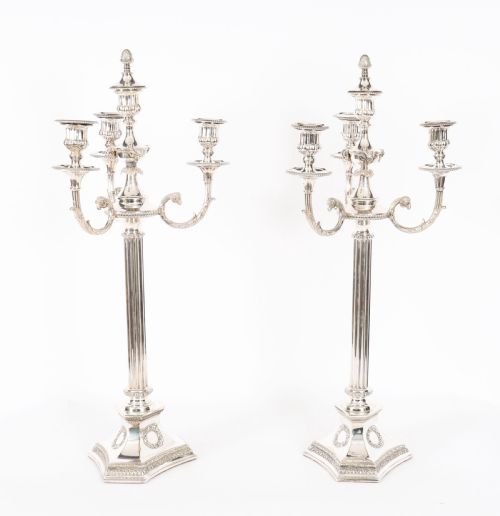
These victorian silver plated dining pieces bring heavy nineteenth-century presence to the table, ranging from grand multi-light candelabras to practical cruet sets and serveware.
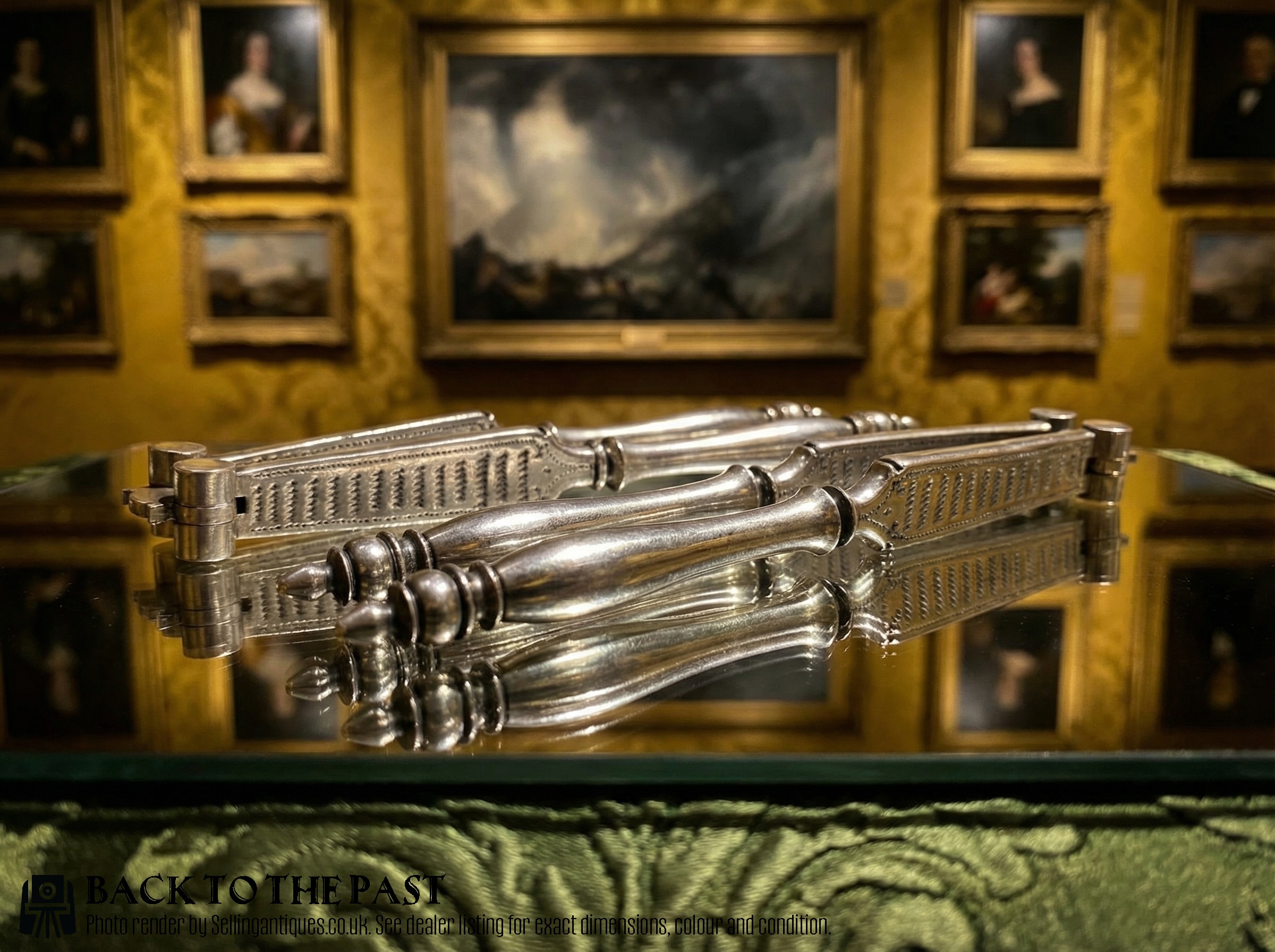
Victorian Silver Plated Dining
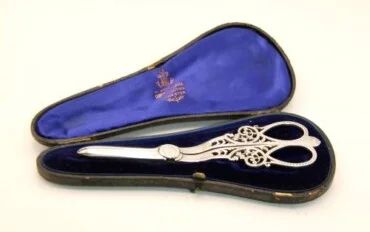
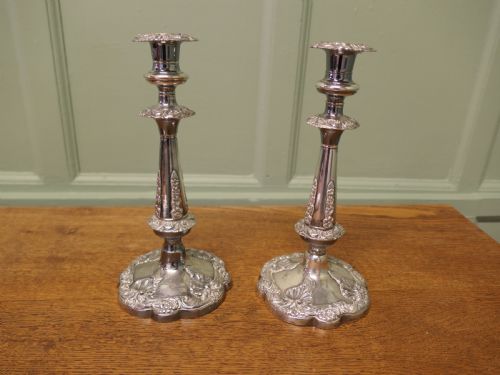
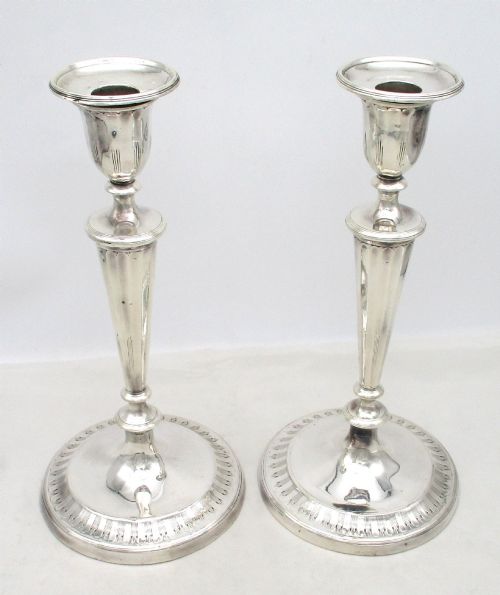
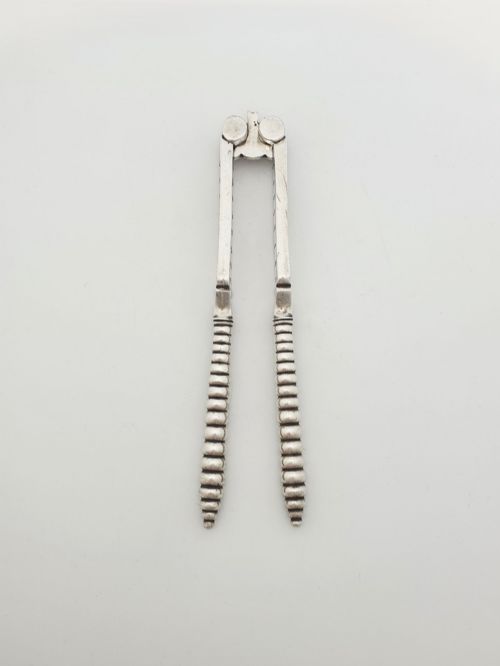
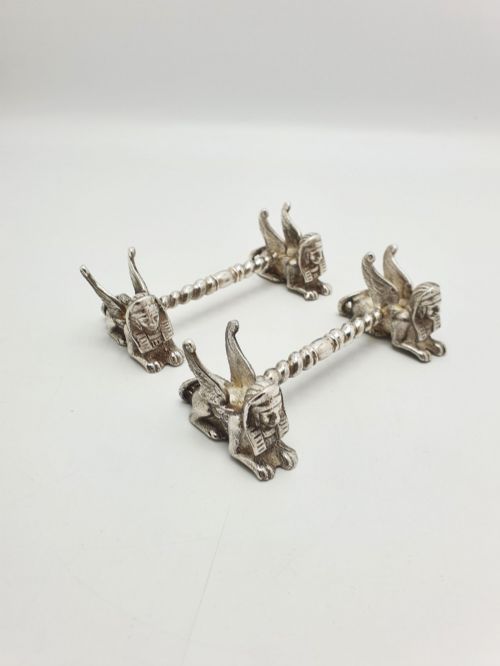
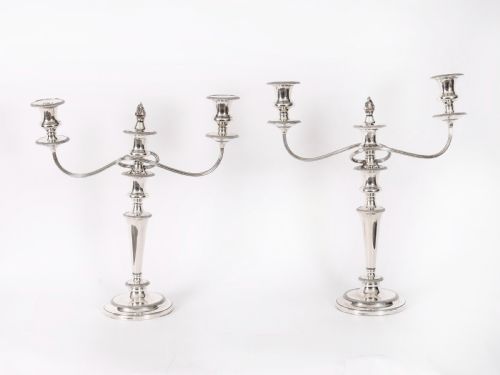
When searching for victorian silver plated dining equipment, buyers encounter an array of heavy table accessories designed for formal nineteenth-century meals. Candlesticks and multi-light candelabras dominate the selections, alongside functional serveware such as cruet sets, knife rests, and spoon warmers.
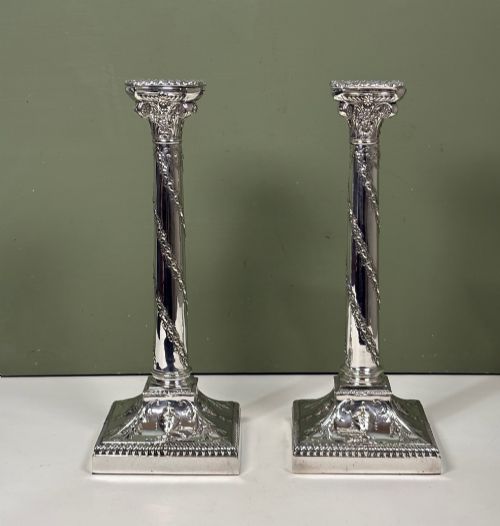
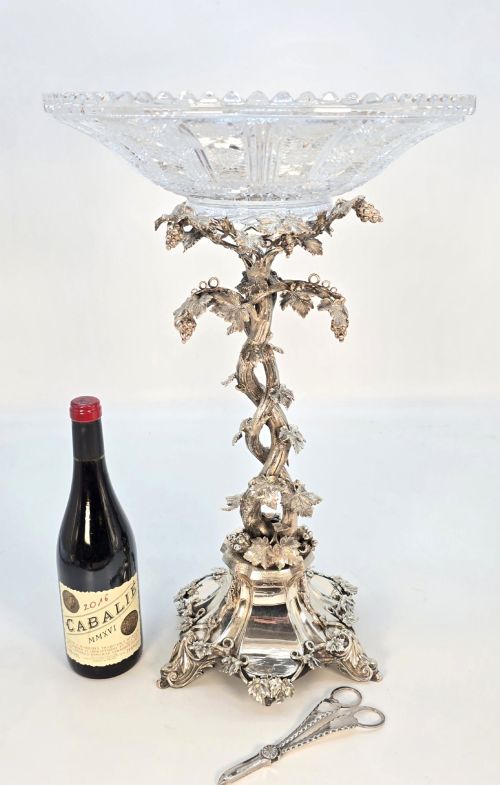
The objects stem predominantly from the nineteenth century, stretching from the eighteen-fifties through the Edwardian years. Forms span from simple column candle holders to elaborate table centrepieces incorporating cut glass and detachable sconces.
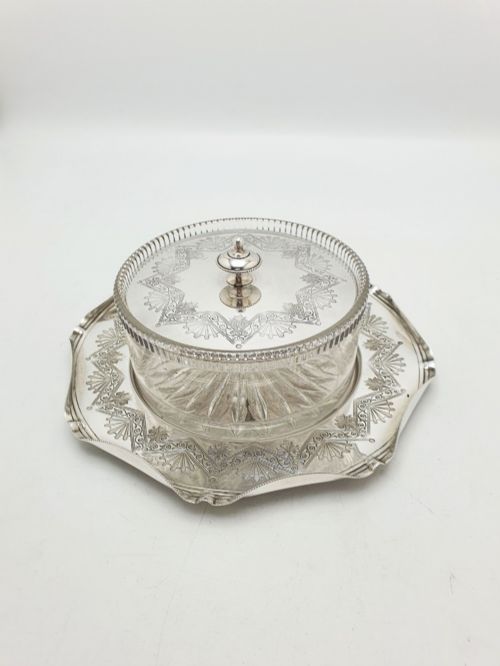
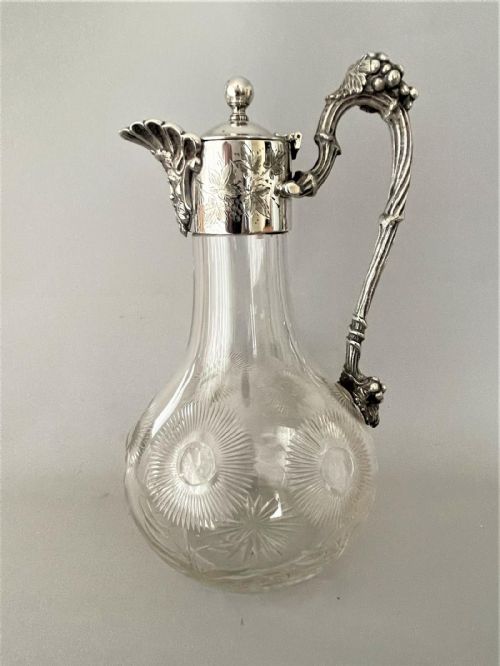
Specialised dining items appear frequently among the listings, including claret jugs, butter dishes with glass liners, and revolving breakfast dishes. Stylistic influences lean heavily toward Neoclassical, Victorian Rococo Revival, Classical Revival, and Egyptian Revival motifs.
Materials and Techniques
Makers utilised a foundation of base metal, nickel silver, or standard metal, applying a silver plate or EPNS finish over the structure. This plating technique gave domestic dining rooms the bright appearance of solid silver at a fraction of the cost.
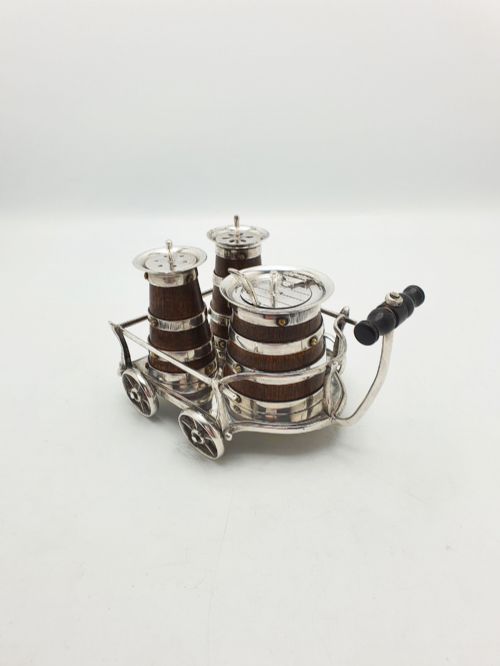
Cut glass, etched glass, and mother-of-pearl frequently complement the metalwork, appearing in claret jugs, butter dish liners, épergnes, and hors d'oeuvres sets. Wood and antler also feature as structural elements in oak barrel condiment sets and fish server handles.
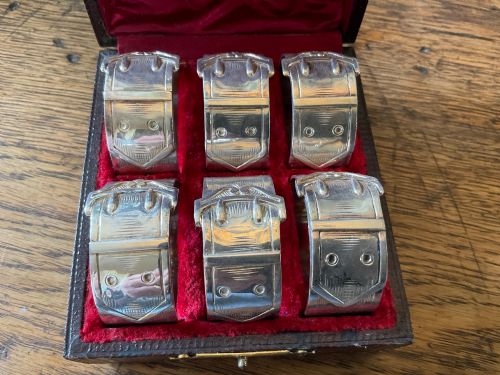
Gilding appears on select items like spoon warmers, adding a contrasting interior tone to the silver plated exterior. Manufacturing methods combined heavy casting for candelabras with precision forming for knife rests, toast racks, and napkin rings.
Listings feature items spanning the Victorian and Edwardian periods, utilising silver plate, cut glass, nickel silver, wood, and mother-of-pearl.
Judging Quality in Plated Dining Ware
The standard of silver plated dining items hinges on the depth of the original plating and the crispness of the chased or cast ornament. Pieces bearing maker attributions from established firms often display superior weight and more deliberate proportions.
Ornamental depth separates standard production wares from elaborate exhibition pieces, particularly in candelabras and table centrepieces featuring intricate Rococo or Egyptian Revival details. The integration of secondary materials like cut glass and mother-of-pearl dictates the overall refinement of the service piece.
Garrard & Co·Smith & Sissons & Co·Walker & Hall·Mappin and Webb
The Victorian Silver Plated Dining Glossary
- EPNS
- Electroplated nickel silver. This designation denotes a base metal of nickel silver coated with a layer of silver via an electrolytic process.
- Candelabra
- A branched candlestick holder designed to support multiple candles. These large items frequently serve as dining table centrepieces with detachable sconces.
- Spoon Warmer
- A specialised Victorian vessel designed to hold hot water for warming table spoons before serving soup or sauces. They often take imaginative forms such as nautilus shells or gilt bowls.
- Cruet Set
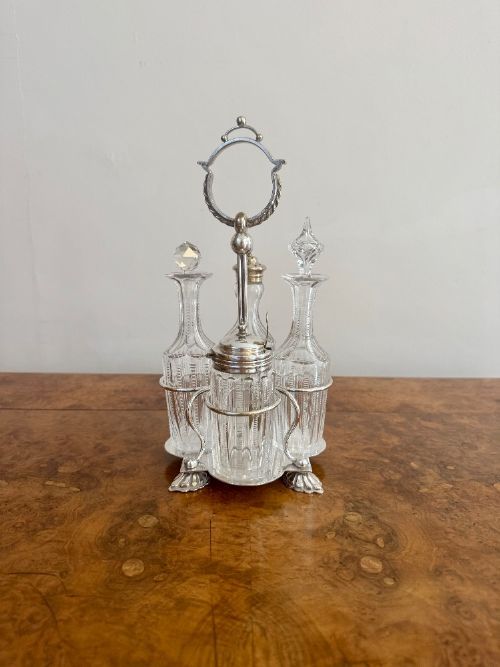
- A matched collection of glass bottles or jars held in a metal frame for dispensing condiments at the dining table. They typically include mustard pots, oil cruets, and vinegar bottles.
- Épergne
- An elaborate table centrepiece featuring a central bowl surrounded by multiple hanging baskets or arms for fruit, flowers, or sweetmeats. They combine silver plate frames with cut or etched glass components.
Victorian Silver Plated Dining: Frequently Asked Questions
What are silver plated dining pieces?
These items comprise nineteenth-century table accessories built from base metals and coated in silver plate. They include lighting fixtures, condiment holders, and serving utensils.
Such objects provided middle and upper-class Victorian households with the opulent look of solid silver dining services.
How were nineteenth-century candelabras used?
Candelabras provided illumination down the centre of long dining tables during formal evening meals. Their height allowed light to pass over serving dishes.
Many featured detachable sconces to adjust the number of candle branches according to the occasion.
How do I care for silver plate?
Silver plate requires gentle cleaning with dedicated silver polish to avoid wearing through the thin metal coating to the base metal underneath. Soft cloths and non-abrasive pastes preserve the finish.
Items with glass liners or mother-of-pearl handles benefit from hand washing rather than immersion in hot water.
How do I identify Victorian styles?
Victorian dining items draw on historic revival styles including Neoclassical, Rococo, and Egyptian Revival motifs. Cast decorations, heavy proportions, and decorative engraving mark the era.
Later pieces from the Edwardian period transition toward lighter forms and simpler structural lines.