

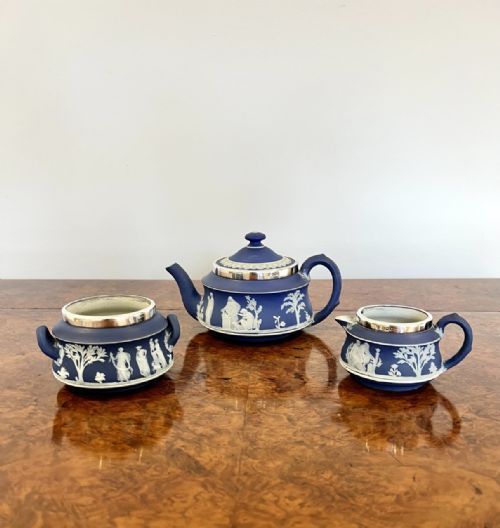


Victorian Silver Piece
A victorian silver piece brings the solid weight and domestic ritual of the nineteenth century straight to the modern table.
Victorian Silver Piece
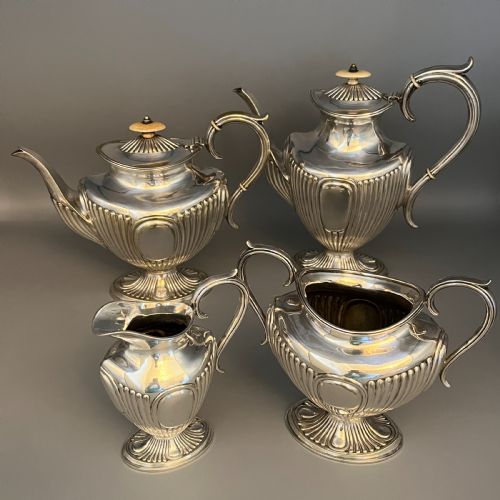
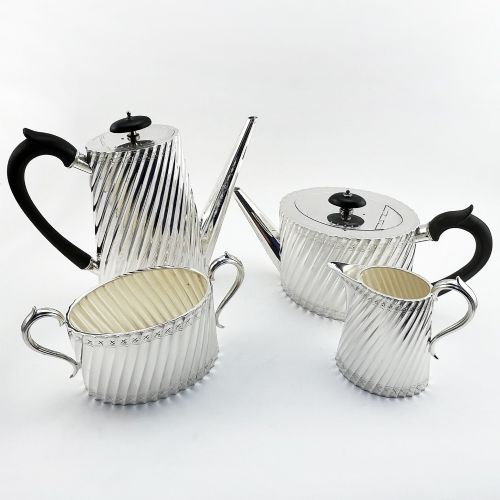
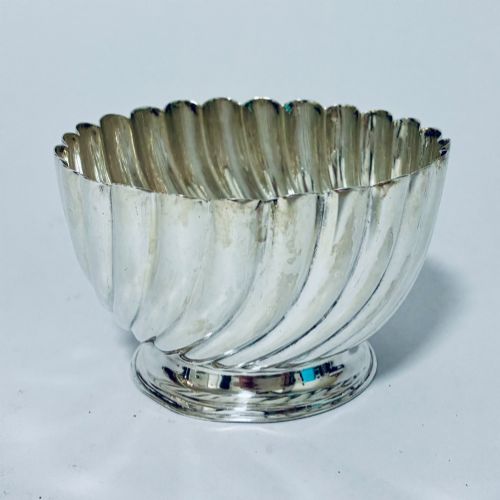
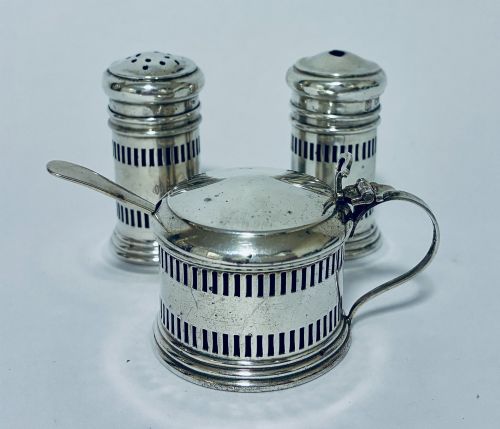
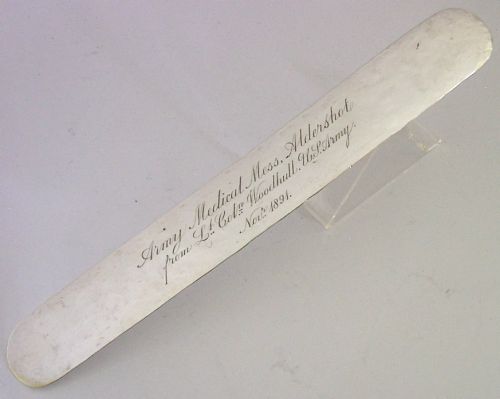
A victorian silver piece covers a wide domestic landscape, ranging from tea and coffee sets and cruet sets to individual spoons, bowls, and page turners. Buyers seeking these items encounter both solid sterling silver and silver-plated items across various domestic and decorative forms.
The objects stem predominantly from the nineteenth century and the Victorian era, alongside related Edwardian and early twentieth-century examples that share the same aesthetic lineage. Tea sets, condiment sets, and sculptural spoon warmers form the core of what appears in daily listings.
Makers utilised diverse materials alongside metal, incorporating glass, velvet, silk, leatherette, oak, mother-of-pearl, tortoiseshell, and Jasperware Wedgwood ceramics into the designs. This variety reflects the ornate tastes of the period, where functional items doubled as display pieces.
Materials and Construction
Silversmiths worked primarily in sterling silver and silver plate, often utilising electroplated nickel silver as a base for large tea and coffee sets or centre pieces. These metals were shaped, cast, and hammered into complex forms, then polished to a high shine.
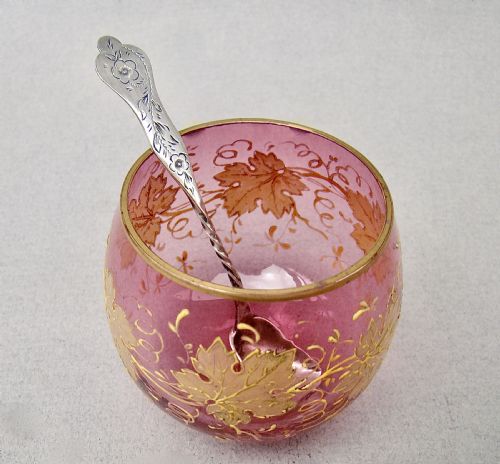
Many items combined metal with organic or ceramic elements, such as oak frames holding glass cruet bottles, mother-of-pearl knife handles, and tortoiseshell clock panels. Wedgwood Jasperware inserts and cranberry glass liners added contrasting colour and texture to silver mountings.
Victorian Silver Piece Retail Price Guide 2026
Typical asking prices for victorian silver piece among the pieces listed under this phrase on Sellingantiques today, from the lower quarter to the upper quarter. They describe what is for sale here now, not the wider market.
Listings feature items from the 1860s through the 1960s, spanning the Victorian, Edwardian, and mid-century periods in sterling silver and silver plate.
Assessing Quality and Execution
Quality rests on the crispness of the chasing and repoussé work, the weight of the metal, and the integrity of any fitted components like glass inserts or wooden bases. Superior items display sharp detail in patterns such as the Queens pattern or Indianesque motifs without softening from wear or over-polishing.
The standard of assembly defines better pieces, particularly in composite items where silver mounts meet ceramic, glass, or shell. Maker attribution, such as work by George Unite, elevates a piece through documented craftsmanship and reliable assay marks.
George Unite·George Fox·Wedgwood
The Victorian Silver Piece Glossary
- Sterling silver
- A silver alloy containing 92.5 percent pure silver by mass and 7.5 percent other metals, usually copper. This standard composition provides the durability required for domestic tableware.
- Silver plate
- A layer of silver applied to a base metal, such as copper or nickel silver. This technique offered the visual appeal of solid silver at a lower cost during the nineteenth century.
- Cruet set
- A collection of small bottles, jars, or castors designed to hold condiments like mustard, vinegar, oil, and pepper at the dining table.
- Spoon warmer
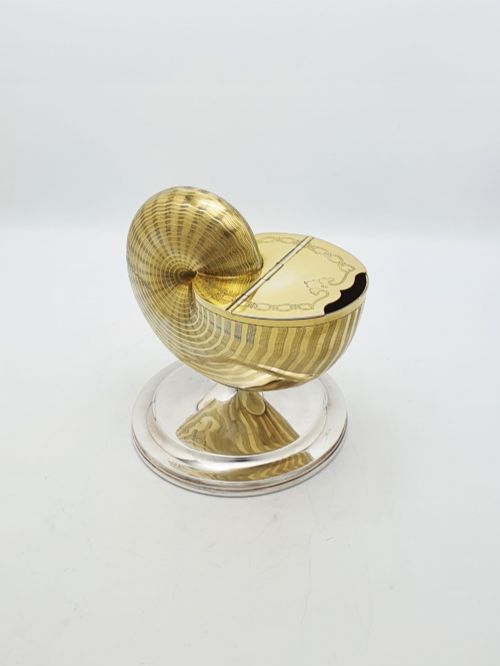
- A Victorian vessel designed to hold hot water and keep soup or gravy spoons warm before serving. They frequently took whimsical shapes such as marine buoys.
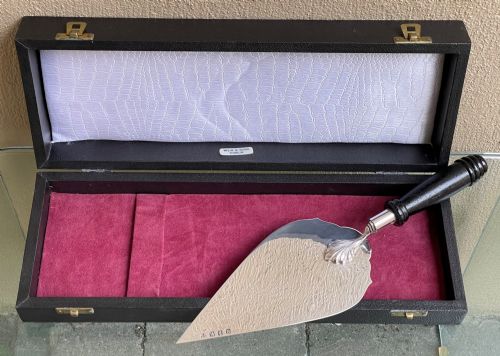
- Presentation trowel
- A decorative trowel given to mark the laying of a foundation stone or a similar civic ceremony. These pieces typically feature engraved inscriptions and ornate handles.
- Jasperware
- A type of stoneware developed by Josiah Wedgwood, characterised by a matte finish and contrasting white raised figures on a coloured background.
Victorian Silver Piece: Frequently Asked Questions
How do I clean a silver piece?
Clean silver using a soft cloth and a dedicated silver polish designed to remove tarnish without scratching the metal surface. Avoid abrasive pads or harsh chemical dips that strip away fine engraved details.
For items with delicate mixed materials like tortoiseshell, mother-of-pearl, or fabric linings, keep moisture away from the joins during cleaning. Gentle dusting and minimal polishing preserve both the metal and the secondary materials.
What is a spoon warmer used for?
Victorian households utilised spoon warmers to keep soup and gravy spoons warm during long, multi-course meals. Hot water was poured inside the vessel to warm the metal spoons resting within.
These pieces often double as decorative display items due to their imaginative forms, which included marine buoys and shells. They sit easily on sideboard furniture as conversation pieces.
How can I tell sterling from plate?
Examine the piece for hallmarks, which indicate sterling silver through symbols such as a lion passant for British origin and assay office marks. Silver-plated items generally carry marks denoting the plating process or maker without standard assay stamps.
Weight and wear patterns also offer clues, as worn silver plate may reveal the base metal underneath. Sterling silver maintains its composition throughout, though thin antique walls require careful handling.