


Victorian Silver Matchbox
A victorian silver matchbox is a pocket container for safety matches, prized by collectors for its miniature artistry and tactile engineering.
Victorian Silver Matchbox
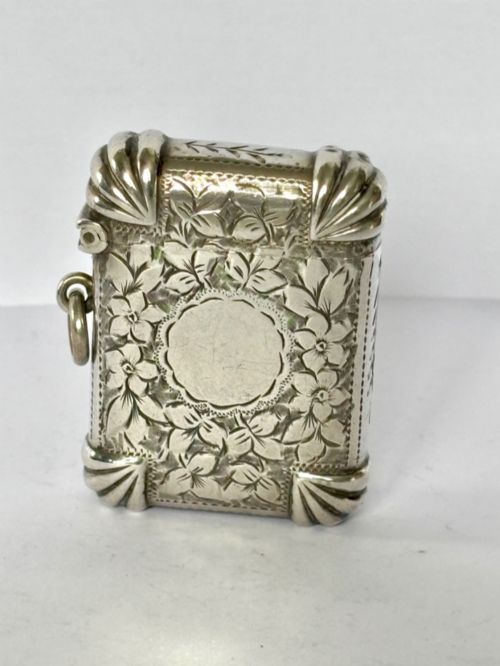
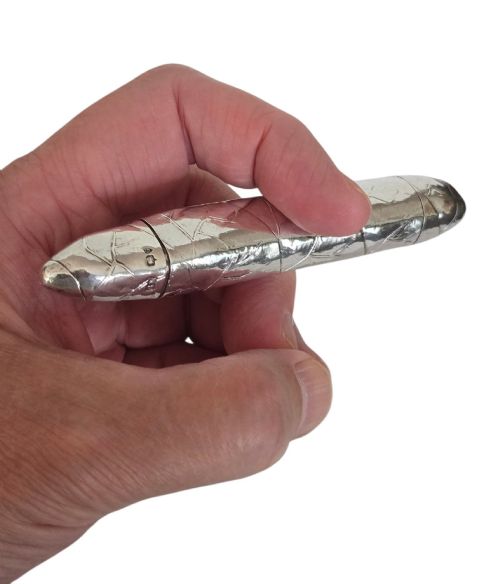
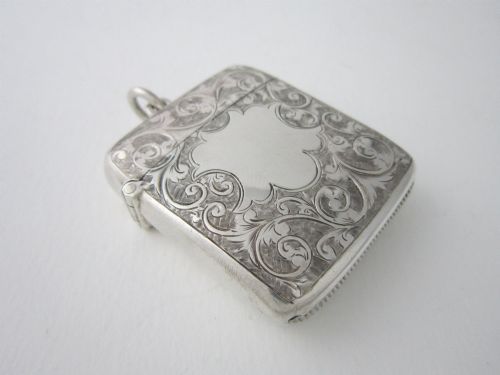
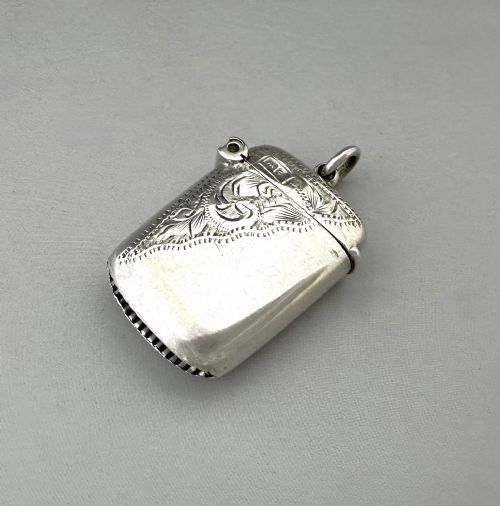
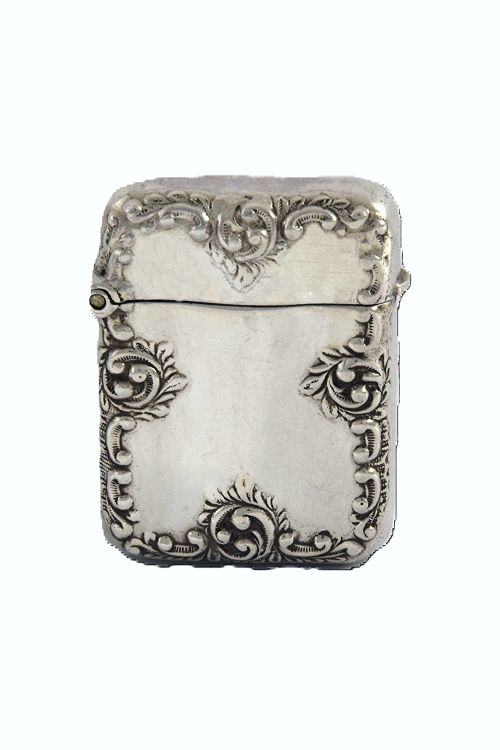
When you search for a victorian silver matchbox, you are generally looking at small pocket containers, overwhelmingly catalogued as vesta cases, designed to hold matches safely before the widespread adoption of safety matches in everyday pockets. Most pieces you will encounter originate from the latter half of the nineteenth century and the early twentieth century, spanning standard rectangular forms to elaborate novelty shapes.
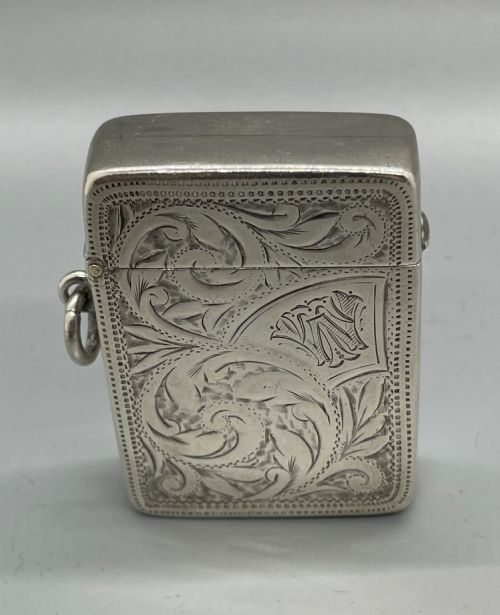
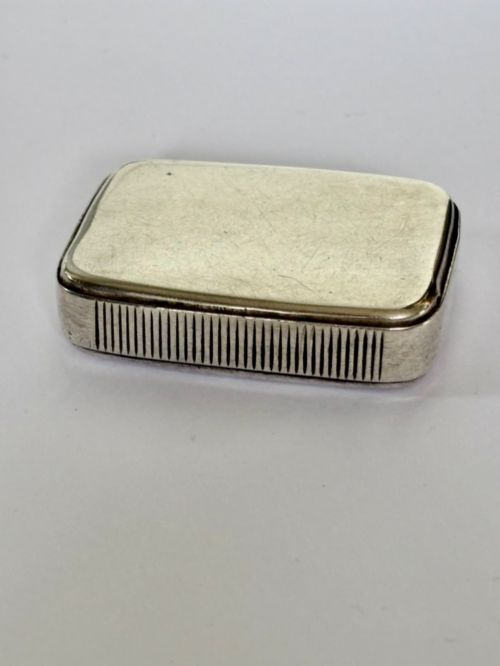
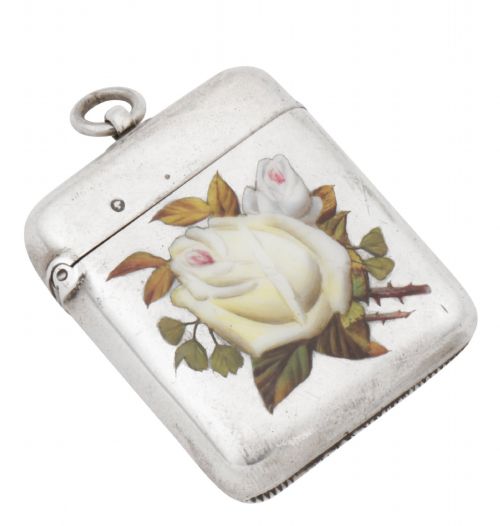
The selection ranges from simple, functional sterling silver sleeves with engine-turned engraving to complex combination pieces, desktop matchbox holders, and painted enamel designs. You will regularly find regional hallmarks from British assay offices, particularly Birmingham and Chester, alongside continental silver variants and novelty forms shaped like animals or sentry boxes.
Assessing quality and craftsmanship
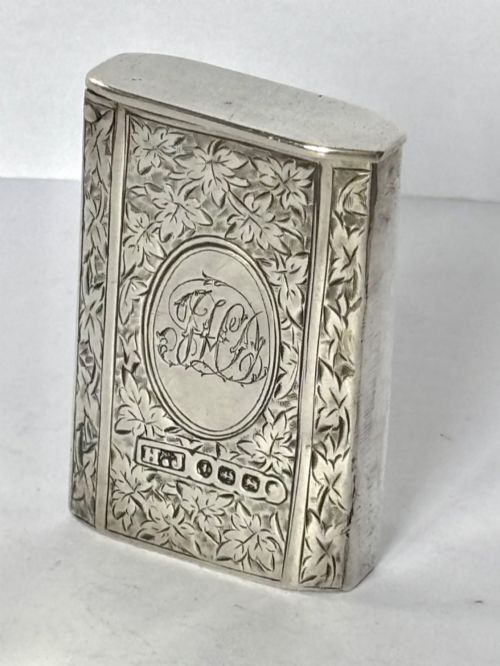
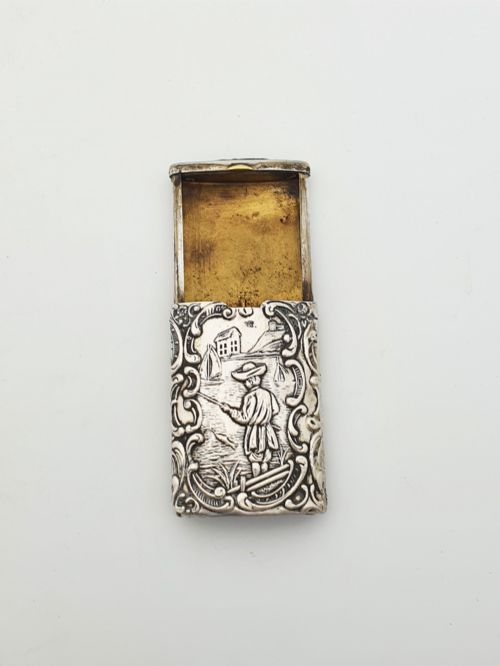
Quality rests heavily on the crispness of the original chasing and engraving, and whether the hinge operates with a firm, precise snap. Superior pieces retain clear, well-struck hallmarks across the body and lid, indicating premier maker output rather than hurried workshop production.
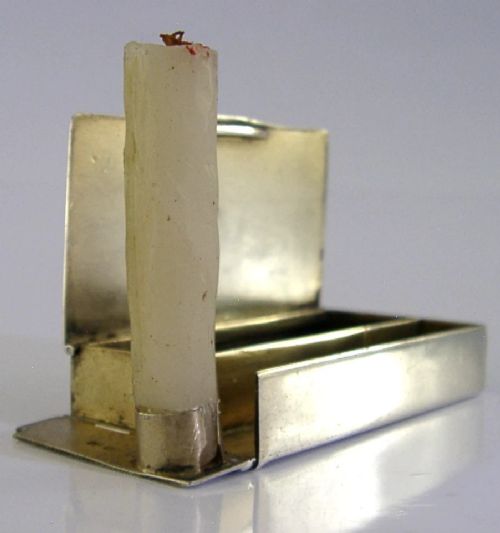
Novelty items and painted enamel panels diverge sharply in value based on sculptural detail and preservation of the delicate glass surface. The presence of specialised mechanics, such as dual compartments, go-to-bed taper holders, or trick opening mechanisms, elevates standard utility items into masterclasses of miniature metalwork.
Listings feature sterling silver, painted enamel, and tortoise shell materials across Victorian and Edwardian periods.
Sampson Mordan and Co·Howard James·EV Pledge and Son·A and J Zimmerman·William Neale·Minshull and Latimer·William Hair Haseler·S Blanckensee
The Victorian Silver Matchbox Glossary
- Vesta case
- A pocket-sized container specifically designed to hold wax vestas and incorporate a striking surface on the exterior. These small boxes became essential daily accessories following the invention of friction matches.
- Sterling silver
- An alloy consisting of ninety-two point five percent silver by mass, with the remainder usually copper. British pieces of the period typically display the lion passant mark to confirm this standard.
- Silver gilt
- Silver objects that have been coated with a thin layer of gold on the interior or exterior surfaces. This technique protected the underlying metal from tarnishing and added a rich visual contrast.
- Repoussé
- A metalworking technique where the artisan hammers the design from the reverse side to create low relief ornamentation on the front. It allows for rich, tactile pictorial scenes on thin silver sheets.
- Hallmark
- An official stamp applied by an assay office to indicate the purity of the metal, the maker, and the year of production. British items often carry a city mark, date letter, and maker's stamp alongside the silver standard.
Victorian Silver Matchbox: Frequently Asked Questions
What is a vesta case?
A vesta case is a small pocket box designed to keep early friction matches safe from accidental ignition or moisture. They were carried daily in pockets or attached to watch chains.
Most feature a hinged lid and a striated base for striking the match upon removal. The form evolved rapidly during the nineteenth century into intricate novelty shapes.
How do I date my piece?
You can date British silver by locating the official hallmarks stamped into the metal, which include a specific letter corresponding to the assay year. Additional marks reveal the city of testing and the maker's registered initials.
Comparing the style of engraving, such as Art Nouveau motifs or aesthetic movement panels, helps narrow the production window when hallmarks are rubbed.
How should I clean silver?
You should clean antique silver gently using a soft microfibre cloth and specialised silver polish designed to preserve fine detail. Avoid harsh dips that can strip away original patination or damage delicate enamel work.
Store pieces in dry environments away from direct sunlight to minimise natural tarnishing on the high points of the engraved decoration.