




Victorian Silver Decanter Label
These Victorian silver decanter labels are small identifying tags that bring character and clarity to any collection of vintage bottles.
Victorian Silver Decanter Label
A victorian silver decanter label serves to name the contents of a spirit or wine bottle, hanging from the neck by a chain or collar. Most pieces encountered here originate from the nineteenth century, spanning periods from early Victorian work through to Edwardian examples.
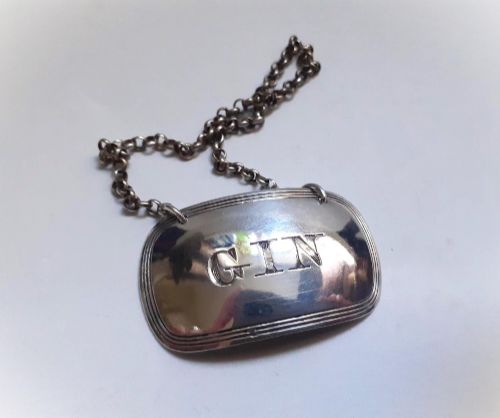
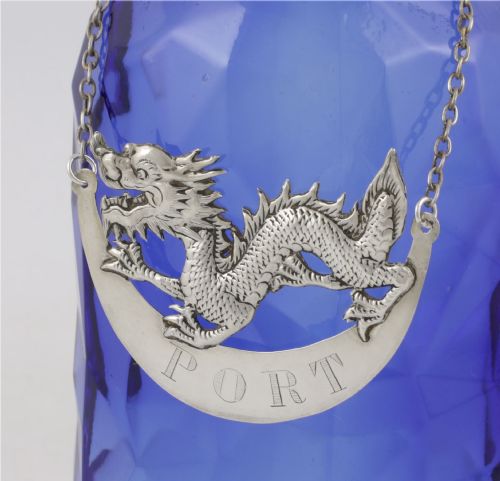
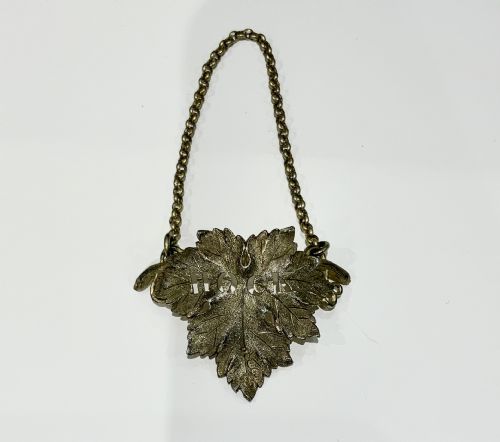
The assortment includes named spirit tags for port, sherry, brandy, claret, whisky, madeira, rum, gin, and hock. Alongside individual pieces, collectors occasionally find matched pairs or small sets bearing specific bottle titles.
Materials and construction
Makers fashioned these tags primarily from sterling silver, solid silver, and occasionally silver gilt, utilising techniques like stamping, piercing, and engraving. Certain examples incorporate silver mounts paired with teal or cobalt glass decanters.
Stylistic influences range from naturalistic vine leaf motifs to Rococo Revival scrollwork and Chinese Export silver. Pierced lettering and raised cast borders define the physical structure of many surviving pieces.
Victorian Silver Decanter Label Retail Price Guide 2026
Typical asking prices for victorian silver decanter label among the pieces listed under this phrase on Sellingantiques today, from the lower quarter to the upper quarter. They describe what is for sale here now, not the wider market.
Even nineteenth-century drinkers needed reminding whether they poured port or gin after the third bottle.
Assessing craftsmanship
Quality rests upon the crispness of the stamp, the depth of the repoussé work, and the clarity of the pierced bottle title. Superior examples display sharply defined vine leaf veins or intricate rococo scroll borders rather than soft, worn edges.
Maker marks and clear provincial or London hallmarks contribute significantly to the standing of a piece. Well-preserved original suspension chains and clear script for unusual drink titles elevate individual labels.
Nathaniel Mills·Hilliard & Thomason·George Unite
The Victorian Silver Decanter Label Glossary
- Decanter label
- A small metal tag used to identify the contents of a wine or spirit bottle. These items hang around the bottle neck by means of a linked chain or rigid collar.
- Silver gilt
- Silver that has been coated with a thin layer of gold on its surface. This technique provides a warm, rich tone to the metal.
- Hallmark
- An official stamp applied to precious metals indicating the standard of purity, the assay office, and the year of manufacture. British silver carries these marks to verify authenticity.
- Escutcheon
- A shield-shaped plate used for engraving initials or bottle titles. This classic heraldic form appears frequently among nineteenth-century tags.
- Repoussé
- A metalworking technique where the artisan shapes the design by hammering from the reverse side. It creates high relief ornamentation on the face of the silver.
Victorian Silver Decanter Label: Frequently Asked Questions
What drinks do these labels name?
These tags identify traditional nineteenth-century bottles containing port, sherry, brandy, claret, whisky, madeira, rum, gin, and hock.
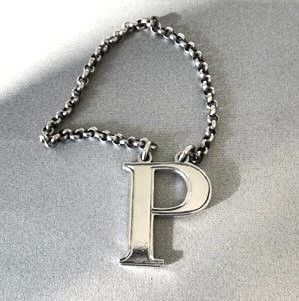
Less common titles such as marsala, sauterne, and specific initials also appear among the selection.
How do you attach a decanter label?
Each label hangs from the neck of a bottle or decanter using an integrated silver chain or a rigid metal collar.
The flexible chains allow the tag to drape naturally against the curve of glass decanters.
Are these labels made of solid silver?
The pieces recorded here consist largely of sterling silver, solid silver, and silver-gilt construction.
Some examples are paired with silver mounts on glass bottles rather than operating as independent tags.
How do I date a silver label?
Dating relies upon the style of decoration, such as Rococo Revival scrolls or naturalistic vine leaves, combined with stamped assay hallmarks.
Makers' marks stamped directly into the silver provide further evidence of the exact period of production.