



Victorian Silk Tapestry
These victorian silk tapestry pieces are textile works woven in silk, wool, and linen that bring nineteenth-century needlecraft directly into your home.
Victorian Silk Tapestry
When you search for victorian silk tapestry, you encounter a range of nineteenth-century textile art, needlework pictures, and framed silkwork panels. These pieces span the Victorian period, including specific works from the 1890s and 1900, alongside earlier Victorian examples.
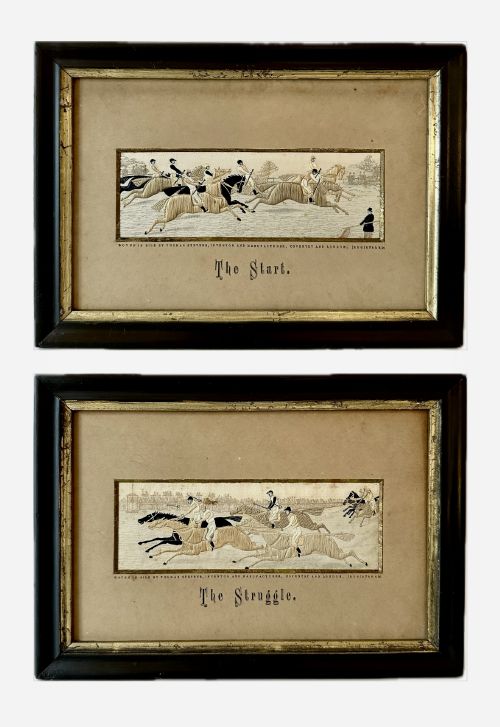
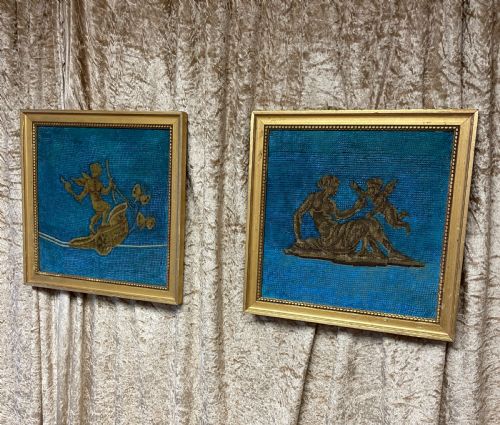
The selections on this page feature framed artwork, fire screens, and commemorative military embroideries alongside needlework samplers. Subjects vary from botanical studies and pots of strawberries to horse racing tracks and traditional named samplers.
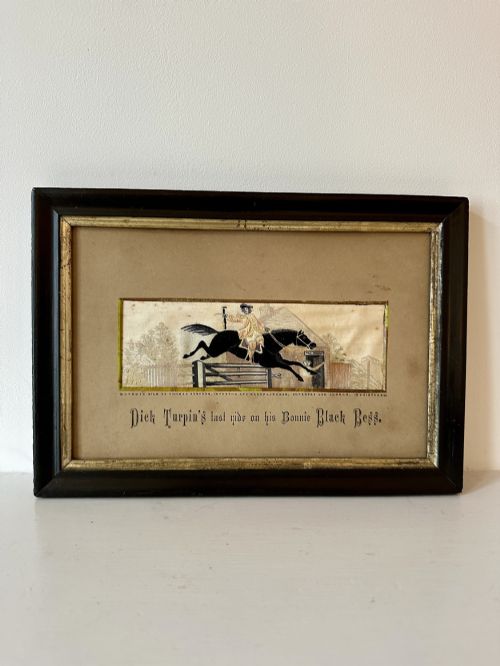
Makers such as Thomas Stevens appear via his woven Stevengraph silk pictures, while other works record individual needlewomen such as Jane Wettmore and Mary Mason. These diverse objects show the broad domestic and commemorative scope of nineteenth-century textile artistry.
How victorian silk tapestry pieces were made
These works rely on textile artistry executed with silk, wool, and linen threads. Makers stitched or wove these materials onto base foundations to build pictorial scenes and sampler texts.
Framing materials complete the construction, utilising wood, glass, cardboard, gilded wood, and gold leaf. Many surviving pieces retain their period frames, which protect the delicate silk and wool threads from atmospheric damage.
Victorian Silk Tapestry Retail Price Guide 2026
Typical asking prices for victorian silk tapestry among the pieces listed under this phrase on Sellingantiques today, from the lower quarter to the upper quarter. They describe what is for sale here now, not the wider market.
Listings feature works utilising silk, wool, linen, glass, wood, and gold leaf across Victorian styles.
What varies in quality
The refinement of the needlework execution and the complexity of the subject matter distinguish individual examples. Detailed pictorial renderings, such as horse racing scenes and multi-figure Stevengraphs, demand a higher degree of technical skill than standard samplers.
The preservation of the materials and the survival of original framing elements also influence the character of each piece. Intact glass, clean silk threads, and well-maintained gilded wood or wooden surrounds elevate the overall presentation.
Thomas Stevens·Jane Wettmore·Ann Hodson·Mary Mason
The Victorian Silk Tapestry Glossary
- Stevengraph
- A woven silk picture produced on a jacquard loom, typically associated with the nineteenth-century manufacturer Thomas Stevens.
- Needlework Sampler
- A piece of canvas or linen worked with various stitches, alphabets, or motifs to demonstrate a maker's skill.
- Fire Screen
- A decorative household screen placed before an unused fireplace, frequently incorporating a framed textile panel.
- Silkwork
- Embroidery or needlework executed primarily using silk threads to create reflective pictorial surfaces.
- Baroque Taste
- An ornate decorative style drawing upon seventeenth-century European design principles, reflected in period framing and motifs.
Victorian Silk Tapestry: Frequently Asked Questions
What is a Thomas Stevens Stevengraph?
A Thomas Stevens Stevengraph is a machine-woven silk picture produced during the nineteenth century. These woven works frequently depict historical scenes, transport, and sporting subjects.
They represent a distinct industrial shift from purely hand-stitched needlework while retaining the fine detail characteristic of silk textiles.
How were fire screens used in Victorian homes?
Fire screens were positioned in front of domestic fireplaces during the warmer months when fires were not lit. They served to block lingering drafts and protect the room from soot odours.
At the same time, they provided a prominent surface to display decorative needlework and silk embroidery.
How do I care for framed silk embroidery?
Framed silk embroidery requires protection from direct sunlight to prevent the silk and wool threads from fading. Keeping the pieces in stable humidity environments protects the delicate fabric and backing materials.
Original glass should be left intact to shield the textile from dust and atmospheric pollutants.
How are needlework samplers dated?
Many nineteenth-century samplers include stitched signatures, dates, and the age of the maker directly into the textile design. For unsigned pieces, dating relies on the style of the lettering, the framing materials, and the types of textile foundation used.
Comparing the stitching techniques with documented examples from the same period helps narrow down the decade.