



Victorian Silhouette
A victorian silhouette captures a sharp profile in ink or paper, offering an intimate glimpse into nineteenth-century lives.
Victorian Silhouette
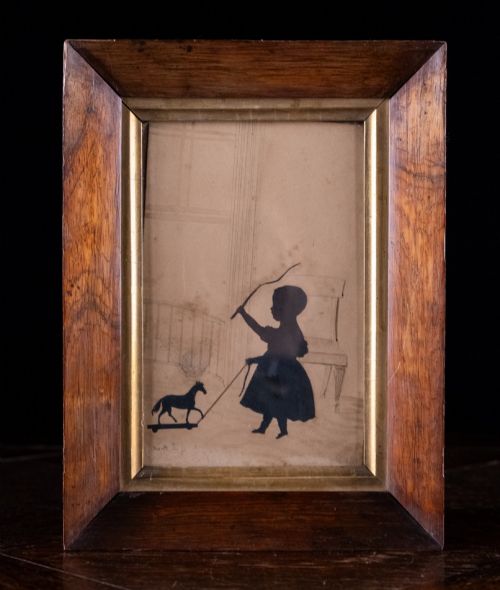
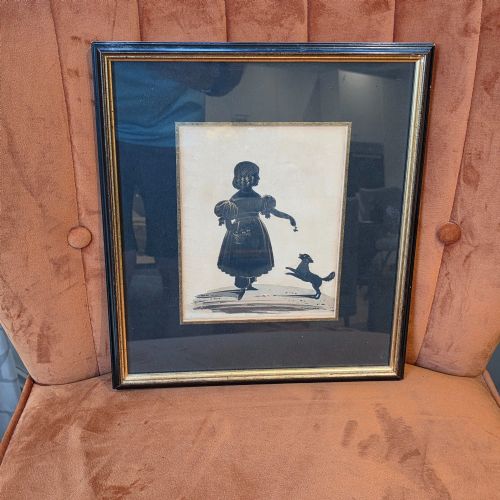
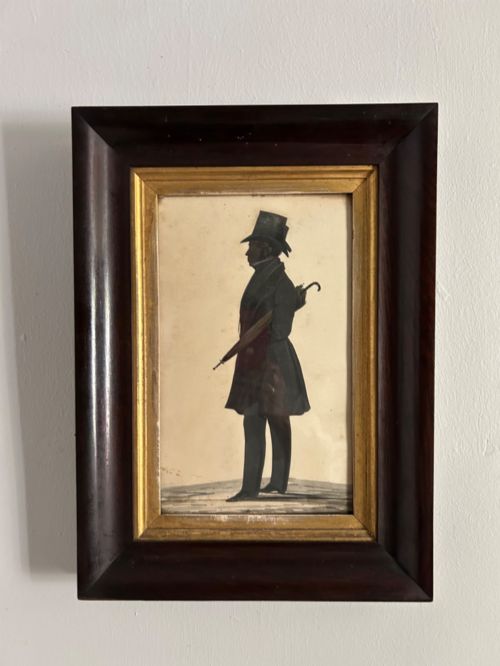
When you search for a victorian silhouette, you encounter framed artwork and wall art depicting single figures, family groups, and animals. These portraits capture gentlemen, ladies, children, and equestrian scenes in striking monochrome profiles.
The pieces appearing on this page span the nineteenth century, incorporating Regency survivals alongside works dated through the 1850s, 1860s, and 1880s. You find cut paper portraits alongside reverse glass paintings and miniature watercolour additions.
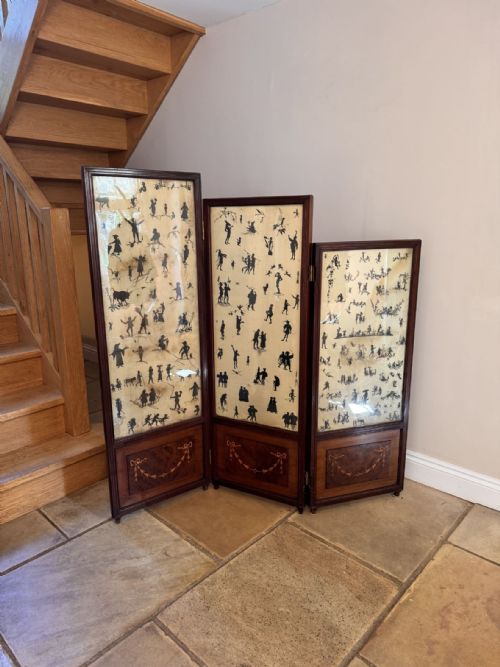
Beyond wall art, the selection includes folding nursery screens and towel rails integrated with silhouette panels or related folk art forms. These functional household items demonstrate how profile portraiture extended beyond simple framed pictures.
Evaluating Silhouette Quality
The precision of the cutting separates skilled profile artists from casual practitioners. Sharp edges, accurate proportions, and convincing capture of posture define the finest hand cut paper portraits.
The choice of framing and secondary materials elevates certain pieces. Mahogany surrounds, gold leaf highlights, and signed attribution marks indicate superior workshop production and historical importance.
Victorian Silhouette Retail Price Guide 2026
Typical asking prices for victorian silhouette among the pieces listed under this phrase on Sellingantiques today, from the lower quarter to the upper quarter. They describe what is for sale here now, not the wider market.
Listings feature paper, glass, wood, ink, gold leaf, brass, gilt, and mahogany across nineteenth century formats.
Augustin Edouart·William James Hubard·Frederick Frith·Alfred Darbyshire·Skeolan
The Victorian Silhouette Glossary
- Silhouette
- A portrait represented as a solid shape of a single colour, usually black, showing the profile of a subject. This art form gained immense popularity before the invention of photography.
- Reverse glass painting
- An artwork created by applying pigment to the reverse side of a glass panel so the image is viewed through the front. This technique protects the paint surface and imparts a distinct luminous quality.
- Hollow cut
- A silhouette method where the profile is cut out from a sheet of paper, leaving the surrounding paper mount to form the primary picture. The cutout shape was often discarded or placed over a contrasting background fabric.
- Conversation piece
- An informal group portrait, often featuring family members engaged in domestic activities or leisure. These compositions record social interactions within a domestic interior.
Victorian Silhouette: Frequently Asked Questions
How are silhouettes dated?
Stylistic clues such as the sitter's clothing, hair styling, and bonnet shapes provide primary dating evidence.
Paper types, framing materials, and handwritten inscriptions on the reverse further clarify the period of creation.
Where were silhouettes displayed?
These framed portraits hung in parlours and hallways alongside family photographs and oil paintings.
Smaller examples sat on mantelpieces or desks as personal tokens of remembrance.
Are all silhouettes cut from paper?
While hand cut paper remains common, many examples utilise black ink applied directly to card or paper.
Other variants include reverse glass paintings and watercolours that incorporate subtle shading.
How should I care for antique silhouettes?
Keep framed pieces away from direct sunlight to prevent paper fading and ink degradation.
Maintain stable indoor humidity levels to protect wooden frames and fragile paper substrates.