
Victorian Sideboard Base
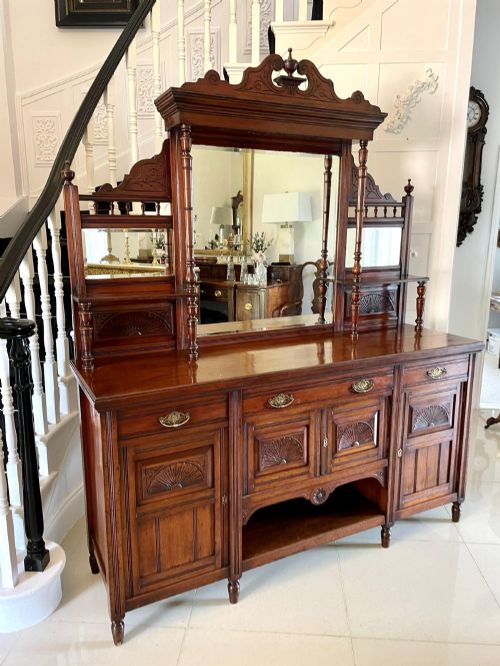
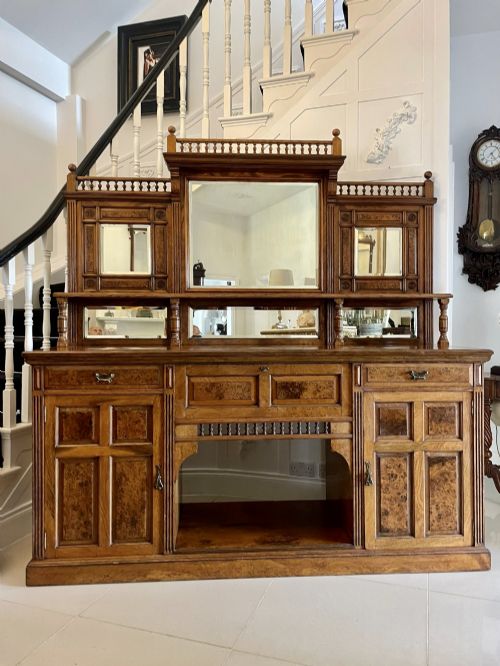
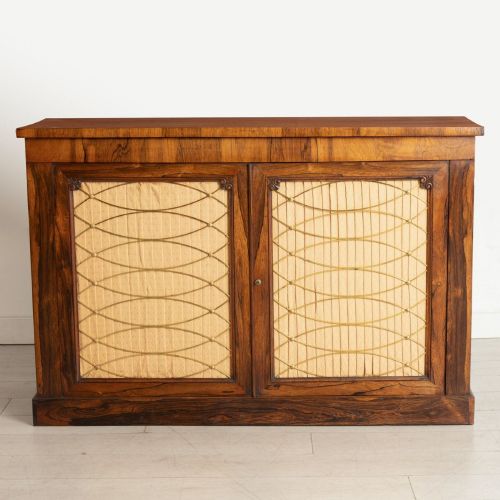
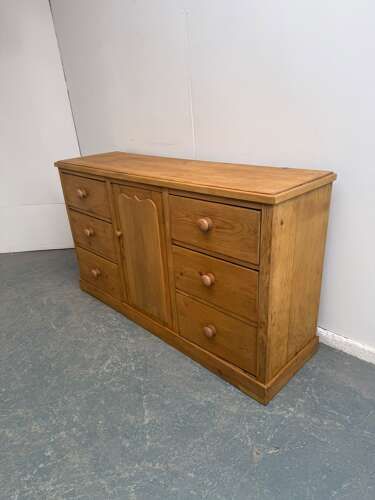
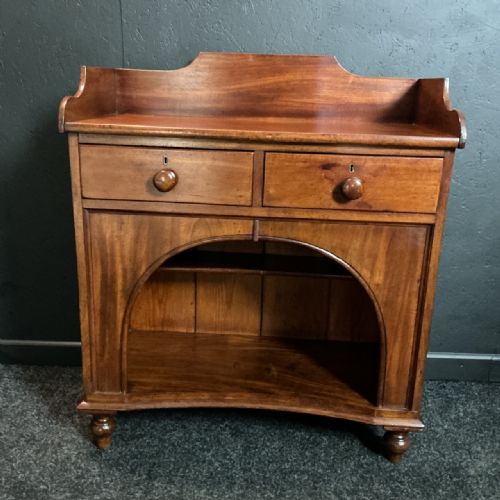
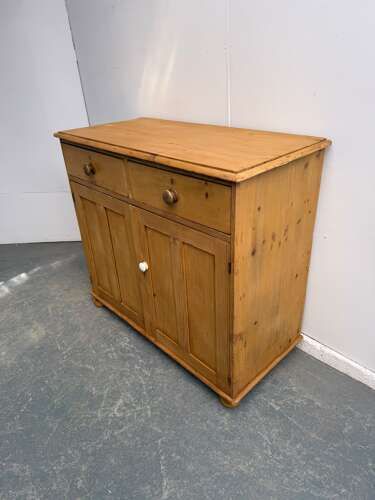
When you search for a victorian sideboard base, you encounter substantial utilitarian furniture designed for storage and display in period interiors.
Victorian Sideboard Base
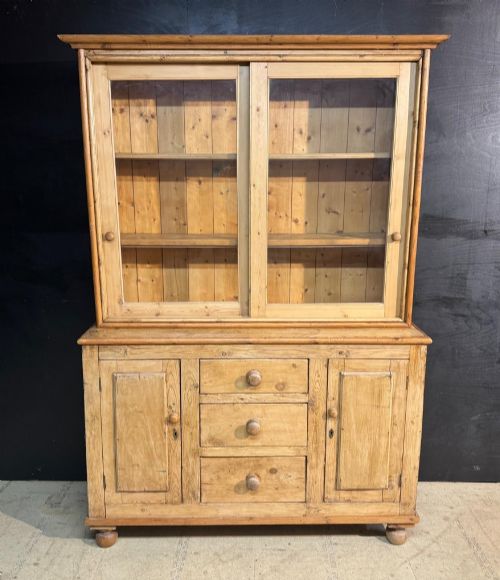
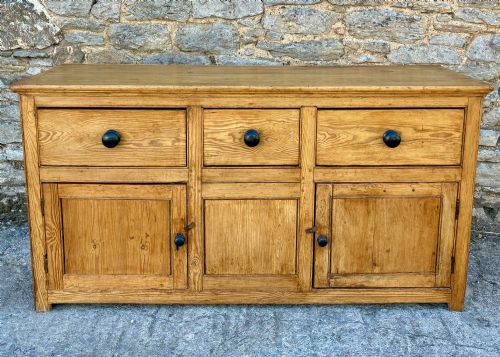
A victorian sideboard base bridges the gap between kitchen utility and formal dining room storage, functioning as a low foundational cabinet. These forms typically feature a combination of lower cupboards and drawers, sometimes incorporating open pot boards or upper shelves.
Most examples found on this page date from the nineteenth century, reflecting the domestic needs of Victorian households. They appear in robust timber constructions suited for heavy daily use.
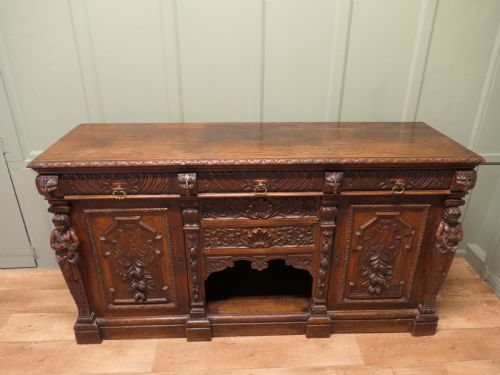
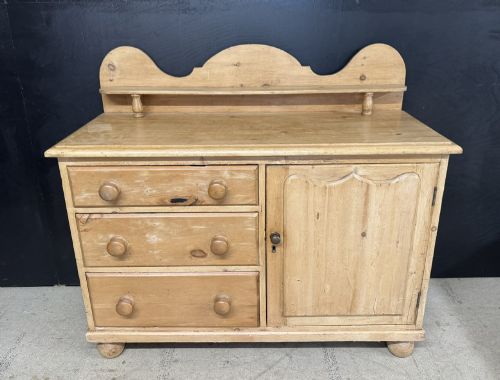
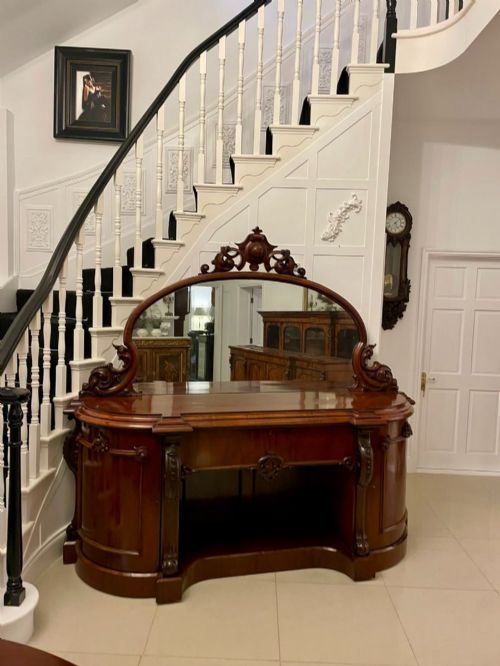
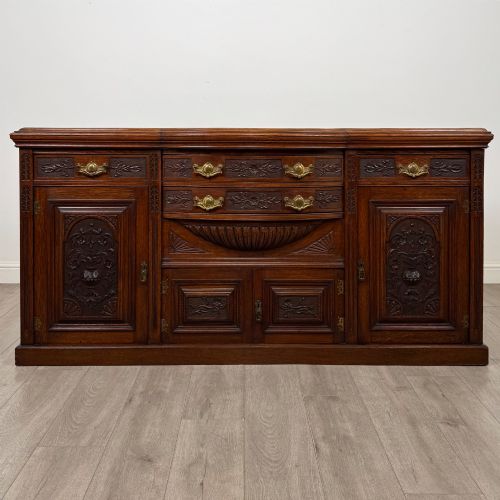
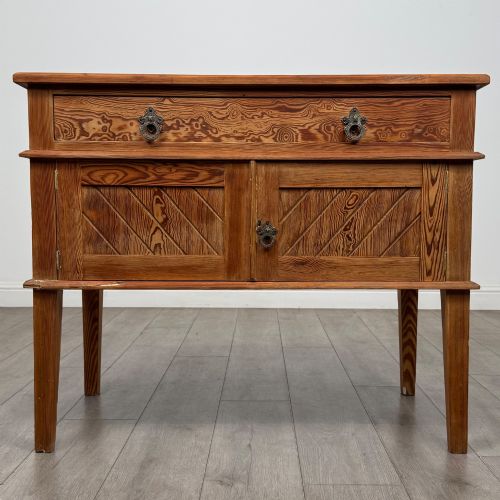
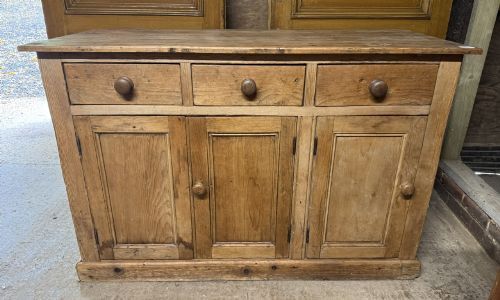
Regional variations span from English country pine kitchen pieces to formal mahogany and carved oak variations. Buyers encounter everything from rustic waxed pine utility cupboards to grand architectural sideboards.
How they were made
Cabinet makers utilised dense hardwoods such as mahogany and oak alongside domestic softwoods like pine, often combining solid planks with traditional mortise and tenon joinery. Surfaces were finished through wax polishing, staining, or application of original paint finishes.
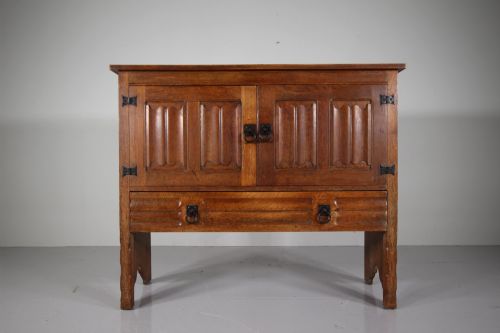
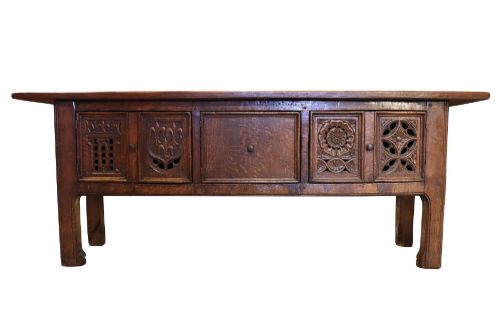
Carved details, geometric mouldings, and turned columns reflect stylistic movements including Gothic Revival and Jacobean Revival. Brass handles, hinges, and occasional glass elements complete the structural hardware.
Green Man carvings occasionally peer out from Victorian oak woodwork to watch over the kitchen.
What varies in quality
The choice of primary timber dictates the tier of the piece, with figured pollard oak and dense mahogany occupying a different visual space from utilitarian kitchen pine. Construction density and the weight of the timber used for top boards and drawer linings also mark out superior examples.
Execution of carved ornamentation and the preservation of original surfaces, whether waxed finishes or historic paint, separate standard utilitarian storage from finer decorative examples.
The Victorian Sideboard Base Glossary
- Dresser base
- A low freestanding kitchen or dining cabinet featuring drawers above enclosed cupboard doors, historically used for food preparation and serving.
- Chiffonier
- A compact low sideboard originating in the nineteenth century, typically fitted with enclosed lower doors beneath a small drawer or shelf.
- Pot board
- An open lower shelf built into a dresser base, traditionally designed to hold heavy earthenware pots and kitchen utensils.
- Gothic Revival
- A nineteenth-century design style incorporating medieval architectural motifs such as pointed arches, heavy tracery, and carved linenfold panels.
- Pollard oak
- Timber harvested from trees that have been pollarded, producing wood with a highly figured, clustered grain pattern prized by Victorian cabinet makers.
Victorian Sideboard Base: Frequently Asked Questions
What is a victorian sideboard base used for today?
These low foundational cabinets serve as functional storage units in dining rooms, hallways, and kitchens. Their flat top surfaces also provide ample space for display.
Interior designers often utilise them as media consoles or linen storage because their deep proportions accommodate modern items easily.
How do I tell pine from hardwood versions?
Pine examples usually feature visible knots and a softer grain structure that accepts wax or paint readily. They generally originate from domestic kitchen settings.
Hardwoods like mahogany and oak display denser grain patterns and heavier structural weight, pointing to formal dining room origins.
Are painted finishes original on these pieces?
Many utility pieces received coats of paint during their working lives in nineteenth-century kitchens and country houses. Original paint layers show appropriate wear and patina.
Other examples were stripped down to bare wood in later decades to reveal the underlying pine or oak grain.
What styles influence these sideboard bases?
Cabinet makers drew upon various historical revivals, incorporating Gothic arches, Jacobean geometric paneling, and simple country vernacular forms. These stylistic cues help indicate the intended room and social tier of the original commission.
Regional preferences also played a major role, distinguishing Welsh and English country workshops from urban cabinet makers.