




Victorian Shelf Supports
Victorian shelf supports are practical and decorative fixtures built to hold weight and furnish walls, exactly what you need to anchor period shelving.
Victorian Shelf Supports
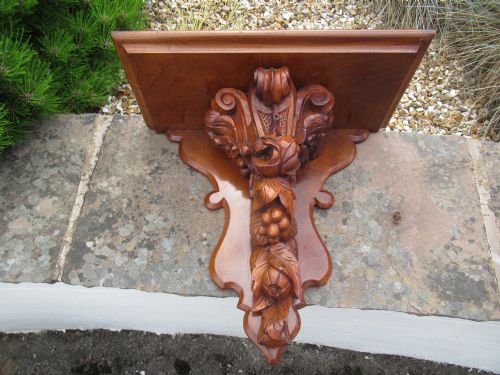
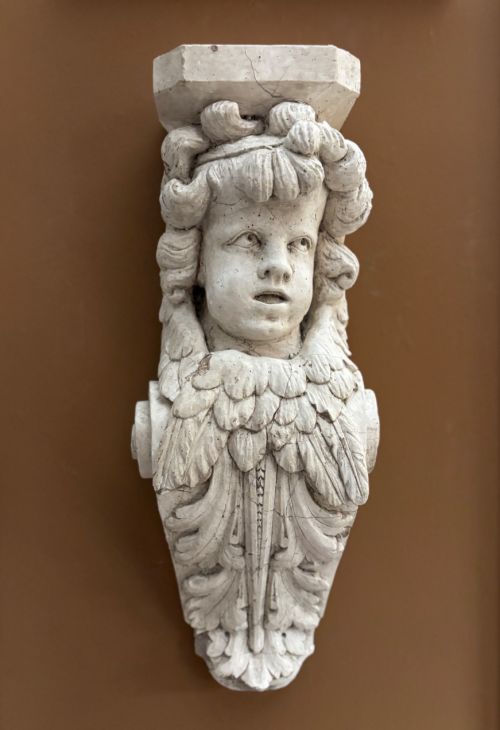
Victorian shelf supports encompass wall brackets, architectural salvage, corbels, and structural shelving components designed to carry weight while adding architectural interest to interior walls. When exploring Victorian shelf supports, expect to encounter sturdy iron and brass fixtures alongside carved timber brackets and decorative ceramic wall corbels.
The selections range from heavy industrial cast iron brackets to ornate walnut display brackets and majolica wall pieces. Form follows function closely, with designs varying from simple utility hardware to elaborate figural carvings and neoclassical motifs.
Most examples connect directly to the nineteenth century, though related pieces stretch from eighteenth-century origins into early twentieth-century industrial adaptations. Buyers frequently find matching pairs intended for balanced display schemes as well as single architectural elements.
Materials and construction methods
Makers utilised durable metals like cast iron and brass, often producing pieces through sand casting to achieve crisp structural lines and detailed surface ornamentation. Iron brackets frequently feature heavy load-bearing profiles, sometimes enhanced with bronze finishes or dragon motifs.
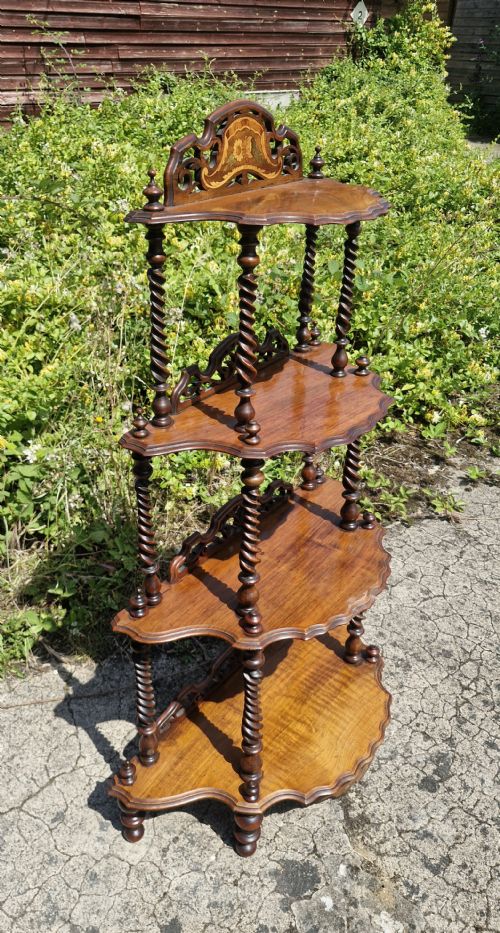
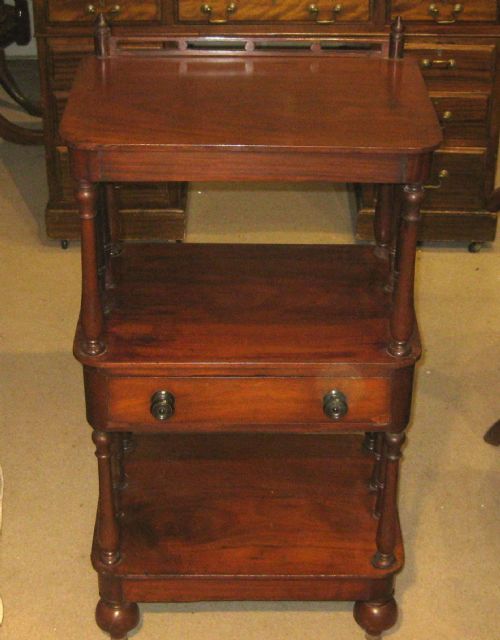
Woodwork relied on dense timbers such as mahogany, walnut, rosewood, and pine, shaped through hand carving and turning. Timber supports often served multifunctional roles in whatnots and tiered wall shelves, combining joinery with decorative fretwork or inlay.
Ceramic and composition pieces, including Minton majolica and plaster elements, brought moulded colour and sculptural form to wall brackets. These materials required skilled kiln firing or moulding techniques to capture fine details like putti and recumbent lions.
Listings feature periods spanning the 18th Century, 19th Century, William IV, and Victorian eras, alongside 1920s industrial items.
Assessing quality and craftsmanship
Quality shows in the crispness of the casting and the depth of the hand carving, where sharper details separate superior items from softer, mass-produced alternatives. Superior metal brackets display clean edges without casting flaws, while fine wooden corbels reveal sharp tool marks and deliberate grain selection.
Material choice dictates the structural integrity and finish longevity, with solid hardwoods and heavy-grade metals commanding attention over softer composition materials. Original surfaces and patinas indicate how well a piece has maintained its historical integrity through decades of use.
Minton
The Victorian Shelf Supports Glossary
- Corbel
- A structural piece of stone, wood, or metal projecting from a wall to carry a weight. In domestic settings, they often support shelves or mantelpieces.
- Whatnot
- An open set of tiered shelves used for displaying ornaments and books. These pieces became popular during the nineteenth century for corner or wall placement.
- Majolica
- A type of earthenware coated with an opaque tin-glaze and painted with metallic oxide colours. Minton frequently utilised this technique for decorative wall brackets.
- Cast iron
- An iron-carbon alloy poured into a mould to create rigid shapes. It provided the strength needed for heavy industrial and domestic shelf brackets.
Victorian Shelf Supports: Frequently Asked Questions
How do I mount heavy iron brackets safely?
Heavy cast iron brackets require secure anchorage into wall studs or solid masonry using appropriate fixings to support the metal weight and any load placed upon them.
Distributing the weight evenly across multiple fixing points prevents structural strain on older walls.
Can these brackets hold real wooden shelves?
Most antique shelf supports were built for functional domestic use and easily accommodate matching timber boards when properly installed.
Check the depth and load-bearing capacity of the specific bracket before mounting heavier collections.
How do I clean antique brass and iron?
Dusting with a dry cloth preserves the aged patina on metal brackets without removing historical surface finish.
Avoid harsh chemical cleaners that strip away original dark patination or protective coatings.
Are wooden corbels purely decorative?
Carved wooden corbels often served both structural load-bearing functions and purely decorative framing purposes around architectural openings.
Examine the back fixing points to determine if the piece was engineered to bear weight.