




Victorian Serving Set
A victorian serving set gathers people around a table with purposeful weight and bright metal.
Victorian Serving Set
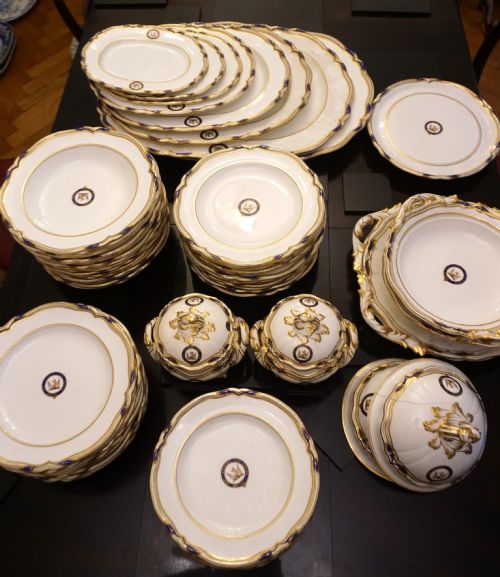
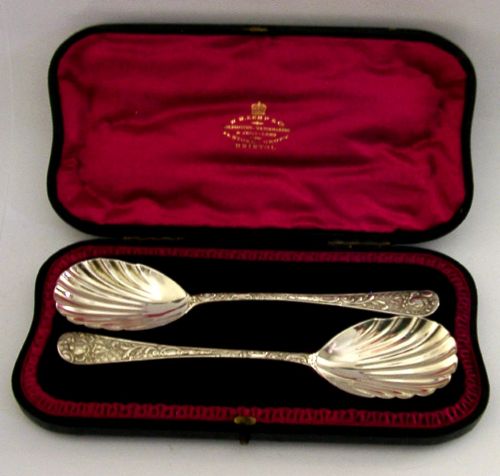
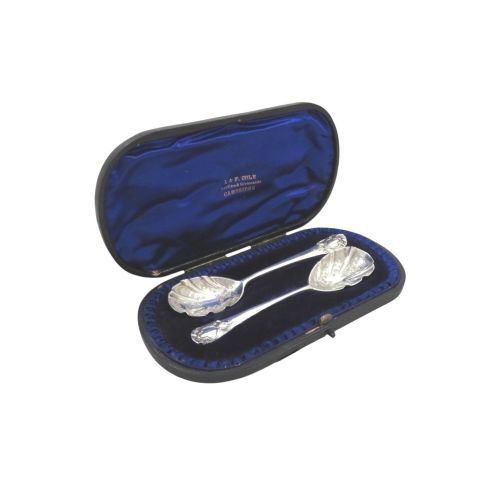
When you search for a victorian serving set, you look at matched collections and paired instruments made for hospitality during the nineteenth century. These items include cased dessert spoons, fish servers, and salad bowls paired with dedicated implements.
The pieces on this page originate mostly from the Victorian and Edwardian periods, stretching from the middle decades of the nineteenth century to the turn of the twentieth. Makers produced them in silver, silver plate, earthenware, and glass for formal dining rooms.
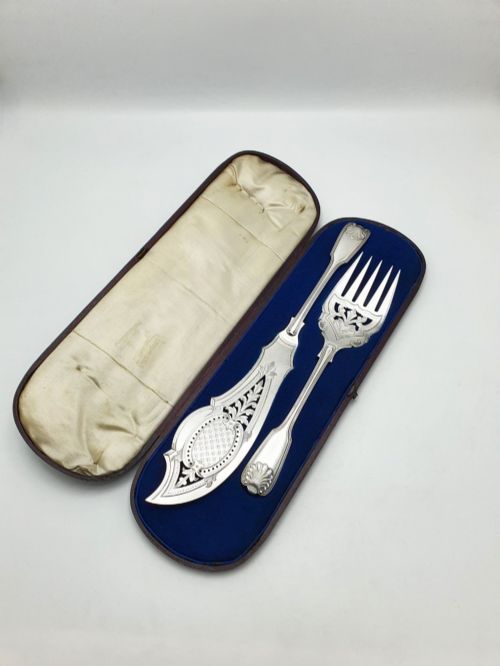
You are most likely to meet cased pairs of sterling silver fruit spoons, silver-plated fish servers with engraved blades, and ceramic salad bowls fitted with matching servers. These forms served specific courses like fish, fruit, or dessert.
The origins span English potteries, silversmith workshops, and continental glasshouses, reflecting the broad reach of nineteenth-century dining culture. Each grouping demonstrates the period's taste for specialised cutlery and tableware.
Materials and Techniques
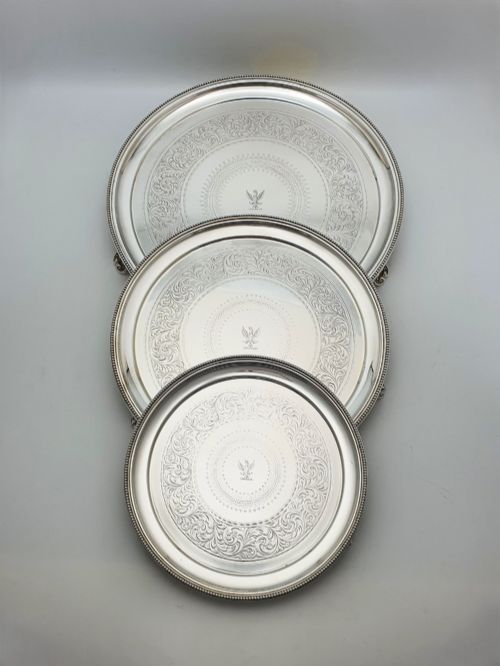
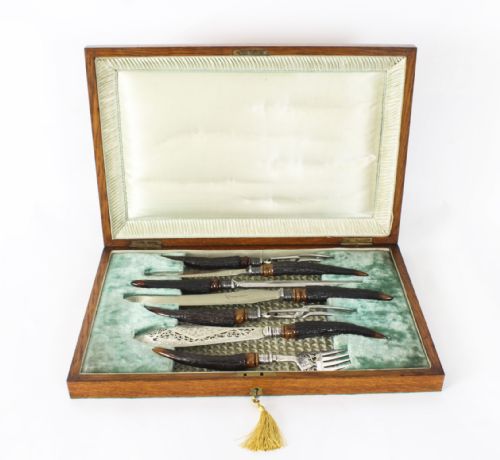
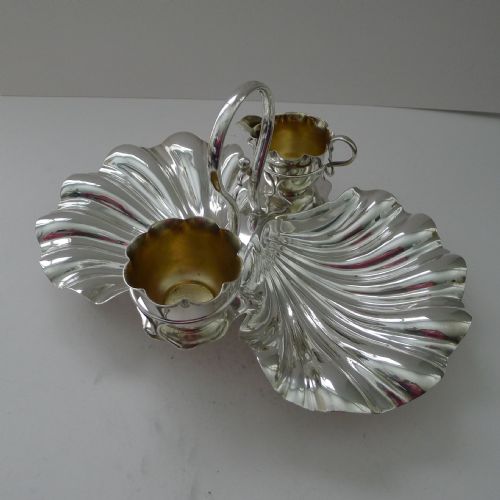
Silversmiths shaped sterling silver and silver plate through casting, hammering, and engraving, often applying parcel gilt to berry spoons or piercing blades for fish servers. Makers also mounted natural materials like antler horn and polished oak into metal frameworks for handles.
Ceramic pieces such as majolica, stoneware, and porcelain rely on hand-painted glazes and moulded earthenware bodies, created by potteries like Doulton Lambeth, Wedgwood, and Coalport. Glass punch bowls and servers utilise heavy moulding and cut decoration.
Cases utilise fitted wooden boxes lined with velvet and silk to protect the metalwork and display the matched spoons, forks, or knives in recessed slots.
Victorian Serving Set Retail Price Guide 2026
Typical asking prices for victorian serving set among the pieces listed under this phrase on Sellingantiques today, from the lower quarter to the upper quarter. They describe what is for sale here now, not the wider market.
Listings feature items spanning the Victorian, Edwardian, and nineteenth-century periods, constructed from sterling silver, silver plate, oak, and earthenware.
Standards of Craft
The distinction between ordinary and superior pieces rests on the depth of hand engraving and the crispness of moulded detail on the metal or ceramic surface. Finely chased foliage, deep piercing on fish slices, and crisp hallmarks elevate sterling silver pieces.
Material choice and matching integrity also drive quality, as sets retained in their original fitted velvet-lined cases command greater attention than assembled groups. The integration of organic handles like antler or horn with secure silver ferrules shows skilled assembly.
Elkington·Daniel Arter·John Ridgway·Coalport·Doulton Lambeth·Hukin & Heath·Walter & John Barnard
The Victorian Serving Set Glossary
- Sterling silver
- A silver alloy containing 92.5 percent pure silver by mass, standard for quality British tableware and marked with assay office hallmarks.
- Silver plate
- A base metal substrate, commonly copper or nickel brass, coated with a thin layer of pure silver through electroplating or old Sheffield methods.
- Majolica
- A type of earthenware coated with an opaque tin-lead glaze and painted with metallic oxide colours, popular for Victorian salad bowls and serving dishes.
- Berry spoon
- A large serving spoon with a deep bowl, frequently embossed and engraved with fruit and foliage during the Victorian period.
- Fish servers
- A matched knife and fork set featuring wide, pierced blades designed specifically for serving fish courses at formal dinners.
Victorian Serving Set: Frequently Asked Questions
What is a victorian serving set used for?
These sets served specific courses at large nineteenth-century dinner parties, including fish, fruit, salad, and desserts. Each specialised utensil handled delicate foods that ordinary cutlery could not manage properly.
Hosts used fitted boxes and matched implements to present food cleanly across the table, adding theatre and refinement to communal dining.
How do I care for silver plate serving pieces?
Wash silver-plated items gently in warm water using mild soap, then dry them immediately with a soft cloth to prevent water spots. Avoid harsh abrasives that wear away the thin silver layer over the base metal.
Store pieces in dry conditions, and if using fitted velvet-lined boxes, ensure the environment remains free from excessive humidity to protect the lining.
Can I use these sets for modern dining?
Many silver spoons, salad bowls, and fish servers remain entirely functional for contemporary meals and dinner parties. Their robust construction suits actual service, provided you handle delicate ceramics and antique plating with appropriate care.
Hand washing is essential, as modern dishwashers will damage silver plate, organic horn handles, and hand-painted ceramic glazes.
How do I identify a Victorian silver mark?
British sterling silver bears a series of punch marks including a standard mark like a lion passant, a city assay office mark, and a date letter. These stamps reveal the exact year and location of manufacture.
Silver plate uses different maker marks and electroplate stamps rather than official sterling assay hallmarks, which helps distinguish solid silver from plated items.