



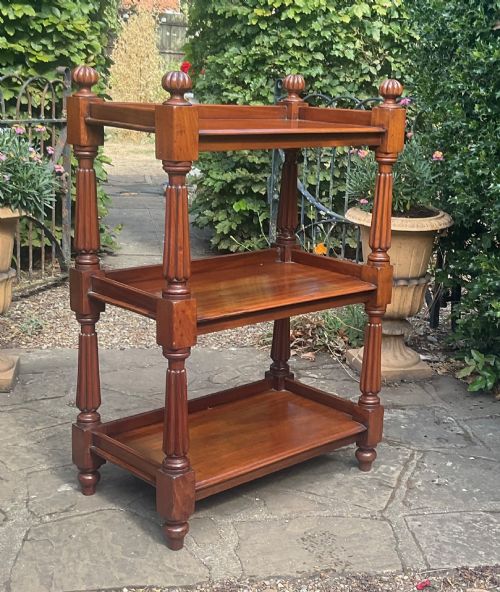
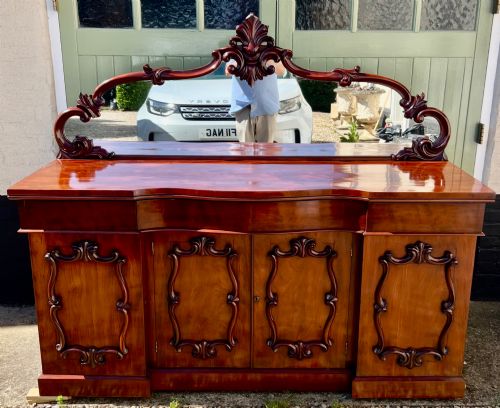
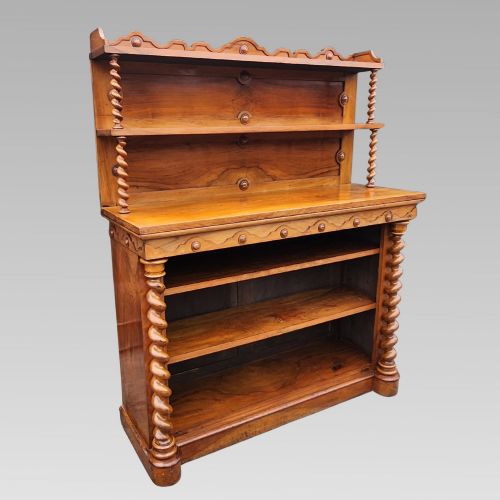


Victorian Server Unit
A victorian server unit brings robust nineteenth-century storage and generous surface space to a room, combining practical utility with period character.
Victorian Server Unit
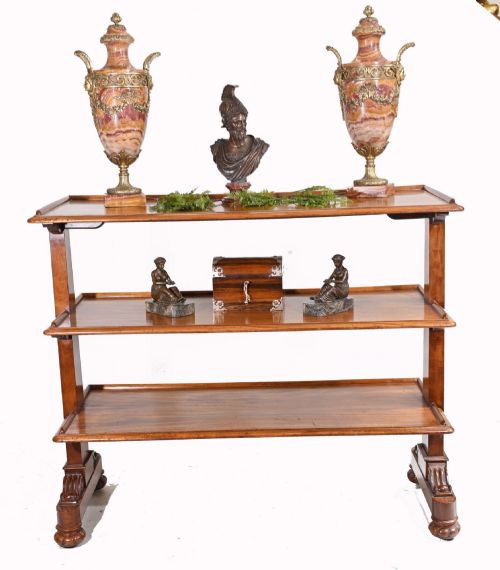
When you search for a victorian server unit, you are looking at nineteenth-century dining and display furniture encompassing sideboards, buffets, dresser bases, and etageres. These pieces served domestic households for food preparation, tableware storage, and the serving of meals in dining rooms and kitchens.
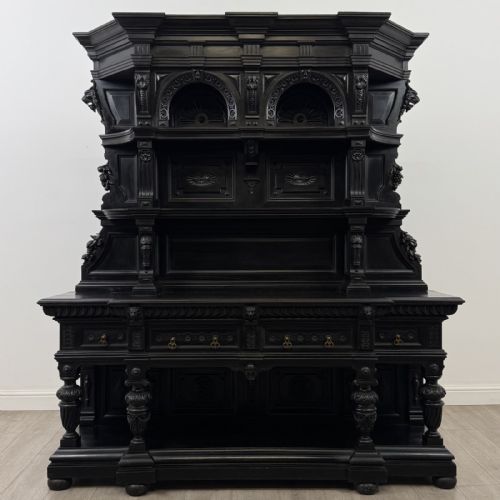
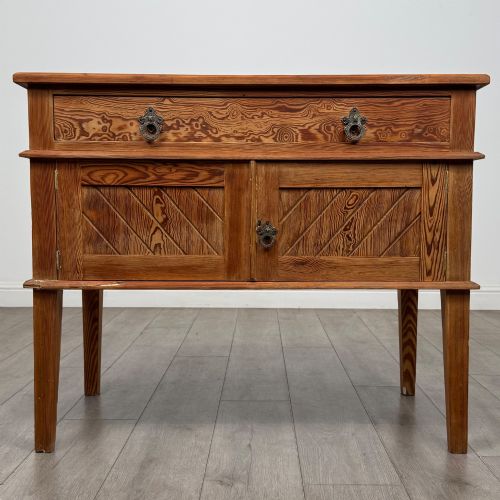
The versions you are most likely to meet on this page range from heavy mahogany and walnut sideboard buffets with carved details to rustic pine and painted dresser bases from the Victorian country tradition. They span periods from the mid nineteenth century through to the turn of the twentieth century, reflecting varied regional tastes and workshop origins.
Distinguishing quality across pieces
The distinction between standard utility items and finer examples rests on the selection of timber, the crispness of hand-carved ornamentation, and the integrity of original fittings like brass handles and castors. Superior pieces exhibit balanced proportions, tight joinery, and thoughtful integration of decorative elements rather than mass-produced uniformity.
Condition and originality also dictate standing, with pieces retaining their original painted finishes, glass components, or adjustable shelving holding greater integrity than heavily altered examples. The presence of documented workshop attribution further separates standard regional items from high-grade urban commissions.
Victorian Server Unit Retail Price Guide 2026
Typical asking prices for victorian server unit among the pieces listed under this phrase on Sellingantiques today, from the lower quarter to the upper quarter. They describe what is for sale here now, not the wider market.
Listings feature items spanning the Victorian era, the wider nineteenth century, and the eighteenth century, constructed from mahogany, pine, walnut, and ebonised hardwood.
Gillows and Co·Shapland & Petter
The Victorian Server Unit Glossary
- Dresser base
- A low-standing kitchen or dining cabinet featuring drawers above enclosed cupboard doors, designed for food preparation and storage without an upper plate rack.
- Etagere
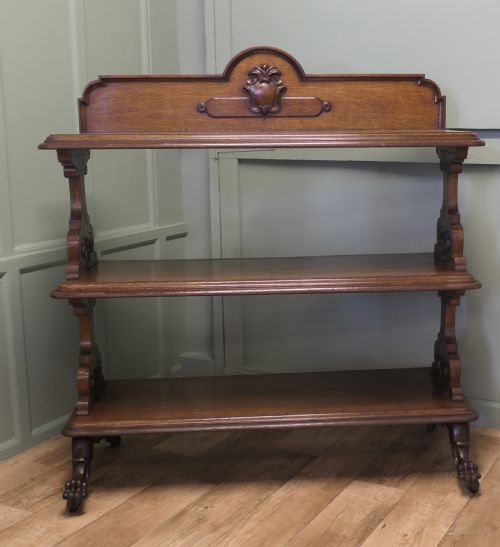
- A set of open, multi-tiered graduating shelves supported by columns or slender uprights, utilised for displaying books, china, or decorative objects.
- Dumb waiter
- A tiered serving piece fitted with revolving or stationary shelves, historically placed beside a dining table to hold dishes without requiring servants.
- Ebonised hardwood
- Timber treated with a chemical stain or black finish to imitate expensive ebony, popular during the nineteenth century for dramatic contrast.
- Castor
- A small wheel mounted on a swivel assembly beneath the legs of heavy furniture to permit easy repositioning across carpets and floors.
Victorian Server Unit: Frequently Asked Questions
What is a victorian server unit used for?
These pieces functioned historically as storage hubs and serving surfaces in nineteenth-century dining rooms, holding heavy china, silverware, and serving dishes.
Today, they adapt easily to modern homes as sideboards in dining spaces, media consoles in living areas, or practical storage units in kitchens and hallways.
How do I care for antique pine furniture?
Pine surfaces benefit from periodic waxing or gentle dusting with a dry cloth to nourish the wood and maintain its natural lustre without stripping the patina.
Keep these pieces away from direct heat sources and strong sunlight to prevent the timber from drying out, warping, or cracking over time.
Are these pieces made of solid wood?
Nineteenth-century items on this page primarily utilise solid timbers such as mahogany, walnut, oak, and pine throughout their main structures and drawer construction.
Secondary woods may appear in concealed areas like drawer linings and back panels, adhering to traditional cabinetmaking practices of the era.
How can I tell an early piece from a later one?
Earlier pieces from the mid nineteenth century often display denser hardwoods, hand-cut dovetails, and neoclassical or heavy revival carving styles.
Later Victorian and turn-of-the-century examples frequently shift towards lighter pine constructions, simpler lines, or Arts and Crafts influences.