

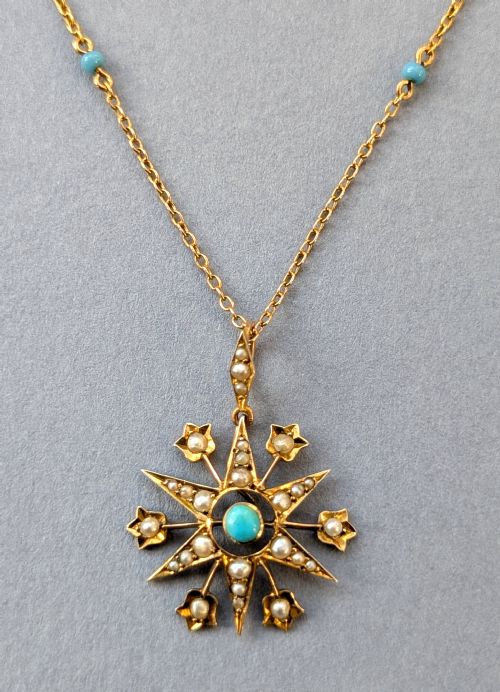


Victorian Seed Pearl Pendant
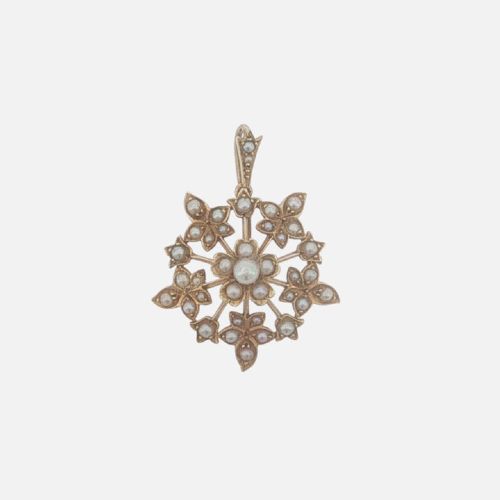
These Victorian seed pearl pendant pieces offer delicate nineteenth-century craftsmanship, combining tiny pearls with gold settings to create intricate floral and celestial designs.
Victorian Seed Pearl Pendant
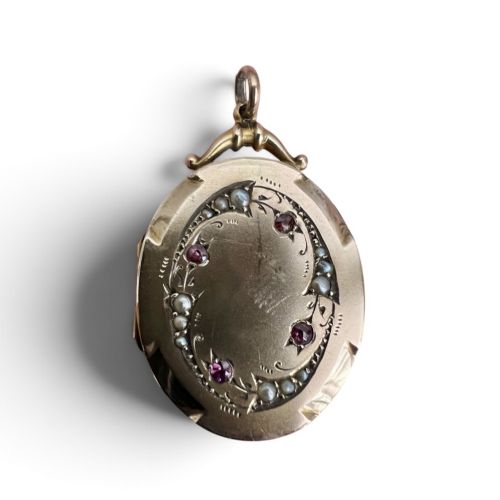
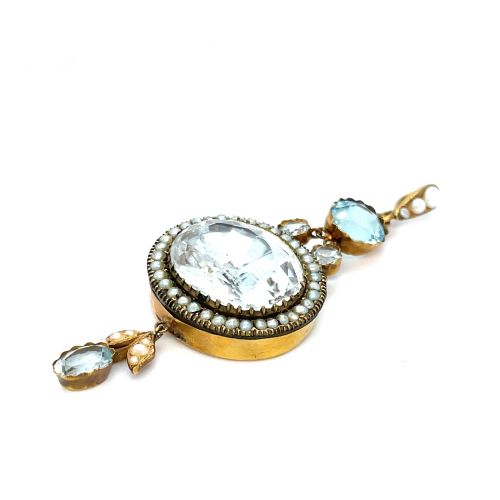
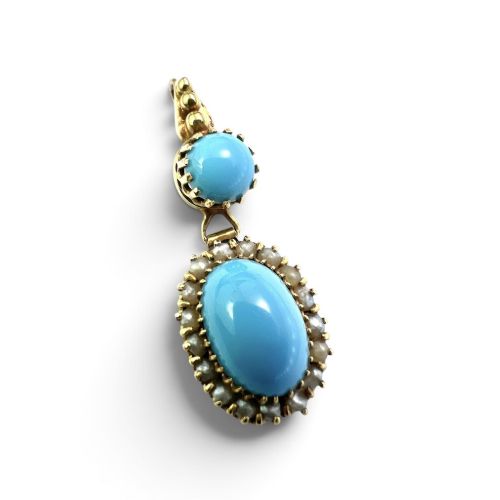
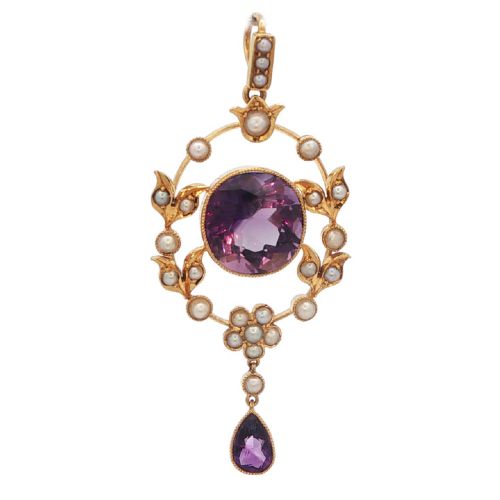
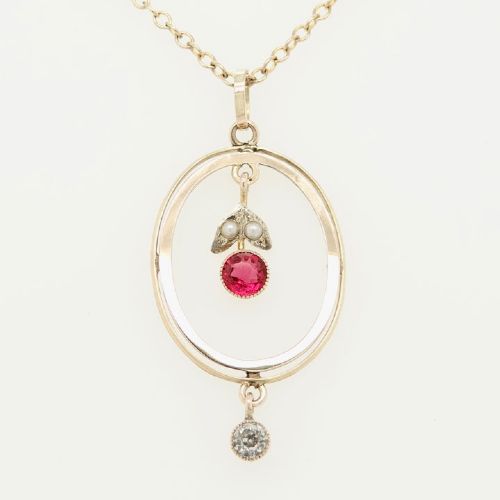
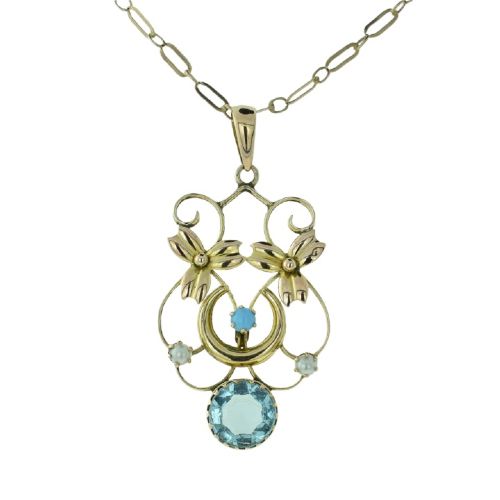
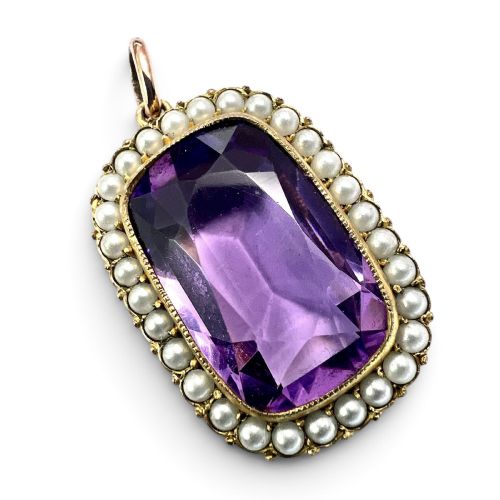
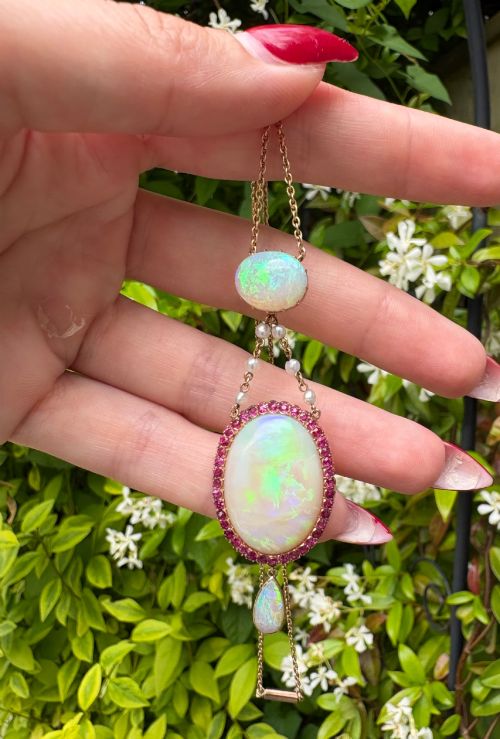
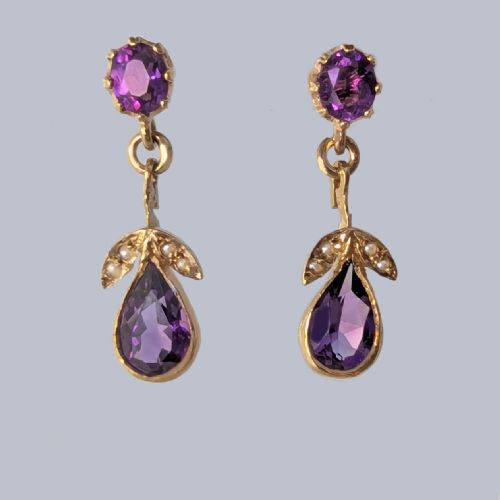
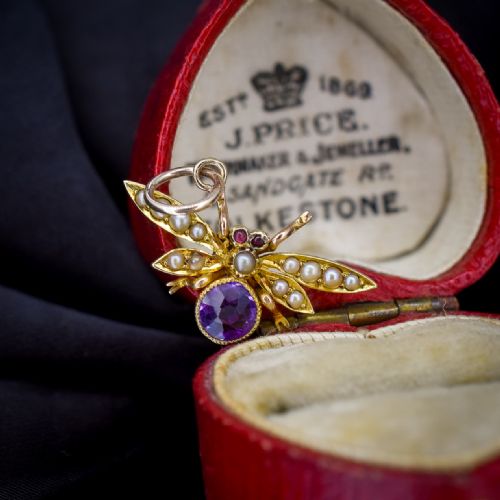
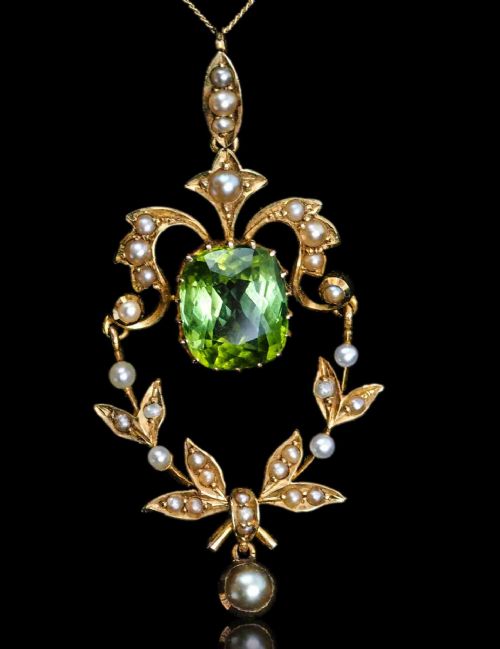
The most common versions encountered here span motifs like the celestial star, the double heart, and the halo or cluster. They frequently combine pearls with coloured gems including amethyst, turquoise, peridot, and opal within yellow, rose, or high-carat gold frameworks.
How they were made
Goldsmiths constructed these jewels using yellow gold, rose gold, and higher carat gold standards such as fifteen carat and eighteen carat. Metalwork techniques involved fine wire twistings, granulation, and cast frames designed to securely hold minuscule pearls.
Makers set individual seed pearls by hand into closed or open-backed mounts, sometimes pairing them with diamonds, enamel, or foil-backed pastes. Many pieces integrated glass compartments at the reverse for photographic keepsakes or hair work.
Victorian Seed Pearl Pendant Retail Price Guide 2026
Typical asking prices for victorian seed pearl pendant among the pieces listed under this phrase on Sellingantiques today, from the lower quarter to the upper quarter. They describe what is for sale here now, not the wider market.
Some lockets hide miniature glass windows designed to hold romantic locks of braided human hair.
What varies in quality
Quality depends upon the uniformity and lustre of the seed pearls, alongside the complexity of the gold fabrication. Finer examples display meticulous pearl matching and secure wirework that maintains structural integrity across delicate starbursts or lavaliere drops.
The presence of high-carat gold standards, original fitted boxes, or combined gemstone elements like green tourmaline and opals elevates the sophistication of the piece. Superior construction ensures every tiny pearl remains flush and secure within its setting.
The Victorian Seed Pearl Pendant Glossary
- Seed pearl
- A very small, naturally occurring pearl, often measuring under two millimetres in diameter. These tiny gems form the primary decorative element in nineteenth-century cluster and starburst jewellery.
- Locket
- A hinged pendant designed to open and reveal a concealed interior space. Victorian examples frequently house glass-backed compartments for photographs or woven hair.
- Pendant brooch
- A versatile hybrid jewellery form featuring both a pin fitting and a suspension loop. This dual arrangement allows the wearer to pin the jewel to fabric or hang it from a chain.
- Celestial star
- A popular motif representing stars and comets, rendered in gold and studded with pearls or diamonds. These designs reflect nineteenth-century fascination with astronomy and the night sky.
Victorian Seed Pearl Pendant: Frequently Asked Questions
How do I wear a convertible pendant brooch?
Many Victorian jewels feature a hidden hinged pin alongside a fold-down or fixed loop at the top. This allows you to thread the piece onto a gold chain or fasten it securely to clothing.
Take care when wearing the item as a brooch to ensure the pin catch remains securely locked, preventing loss of the delicate pearl settings.
Are these pendants made of solid gold?
The pieces recorded here utilise various gold standards, ranging from nine carat up to high-carat fifteen and eighteen carat yellow and rose gold. Solid gold fabrication was standard for mounting delicate seed pearls securely.
Examination of the metal reveals distinct nineteenth-century hues, from the warm flush of rose gold to the rich tone of high-carat alloys.
What gems accompany the pearls?
Makers frequently paired seed pearls with coloured stones including amethyst, turquoise, opal, peridot, and green tourmaline. Diamonds and pink pastes also appear as central focal points within star or cluster frames.
These complementary gems add distinct colour contrasts to the lustrous white of the tiny pearls.
How do I care for antique seed pearl jewellery?
Seed pearls are sensitive to moisture, cosmetics, and acids because they are organic gems set in historical gold mounts. Clean them only with a soft, dry cloth and avoid submerging the pendant in water.
Store the jewel flat in a lined box away from hard metals to protect the tiny pearls and delicate wirework from impact.